How long does Bariatric Surgery last? {A Detailed Guide}?

Bariatric surgery has become a transformative solution for individuals struggling with obesity and its related health conditions. However, one of the most common questions patients have before making the decision is: “How long does bariatric surgery last?” Closely followed by, “How long does it take to get bariatric surgery?” These questions address both the duration of the surgery itself and the entire treatment journey, from consultation to recovery.

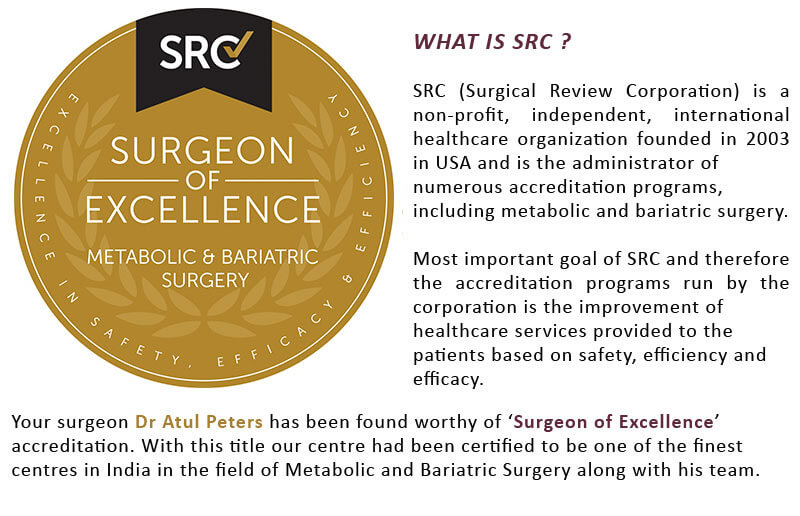
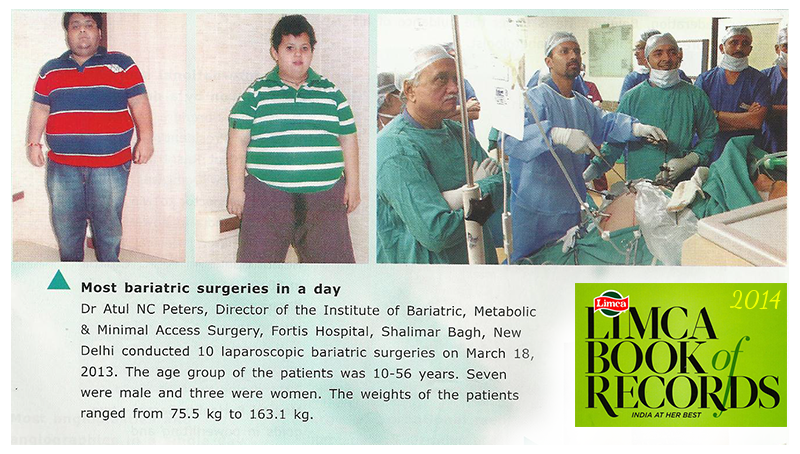
If you’re considering Bariatric Surgery in Delhi with an expert like Dr. Atul Peters, understanding the timeline and longevity of the procedure can help you prepare both mentally and physically.

What is Bariatric Surgery?
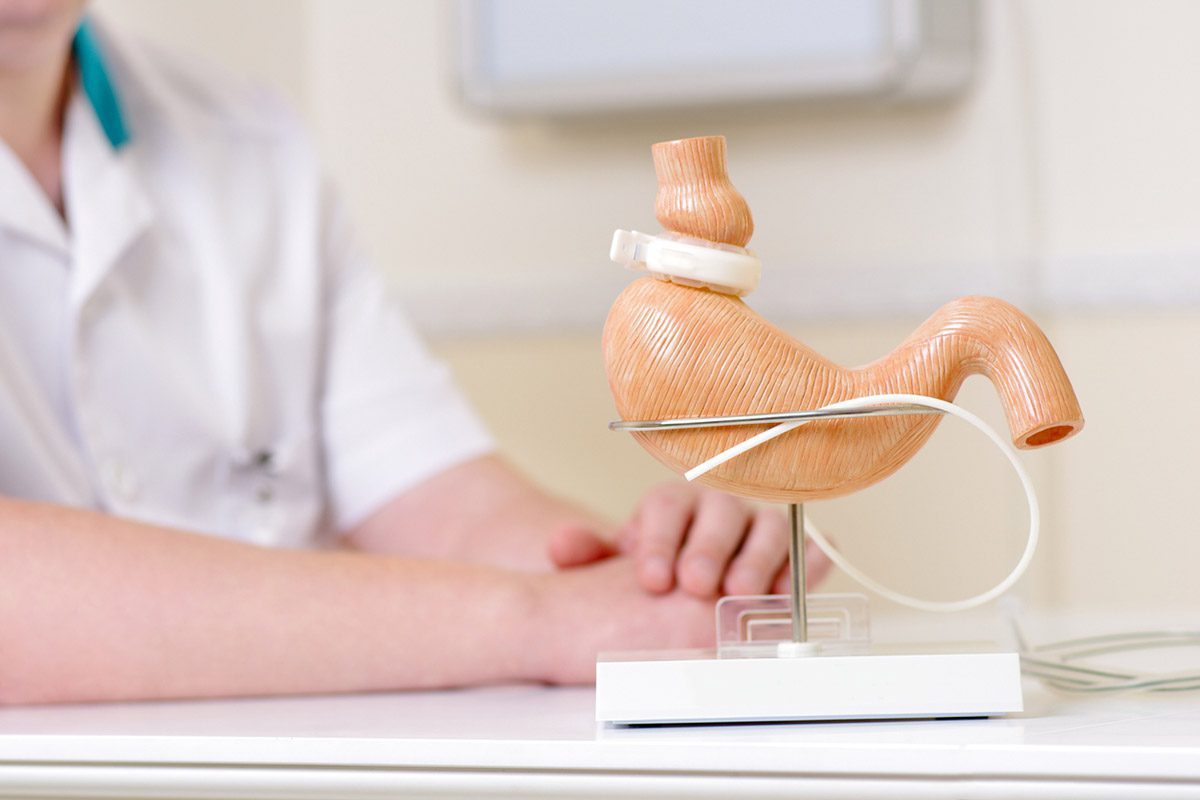
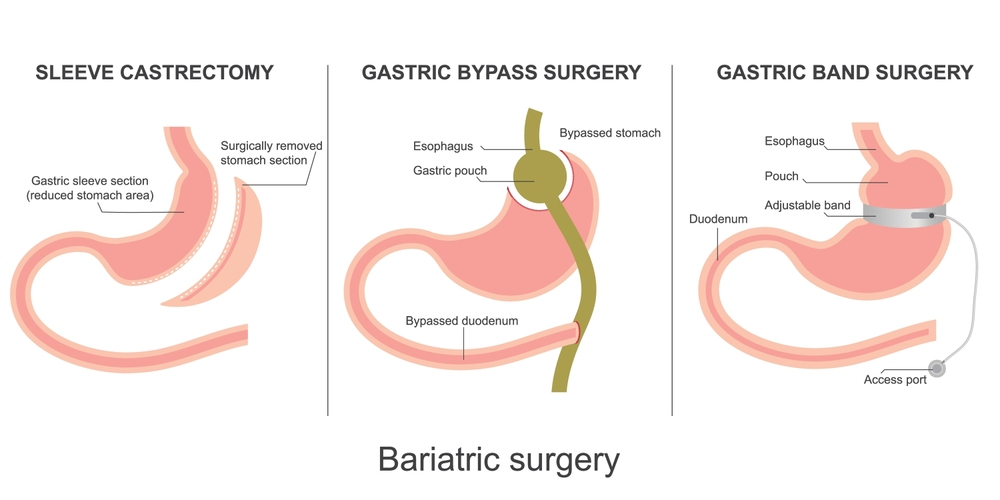
Bariatric surgery, often referred to as weight-loss surgery, is a group of medical procedures designed to help individuals struggling with obesity achieve significant and sustained weight loss. This form of surgery works by making changes to the digestive system, either by reducing the size of the stomach, rerouting the small intestine, or both. These changes lead to reduced calorie intake, hormonal shifts, and improved satiety. The most common types include:

These procedures restrict the amount of food the stomach can hold, reduce calorie absorption, or both. Bariatric surgery is typically recommended for people with a BMI of 35 or more, especially when obesity-related conditions like type 2 diabetes, hypertension, or sleep apnea are present.

How Long Does It Take to Get Bariatric Surgery?

Patients often ask, “How long does it take to get bariatric surgery?”—and the answer involves more than just scheduling an operation. The entire process typically spans from 2 weeks to 3 months, depending on the facility, the patient’s health, and the preparation required. Here’s how that timeline breaks down:

a) Initial Consultation and Medical Evaluation

The journey begins with a thorough consultation with a bariatric surgeon. During this visit, your body mass index (BMI), health history, weight-loss history, and lifestyle factors are evaluated. If you meet the criteria, you’ll be recommended for further testing and a multidisciplinary review.

b) Diagnostic Tests and Referrals

Next, you’ll undergo several tests such as blood panels, ECG, chest X-rays, ultrasound scans, and possibly an upper GI endoscopy. If you have pre-existing health issues like diabetes or heart disease, you may be referred to specialists to ensure you’re fit for surgery.

c) Psychological and Nutritional Assessments

Bariatric surgery is as much a psychological journey as a physical one. A clinical psychologist will assess your mental preparedness and ability to commit to post-surgery changes. A dietitian will also guide you through nutritional modifications both pre- and post-surgery.

d) Insurance Authorization and Scheduling

If you’re going through insurance, this step can add time to the process. Approvals can take several weeks, depending on the provider. However, many hospitals offering Bariatric Surgery in Delhi, including those under Dr. Atul Peters, provide package-based services that eliminate insurance delays, reducing the waiting period significantly.

What Happens Before the Surgery?
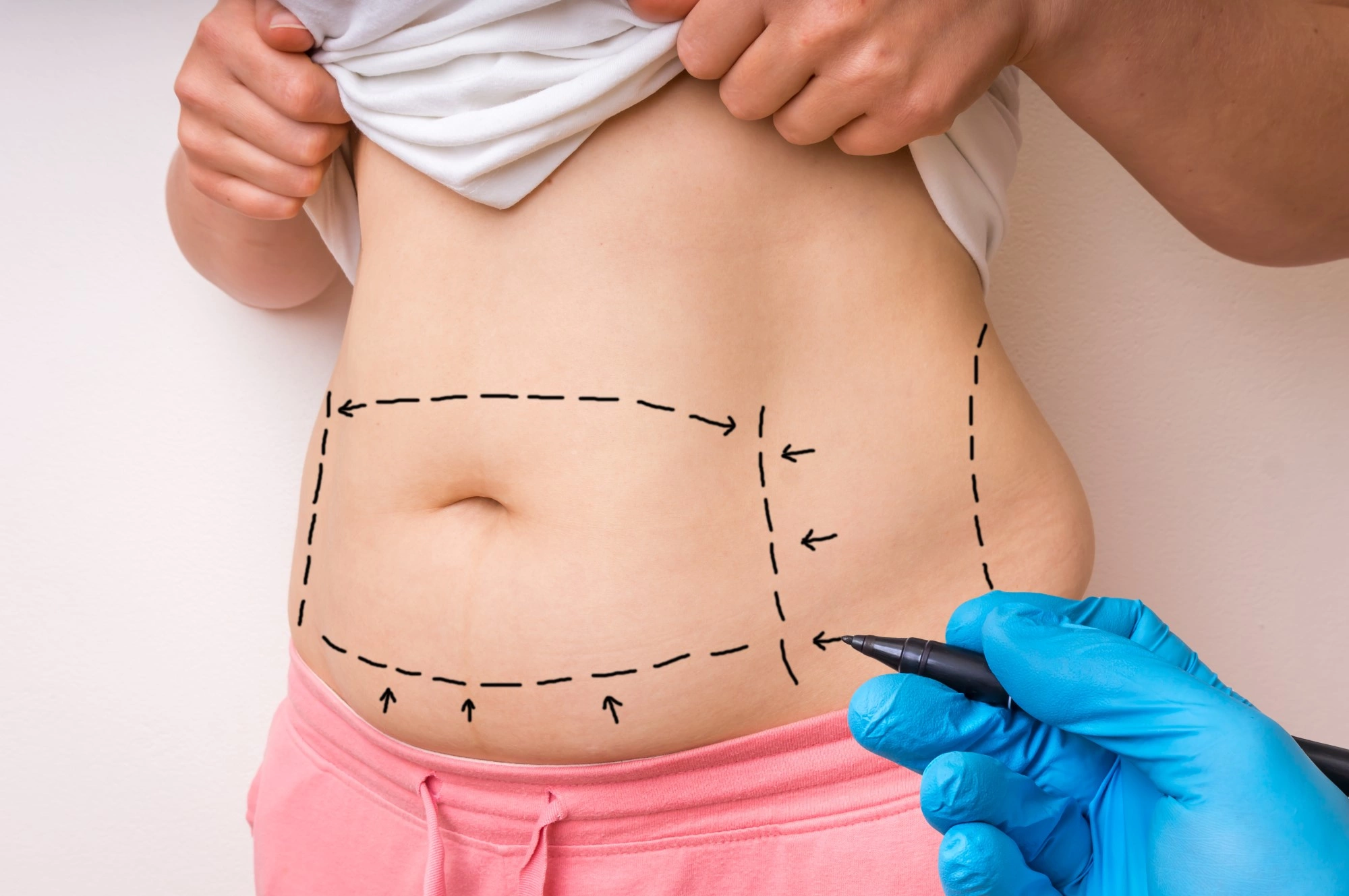
Once you’re cleared for surgery, your preparation doesn’t stop there. This stage is critical for improving surgical outcomes and ensuring long-term success. Patients often wonder how long it takes to get bariatric surgery, but this preoperative phase is just as important as the procedure itself.

a) The Preoperative Diet

You’ll likely begin a special low-calorie, high-protein diet about 1–2 weeks before your surgery. This helps reduce liver size and fat around internal organs, making the surgery safer and reducing the risk of complications. The pre-op diet typically includes:

  • Protein shakes
  • Broths and clear soups
  • Low-starch vegetables
  • Plenty of water
  • No sugar, alcohol, or fried foods

b) Medical Clearance and Anesthesia Review

You’ll meet with the anesthesiologist before your surgery to ensure you are ready for general anesthesia. They’ll review your test results, ask about medication usage, and provide fasting instructions for the night before surgery.

c) Emotional and Lifestyle Preparation

Mental preparation is just as critical. Surgeons like Dr. Atul Peters emphasize counseling to ensure patients understand the dietary restrictions, possible lifestyle changes, and long-term commitment required after surgery. Patients are also encouraged to begin walking regularly and stop smoking (if applicable) before the procedure.

What Happens During the Surgery?

When discussing “how long does bariatric surgery last”, it’s important to understand what happens in the operating room. The surgery involves several stages, each carefully executed to ensure safety and success.

a. Arrival and Anesthesia

On the day of your surgery, you’ll arrive at the hospital a few hours before the scheduled time. After registration, you’ll meet your anesthesiologist, who will administer general anesthesia. This ensures that you remain asleep and pain-free throughout the procedure.

b. Surgical Procedure Begins

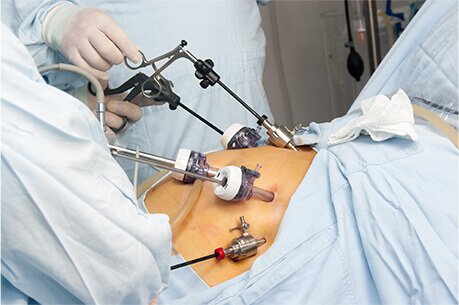
Once the anesthesia has taken effect, the surgeon begins the procedure. In modern medical settings—especially under skilled professionals like Dr. Atul Peters—the surgery is performed laparoscopically. This involves making small incisions and using a camera (laparoscope) to guide the tools inside the abdomen.

c. Type of Bariatric Procedure

The duration of surgery depends on the specific type of bariatric operation:

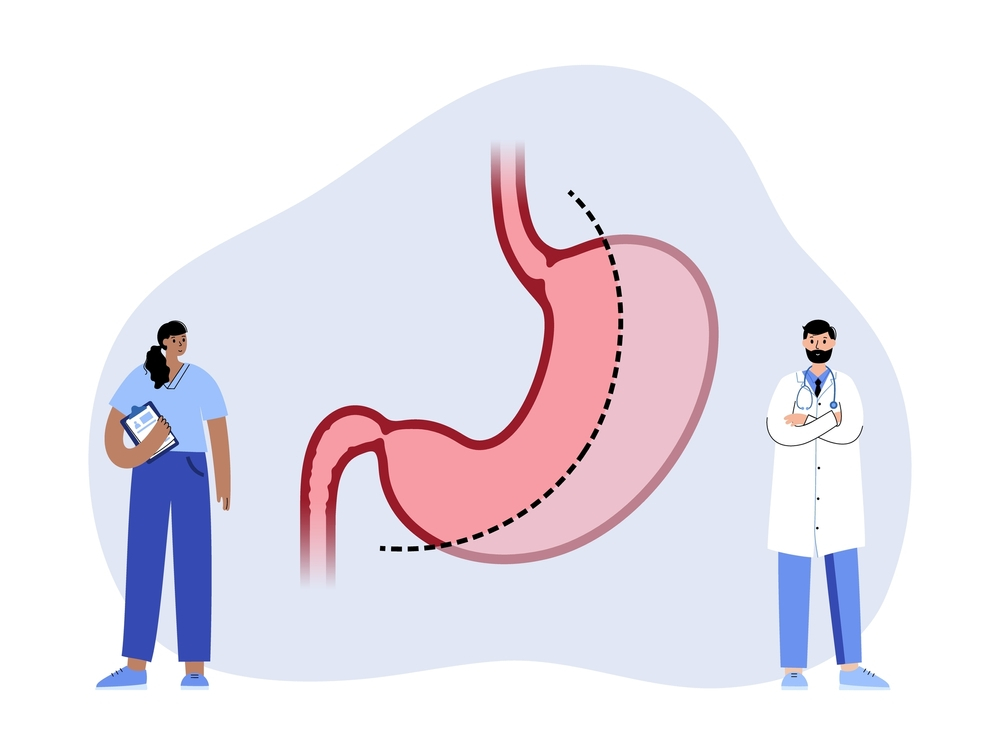
  • In sleeve gastrectomy, about 75–80% of the stomach is removed, leaving a tube-shaped stomach.
  • In a gastric bypass, the stomach is divided and rerouted to the small intestine.
  • Adjustable gastric banding involves placing a band around the upper part of the stomach.

Though the actual surgical time may last between 60 minutes to 3 hours, the entire process, including prep and recovery, might take longer.

d. Waking Up from Surgery

Once the surgery is completed, you’ll be moved to the recovery room where the medical team will monitor your vital signs as you awaken from anesthesia. Many patients feel groggy but don’t usually experience pain, as pain management medications are administered early.

Immediate Post-Surgical Recovery and Hospital Stay

After the surgery is complete, the recovery process begins right away, starting with your time in the hospital. This phase is critical in determining how well your body responds to the procedure and how quickly you can resume basic activities. When discussing how long does bariatric surgery lasts, it’s important to recognize that recovery isn’t just physical healing—it’s also the beginning of a lifelong transformation.

a) Duration of Hospital Stay

Most bariatric surgeries are now performed laparoscopically, which means smaller incisions and a quicker recovery. As a result, the average hospital stay is relatively short, typically 2 to 3 days. Some patients may be discharged within 24 to 48 hours after surgery, particularly after sleeve gastrectomy or adjustable gastric banding. However, more complex procedures like gastric bypass or BPD/DS may require a slightly longer stay.

During this time, your vital signs will be closely monitored, and you’ll begin a gradual reintroduction of fluids under medical supervision. The medical team will also ensure there are no signs of complications such as bleeding, leakage from the staple line, infection, or respiratory issues.

b) Pain Management and Mobility

Postoperative pain is usually minimal and manageable with prescribed medications. Because the procedure is done with small incisions, most patients experience mild discomfort rather than intense pain. You’ll be encouraged to start moving and walking within 6 to 8 hours after surgery, as early movement helps prevent blood clots, improves circulation, and speeds up healing.

It’s common to feel tired and weak during the first day or two. Medical staff will guide you on how to get out of bed, move safely, and perform breathing exercises to reduce the risk of lung complications.

c) Liquid Diet Initiation

The first step in your new dietary plan begins in the hospital. You will start with small sips of clear liquids—water, broth, and electrolyte drinks. If your body tolerates these well, you may move on to full liquids by the time you’re discharged. This gradual reintroduction helps your digestive system adjust and ensures that the surgical site inside your stomach remains stable.

d) Monitoring for Complications

Although bariatric surgery is safe when performed by experienced surgeons like Dr. Atul Peters, monitoring in the first 48 hours is crucial. Nurses and doctors will check for:

  • Internal bleeding
  • Leakage from staple or suture lines
  • Signs of infection at incision sites
  • Breathing or heart issues
  • Dehydration or electrolyte imbalance

Patients who follow post-op instructions and communicate openly with their care team are more likely to avoid complications and experience smoother recoveries. This period also allows the hospital staff to educate patients on their discharge plan, including medications, wound care, and dietary guidelines.

Expert Bariatric Surgery by Dr. Atul Peters!
Contact Now!

Book Your Appointment


How Long Does Bariatric Surgery Last in Terms of Effectiveness?

Understanding the long-term effectiveness of bariatric surgery is crucial for anyone considering this life-changing procedure. When someone asks how long does bariatric surgery lasts, they are not only inquiring about surgical duration but also about how long the benefits—like weight loss and disease remission—can last. The answer depends on a combination of surgical technique, lifestyle commitment, and post-op follow-up.

a) Weight Loss Outcomes Over Time

Most patients begin losing weight within the first few days after surgery. By the end of the first year, individuals typically lose 60–80% of their excess weight, depending on the type of procedure. Gastric bypass and sleeve gastrectomy tend to deliver the most dramatic results.

The majority of weight loss occurs in the first 12–18 months, after which weight begins to stabilize. If patients maintain a high-protein, low-sugar diet and remain physically active, the weight loss can be sustained for 10 years or more.

b) Improvement in Obesity-Related Conditions

One of the most important benefits of bariatric surgery is its ability to resolve or improve chronic health issues. Many patients experience long-term relief from:

  • Type 2 diabetes (often within weeks of surgery)
  • High blood pressure
  • High cholesterol
  • Sleep apnea
  • Joint pain and mobility issues

c) Long-Term Commitment Determines Longevity

While the physical effects of bariatric surgery can last a lifetime, they are not immune to reversal if patients fall back into unhealthy habits. Weight regain is possible, especially if patients consume calorie-dense, low-nutrition foods or fail to stay active. The good news is that even in cases of mild weight regain, the risk of developing chronic diseases remains lower than before surgery.

Factors That Influence Surgical Success

The question “how long does bariatric surgery last” in terms of results depends heavily on multiple individual and clinical factors. While the surgery itself is a powerful tool, long-term success hinges on the patient’s consistency, lifestyle, and support system.

a) Type of Procedure Chosen

Different bariatric procedures have different outcomes in terms of weight loss, risk of complications, and long-term sustainability. For instance, gastric bypass often leads to greater and faster weight loss than gastric banding but may come with a higher risk of nutritional deficiencies. Sleeve gastrectomy strikes a balance and is one of the most commonly performed procedures today due to its safety and effectiveness.

b) Adherence to Diet and Physical Activity

The most critical factor in ensuring your surgery’s success over the long term is how committed you are to making permanent changes in your eating and activity habits. Patients who follow a high-protein, low-carb diet with portion control and regular physical activity maintain their weight loss and health improvements for years.

c) Regular Follow-Up and Support

Routine check-ups after surgery are essential to monitor weight loss, adjust nutritional supplements, track vitamin levels, and screen for any complications. These appointments also offer a chance to work with your medical team to stay on track emotionally and physically.

Final Thoughts

The journey through bariatric surgery is not just about a few hours in the operating room. When asking how long bariatric surgery lasts, patients must consider both the duration of the procedure and the long-lasting impact it can have on health and quality of life.

For those considering Bariatric Surgery in Delhi, working with experienced and reputable surgeons like Dr. Atul Peters ensures not only a safe surgery but also an integrated care plan that supports long-term success. With the right mindset, support, and follow-through, bariatric surgery can be the beginning of a healthier, more fulfilling life.

10. Frequently Asked Questions (FAQs)

Q1: How long does bariatric surgery last during the operation?

The actual surgery usually lasts 1 to 3 hours, depending on the procedure type and whether it’s done laparoscopically or robotically.

Q2: How long does it take to get bariatric surgery after the first consultation?

Generally, it takes 2 to 12 weeks. This includes diagnostic tests, specialist clearances, nutritional and psychological assessments, and possibly insurance approvals.

Q3: Will I lose weight right after surgery?

Yes. Most patients start losing weight immediately. The most rapid weight loss happens within the first 6 months, and major weight loss typically occurs over 12 to 18 months.

Q4: How long do the effects of bariatric surgery last?

With proper diet, lifestyle, and follow-up, the effects of bariatric surgery can last 10 years or more. Many patients maintain 60–80% of their weight loss over the long term.

Q5: Can the stomach stretch after surgery?

Yes, the stomach can gradually stretch over time, especially if large portions of food are consumed. However, this can be prevented with mindful eating and portion control.

Q6: How long will I need to take supplements?

For most patients, lifelong vitamin and mineral supplementation is necessary, especially after gastric bypass or biliopancreatic diversion, to prevent deficiencies.

Q7: What if I regain weight?

Weight regain happens in a small percentage of patients and can usually be managed through renewed diet and lifestyle modifications. In rare cases, revision surgery may be considered.

How long is Robotic Gallbladder Surgery?

When someone hears the word surgery, a few things immediately flash in their mind — long hours under anesthesia, a big hospital stay, and weeks of painful recovery. But in the world of modern medicine, especially with robotic techniques, that picture is changing fast.

One of the most commonly performed robotic procedures today is gallbladder removal, also called cholecystectomy. Thanks to robotic technology, what used to take hours and leave behind large scars can now be done in under an hour with minimal cuts, faster healing, and barely any hospital stay.

This blog will walk you through everything you need to know about how long is robotic gallbladder surgery— not just how long it takes inside the OT, but how long the entire experience lasts, from preparation to recovery.

What is Robotic Gallbladder Surgery?

Robotic gallbladder surgery is an advanced, minimally invasive procedure in which the surgeon removes your gallbladder using robotic arms controlled by a high-tech console. It’s not the robot thinking — it’s your surgeon, who sits a few feet away and uses tiny hand movements to control robotic instruments inside your body.

Here’s how it works:

  • Small cuts (usually 4) are made on your abdomen.
  • A tiny camera is inserted through one of the incisions, sending high-definition 3D images to a monitor.
  • The surgeon, seated at a console, controls robotic instruments that mimic wrist movements, with even greater precision and flexibility.
  • The gallbladder is separated from surrounding structures and removed through one of the incisions.

How Long is Robotic Gallbladder Surgery?

Generally, robotic gallbladder surgery takes about 45 minutes to 1.5 hours. The exact time depends on several factors:

  1. Condition of the Gallbladder: If your gallbladder is inflamed, infected, or full of stones, it may take more time to remove carefully without damaging nearby organs.
  2. Surgeon’s Experience: An experienced Robotic Surgeon in Delhi can complete the surgery more efficiently, even in complicated cases, thanks to their familiarity with robotic controls and the patient’s anatomy.
  3. Obesity or Prior Abdominal Surgeries: In overweight patients or those who’ve had previous operations, it may take longer to navigate internal organs and scar tissue.
  4. Anesthesia and Setup Time: The robot must be docked, surgical ports must be inserted, and the patient must be fully prepped — this adds around 20–30 minutes before and after the actual cutting begins.
  5. Unexpected Findings During Surgery: Occasionally, surgeons discover issues (like a bile duct anomaly or adhesions) that require extra care, and thus, more time.

Still, even at the higher end, the procedure is faster than traditional open surgery, which may take over 2–3 hours and requires a larger incision.

So when someone asks, “How long is robotic gallbladder surgery?”, a more accurate reply would be: “The surgery itself takes around an hour, but the full operating room time may be up to 2 hours, including preparation and recovery from anesthesia.”

How long is the Hospital stay after Robotic Surgery?

Gone are the days when gallbladder removal meant a week-long stay in a hospital bed with a dressing as wide as a belt. With robotic technology, most patients go home the same day or within 24 hours after surgery.

Let’s break it down:

  • Same-Day Discharge (Daycare Surgery): If you’re medically fit, have no complications, and your pain is controlled, doctors may discharge you a few hours after surgery. This is becoming common in many advanced centers offering Gallbladder Surgery in Delhi.
  • One-Night Hospital Stay: Some patients are kept under observation overnight, especially older adults, diabetics, or those who live far from the hospital.
  • More than 1 Night: Rare, and usually only if there are complications like bleeding, bile leak, or unexpected findings during surgery.

Before discharge, your doctor checks for:

  • Stable blood pressure and oxygen levels
  • Ability to walk and pass urine
  • No excessive pain or vomiting
  • Tolerating light food or liquids

In comparison, traditional open surgery often needs a 3–5 day hospital stay. So yes, robotic gallbladder surgery truly shortens your stay — and speeds up your return to normal life.

Recovery Time after Robotic Gallbladder Surgery

When you hear the word “surgery,” most people immediately imagine a long, slow recovery — lots of bed rest, tight bandages, and painkillers on repeat. But here’s the beauty of robotic gallbladder surgery: the recovery is much faster and smoother than traditional methods.

So, how long does it take to fully recover?

Most patients feel 70–80% recovered within 1 week, and completely back to normal within 2 to 3 weeks.

Here’s a general timeline of what recovery looks like:

  • Day 1–2: Mild pain or discomfort around the incision sites. Walking is encouraged, but strenuous movement is avoided. You can usually drink liquids and eat light food.
  • Days 3–5: Pain reduces significantly. Bowel movements may return to normal. You can resume basic household activities slowly.
  • Days 7–10: Stitches (if any) are removed, and most people feel confident walking, sitting, and eating normally. Pain medication is rarely needed beyond this point.
  • Weeks 2–3: You’re likely fully mobile, doing most of your daily tasks independently, including light office work or driving (after medical approval).

Compare this to open gallbladder surgery, where recovery takes 6–8 weeks, and the difference is clear.

Choosing Dr. Atul Peters not only makes the surgery safer but also often ensures a faster recovery timeline, as the surgical technique involves minimal tissue damage and less inflammation.

How soon Can You Resume Daily Activities and Work?

You’ve made it through surgery, you’re walking around again, and your appetite is returning. But when can you get back to life, work, exercise, travel, or just picking up the grocery bag?

Let’s answer this honestly, without the sugarcoating.

Activities You Can Resume Early (within 3–5 days):

  • Walking indoors or in your building
  • Climbing stairs slowly
  • Reading, working on a laptop, and light cooking
  • Taking a shower (after dressings are removed)

Activities You Can Resume in 1–2 Weeks:

  • Driving a car (if you’re not on painkillers and can move comfortably)
  • Returning to desk jobs or work-from-home setups
  • Going for light walks outdoors

Activities That Need to Wait (at least 3–4 weeks):

  • Lifting heavy weights (gym or groceries)
  • Bending or stretching exercises
  • Travel involving long hours
  • Any high-intensity physical activity

Your doctor will guide you based on how your healing is progressing. But most people who undergo Gallbladder Surgery in Delhi via robotic technique can return to office work in about 7–10 days, much faster than with open surgery.

Why Robotic Gallbladder Surgery is Faster than Traditional Surgery

If you’re wondering why robotic surgery is so efficient compared to open or even standard laparoscopic methods, the answer lies in precision, control, and minimal trauma.

Here’s how robotic technology saves time and speeds up healing:

  1. Smaller Incisions: Robotic instruments require tiny cuts (often 5–10 mm), unlike open surgery, which needs a large abdominal incision. Smaller cuts = less pain, less healing time.
  2. High-Definition 3D Imaging: The robotic system provides magnified 3D visuals. Surgeons can see the anatomy more clearly, reducing the risk of injury and shortening the time taken to identify and remove the gallbladder.
  3. Tremor-Free, Precise Movements: Even the steadiest human hand has minor tremors. Robots filter this out completely, enabling highly controlled, refined movements during the procedure.
  4. Minimal Bleeding: The fine movements of robotic tools cause less damage to surrounding tissues and blood vessels, which means less blood loss and quicker post-op recovery.
  5. Shorter Hospital Stay and Recovery: Because of all the above, robotic surgery patients often return home the same day and recover in a fraction of the time it takes with open surgery.

In short, robotic gallbladder surgery is not just about being “fancy” — it’s clinically superior in many ways.

Robotic Gallbladder Surgery by Dr. Atul Peters!
Contact Now!

Book Your Appointment


Conclusion

Gone are the days when surgery meant long hospital stays, large scars, and weeks of painful recovery. With robotic gallbladder surgery, patients today are choosing precision, speed, and comfort.

From the time in the OT to the hours spent in the hospital, everything about robotic surgery is designed to be efficient. In the hands of an expert Robotic Surgeon in Delhi, what was once considered a major operation can now be a minimally invasive, low-stress procedure with excellent results.

So if you’ve been diagnosed with gallstones or chronic gallbladder issues, and you’re wondering about how long robotic gallbladder surgery takes, the answer is simple: not long at all — but the benefits last a lifetime.

Frequently Asked Questions

Q1. How long does robotic gallbladder surgery take inside the OT?
Usually 45 minutes to 1.5 hours, depending on the complexity of the case.

Q2. How long do I have to stay in the hospital?
Most patients are discharged the same day or within 24 hours.

Q3. When can I return to work?
If you have a desk job, most people return to work within 7–10 days. For physical jobs, 3–4 weeks.

Q4. Is robotic surgery better than laparoscopic surgery?
Yes, in many cases. It offers better precision, faster healing, and less blood loss.

Q5. Does robotic surgery cost more?
It can be slightly more expensive, but many believe the faster recovery and fewer complications make it worth the cost.

What to Eat after Inguinal Hernia Surgery?- Dr. Atul Peters

Surgery is never easy. Even when it’s labeled “routine,” like inguinal hernia repair, your body still considers it an invasion; it rallies the troops—your immune system, your blood cells, your tissues—to patch up what’s been cut, stitched, and sealed. But while the surgical procedure gets all the spotlight, the real magic of healing unfolds quietly in the days that follow. And food? That’s the scriptwriter of that quiet magic.

If you’re wondering what to eat after inguinal hernia surgery, you’re asking one of the most important questions for your recovery. Your post-surgery diet isn’t just about avoiding pain or discomfort; it’s about giving your body the right tools to repair itself from the inside out. That’s where knowing the Best food to eat after inguinal hernia surgery comes in — not gourmet fare, not exotic health trends, but simple, nourishing meals that keep your gut calm and your healing on track.

Understanding Inguinal Hernia

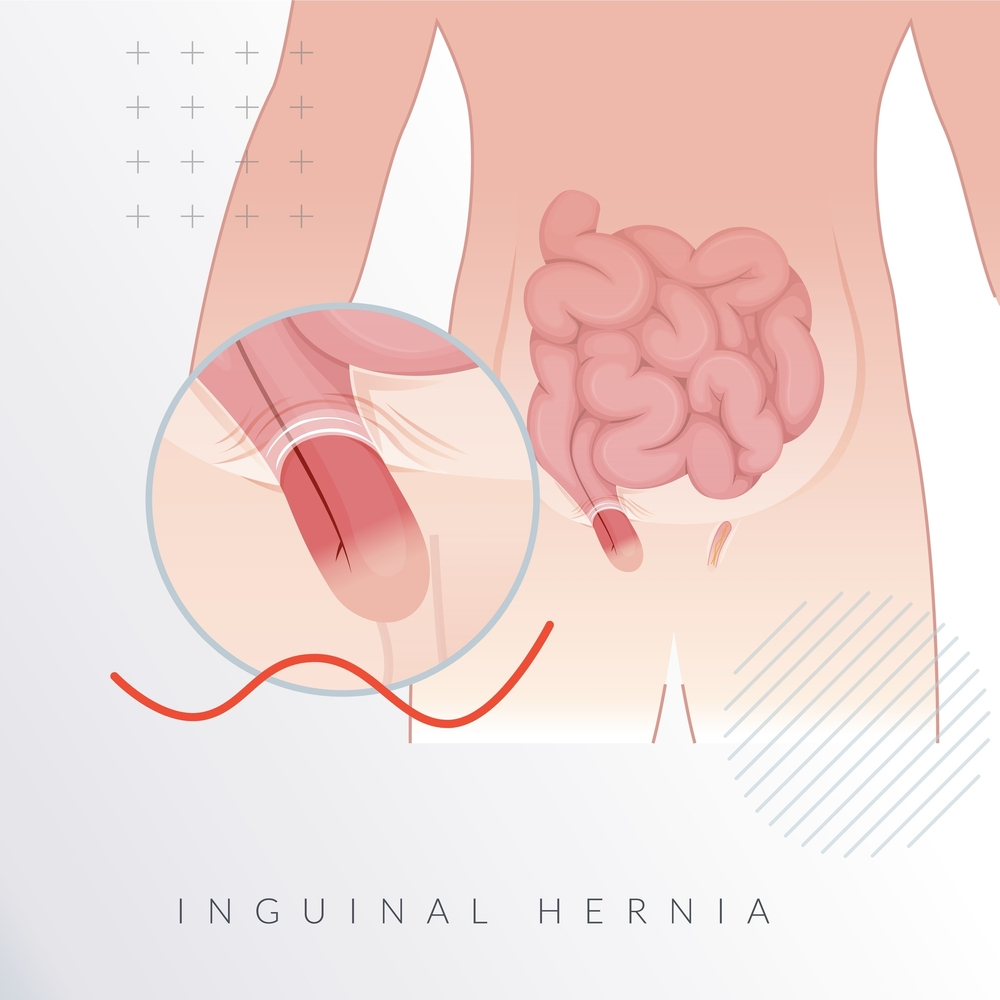
An inguinal hernia is one of the most common types of hernias, especially in men. Simply put, an inguinal hernia happens when a portion of tissue—usually part of the intestine—pushes through a weak spot in your lower abdominal wall, specifically the inguinal canal. This canal is a passage in your lower abdomen that both men and women have. However, it’s more structurally vulnerable in men due to the descent of the testicles during fetal development.

Now, imagine your abdominal wall as a sturdy piece of cloth. Over time, wear and tear can create a hole in that fabric. That hole allows your internal organs, like a loop of intestine or fat, to slip through. That’s an inguinal hernia.

Fortunately, inguinal hernias are highly treatable with surgical repair. Whether it’s open surgery or minimally invasive laparoscopic or robotic surgery (especially if performed by the Best Hernia Surgeon in Delhi), the goal is to push the herniated tissue back in and reinforce the weak spot with mesh or sutures.

Why Diet Matters After Inguinal Hernia Surgery

Let’s not romanticize recovery. After an inguinal hernia repair, you’re not going to bounce back like a Marvel superhero unless you fuel your body with the right ingredients. The internal stitches need support from the inside, and food is your frontline soldier. A good post-surgery diet can help:

  • Prevent constipation and straining (a common cause of hernia recurrence)
  • Maintain a healthy weight
  • Strengthen tissues and muscles
  • Reduce inflammation and pain
  • Speed up wound healing

Best Food to Eat After Inguinal Hernia Surgery

You’ve made it past the surgery, the anesthesia fog has lifted, and you’re finally back home. But before you start daydreaming about your next spicy biryani or deep-fried samosa, pause. Your digestive system has just been through trauma. Even if the surgery was minimally invasive, your gut needs a gentle restart.

So, what is the best food to eat after inguinal hernia surgery?

Here’s a list of recovery-friendly foods to start with:

  • Clear liquids (first 1–2 days): Think vegetable broth, coconut water, rice water, and clear soups. These keep you hydrated and help the digestive system wake up gently.
  • Soft foods (day 2–5): Khichdi, plain porridge (daliya), curd rice, boiled potatoes, mashed banana, and oatmeal. These are easy to digest and won’t irritate your bowels.
  • Fiber-rich foods: Once digestion stabilizes, include applesauce, papaya, steamed carrots, moong dal, and whole wheat toast. Fiber prevents constipation, which is crucial because straining can tear healing tissues.
  • Lean proteins: Eggs, tofu, paneer, soft-cooked lentils, or grilled fish (if non-veg). These help rebuild tissue and muscles.
  • Probiotics: Curd, buttermilk, or probiotic drinks support gut health, especially if you were on antibiotics during or after surgery.

Avoid oily, spicy, and gas-producing foods (like rajma, chole, or cabbage) for the first couple of weeks. Also, steer clear of red meat, processed snacks, and sugary desserts.

Hydration: The Unsung Hero of Recovery

You may be obsessing over what to eat, but what you drink is just as important. Staying properly hydrated might be the simplest yet most overlooked part of post-surgical recovery.

Dehydration can slow down wound healing, cause muscle cramps, and most dangerously in this case, lead to constipation. That’s a nightmare after hernia surgery, where any kind of straining is the enemy. If you’re serious about healing, hydration must become a conscious habit.

Here’s how to stay ahead of the game:

  • Start your day with warm water — it soothes the gut and prevents early morning constipation.
  • Coconut water and ORS solutions can help replenish electrolytes lost during the operation or through reduced food intake.
  • Buttermilk and lemon water are light on the gut and aid digestion.
  • Herbal teas like chamomile or ginger tea reduce bloating and inflammation.

Keep a bottle nearby and sip often. Avoid fizzy drinks, packaged juices, or caffeinated beverages like colas or energy drinks—they dehydrate you and can irritate your stomach.

Foods to Avoid After Inguinal Hernia Surgery

You’ve just had abdominal surgery. That means any food that causes gas, bloating, acidity, or constipation is not your friend right now. Even the strongest mesh can’t help you if your intestines are staging a protest.

Knowing what to eat after inguinal hernia surgery is half the game, but avoiding the wrong foods is just as important to prevent unnecessary pressure on your stitches and internal tissues.

Here’s a rogue’s gallery of what to skip in the first 2–3 weeks:

  • Spicy and oily foods: Say goodbye to that extra mirchi tadka and your beloved samosas, for now. These irritate your gut and slow down healing.
  • Heavy, fatty meats: Red meat is difficult to digest and can sit in your stomach like a brick.
  • Carbonated drinks: Soda, cola, beer—anything with bubbles causes bloating and can exert pressure on the surgical area.
  • Gas-producing foods: Onions (raw), garlic, cabbage, cauliflower, rajma, chole, and besan-based dishes may cause abdominal distension and pain.
  • Processed and junk food: Chips, cookies, ready-to-eat meals, and sugar-loaded desserts provide no real nutrition and may even cause constipation.

Role of Fiber in Preventing Post-Surgical Constipation

If there’s one word you’ll hear again and again after surgery, it’s this: Constipation. It’s not glamorous, but it’s critically important.

Post-surgical constipation is very common due to anesthesia, reduced movement, and painkillers (especially opioids). The last thing you want is to strain while passing stools — that strain can stress the surgical site, delay healing, or worse, cause a recurrence of the hernia.

That’s why the Best food to eat after inguinal hernia surgery includes plenty of dietary fiber.

There are two types of fiber:

  • Soluble fiber: Found in oats, bananas, apples, and lentils. It dissolves in water and forms a gel-like substance that softens stool.
  • Insoluble fiber: Found in whole grains, wheat bran, and most vegetables. It adds bulk to your stool and helps it move through the digestive tract.

You need both, but in moderation. Start slowly; too much fiber too soon can lead to gas and bloating. Gradually include the following:

  • Mashed bananas and papaya
  • Cooked oats or dalia
  • Soft-cooked moong dal
  • Boiled carrots and spinach
  • Apple without the skin
  • Brown rice (in small portions)

Meal Plan Ideas for the First Week After Inguinal Hernia Surgery

After hernia surgery, you’re not just healing a cut—you’re helping your body reinforce its walls. The best food to eat after inguinal hernia surgery should be gentle, nutritious, and zero-risk in terms of triggering bloating or constipation.

Here’s a sample 7-day meal guide for someone recovering at home. This isn’t rigidly prescriptive, but it’s a helpful blueprint:

Day 1–2 (Liquid and Semi-Liquid Diet)

  • Breakfast: Warm water with a teaspoon of honey + clear vegetable broth
  • Mid-Morning: Coconut water
  • Lunch: Moong dal ka pani (strained lentil broth) + rice water (kanji)
  • Evening: Lightly salted buttermilk
  • Dinner: Apple puree or plain soup

Day 3–4 (Soft Solids)

  • Breakfast: Soft-cooked oatmeal with banana mash
  • Mid-Morning: Papaya cubes or applesauce
  • Lunch: Khichdi (rice + moong dal) + a spoon of ghee
  • Evening: Curd with roasted jeera powder
  • Dinner: Boiled potato mash with soft-cooked spinach

Day 5–7 (Introducing Light Solids)

  • Breakfast: Dalia with boiled carrots
  • Mid-Morning: One boiled egg (if non-veg) or paneer cubes
  • Lunch: Steamed rice, soft-cooked tur dal, and boiled veggies
  • Evening: Herbal tea + digestive biscuit
  • Dinner: Soft phulka + vegetable stew

Tips for each day:

  • Eat small meals 5–6 times instead of three large meals
  • Chew slowly, and don’t lie down immediately after eating
  • Keep sipping water throughout the day

When to Consult Your Surgeon About Diet Issues

Let’s not pretend everything always goes according to plan. Even with the best intentions and the most wholesome foods, sometimes your body resists. And when it does, you shouldn’t wait for Google to solve it — you need a consultation with Dr. Atul Peters.

Here are signs that your post-surgical diet needs a doctor’s intervention:

  • Constipation lasting more than 3 days, despite fiber and fluids
  • Severe bloating or stomach cramps after eating even soft foods
  • Persistent nausea or vomiting
  • Difficulty passing gas or stools
  • Unexpected weight loss or loss of appetite for over a week
  • Pain or swelling around the surgical site after meals

These aren’t just digestive complaints—they could be signs that your intestines are struggling, or worse, that a complication is developing. While rare, such issues need prompt attention.

Expert Inguinal Hernia Surgery by Dr. Atul Peters!
Contact Now!

Book Your Appointment


Conclusion

Recovery after inguinal hernia surgery isn’t just about a neat incision and a follow-up visit. It’s about what you do every day — and more precisely, what you put on your plate. Your body has been stitched, stapled, and patched up. Now, it needs the right fuel to seal the deal.

Knowing what to eat after inguinal hernia surgery can mean the difference between a smooth, speedy recovery and weeks of bloating, constipation, and unnecessary pain. While it’s tempting to jump back into your regular food habits, doing so too quickly can compromise the healing process, and in worst cases, lead to a recurrence.

Frequently Asked Questions

Q1. Can I eat normal food after hernia surgery?
Not immediately. For the first few days, stick to clear liquids and soft foods. Gradually reintroduce solid, home-cooked meals over the next 2–4 weeks.

Q2. Is milk good after inguinal hernia surgery?
Yes, but opt for warm, low-fat milk and monitor for any signs of bloating or gas. Curd and buttermilk are often better tolerated.

Q3. What is the best food to eat after inguinal hernia surgery for faster healing?
Khichdi, curd rice, moong dal, soft-cooked oats, bananas, papaya, and boiled veggies are ideal. They’re easy to digest and help prevent constipation.

Q4. When can I eat spicy food after surgery?
Wait at least 3–4 weeks before reintroducing spicy or oily foods, and only if there are no complications or discomfort.

Q5. How can I prevent constipation after hernia surgery?
Drink plenty of water, eat fiber-rich foods like oats, fruits, and vegetables, and go for short walks daily.

What are the Side Effects of Bariatric Surgery?

Bariatric surgery is not just a procedure — it’s a permanent reconfiguration of how your digestive system functions and how your body handles nutrition, hunger, hormones, and healing. It offers immense benefits, such as dramatic weight loss, reversal of type 2 diabetes, improved heart health, and increased mobility. However, these benefits do not come without trade-offs.

Throughout this article, we’ll explore various types of bariatric surgery, outline their most common complications, and offer expert insights into how to prevent or manage them. If you’re seriously considering this life-altering procedure, asking “What are the side effects of bariatric surgery?” is not a sign of doubt — it’s a sign of maturity and informed decision-making.

Understanding Bariatric Surgery

Bariatric surgery refers to a group of surgical procedures designed to help individuals with severe obesity lose weight by altering the digestive system. Common types include gastric bypass, sleeve gastrectomy, and adjustable gastric banding. These procedures reduce the size of the stomach or reroute parts of the digestive tract to limit food intake and nutrient absorption.

Beyond weight loss, bariatric surgery can improve or resolve conditions like type 2 diabetes, hypertension, and sleep apnea. It requires lifelong lifestyle changes, including dietary adjustments and follow-up care, to ensure lasting results and prevent complications.

Procedures in Bariatric Surgery

Before we dissect the side effects, it’s crucial to understand the procedures themselves. Bariatric surgery is not a single technique, but a group of surgeries aimed at helping people lose weight when traditional methods like diet and exercise have failed. Each type works differently and brings with it a unique set of benefits and risks.

1. Gastric Bypass (Roux-en-Y)

In this procedure, the stomach is divided into a small upper pouch and a larger lower section. The small pouch is connected directly to the small intestine, bypassing most of the stomach and the first part of the small bowel. This reduces food intake and nutrient absorption.

Pros: Rapid weight loss, improvement in diabetes, and metabolic syndrome
Risks: Nutritional deficiencies, dumping syndrome, marginal ulcers

2. Sleeve Gastrectomy

Here, about 75–80% of the stomach is surgically removed, leaving behind a sleeve-shaped stomach about the size of a banana. It restricts how much food can be consumed at once and impacts hunger hormones like ghrelin.

Pros: Simpler than bypass, fewer complications, preserves digestion
Risks: Acid reflux, strictures, long-term vitamin deficiency

3. Adjustable Gastric Banding

A silicone band is placed around the upper part of the stomach to limit food intake. The band’s tightness can be adjusted over time.

Pros: Reversible, adjustable, no cutting of intestines
Risks: Slower weight loss, band slippage, device-related complications

4. Biliopancreatic Diversion with Duodenal Switch (BPD/DS)

A complex operation that involves both sleeve gastrectomy and significant bypass of the small intestine.

Pros: Greatest weight loss and best metabolic improvement
Risks: High risk of malnutrition, technically demanding, and long hospital stay

When we ask “What are the side effects of bariatric surgery?”, we must specify which procedure we’re referring to, as each one presents a unique risk profile. That’s why choosing an experienced specialist like the Best Bariatric Surgeon in Delhi is essential to guide you toward the most appropriate surgery based on your medical history, BMI, and comorbidities.

Short-Term Side Effects After Bariatric Surgery

In the early days following the procedure, most patients ask: “Is this discomfort normal?” The answer is often yes. Short-term side effects are the body’s natural response to major surgical intervention and sudden changes in food intake, digestion, and hormone balance.

1. Pain and Discomfort

  • What to expect: Mild to moderate abdominal pain at incision sites or inside the abdomen.
  • Why it happens: Tissue healing, gas used during laparoscopy, or bowel movements returning to normal.
  • Management: Pain medications, walking to release trapped gas, and light activity can help.

2. Nausea and Vomiting

  • What to expect: Nausea is common, especially when transitioning from liquids to solids.
  • Why it happens: Overeating, eating too fast, or introducing certain foods too soon.
  • Management: Stick to the post-op diet plan and follow advice from your nutritionist and surgical team.

3. Fatigue

  • What to expect: Feeling tired or low on energy in the first few weeks.
  • Why it happens: Sudden calorie restriction, reduced food intake, and healing demands energy.
  • Management: Adequate hydration, supplements, and gradually increasing physical activity help restore energy.

4. Constipation or Diarrhea

  • What to expect: Bowel habits may be irregular initially.
  • Why it happens: Dietary changes, painkillers, dehydration, or reduced food volume.
  • Management: Increase fluids, include fiber when allowed, and use gentle laxatives only under guidance.

5. Dumping Syndrome

  • What to expect: Nausea, cramping, dizziness, diarrhea after eating sugar or high-fat foods.
  • Why it happens: Most common after gastric bypass; occurs when food empties too quickly into the small intestine.
  • Management: Avoid sugary and fatty foods, eat slowly, and focus on protein-first meals.

Long-Term Side Effects of Bariatric Surgery

Once patients get through the early recovery phase, they often feel a surge of confidence, especially as the kilos begin to drop. However, the question still stands — “What are the side effects of bariatric surgery in the long run?” Because the surgery changes your digestive anatomy and metabolism permanently, some side effects may develop months or even years after the procedure.

1. Nutritional Deficiencies

One of the most significant risks post-surgery is a deficiency of essential nutrients, particularly in bypass or duodenal switch surgeries where absorption is reduced.

  • Common Deficiencies: Vitamin B12, iron, calcium, folate, vitamin D, and sometimes protein.
  • Complications: Anemia, bone thinning (osteopenia/osteoporosis), fatigue, hair loss, tingling or numbness, and muscle loss.
  • Management: Lifelong vitamin and mineral supplements, regular blood tests, and nutritionist-guided diet plans.

2. Gallstones

  • Why it happens: Rapid weight loss alters bile composition and increases the chance of stone formation.
  • Risks: Gallstones can cause pain, nausea, or pancreatitis; some patients may eventually need gallbladder removal.

3. Ulcers

  • More common in: Gastric bypass patients, especially those who smoke or use NSAIDs like ibuprofen.
  • Symptoms: Pain, indigestion, or bleeding.
  • Management: Avoid NSAIDs, stop smoking, and adhere to the recommended diet.

4. Strictures and Stenosis

  • What it is: Narrowing of the surgical connection between the stomach and intestines (especially in gastric bypass).
  • Symptoms: Difficulty swallowing, vomiting, or food intolerance.
  • Treatment: Endoscopic balloon dilation or revision surgery in rare cases.

5. Internal Hernias and Obstruction

  • What it is: Twisting or displacement of the intestines due to the anatomical changes post-surgery.
  • Symptoms: Severe abdominal pain, nausea, vomiting, and bloating.
  • Management: May require urgent surgical correction.

Even these complications are not automatic — they are risks, not certainties. When you work with an experienced provider such as Dr. Atul Peters, you’re more likely to receive early detection and preventive measures through structured follow-up care.

Psychological and Emotional Side Effects

When people ask, “What are the side effects of bariatric surgery?” they often focus on physical and nutritional outcomes. However, a less visible but equally significant category of side effects is psychological. The rapid weight loss, lifestyle upheaval, and identity shifts post-surgery can trigger intense emotional responses, both positive and negative.

1. Depression and Mood Swings

  • Why it happens: Hormonal shifts, dietary restrictions, body image issues, and social isolation.
  • When it appears: Usually in the first 6–12 months, especially after the “honeymoon period” of weight loss starts to fade.
  • Management: Regular counseling, joining bariatric support groups, and open communication with your care team.

Some patients also mourn the loss of food as a coping mechanism. Food is not just fuel — for many, it’s comfort, celebration, and identity. Its sudden removal can cause emotional imbalance.

2. Body Dysmorphia

  • What it is: A disconnect between actual body changes and how the patient perceives.
  • Symptoms: Patients may continue to see themselves as “fat” despite losing substantial weight.
  • Consequence: Can lead to anxiety, obsessive weighing, and sometimes disordered eating.

3. Relationship Strains

  • Why it happens: As patients become more active, independent, and confident, personal dynamics with partners, family, or friends may shift.
  • Common outcomes: Misunderstanding, jealousy, or imbalance in emotional support.
  • Solution: Encourage therapy and involve close family members in educational sessions pre- and post-op.

Psychological health is not an optional add-on — it’s a central pillar of bariatric success. Comprehensive aftercare from a bariatric surgeon will always include mental health evaluation and support.

Hormonal and Metabolic Effects

Many patients are surprised to learn that bariatric surgery doesn’t just reshape the stomach — it also reprograms hormones, metabolism, and insulin regulation. So, when asking “What are the side effects of bariatric surgery?”, one must consider how profoundly it rewires your body’s biochemistry.

1. Hunger Hormone Changes

  • Key hormone affected: Ghrelin, also called the “hunger hormone,” which is mainly produced in the stomach.
  • After surgery: Ghrelin levels drop, especially after sleeve gastrectomy, reducing appetite significantly.
  • Side effect: Some patients report having no desire to eat, which may sound ideal but can lead to undernutrition or fatigue if not monitored.

On the flip side, hunger may eventually return over time as the body adapts.

2. Improved Insulin Sensitivity

  • Good news: Many patients with type 2 diabetes see immediate improvements post-surgery — some even before any major weight loss.
  • Why: The re-routing of the intestine affects hormonal signaling, especially GLP-1 and PYY, which improve insulin response.

3. Reactive Hypoglycemia

  • What it is: A rare but concerning side effect, especially after gastric bypass.
  • When it happens: 1–3 hours after meals.
  • Symptoms: Dizziness, sweating, weakness, and confusion due to low blood sugar levels.
  • Management: Eating small, balanced meals throughout the day and avoiding sugar-rich foods.

These hormonal changes explain why bariatric surgery is not just a weight-loss tool but a metabolic reset. This is also why it’s recommended even for non-obese patients with uncontrolled type 2 diabetes.

Weight Regain: The Most Feared Long-Term Effect

Perhaps the most emotionally challenging and deeply feared answer to the question” is weight regain“. While bariatric surgery significantly reduces appetite and food intake, it is not an immunity shield against future weight gain. Some patients regain a portion of their lost weight within 2 to 5 years post-surgery.

Why Does Weight Regain Happen?

  • Stretching of the stomach pouch or sleeve over time
  • Emotional or binge eating was not addressed during psychological follow-up
  • Poor diet choices, such as high-calorie liquids, processed snacks, or frequent grazing
  • Lack of physical activity post-weight loss
  • Alcohol consumption, which adds calories and often leads to disinhibited eating

How to Prevent It?

  • Follow structured meal plans with portion control
  • Prioritize protein and fiber over carbs and fats
  • Engage in daily physical activity, even if light
  • Attend regular support group sessions
  • Have consistent check-ups with your bariatric team

Advanced Bariatric Surgery by Dr. Atul Peters!
Contact Now!

Book Your Appointment


Can these Side Effects be Prevented?

After reading through the multiple risks and complications, a natural follow-up question arises: Can these side effects of bariatric surgery be prevented? The short answer is: not all, but many can be managed or minimized with proper preparation, follow-up care, and long-term commitment.

Even the most skilled operation performed by the Bariatric Surgeon cannot guarantee zero complications. However, what truly separates successful outcomes from unsuccessful ones is what happens after surgery — the follow-through, the routine, the vigilance.

Key Strategies for Side Effect Prevention:

1. Choose an Experienced Surgeon and Accredited Facility

  • Selecting a well-trained, board-certified specialist ensures that your surgery is done with the highest safety standards.
  • A center that offers a multidisciplinary approach — including nutritionists, psychologists, and endocrinologists — will support all aspects of your recovery.

2. Stick to the Dietary Guidelines

  • Eat slowly, chew thoroughly, and follow portion sizes.
  • Avoid trigger foods like sugar, alcohol, carbonated drinks, and high-fat items.
  • Protein and hydration are the non-negotiable cornerstones of a post-bariatric diet.

3. Commit to Lifelong Supplements

  • Vitamin and mineral deficiencies are preventable with adherence to prescribed supplements.
  • Never skip lab tests or check-ups. Nutrient levels need to be monitored and adjusted periodically.

4. Make Movement a Daily Habit

  • Start walking as early as possible post-surgery.
  • Gradually increase activity to improve muscle tone, mental well-being, and metabolic health.

5. Prioritize Mental Health

  • Attend therapy or support groups to address emotional eating, anxiety, or relationship dynamics.
  • Understand that weight loss will not solve all psychological issues, but it can give you the space and motivation to work on them.

Conclusion

Bariatric surgery is a powerful intervention. It changes lives, extends longevity, and resolves chronic illnesses that have robbed people of their mobility, confidence, and hope. But it is not a magic wand. It comes with its own set of consequences — some predictable, others unexpected.

So, what are the side effects of bariatric surgery? They range from minor discomforts like nausea or fatigue in the short term to major issues like nutritional deficiencies, psychological struggles, or even weight regain in the long term. Skin changes, hormonal shifts, digestive complications, and emotional ups and downs are all part of the complex reality after surgery.

Frequently Asked Questions

Q1: What are the most common side effects after bariatric surgery?
Common side effects include nausea, vomiting, fatigue, constipation, and pain at the incision site. These typically occur in the first few weeks and are manageable with proper care.

Q2: Can bariatric surgery cause nutritional deficiencies?
Yes. Deficiencies in vitamins B12, D, iron, calcium, and folate are common due to reduced absorption. Lifelong supplements and regular monitoring are essential.

Q3: Will I gain weight again after bariatric surgery?
Weight regain is possible if post-surgery lifestyle changes aren’t maintained. Diet, exercise, and regular follow-ups help prevent this.

Q4: Are there psychological side effects after surgery?
Some patients experience mood swings, depression, or body image issues. Support groups and counseling are recommended as part of recovery.

Q5: Is hair loss a side effect of bariatric surgery?
Yes, temporary hair thinning can occur due to rapid weight loss and nutritional changes, especially in the first 6 months.