Can Hernia Surgery Be Done Without General Anesthesia?

When considering hernia surgery, many patients are understandably concerned about the type of anesthesia used. The thought of being put under general anesthesia can make anyone uneasy, especially when surgery is involved. So, the question often arises: can hernia surgery be done without general anesthesia? As a Best Hernia Surgeon in Delhi, I often get asked about this, and I want to shed some light on the topic to help you make an informed decision.

In this blog, I’ll explain whether hernia surgery can be performed without general anesthesia, and what alternative options are available for those who are apprehensive about being fully anesthetized.

Understanding Hernia Surgery

First, let’s begin by briefly understanding what hernia surgery involves. A hernia occurs when an organ or tissue pushes through a weak spot in the muscle or surrounding tissue. The most common types of hernias include inguinal (groin), umbilical (belly button), incisional (through previous surgery scars) and hiatal (through diaphragm) hernias.

The goal of hernia surgery is to repair the weakened area, preventing further complications such as pain or bowel obstruction and also recurrence.
In traditional hernia surgery, the standard procedure typically involves general anesthesia, which puts the patient into a deep sleep so that they don’t feel pain during the surgery. However, in recent years, there has been growing interest in whether hernia surgery can be done without general anesthesia.

Can Hernia Surgery Be Done Without General Anesthesia?

The short answer is yes, hernia surgery can be done without general anesthesia, but it depends on the type of surgery and the patient’s condition. As the Best Hernia Surgeon in Delhi, I’ve seen many patients successfully undergo hernia repairs using different forms of anesthesia, including local anesthesia and regional anesthesia. There are two main alternatives to general anesthesia for hernia surgery: Can Hernia Surgery Be Done Without General Anesthesia

1. Local Anesthesia

Local anesthesia is one of the most common options for minor hernia surgeries, particularly for smaller inguinal or umbilical hernias. With local anesthesia, the surgical area is numbed using an injection, and you remain fully awake and alert throughout the procedure.

How It Works:

In local anesthesia, the area around the hernia is numbed so that you won’t feel any pain, but you are not put to sleep. You’ll be able to communicate with the surgeon during the procedure, but you won’t feel pain in the area being operated on. Local anesthesia is typically used for outpatient surgeries where the hernia is smaller, and the procedure can be completed without the need for deeper sedation.

Benefits:

  • No need for general anesthesia: Patients who are apprehensive about general anesthesia may find local anesthesia a good option.

  • Faster recovery: Since you are not fully sedated, you can often go home the same day without the dizziness that comes with general anesthesia.

  • Lower risk: Local anesthesia has fewer risks compared to general anesthesia, particularly for patients with underlying health conditions like heart disease or respiratory issues.

However, local anesthesia may not be appropriate for all patients or all types of hernia surgery. Larger or more complex hernias may require a different approach, so it’s important to discuss the best option with your surgeon.

2. Regional Anesthesia

Regional anesthesia is another option where the anesthesia is applied to a larger area of the body, such as the entire lower half, rather than just the surgical site. The most common form of regional anesthesia used for hernia surgery is spinal anesthesia or epidural anesthesia.

How It Works:

With spinal or epidural anesthesia, an anesthetic is injected into the spinal fluid or epidural space to numb the lower part of the body. This allows the patient to remain awake and conscious but without feeling pain in the lower abdomen or groin area, where hernia surgery is usually performed.

Benefits:

  • No general anesthesia required: Patients avoid the need for general anesthesia while still ensuring complete numbness in the area being operated on.

  • Less invasive: Compared to general anesthesia, regional anesthesia is generally considered less invasive, which can be a safer option for people with certain health conditions.

  • Faster recovery: Like local anesthesia, regional anesthesia typically allows for a quicker recovery time compared to general anesthesia.

While regional anesthesia can be used for most hernia surgeries, it may not be suitable for all cases. The choice between local, regional, or general anesthesia depends on the patient’s health, the type of hernia, and the surgeon’s expertise.

When is General Anesthesia Necessary for Hernia Surgery?

In some cases, hernia surgery must be done under general anesthesia. While the alternatives I mentioned are often effective, there are certain circumstances where general anesthesia is preferred or necessary: When is General Anesthesia Necessary for Hernia Surgery

1. Large or Complex Hernias

For large or complicated hernias, such as incarcerated or strangulated hernias, general anesthesia is often necessary to ensure the procedure is performed safely and effectively. These types of hernias require more extensive repair, and general anesthesia allows for complete muscle relaxation, which makes the surgery easier to perform.

2. Multiple Hernias

If a patient has multiple hernias that need to be repaired in different areas of the abdomen or groin, general anesthesia may be required to ensure the procedure goes smoothly and the patient remains comfortable throughout the operation.

3. Patient Preference or Anxiety

Some patients may prefer to be fully asleep during surgery, especially if they have anxiety about being awake or aware during the procedure. In these cases, general anesthesia is a valid option, and I always discuss the patient’s preferences to make sure they feel comfortable and confident in their choice.

4. Lengthier Procedures

Certain hernia surgeries, such as those involving complex tissue repair or mesh placement, can take longer and may be more challenging. In these cases, general anesthesia is often used to ensure the patient is fully relaxed and comfortable during the procedure.

Advantages of Avoiding General Anesthesia

For many patients, the idea of hernia surgery without general anesthesia can seem like a safer or more appealing option. Here are some of the advantages of avoiding general anesthesia:

  1. Reduced Risk: General anesthesia can carry risks, especially for people with certain health conditions, such as heart disease or lung issues. Local or regional anesthesia may offer a lower-risk alternative.

  2. Faster Recovery: Patients who undergo hernia surgery with local or regional anesthesia often experience a quicker recovery. There is no need to wait for the effects of general anesthesia to wear off, which means you can often go home the same day and resume light activities sooner.

  3. Fewer Side Effects: General anesthesia can cause side effects such as nausea, dizziness, or a sore throat. With local or regional anesthesia, these side effects are less common.

  4. Shorter Hospital Stay: Since local and regional anesthesia do not require the patient to be heavily sedated, the hospital stay is typically shorter. Many patients can go home the same day after the surgery.

Disadvantages of Avoiding General Anesthesia

While avoiding general anesthesia is an appealing option for some, there are some drawbacks:

  1. Limited Applicability: Local or regional anesthesia may not be suitable for all types of hernia surgeries, especially large or complicated hernias.

  2. Awareness During Surgery: With local or regional anesthesia, you may be awake or semi-conscious during the procedure. While you won’t feel pain, some patients may experience discomfort or anxiety during surgery.

  3. Potential for Movement: While regional and local anesthesia numb the surgical area, they don’t fully relax the muscles. In rare cases, this can cause issues if the patient moves unexpectedly during surgery.

Advanced Hernia Surgery by Dr. Atul Peters!
Contact Now!

Book Your Appointment


Conclusion

Yes, hernia surgery can be done without general anesthesia in many cases. Local and regional anesthesia are effective alternatives for many types of hernia repairs, and they offer benefits such as faster recovery and reduced risks for certain patients. However, the choice of anesthesia depends on the type of hernia, the complexity of the surgery, and your individual health needs. If you have a hernia and are looking for a trusted Hernia Surgeon in Delhi, don’t hesitate to reach out Dr. Atul Peters. I am here to help guide you through the decision-making process and provide the best care possible for a smooth and successful recovery.

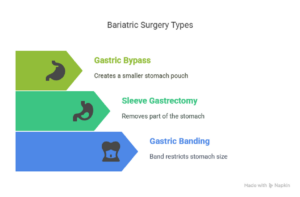
What are the three Types of Bariatric Surgery?

If you are struggling with obesity and have considered bariatric surgery, you might find yourself wondering, What are the three types of bariatric surgery? Understanding the different types of bariatric procedures can help you decide which one might be right for you. As a Leading Bariatric Surgeon in Delhi NCR, I have helped many patients navigate through this decision and understand how each surgery works, its benefits, and how it can help you lead a healthier, more fulfilling life. In this blog, I will break down the three main types of bariatric surgery, explain how they work, and share insights into how they can change your life for the better.

What is Bariatric Surgery?

Before diving into what are the three types of bariatric surgery, let me briefly explain what bariatric surgery is. Bariatric surgery is a surgical procedure designed to help people who are severely overweight or obese, lose weight. These surgeries involve making changes to the digestive system, either by reducing the stomach’s capacity, altering the digestive tract, or a combination of both. The goal of bariatric surgery is not only to reduce the amount of food you can eat but also to help control the hormones related to hunger, satiety, and metabolism, which can contribute to long-term weight loss success. If you’ve struggled with obesity and traditional methods like diet and exercise haven’t worked, bariatric surgery could be a life-changing option. As a Bariatric Surgeon in Delhi NCR, my role is to guide you through the various options, help you understand what each procedure entails, and support you throughout the recovery process. Now, let’s explore what are the three types of bariatric surgery that I typically recommend to my patients. 3 Types of Bariatric Surgery

1. Gastric Bypass Surgery (Roux-en-Y Gastric Bypass)

One of the most commonly performed bariatric surgeries is gastric bypass surgery. Also known as Roux-en-Y gastric bypass, this procedure involves creating a small pouch from the stomach and attaching it directly to the small intestine. The pouch limits the amount of food you can consume, and bypassing a portion of the small intestine reduces calorie and nutrient absorption.

How It Works:

  • Small Stomach Pouch: The top part of your stomach is divided to create a small pouch. This pouch is where the food will go, limiting the amount of food you can eat.
  • Bypassing the Small Intestine: A portion of the small intestine is bypassed, which reduces the number of calories and nutrients your body absorbs from the food and also leads to changes in hormones that regulate satiety and hunger.

Benefits of Gastric Bypass:

  • Significant Weight Loss: Most patients experience substantial weight loss, with a typical loss of 60-80% of excess body weight in the first 12-18 months.
  • Improved Health Conditions: Weight loss after gastric bypass surgery can improve or even resolve obesity-related health problems such as diabetes, high blood pressure, and sleep apnea.

2. Sleeve Gastrectomy (Gastric Sleeve Surgery)

The sleeve gastrectomy is another popular type of bariatric surgery. This procedure involves removing a large portion of the stomach, leaving behind a small, banana-shaped sleeve. This significantly reduces the size of your stomach, limiting the amount of food you can eat and also leads to changes in hunger hormones. Unlike gastric bypass, the digestive tract remains intact, so there is no bypassing of the small intestine.

How It Works:

  • Stomach Reduction: About 75-80% of the stomach is removed, leaving a small sleeve that can hold only a small amount of food.
  • Appetite Hormone Reduction: The part of the stomach that is removed produces hunger-inducing hormones, so patients often experience a reduced appetite after surgery.

Benefits of Sleeve Gastrectomy:

  • Simpler Procedure: Unlike gastric bypass, the sleeve gastrectomy doesn’t require rerouting the intestines, which means fewer complications and a shorter recovery time.
  • Significant Weight Loss: Patients typically lose 50-70% of their excess weight within the first year after surgery.
  • No Nutrient Absorption Issues: Since the small intestine is not bypassed, patients do not have the same risk of nutrient deficiencies as those who undergo gastric bypass.
For many of my patients, the sleeve gastrectomy is an ideal choice, particularly for those who are looking for a straightforward and effective weight loss procedure with fewer risks and complications. If you’re asking, what are the three types of bariatric surgery, the sleeve gastrectomy is definitely a procedure worth considering.

3. Adjustable Gastric Banding (Lap-Band Surgery)

Adjustable gastric banding, often referred to as Lap-Band surgery, is a type of bariatric surgery that involves placing a band around the upper part of the stomach to create a small pouch. This band can be adjusted over time to control the size of the pouch and the amount of food you can eat. The surgery is minimally invasive, and the band can be adjusted or removed as needed.

How It Works:

  • Placement of the Band: A silicone band is placed around the upper part of the stomach. This creates a small pouch that holds only a small amount of food.
  • Adjustability: The band can be inflated or deflated to change the size of the stomach pouch, making it a flexible option for weight loss.

Benefits of Adjustable Gastric Banding:

  • Minimally Invasive: Lap-Band surgery is typically done through small incisions, which means a shorter recovery time and fewer complications.
  • Adjustable: The ability to adjust the band over time allows for personalized treatment, making it a flexible option for weight loss.
  • Reversible: Unlike gastric bypass or sleeve gastrectomy, the Lap-Band can be removed if necessary.
While the adjustable gastric banding procedure has been popular in the past, it has become less common due to its slower weight loss results compared to other bariatric surgeries like gastric bypass or sleeve gastrectomy. However, it may still be an option for patients who prefer a less invasive procedure and are comfortable with slower progress.

Which Bariatric Surgery is Right for You?

which baratric surgery is right for you Now that we’ve discussed “what are the three types of bariatric surgery”, you may be wondering which procedure is best suited to your needs. The right choice depends on various factors, including:
  • Your health condition: Some procedures may be more suitable for patients with specific health conditions such as diabetes or high blood pressure.
  • Your weight loss goals: If you’re looking for quicker and more significant weight loss, gastric bypass or sleeve gastrectomy may be better choices.
  • Your preferences: Some patients prefer a less invasive procedure, such as Lap-Band surgery, due to the flexibility and reversibility it offers.
  • Long-term health considerations: It’s important to consider how each surgery affects nutrient absorption and whether you’re prepared to commit to lifelong dietary changes.
As a Bariatric Surgeon in Delhi NCR, my job is to thoroughly evaluate each patient’s medical history, lifestyle, and weight loss goals to recommend the best procedure. During our consultations, we discuss “what are the three types of bariatric surgery” and explore the advantages and potential risks of each one. I take a personal approach to ensure that you’re well-informed and comfortable with your decision.

Start Your Weight Loss Journey with Dr. Atul Peters!
Contact Now!

Book Your Appointment


Final Thoughts

Bariatric surgery can be a life-changing procedure, helping individuals struggling with obesity achieve significant weight loss and improve their overall health. The three main types of bariatric surgery – gastric bypass, sleeve gastrectomy, and adjustable gastric banding – each have their unique benefits, and the right choice depends on your specific needs and goals. If you’re considering bariatric surgery and wondering about it and about what are the three types of bariatric surgery, I encourage you to reach out and schedule a consultation with me, Dr. Atul Peters, a leading Bariatric Surgeon. Together, we can determine which procedure is the most suitable for you, helping you take the first step toward a healthier, more vibrant future. Remember, bariatric surgery is not just about weight loss – it’s about reclaiming your health and living a better life. Let’s work together to make that happen.

Can Hernia Surgery cause Erectile Dysfunction?

If you’re facing hernia surgery, one question that may be on your mind is: Can hernia surgery cause erectile dysfunction? It’s a concern that many patients have, but fortunately, the answer isn’t as complicated as it seems. As a Hernia Surgeon in Delhi, I’ve worked with many patients who have shared similar worries. Today, I want to help you understand the relationship between hernia surgery and erectile dysfunction, providing you with clear, helpful insights to ease your concerns.

What is a Hernia and Why is Surgery Often Necessary?

A hernia occurs when an organ or tissue pushes through a weak spot in the surrounding muscle or connective tissue. Common types of hernias include inguinal (groin), umbilical, incisional, and hiatal hernias. If you experience a hernia, especially in the abdominal or groin area, surgery is often recommended to avoid complications, such as strangulation or obstruction of the intestines.

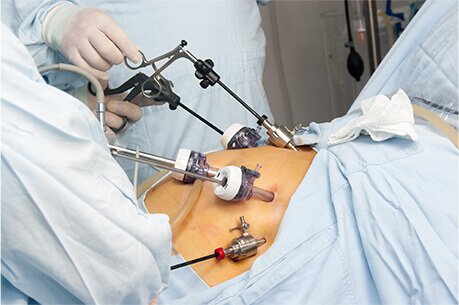
The most common surgical approach is a procedure called hernioplasty or hernia repair surgery, which can be done through traditional open surgery ora minimally invasive robotic and laparoscopic approach. Both methods are aimed at reinforcing the weakened area of the abdominal wall and preventing the hernia from recurring.

However, when any surgery is performed in the lower abdomen or groin area, concerns about potential complications, such as erectile dysfunction, often arise.

Can Hernia Surgery Cause Erectile Dysfunction?

Now, let’s address the big question: Can hernia surgery cause erectile dysfunction? The short answer is: it’s rare, but it’s possible. Let’s break this down further.

1. The Role of Nerves in Hernia Surgery

Erectile dysfunction (ED) refers to the inability to achieve or maintain an erection sufficient for sexual intercourse. The cause of ED can be physical, psychological, or a combination of both.

In the case of lower abdominal hernia surgery, the concern about ED arises from the proximity of certain nerves that control sexual function. Specifically, the genital branch of the genitofemoral nerve, which supplies sensation to the groin and penis, runs through the area where lower abdominal hernia surgery is typically performed. In some rare cases, if these nerves are damaged or irritated during the procedure, it can lead to temporary or, in very rare cases, permanent erectile dysfunction.

However, it’s important to note that the risk of this happening is extremely low when the surgery is performed by a skilled and experienced Hernia Surgeon in Delhi like myself. During surgery, we take great care to avoid damaging these important nerves. Furthermore, the laparoscopic technique for hernia surgery, which uses smaller incisions and specialized instruments, tends to reduce the risk of nerve damage and complications, including erectile dysfunction.

2. Impact of Anesthesia on Erectile Function

Another consideration when it comes to hernia surgery and erectile dysfunction is the use of anesthesia. During surgery, general anesthesia or regional anesthesia is used to keep you comfortable and pain-free. While anesthesia is crucial for the success of the procedure, it can temporarily affect nerve function and circulation.

For example, some men may experience transient erectile dysfunction after surgery due to the effects of anesthesia on the nervous system or blood flow. This is typically a very short-term issue that resolves on its own within a couple of days as the body fully recovers from the anesthesia.

3. Post-Surgery Recovery and Erectile Function

After hernia surgery, it’s common to experience some discomfort, swelling, or bruising around the surgery site. These symptoms are generally temporary and subside as the body heals. However, the physical and emotional stress of recovering from surgery can also affect sexual health temporarily.

The key here is patience and communication with your doctor. For most patients, erectile dysfunction is not a long-term issue, and with time and proper care, sexual function typically returns to perfectly normal. Once the hernia is repaired and the body has healed, many men experience improvements in their sexual health due to the relief from hernia pain and discomfort.

How to minimize the Risk of Erectile Dysfunction After Hernia Surgery

While the risk of erectile dysfunction after hernia surgery is relatively very low, there are a few steps you can take to minimize the chance of complications and ensure a smooth recovery. Here are some tips:

1. Choose a Skilled Hernia Surgeon

One of the most important factors in preventing complications after hernia surgery, including erectile dysfunction, is choosing a highly skilled and experienced Hernia Surgeon in Delhi. A surgeon with experience and expertise in performing hernia repairs will understand the anatomy and risks involved and will take great care to avoid nerve damage and other complications.

2. Follow Post-Surgery Care Instructions

After surgery, it’s essential to follow the post-operative care instructions provided by your surgeon. This includes taking prescribed medications, avoiding heavy lifting or strenuous activity, and attending follow-up appointments. Proper recovery minimizes the risk of complications and ensures that your body heals properly.

3. Be Patient and Communicate with Your Doctor

As with any surgery, recovery from hernia surgery can take time. If you experience any changes in sexual function after surgery, it’s important to be patient and communicate openly with your doctor. In most cases, erectile dysfunction after hernia surgery is temporary and resolves as the body heals.

If the issue persists beyond the expected recovery period, your Surgeon can investigate further and recommend appropriate treatments to address the issue.

4. Maintain a Healthy Lifestyle

Maintaining a healthy lifestyle can also help improve your recovery and prevent complications like erectile dysfunction. Eating a balanced diet, exercising regularly, and managing stress can all promote better circulation, nerve health, and overall well-being, which in turn supports sexual health.

When Should You Be Concerned about Erectile Dysfunction After Hernia Surgery?

While temporary erectile dysfunction is not uncommon after surgery, there are a few signs that may indicate a more serious issue that requires medical attention. If you experience any of the following, you should reach out to your Surgeon:

  • Persistent erectile dysfunction that lasts beyond the typical recovery period.
  • Pain or discomfort in the groin or pelvic area that affects sexual function.
  • Difficulty achieving or maintaining an erection despite other efforts to recover.

In these cases, your doctor may recommend additional tests or treatments to address the underlying cause of erectile dysfunction.

Conclusion

If you’re concerned about erectile dysfunction or any other complications related to hernia surgery, it’s important to speak openly with your surgeon. Communication is key to ensuring a smooth recovery and addressing any concerns you may have. At the end of the day, hernia surgery is intended to improve your quality of life by resolving the pain and discomfort caused by the hernia. If you’ve been living with hernia pain, the surgery may be the solution you’ve been waiting for. If you’re considering surgery or if you have more questions about the process, don’t hesitate to reach out to a trusted Hernia Surgeon in Delhi. I’m here to help you every step of the way, ensuring that you get the best care and experience the fastest recovery possible.

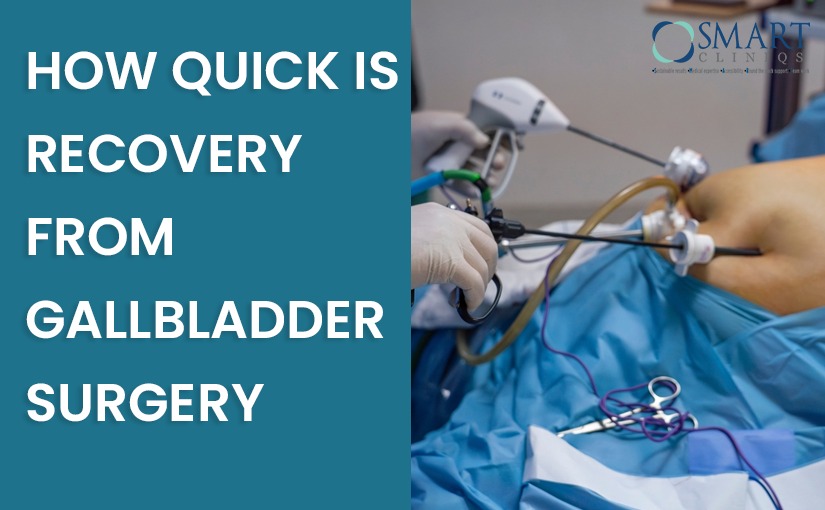
How quick is Recovery from Gallbladder Surgery?

If you’ve been diagnosed with gallstones or other gallbladder-related issues, you might be wondering what the recovery process from gallbladder surgery will look like. While surgery may seem daunting, many patients are pleasantly surprised by how quickly they can return to their normal activities. As a Gallbladder Surgeon in Delhi, I’ve helped numerous patients through the process, and I can tell you that recovery can be relatively smooth if you follow the right steps.

In this blog, I’ll walk you through the recovery timeline after gallbladder surgery, the factors that can influence how fast you heal, and tips for making the process as easy as possible.

What is Gallbladder Surgery?

Gallbladder surgery, also known as cholecystectomy, is typically performed to remove a patient’s gallbladder, often due to gallstones or inflammation. The surgery is usually done robotically or laparoscopically, meaning through small incisions, which are less invasive and lead to a quicker recovery time compared to traditional open surgery.

While this surgery is quite common and considered safe, many people are concerned about the recovery process. They want to know how soon they can return to their normal lives—whether it’s going back to work, resuming exercise, or simply getting back to a routine.

How long Does Recovery take after Gallbladder Surgery?

The short answer is that most patients recover from gallbladder surgery within one to two weeks, especially with laparoscopic surgery. However, the exact recovery time can vary from person to person. Gallbladder Surgery recovery depends on various factors, including your general health, the method of surgery, and how well you follow post-surgery care instructions.

Let’s break it down further.

1. Immediate Recovery: The First 24-48 Hours

Right after the surgery, you will spend a few hours in the recovery room where medical staff will monitor your vital signs. Most patients can go home the same day or the day after the surgery, especially with robotic cholecystectomy. During the first 24 to 48 hours after surgery, it’s normal to feel confused from the anesthesia, and you may experience mild pain or discomfort around the incision sites.

As your Gallbladder Surgeon in Delhi, I will ensure that you receive proper pain management and instructions on how to care for the incision sites. Most patients find that the pain is manageable with over-the-counter painkillers or prescription medications that I provide.

2. The First Week: Getting Back on Your Feet

After the first couple of days, most patients feel much better and can resume light activities. You may still feel some soreness, particularly around the abdominal area, but this usually fades within a few days. It’s important to be active during this time, but avoid any strenuous activities, like lifting heavy objects.

I usually advise my patients to rest if their job involves physical labor or heavy lifting. If you have a desk job, you may be able to return to work within a few days, but it’s important to listen to your body and avoid pushing yourself too hard.

You’ll also be asked to follow a light diet for the first day, gradually reintroducing solid foods on the next day. The gallbladder plays a role in digesting fats, so it’s important to avoid heavy or fatty foods during the early part of your recovery.

3. Two to Four Weeks: Return to Normal Activities and Full Recovery

By the second week, many patients feel well enough and feel to have recovered in full without any major limitations. Most people find they are able to resume light exercise, such as jogging or stretching. Again, listen to your body—if you experience pain or discomfort, it’s important to rest and avoid overexerting yourself.

At this stage, you’ll also be able to start incorporating more foods into your diet, but it’s still important to avoid heavy, greasy, or spicy foods. Your body may take some time to adjust to the absence of the gallbladder, and eating smaller, more frequent, but healthier meals can help with digestion.

After Gallbladder Surgery, we will make sure to follow up with you during this period to ensure you’re healing well and that you have no ongoing issues. Most patients can return to normal eating habits, though it’s still important to maintain a healthy, balanced diet to avoid complications.

Factors That Can Influence Recovery Speed

While the recovery timeline I’ve outlined is typical, there are several factors that can affect how quickly you recover. Let’s take a closer look at them.

1. Your Overall Health

Patients who are generally in good health tend to recover faster than those with other underlying health issues, such as diabetes, heart disease, or obesity. If you’re in good physical condition going into surgery, your body will typically heal faster.

2. The Type of Surgery

Laparoscopic surgery is the most common type of gallbladder removal surgery today. It’s minimally invasive and generally leads to a faster recovery. With the advent of Robotic surgery, which is scarless and least invasive of all, the recovery period has become shorter. Traditional open surgery, which involves a larger incision, may take a bit longer to heal.

3. How Well You Follow Post-Surgery Instructions

Your recovery largely depends on how well you follow the instructions provided by your surgeon. This includes adhering to a healthy diet, being active, taking any prescribed medications, and avoiding strenuous activities during the healing process. The more carefully you follow these guidelines, the quicker you’ll recover.

4. Complications

While complications are rare, they can extend the recovery process. Some potential complications include infection, bile leakage, or injury to nearby organs. As your Gallbladder Surgeon, I will monitor you closely for any signs of complications and address them promptly to avoid delays in your recovery.

Tips for Speeding Up Your Recovery

To help speed up your recovery from gallbladder surgery, here are a few tips:

  • Follow your surgeon’s instructions carefully: This includes taking your medications as prescribed, caring for your incisions, and following dietary recommendations.
  • Avoid heavy lifting and strenuous activities: Give your body time to heal.
  • Stay hydrated: Drink plenty of water to help your body recover and stay energized.
  • Eat light and healthy meals: Focus on smaller, frequent meals that are easy to digest.
  • Get plenty of rest: Don’t push yourself too hard during the first few weeks.
  • Take walks: Walking can help improve circulation and speed up the healing process.

When to Contact a Surgeon During Recovery

While recovery is usually smooth, there are times when you should contact your  Surgeon:

  • If you experience severe pain that doesn’t improve with medication.
  • If you notice any signs of infection, such as fever, redness, or swelling around the incision sites.
  • If you have trouble eating or experience excessive nausea or vomiting.
  • If you experience any unusual symptoms that worry you.

These could be signs of complications, and it’s important to address them as soon as possible to ensure a smooth recovery.

Conclusion

In most cases, gallbladder surgery recovery is quick and straightforward, especially with laparoscopic surgery. Most patients can return to work and daily activities within one week, with full recovery typically taking around two to four weeks.

As a Gallbladder Surgeon in Delhi, I’ve helped numerous patients recover successfully from gallbladder surgery. By following the proper post-surgery guidelines, you can expect to heal quickly and return to your normal life without much disruption.

If you’re considering gallbladder surgery or have questions about the recovery process, feel free to reach out to me for personalized care and guidance. Together, we can ensure that your recovery is as quick and smooth as possible.

Is Weight Loss Surgery Effective?

In today’s world, weight loss has become a top priority for many people, but achieving lasting results is often more difficult than expected. Weight loss surgery, or bariatric surgery, has emerged as a highly effective solution for individuals struggling with severe obesity. But the real question remains: Is weight loss surgery effective?

As the Best Bariatric Surgeon in Delhi, I’ve had the privilege of guiding numerous patients through their weight loss journey. Through my years of experience, I’ve seen firsthand how life-changing these procedures can be. Weight loss surgery is not just about shedding pounds; it’s about regaining health, improving quality of life, and, most importantly, gaining confidence in oneself.

But is it right for you? Let’s break it down.

What is Weight Loss Surgery?

Weight loss surgery involves surgical procedures that help people lose weight by making changes to their digestive system. There are different types of bariatric surgery, but the common goal is to help individuals who have been unable to lose weight through diet, exercise, and other methods.

Bariatric surgery is typically recommended for individuals who are severely obese or morbidly obese, which is defined by a Body Mass Index (BMI) of over 37.5. Here’s a simple breakdown of the BMI chart for easier understanding:

  • Normal: 18 – 22.4
  • Overweight: 22.5 – 27.4
  • Obese: 27.5 – 37.4
  • Morbidly Obese: Over 37.5

If your BMI falls into the higher categories, especially morbid obesity, and you’ve struggled with weight loss despite various efforts, bariatric surgery might be a viable option.

Understanding the Effectiveness of Bariatric Surgery

As the Best Bariatric Surgeon in Delhi, I often get asked if weight loss surgery is truly effective. The simple answer is yes, but let me dive deeper into why.

  1. Significant Weight Loss
    For many patients, bariatric surgery leads to a significant reduction in body weight. While results vary from person to person, it’s not uncommon for patients to lose 50% to 70% of their excess weight (more than the ideal body weight) in the first year after surgery. This drastic change often leads to a reduction in obesity-related health problems, such as high blood pressure, diabetes, sleep apnea, and joint pain.
  2. Improved Health Conditions
    Many patients who undergo bariatric surgery experience a dramatic improvement in their health. For example, Type 2 diabetes, a condition closely linked to obesity, can go into remission in a significant number of cases. High blood pressure and high cholesterol levels also tend to improve post-surgery. This is why bariatric surgery is not just about looking good—it’s about feeling better and leading a healthier life.
  3. Psychological Benefits
    Let’s not forget the psychological benefits. Weight loss surgery has helped many people regain their confidence and self-esteem. It allows individuals to engage in activities they once thought were impossible due to their weight, like hiking, traveling, or simply playing with their children. The emotional and mental transformation is often just as powerful as the physical one.

The Process: What You Need to Know

If you’re considering weight loss surgery, there’s more to it than just going into the operating room. Here’s what you can expect:

  1. Initial Consultation and Evaluation
    The journey begins with a consultation with me as the Best Bariatric Surgeon in Delhi. We’ll discuss your medical history, your current health condition, and your weight loss goals. We’ll also assess your BMI and overall fitness to determine if you’re a good candidate for surgery. It’s important to remember that weight loss surgery is not a quick fix but a commitment to lifelong change.
  2. Preparing for Surgery
    Once we decide together that bariatric surgery is the right path for you, the preparation process begins. This includes dietary changes, exercise, and possibly meeting with a nutritionist or psychologist to ensure you’re mentally and physically ready. Bariatric surgery requires a significant commitment to a healthier lifestyle after the procedure.
  3. The Surgery
    The procedure itself can vary depending on the type of surgery you undergo, but it generally involves making changes to your stomach to restrict the amount of food you can eat. As a result, you’ll feel full with much smaller portions. While the surgery itself is minimally invasive in most cases, it’s important to follow post-surgery instructions carefully to ensure a smooth recovery.
  4. Post-Surgery Care
    After the surgery, you’ll need to make significant lifestyle changes. This includes eating smaller, more frequent meals, engaging in regular physical activity, and getting the right nutrients. The goal is not just to lose weight, but to maintain that weight loss over the long term.

Is Weight Loss Surgery the Right Choice for You?

It’s crucial to remember that weight loss surgery is not a one-size-fits-all solution. As the Best Bariatric Surgeon in Delhi, I ensure that my patients fully understand the potential risks and benefits before making any decisions. Weight loss surgery is a tool, not a guarantee, and the long-term success depends on how committed you are to changing your habits and lifestyle.

If you’ve tried traditional methods of weight loss with no success, and your BMI falls into the obesity or morbidly obese categories, surgery may be a great option. However, surgery isn’t a magic bullet; it requires hard work, dedication, and ongoing support.

How to Maximize the Success of Weight Loss Surgery

To make the most of your weight loss surgery, here are a few key tips:

  1. Commit to a Healthy Diet
    While the surgery restricts the amount of food you can eat, it’s still essential to focus on a balanced, healthy diet. The surgery is not a pass to eat unhealthy foods; in fact, it’s even more important to fuel your body with nutrient-rich, wholesome foods to support your health and energy levels.
  2. Exercise Regularly
    Exercise is crucial for maintaining weight loss and improving overall health. After surgery, you’ll be able to engage in physical activities that were previously challenging. Start slow and gradually increase your activity level to strengthen your body and keep your weight under control.
  3. Follow-Up Appointments
    Regular follow-up appointments with your Best Bariatric Surgeon in Delhi are essential for monitoring your progress and addressing any concerns. These check-ins will help ensure that you stay on track and receive the ongoing support you need.
  4. Mental Health Support
    In many cases, weight loss surgery leads to a significant change in body image, which can have psychological effects. Seeking mental health support, either through counseling or support groups, can be incredibly helpful in navigating the emotional and psychological aspects of this transformation.

Summary

Yes, weight loss surgery can be incredibly effective, especially for those who are morbidly obese and have struggled with weight loss for years. As the Best Bariatric Surgeon in Delhi, I’ve seen countless patients experience life-changing results. The surgery helps not only with weight loss but also with improving overall health, boosting confidence, and leading a more active life.

However, it’s essential to approach bariatric surgery with the right mindset and commitment. It’s a tool that requires significant lifestyle changes and ongoing effort. But for those who are ready, the rewards are well worth the investment.

If you’re considering weight loss surgery, I encourage you to reach out and schedule a consultation. Together, we’ll determine if bariatric surgery is the right step for you, and I’ll guide you through the process every step of the way. Your journey to better health starts here.