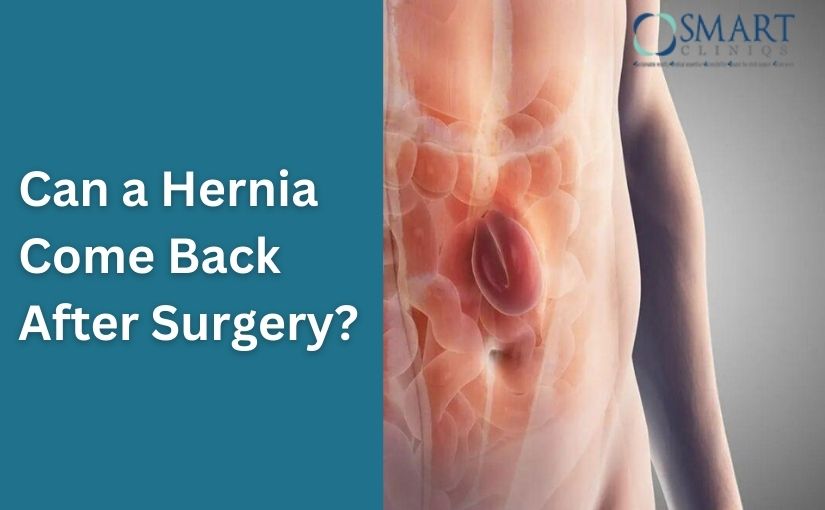
Can a Hernia Come Back After Surgery?

Hernia surgery is often considered a permanent solution to an uncomfortable and sometimes painful condition. Most patients expect that once the surgery is done, the hernia problem will never return. However, many people still wonder: can a hernia come back after surgery?

The honest answer is yes, it can, although it does not happen to everyone. The chances of recurrence depend on several factors, including the type of hernia, the surgical method used, the patient’s health, and postoperative lifestyle habits. Under the guidance of experienced specialists like Dr. Atul Peters, modern hernia surgeries have significantly reduced the risk of recurrence.

This blog explains everything you need to know—why hernias recur, how often they happen, warning signs, prevention tips, and what to do if it happens again.

Can a Hernia Come Back After Surgery?

Can a hernia come back after surgery? Learn about recurrence risks, causes, prevention tips, and how proper care can reduce the chances of hernia returning.

Book Your Appointment Today

Understanding Hernia

A hernia occurs when an internal organ or tissue pushes through a weak spot in the muscle wall. This usually creates a visible bulge and may cause pain or discomfort, especially while lifting, coughing, or standing for long periods.

Common types of hernia include:

  • Inguinal hernia (groin)
  • Umbilical hernia (navel area)
  • Incisional hernia (previous surgery site)
  • Femoral hernia
  • Hiatal hernia

Surgery is the only long-term treatment for most hernias.

Can a Hernia Come Back After Surgery?

Yes, a hernia can come back after surgery, but it does not happen in every case. Hernia surgery is designed to repair the weak area in the muscle wall, but certain factors can cause the repaired area to weaken again over time. This is known as hernia recurrence. With modern surgical techniques and proper recovery care, the chances of recurrence are much lower than before.

Most hernia surgeries today are safe and successful. However, the long-term outcome depends not only on the surgery itself but also on the patient’s health, lifestyle habits, and how well post-surgery instructions are followed.

How Common Is Hernia Recurrence?

Hernia recurrence is not very common, especially with advanced repair methods. The risk varies from person to person and depends on several factors.

In general:

  • Modern hernia surgeries have low recurrence rates
  • Mesh-based repairs reduce the chance of a hernia coming back
  • Larger or complex hernias have a slightly higher risk

Why Does a Hernia Come Back After Surgery?
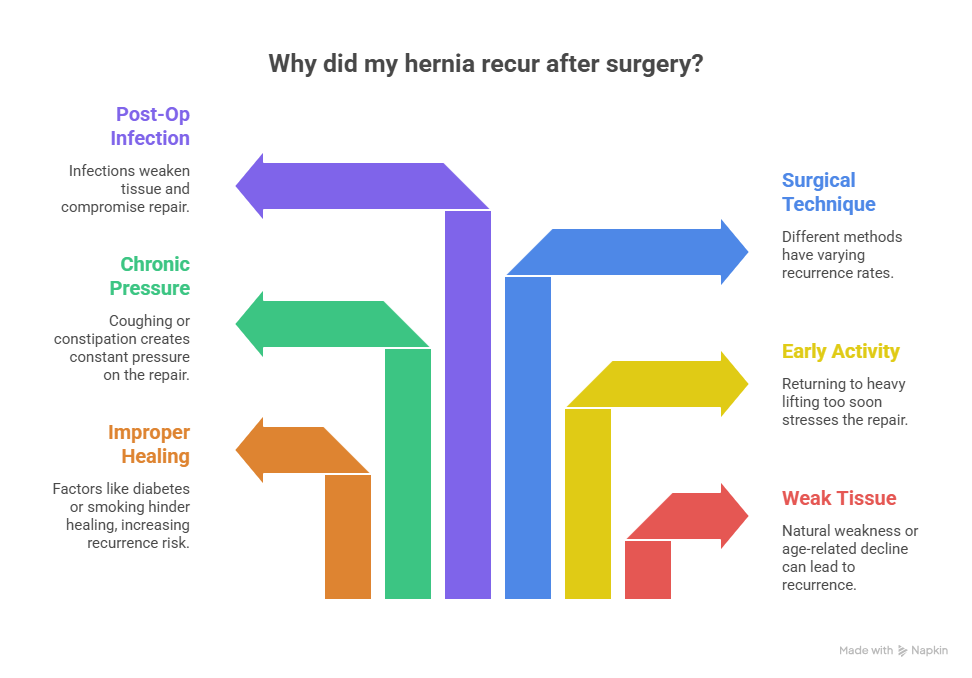
Why Does a Hernia Come Back After Surgery

Understanding the causes of recurrence helps patients prevent future problems.

1. Weak Muscle or Tissue Quality

Some people naturally have weaker connective tissues due to age, genetics, or medical conditions. Even after repair, the surrounding tissue may weaken over time.

2. Improper Healing

Slow or poor healing increases the chance of recurrence. Common reasons include:

  • Diabetes
  • Smoking
  • Obesity
  • Poor nutrition
  • Reduced blood supply to tissues

3. Heavy Physical Activity Too Early

Returning to lifting or intense activity before complete healing puts stress on the repaired area, which can cause failure of the repair.

4. Chronic Cough or Constipation

Constant pressure caused by:

  • Long-term coughing
  • Severe constipation
  • Straining during urination

can weaken the repair and lead to recurrence.

5. Surgical Technique Used

Different repair methods have different outcomes:

  • Mesh repair reduces tension and recurrence
  • Tissue-only repair may stretch over time
  • Laparoscopic methods often provide quicker recovery

Surgeon skill and technique selection are critical.

6. Infection After Surgery

Infections weaken tissue and may compromise the repair, increasing the risk of hernia recurrence.

Warning Signs of a Recurrent Hernia

Early symptoms include:

  • A new or returning bulge
  • Pain or discomfort at the surgical site
  • Pressure when standing or bending
  • Burning or pulling sensation

Ignoring these signs may lead to complications.

How to Reduce the Risk of Hernia Recurrence

Reducing the risk of hernia recurrence requires a combination of proper medical care, healthy lifestyle habits, and careful recovery after surgery. While hernia surgery repairs the weak area, long-term success depends on how well the body heals and how the patient protects the repaired site.
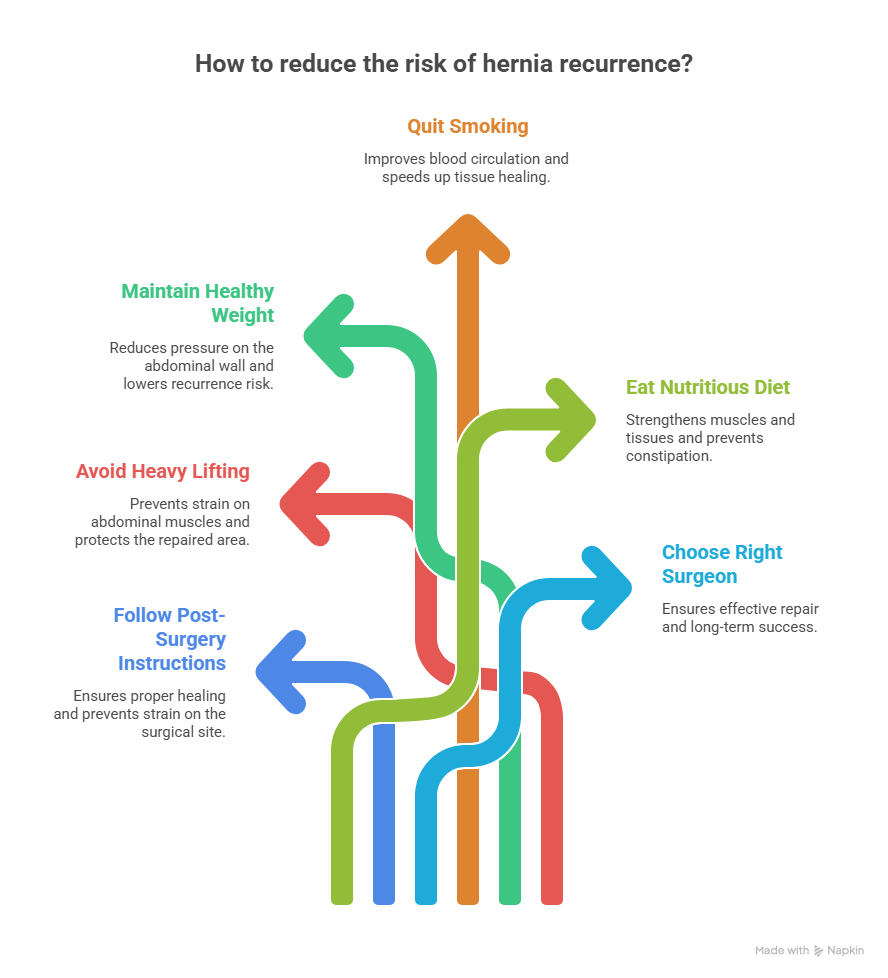
How to Reduce the Risk of Hernia Recurrence

Following the right precautions can significantly lower the chances of the hernia coming back.

1. Follow Post-Surgery Instructions Carefully

One of the most important ways to reduce hernia recurrence is to strictly follow the post-operative instructions given by your surgeon. These guidelines are designed to allow the repaired muscle and tissues to heal properly. Ignoring advice related to rest, movement, or wound care can put unnecessary pressure on the surgical site and increase the chances of the hernia coming back.

2. Avoid Heavy Lifting and Straining

Heavy lifting is one of the biggest causes of hernia recurrence. Lifting weights, carrying heavy objects, or sudden twisting movements can strain the abdominal muscles before they are fully healed. Even after recovery, it is important to use correct lifting techniques and avoid putting excessive pressure on the abdomen to protect the repaired area.

3. Maintain a Healthy Body Weight

Excess body weight increases pressure on the abdominal wall, which can weaken the repaired area over time. Maintaining a healthy weight reduces constant strain on the muscles and lowers the risk of recurrence. Gradual weight loss through balanced nutrition and light physical activity is especially helpful after hernia surgery.

4. Quit Smoking for Better Healing

Smoking negatively affects blood circulation and slows down tissue healing. Poor healing increases the risk of complications and hernia recurrence. Quitting smoking before and after surgery improves oxygen supply to tissues, supports proper healing, and strengthens the surgical repair in the long run.

5. Eat a Nutritious and Protein-Rich Diet

Good nutrition plays a key role in strengthening muscles and tissues after surgery. A diet rich in protein, vitamins, and minerals supports faster healing and improves tissue strength. Proper hydration also helps prevent constipation, which can otherwise cause straining and increase pressure on the repaired area.

6. Choose the Right Surgeon

Choosing the right surgeon and surgical technique is one of the most important steps in reducing the risk of hernia recurrence. An experienced Hernia Surgeon in Delhi, such as Dr. Atul Peters, understands how to assess the type, size, and complexity of a hernia and select the most effective repair method for long-term success. Proper surgical planning, accurate mesh placement, and tension-free repair techniques play a critical role in strengthening the abdominal wall and preventing the hernia from coming back.

Can a Hernia Come Back After Surgery?

Can a hernia come back after surgery? Learn about recurrence risks, causes, prevention tips, and how proper care can reduce the chances of hernia returning.

Book Your Appointment Today

Final Takeaway

A hernia can come back after surgery, but the risk is much lower today thanks to modern surgical techniques and better post-operative care. Most recurrences happen due to factors such as early strain, poor healing, unmanaged health conditions, or lifestyle habits rather than the surgery itself. By following medical advice, avoiding heavy lifting, maintaining a healthy weight, and taking recovery seriously, patients can greatly reduce the chances of a hernia returning and enjoy long-term relief.

Choosing the right surgeon also plays a crucial role in long-term success. Experienced specialists like Dr. Atul Peters focus on precise repair techniques, proper surgical planning, and patient-specific care to minimize recurrence risk. With the right approach, disciplined recovery, and expert guidance, most patients can return to normal daily activities with confidence and peace of mind.

Frequently Asked Questions

Can a Hernia come back after surgery?

Yes, a hernia can come back after surgery, but it does not happen in most cases. Recurrence depends on factors such as the type of hernia, the surgical technique used, the healing process, and lifestyle habits after surgery.

How long after surgery can a Hernia recur?

A hernia may return within weeks, months, or even years after surgery. Most recurrences happen within the first one to two years, especially if the repaired area is exposed to strain too early.

Does Hernia come back after surgery if mesh is used?

Using mesh significantly reduces the risk of hernia recurrence, but it does not eliminate it. In rare cases, infection, poor healing, or excessive pressure on the abdomen can still cause recurrence.

What are the warning signs of a recurrent Hernia?

Common warning signs include a new or returning bulge, pain or discomfort near the previous surgery site, a feeling of pressure, or symptoms similar to the original hernia. Medical evaluation is recommended if these symptoms appear.

Can lifestyle changes prevent Hernia recurrence?

Yes, lifestyle changes play an important role in prevention. Maintaining a healthy weight, avoiding heavy lifting, quitting smoking, managing constipation, and following post-surgery instructions can greatly reduce the risk of recurrence.

 Is repeat Hernia surgery safe if the hernia comes back?

Yes, repeat hernia surgery is generally safe when performed by an experienced surgeon. However, recurrent hernias may require more careful planning due to scar tissue and previous repairs.

When should I consult a doctor after Hernia surgery?

You should consult a doctor if you notice pain, swelling, a bulge, or discomfort at the surgery site, or if symptoms interfere with daily activities. Early consultation helps prevent complications and ensures timely treatment.

Does Bariatric Surgery Lower Blood Pressure?

High blood pressure, also known as hypertension, is one of the most common health conditions linked to obesity. People carrying excess weight often experience increased strain on the heart and blood vessels, leading to consistently high blood pressure levels. Because of this strong connection, many patients ask an important question: does bariatric surgery lower blood pressure?

Does Bariatric Surgery Lower Blood Pressure?

The answer is yes. Bariatric surgery has been shown to significantly reduce blood pressure in many patients, especially when high blood pressure is related to obesity.

Book Your Appointment Today

The answer is yes. Bariatric surgery has been shown to significantly reduce blood pressure in many patients, especially when high blood pressure is related to obesity. In some cases, patients are even able to reduce or discontinue their blood pressure medications under the guidance of a medical professional, such as Dr. Atul Peters.

This blog explains how bariatric surgery helps lower blood pressure, who benefits the most, and what long-term results patients can expect.

Understanding Bariatric Surgery

Bariatric surgery is a medical treatment designed to help people with obesity lose weight when diet, exercise, and medications have not worked effectively. It is not a cosmetic procedure but a health-focused surgery that improves weight-related conditions such as high blood pressure, diabetes, heart disease, and joint problems.

This surgery works by changing how the digestive system handles food. Depending on the type of procedure, bariatric surgery may reduce the size of the stomach, limit how much food a person can eat, or change how nutrients are absorbed. These changes help patients feel full sooner, eat smaller portions, and reduce overall calorie intake.

Link Between Obesity and High Blood Pressure

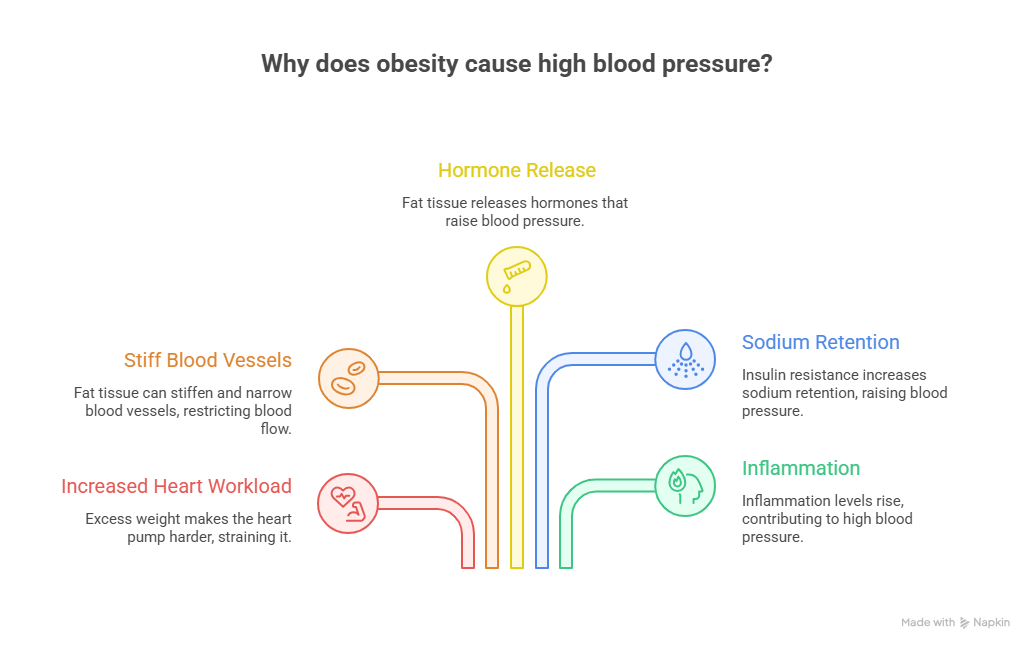
Link Between Obesity and High Blood Pressure

Before understanding how bariatric surgery helps, it’s important to know why obesity causes high blood pressure in the first place.

When a person gains excess weight:

  • The heart has to work harder to pump blood
  • Blood vessels become stiff and narrow
  • Extra fat tissue releases hormones that raise blood pressure
  • Insulin resistance increases sodium retention
  • Inflammation levels rise throughout the body

All these factors combine to push blood pressure higher. Over time, uncontrolled hypertension can lead to heart disease, stroke, kidney damage, and vision problems.

Types of Bariatric Surgery and Their Effect on Blood Pressure

Bariatric surgery includes different procedures, each designed to support weight loss in a specific way. The choice of surgery depends on a patient’s health condition, weight, and medical goals. Below are the most commonly performed types of bariatric surgery: 

1. Sleeve Gastrectomy

Sleeve Gastrectomy is one of the most commonly performed bariatric procedures. In this surgery, a large portion of the stomach is removed, leaving a narrow, tube-shaped stomach. This significantly reduces food intake and helps patients feel full much faster. As weight loss begins, the pressure on the heart and blood vessels decreases, leading to improved blood flow and reduced blood pressure levels. Hormonal changes after sleeve gastrectomy also help lower stress hormones and improve insulin sensitivity, which supports better blood pressure control over time.

2. Gastric Bypass Surgery

Gastric Bypass Surgery works by creating a small stomach pouch and rerouting part of the digestive tract. This not only limits food intake but also changes how the body absorbs calories and nutrients. Because of these metabolic changes, patients often see faster improvements in obesity-related conditions, including high blood pressure. Blood pressure reduction may begin early after surgery due to improved hormone regulation and reduced inflammation, making gastric bypass especially effective for patients with long-standing hypertension.

3. Mini Gastric Bypass

Mini Gastric Bypass is a simplified version of traditional gastric bypass that combines stomach restriction with reduced calorie absorption. This procedure leads to significant and sustained weight loss, which helps reduce strain on the heart. As body weight decreases, blood vessels relax, and kidney function improves, allowing better regulation of fluids and sodium. These changes contribute to steady and long-term improvement in blood pressure levels.

How Bariatric Surgery Helps Lower Blood Pressure

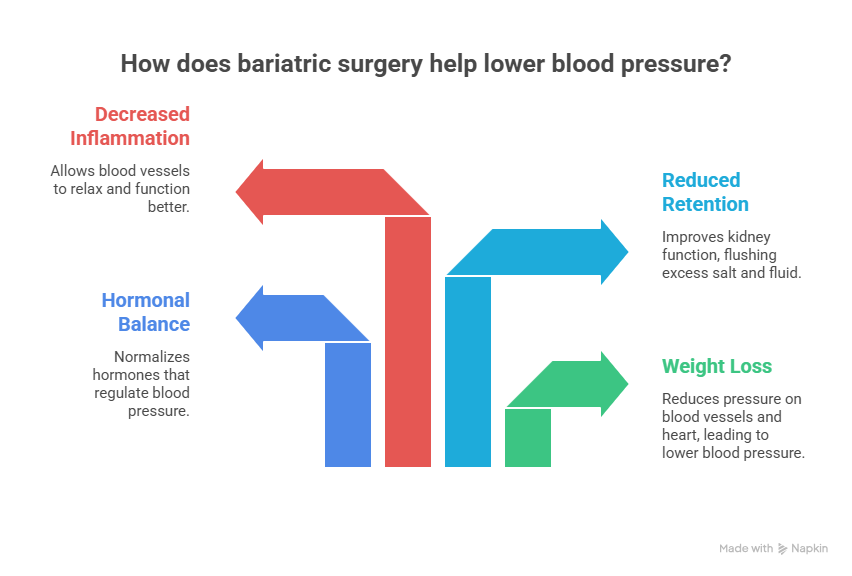
Bariatric surgery is not just about reducing food intake—it creates powerful metabolic and hormonal changes that directly impact blood pressure control.

How Bariatric Surgery Helps Lower Blood Pressure

1. Significant and Sustained Weight Loss

The most obvious benefit is substantial weight loss. Losing excess weight reduces:

  • Pressure on blood vessels
  • Resistance in arteries
  • Workload on the heart

Even a 5–10% reduction in body weight can lead to noticeable blood pressure improvement. Bariatric surgery often results in 25–35% total body weight loss, making the impact much stronger.

2. Improved Hormonal Balance

After bariatric surgery:

  • Stress hormones decrease
  • Insulin sensitivity improves
  • Hormones that regulate appetite and metabolism normalize

These changes help the body maintain healthier blood pressure levels naturally.

3. Reduced Salt and Fluid Retention

Obesity increases sodium retention in the kidneys, which raises blood pressure. Weight loss after surgery improves kidney function, helping the body flush excess salt and fluid, leading to lower blood pressure.

4. Decreased Inflammation

Chronic inflammation caused by obesity damages blood vessels. Bariatric surgery reduces inflammatory markers, allowing blood vessels to relax and function better.

Can Bariatric Surgery Cure High Blood Pressure Permanently?

Bariatric surgery is not a guaranteed cure, but it is one of the most effective long-term treatments for obesity-related hypertension.

Blood pressure may return if:

  • Weight is regained
  • Diet becomes unhealthy
  • Physical activity is ignored
  • Follow-up care is missed

Patients who maintain healthy habits often enjoy long-lasting blood pressure control.

Does Bariatric Surgery Lower Blood Pressure in All Patients?

Bariatric surgery helps lower blood pressure in most patients, but the level of improvement can vary from person to person. Individuals whose high blood pressure is mainly caused by obesity usually experience the most noticeable benefits. As body weight decreases, the heart works more efficiently, blood vessels relax, and hormonal balance improves, all of which support healthier blood pressure levels. Many patients see improvement within a few months of surgery, while others notice gradual changes over a longer period.

However, bariatric surgery may not completely normalize blood pressure in every case. Patients who have had hypertension for many years or who have other medical conditions may still require some medication, although often at a reduced dose. The surgery should be seen as a powerful tool for better control rather than a guaranteed cure for all patients.

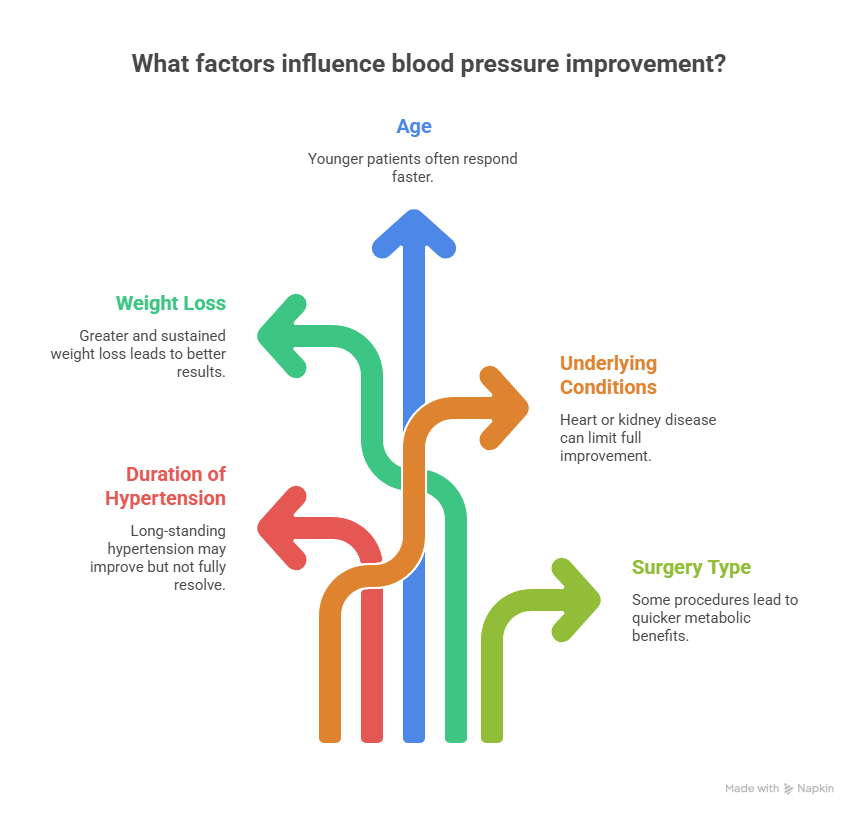
Factors that Influence Blood Pressure Improvement

Factors that Influence Blood Pressure Improvement
  • Duration of high blood pressure: Long-standing hypertension may improve, but not fully resolve
  • Amount of weight loss: Greater and sustained weight loss leads to better results
  • Age of the patient: Younger patients often respond faster
  • Underlying health conditions: Heart or kidney disease can limit full improvement
  • Type of bariatric surgery: Some procedures lead to quicker metabolic benefits

Lifestyle Changes that Enhance Blood Pressure Results

Surgery works best when combined with healthy habits:

  • Low-salt, balanced diet
  • Regular physical activity
  • Stress management
  • Adequate sleep
  • Avoiding smoking and alcohol

These steps help maintain weight loss and protect heart health.

Risks and Considerations

While bariatric surgery is safe when done correctly, it still involves:

  • Temporary nutritional adjustments
  • Regular follow-ups
  • Lifelong lifestyle commitment

Blood pressure must be monitored carefully, especially during rapid weight loss.

Does Bariatric Surgery Lower Blood Pressure?

The answer is yes. Bariatric surgery has been shown to significantly reduce blood pressure in many patients, especially when high blood pressure is related to obesity.

Book Your Appointment Today

Long-Term Studies and Evidence

Long-term medical research consistently shows:

  • Sustained blood pressure reduction
  • Lower cardiovascular risk
  • Reduced heart attack and stroke incidence
  • Improved life expectancy

This confirms that the answer to does bariatric surgery lower blood pressure is strongly supported by scientific evidence.

Final Thoughts

Bariatric surgery has proven to be a highly effective option for managing obesity-related health conditions, including high blood pressure. By promoting significant and sustained weight loss, the surgery helps reduce strain on the heart, improve blood vessel function, and balance hormones that influence blood pressure. Many patients experience better control of hypertension, reduced dependence on medications, and an overall improvement in quality of life when the procedure is combined with healthy eating, regular physical activity, and long-term medical follow-up.

However, the success of bariatric surgery depends greatly on choosing the right procedure and receiving expert care throughout the journey. Consulting a Best Bariatric Surgeon in Delhi ensures proper evaluation, personalized treatment planning, and ongoing support for long-term results. With the right guidance and commitment to lifestyle changes, bariatric surgery can play a transformative role in improving heart health and achieving lasting wellness.

Frequently Asked Questions

Does Bariatric Surgery lower blood pressure permanently?

Bariatric surgery can lead to long-term improvement or remission of high blood pressure. Lasting results depend on maintaining weight loss and healthy lifestyle habits.

Can I stop BP medicines after Bariatric Surgery?

Some patients may reduce or stop BP medicines, but only under a doctor’s guidance. Regular monitoring is essential for safety.

How soon will blood pressure improve after Bariatric Surgery?

Blood pressure often starts improving within a few weeks. Most patients see significant improvement within 3–6 months after surgery.

Which surgery works best for high blood pressure?

Both sleeve gastrectomy and gastric bypass are effective. The best option depends on individual health conditions and medical advice.

Is Bariatric Surgery safe for BP patients?

Yes, it is generally safe when performed by experienced surgeons. Proper evaluation and monitoring help reduce risks.

Is Sleeve Gastrectomy Safe?

Sleeve gastrectomy is one of the most widely performed bariatric procedures for long-term weight management. As obesity continues to increase worldwide, many individuals who fail to achieve lasting results through diet, exercise, and medical treatment begin to consider surgical options. A common concern among patients is whether sleeve gastrectomy is safe, especially when surgery involves permanent changes to the digestive system. Understanding the safety profile of this procedure is crucial before making an informed decision.

When performed for the right medical reasons and under expert supervision, sleeve gastrectomy is considered a safe and effective treatment for obesity and related health conditions. With advanced surgical techniques and strict safety protocols, Sleeve Gastrectomy Surgery in Delhi has become a trusted option for patients seeking sustainable weight loss and improved overall health.

Is Sleeve Gastrectomy Safe?

Is sleeve gastrectomy safe? Learn about benefits, risks, recovery, and candidacy with expert guidance from Dr. Atul Peters for informed weight loss decisions.

Book Your Appointment Today

Understanding Sleeve Gastrectomy

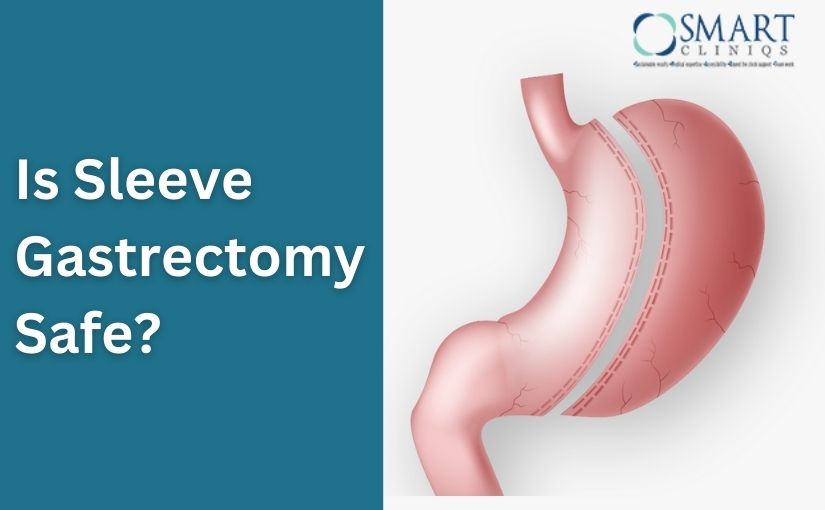
Sleeve gastrectomy, also known as gastric sleeve surgery, is a bariatric procedure in which approximately 70–80% of the stomach is permanently removed. The remaining stomach is reshaped into a narrow tube, which significantly limits food intake and promotes early satiety.

This procedure also reduces the production of ghrelin, the hormone responsible for hunger. As a result, patients experience reduced appetite, better portion control, and improved eating behavior after surgery. Unlike some other bariatric procedures, sleeve gastrectomy does not involve intestinal bypass, which contributes to its favorable safety profile.

Is Sleeve Gastrectomy Safe?

The short answer is yes—sleeve gastrectomy is considered safe when performed on properly selected patients by qualified bariatric surgeons. Like any surgical procedure, it does carry some risks, but serious complications are uncommon when medical guidelines are followed.

Over the years, advances in surgical techniques, anesthesia, and post-operative care have significantly improved safety outcomes. Most sleeve gastrectomy procedures today are performed using minimally invasive laparoscopic methods, which reduce pain, recovery time, and the risk of complications.

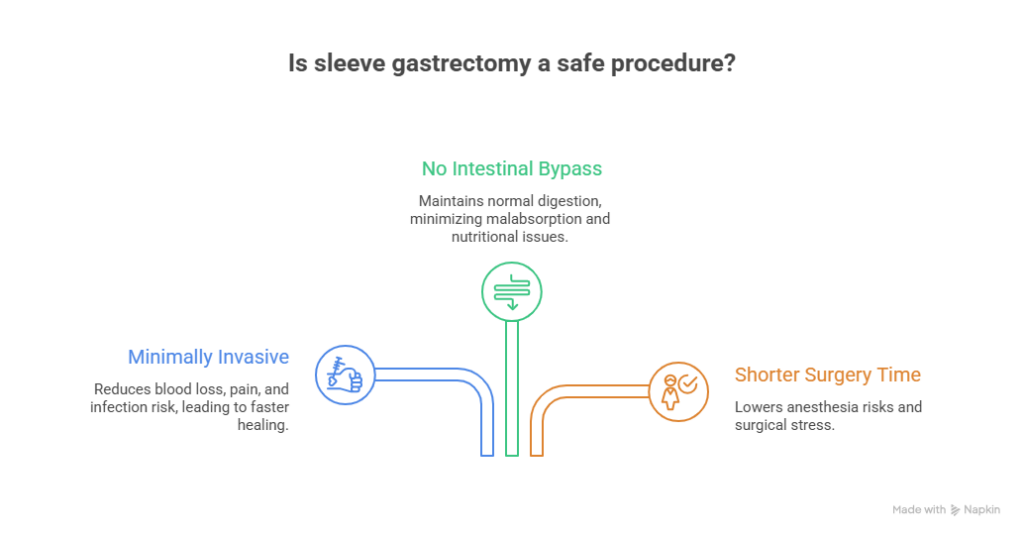
Why Sleeve Gastrectomy Is Considered a Safe Procedure

Why Sleeve Gastrectomy Is Considered a Safe Procedure

1. Minimally Invasive Surgical Technique

Sleeve gastrectomy is typically performed laparoscopically using small incisions rather than a large open cut. This minimally invasive approach results in less blood loss, reduced post-operative pain, lower infection risk, and faster healing. Most patients can walk within a few hours after surgery and return home within one to two days.

2. No Intestinal Bypass

One of the key reasons many patients ask, “is sleeve gastrectomy safe?” is that they are concerned about long-term digestive issues. Unlike gastric bypass surgery, sleeve gastrectomy does not involve altering or bypassing the intestines. Food continues to pass through the normal digestive route, reducing the risk of severe malabsorption and nutritional complications.

3. Shorter Surgery Time

Sleeve gastrectomy typically takes less time to perform compared to more complex bariatric procedures. A shorter surgery duration lowers the risk associated with anesthesia and reduces surgical stress on the body.

Who Is a Suitable Candidate for Sleeve Gastrectomy?

Sleeve gastrectomy is recommended for individuals who meet specific medical criteria and are prepared for long-term lifestyle changes. Suitable candidates typically include those who:

  • Have obesity that has not improved with diet and exercise
  • Suffer from obesity-related conditions such as diabetes, hypertension, or sleep apnea
  • Have attempted medically supervised weight-loss programs without lasting success
  • Are physically and psychologically fit for surgery
  • Are willing to commit to long-term dietary changes and follow-up care

Proper patient selection is one of the most important factors in ensuring surgical safety and successful outcomes.

Medical Evaluation Before Sleeve Gastrectomy

Before recommending sleeve gastrectomy, doctors conduct a comprehensive medical assessment to minimize risks. This evaluation may include:

  • Detailed medical history and physical examination
  • Blood tests to assess metabolic health
  • Heart and lung function tests
  • Nutritional assessment
  • Psychological evaluation

These assessments help identify potential risks early and ensure that surgery is performed safely.

Possible Risks and Complications

Although sleeve gastrectomy is considered safe, it is important to understand potential risks, which may include:

  • Bleeding
  • Infection
  • Leakage along the stomach staple line
  • Acid reflux or heartburn
  • Temporary nausea or vomiting

Serious complications are uncommon, especially when surgery is performed by an experienced Bariatric Surgeon in Delhi. Early detection and timely management further reduce long-term risk.

Long-Term Safety of Sleeve Gastrectomy

Long-term studies show that sleeve gastrectomy is a safe and effective procedure for sustained weight loss. Patients who follow dietary guidelines, maintain physical activity, and attend regular follow-ups typically achieve long-lasting results with minimal complications.

Long-term safety depends on:

  • Balanced nutrition
  • Vitamin and mineral supplementation
  • Lifestyle discipline
  • Ongoing medical monitoring

Health Benefits that Improve Overall Safety

One of the reasons sleeve gastrectomy is widely recommended is its ability to improve or resolve obesity-related medical conditions, including:

  • Type 2 diabetes
  • High blood pressure
  • High cholesterol
  • Sleep apnea
  • Joint and back pain

By reducing these conditions, sleeve gastrectomy lowers long-term health risks and enhances overall quality of life, further supporting its safety.

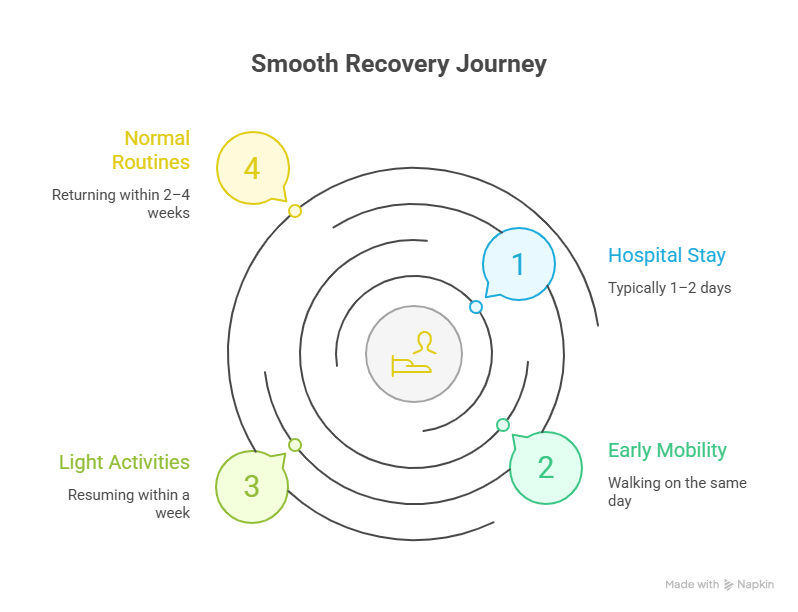
Recovery After Sleeve Gastrectomy

Recovery After Sleeve Gastrectomy

Recovery after sleeve gastrectomy is typically smooth when post-operative guidelines are followed. Most patients:

  • Stay in the hospital for 1–2 days
  • Begin walking on the same day as surgery
  • Resume light daily activities within a week
  • Return to normal routines within 2–4 weeks

Pain is usually mild to moderate and is effectively managed with prescribed medications.

Life After Sleeve Gastrectomy

Long-term safety and success depend on post-surgery care, including:

  • Eating portion-controlled, nutritious meals
  • Avoiding high-sugar and processed foods
  • Taking prescribed supplements
  • Attending regular follow-up appointments

Patients who follow these guidelines generally experience stable weight loss and improved quality of life.

Is Sleeve Gastrectomy Safe for Everyone?

While sleeve gastrectomy is safe for many individuals, it may not be suitable for everyone. It may not be recommended if:

  • BMI does not meet medical criteria
  • The patient is unwilling to follow dietary guidelines
  • There are untreated mental health conditions
  • There is ongoing alcohol or substance abuse

Doctors always evaluate the benefits versus risks before recommending surgery.

Is Sleeve Gastrectomy Safe?

Is sleeve gastrectomy safe? Learn about benefits, risks, recovery, and candidacy with expert guidance from Dr. Atul Peters for informed weight loss decisions.

Book Your Appointment Today

Conclusion

So, is sleeve gastrectomy safe? When performed on the right patient, by an experienced surgeon, and followed by proper lifestyle changes, sleeve gastrectomy is considered a safe and effective bariatric procedure. It offers lasting weight loss and significant improvement in obesity-related health conditions while maintaining a favorable safety profile. As with any surgery, informed decision-making, expert medical care, and long-term commitment are key to achieving the best results.

Consulting an expert such as Dr. Atul Peters ensures ethical evaluation, advanced surgical expertise, and long-term patient support. For individuals considering Sleeve Gastrectomy in Delhi, expert guidance plays a critical role in achieving safe and successful outcomes.

Frequently Asked Questions

Is Sleeve Gastrectomy safe?

Yes, it is considered safe when performed by an experienced bariatric surgeon after proper evaluation.

How risky is Sleeve Gastrectomy?

The risk is low, especially with laparoscopic techniques and structured follow-up care.

Is Sleeve Gastrectomy safer than gastric bypass?

For many patients, yes, because it does not involve intestinal bypass.

How long does recovery take?

Most patients recover within 2–4 weeks.

Can complications occur long-term?

Long-term complications are uncommon when medical and dietary guidelines are followed.

Does Sleeve Gastrectomy cause nutritional deficiencies?

Deficiencies are less common than in bypass surgery, but supplements are still required.

Is Sleeve Gastrectomy permanent?

Yes, the procedure involves permanent removal of part of the stomach.

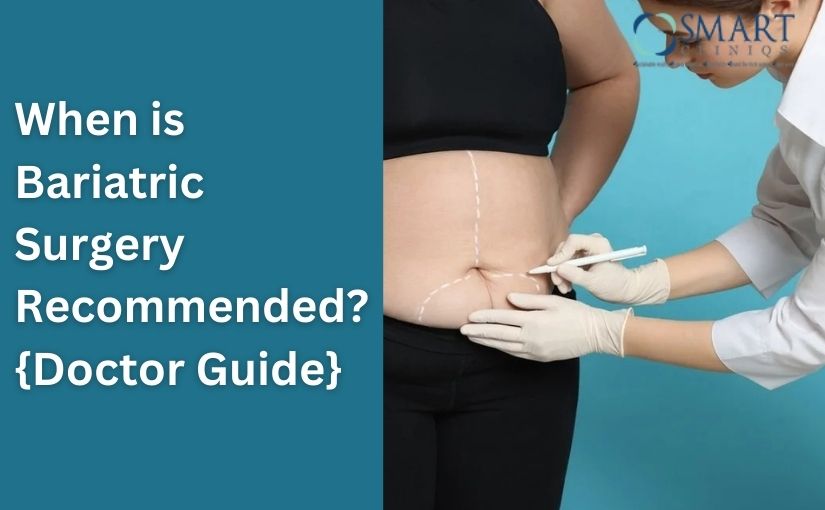
When is Bariatric Surgery Recommended? {Doctor Guide}

Obesity is a chronic and progressive medical condition that increases the risk of several serious health problems, including type 2 diabetes, heart disease, high blood pressure, joint disorders, and sleep-related breathing issues. For many individuals, excess weight persists despite repeated efforts with diet control, exercise programs, and medical management. When obesity begins to interfere with overall health, daily activities, and long-term well-being, surgical intervention may be considered as part of a comprehensive treatment approach.

Understanding when is bariatric surgery recommended is essential for patients who are exploring long-term weight management options. Bariatric surgery is not advised as a first-line treatment but is recommended only after thorough medical evaluation and failure of non-surgical methods. With the availability of advanced surgical techniques and experienced specialists, Bariatric Surgery in Delhi has emerged as a reliable option for eligible patients seeking sustainable weight loss and significant improvement in obesity-related medical conditions.

When is Bariatric Surgery Recommended?

Understanding when is bariatric surgery recommended is essential for patients who are exploring long-term weight management options.

Book Your Appointment Today

Understanding Bariatric Surgery

Bariatric surgery refers to medical procedures that help individuals lose weight by modifying the way the stomach and digestive system function. These surgeries are designed to:

  • Reduce the amount of food the stomach can hold
  • Help patients feel full faster
  • Reduce hunger by affecting appetite-related hormones
  • Improve metabolism and obesity-related health conditions

The main purpose of bariatric surgery is long-term weight loss and improvement in overall health, not quick or cosmetic results.

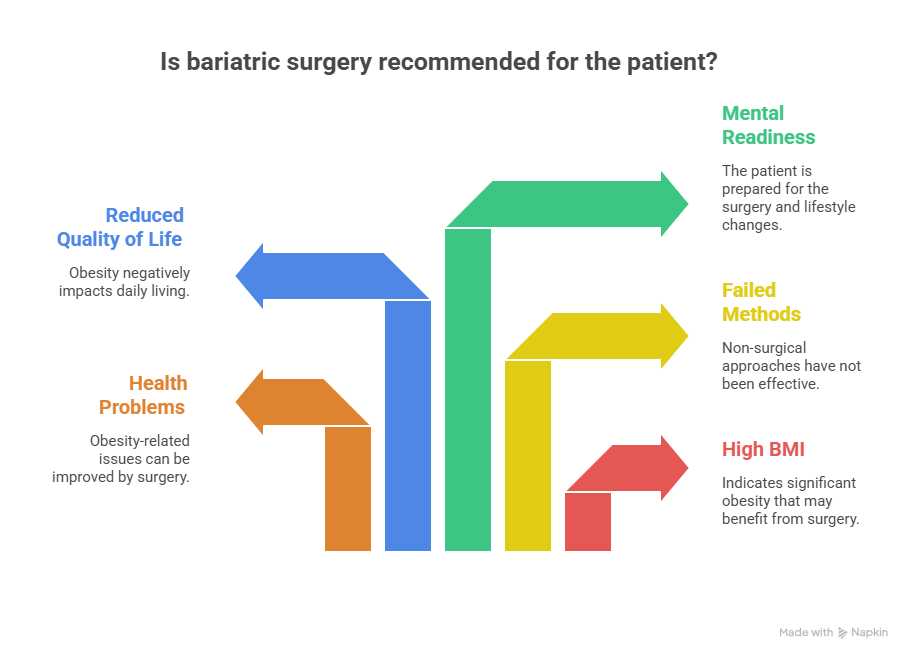
When is Bariatric Surgery Recommended?

Bariatric surgery recommendation for patients

Doctors recommend bariatric surgery only after careful medical evaluation. It is usually advised in the following situations:

1. High Body Mass Index (BMI)

BMI is an important measure to determine obesity levels. Bariatric surgery is commonly recommended when:

  • BMI is 40 or higher, even without other medical problems
  • BMI is 35 or higher with serious obesity-related conditions, such as:
    • Type 2 diabetes
    • High blood pressure
    • Sleep apnea
    • Heart disease
    • Joint or spine problems

In selected cases, surgery may also be considered for people with a BMI between 30 and 35 if diabetes or metabolic conditions are difficult to control.

2. Obesity-Related Health Problems

One of the strongest reasons when bariatric surgery is recommended is when excess weight causes or worsens serious medical conditions, including:

  • Poorly controlled diabetes
  • High cholesterol
  • Fatty liver disease
  • Breathing difficulties
  • Hormonal imbalance
  • Fertility issues
  • Chronic joint pain

When these problems continue despite treatment, surgery may be advised to prevent long-term complications.

3. Failure of Non-Surgical Weight Loss Methods

A very common question is: Do bariatric doctors always suggest surgery? The answer is no.

Doctors recommend surgery only if:

  • Multiple diet plans have been tried but failed
  • Exercise programs were followed consistently
  • Medical weight-loss treatments failed
  • Weight loss was temporary, and the weight was regained

Bariatric surgery is considered only after non-surgical options do not provide desirable results.

4. Reduced Quality of Life Due to Obesity

Bariatric surgery may be recommended when obesity affects daily life, such as:

  • Difficulty walking or climbing stairs
  • Constant fatigue
  • Poor sleep quality
  • Low confidence and social withdrawal
  • Reduced ability to work or travel comfortably

If weight loss can significantly improve physical comfort and mental well-being, surgery may be advised.

5. Mental and Emotional Readiness

Bariatric surgery is a lifelong commitment. Doctors recommend it only if a person is ready to:

  • Follow long-term dietary changes
  • Eat smaller portions permanently
  • Take vitamin and mineral supplements
  • Attend regular follow-ups
  • Maintain an active lifestyle

Without this readiness, surgery may be delayed.

Types of Bariatric Surgery Doctors May Recommend

The type of bariatric surgery depends on BMI, health conditions, and individual needs. Commonly recommended procedures include:

1. Sleeve Gastrectomy

Sleeve gastrectomy is one of the most widely performed bariatric procedures. In this surgery, a large portion of the stomach is removed, leaving behind a narrow, tube-shaped stomach. This significantly reduces the amount of food a person can eat and also lowers the production of hunger-related hormones. As a result, patients feel full sooner and experience reduced appetite. 

2. Gastric Bypass Surgery

Gastric bypass surgery is considered one of the most effective bariatric procedures, particularly for individuals with severe obesity or obesity-related metabolic conditions. The surgery involves creating a small stomach pouch and bypassing a certain section of connecting it directly to a portion of the small intestine. 

3. Mini Gastric Bypass

Mini gastric bypass is a modified and less complex version of traditional gastric bypass surgery. It involves creating a smaller stomach pouch and attaching it to a loop of the small intestine, reducing both food intake and calorie absorption. This procedure typically takes less time to perform and may have a shorter recovery period.

The final decision is made after a detailed medical discussion between the patient and surgeon.

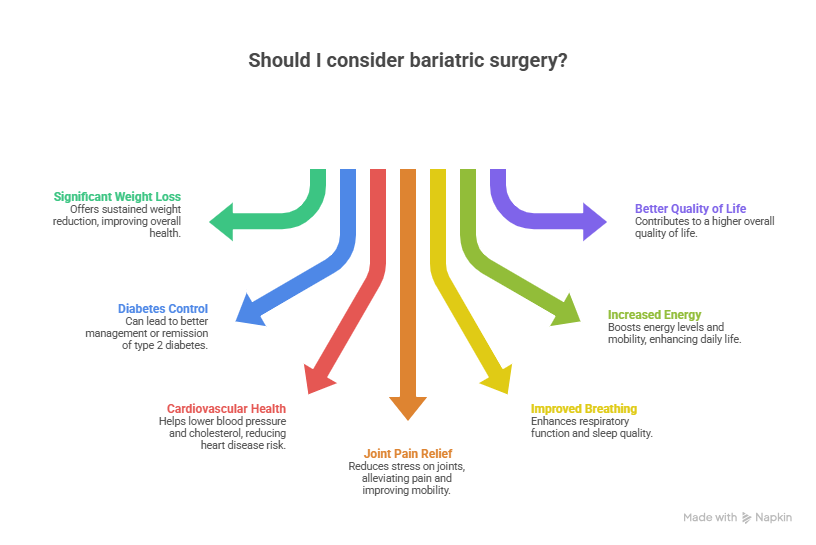
Benefits of Bariatric Surgery When Recommended

When bariatric surgery is recommended at the right time and for the right patient, it can offer several benefits:

  • Significant and sustained weight loss
  • Better control or remission of type 2 diabetes
  • Lower blood pressure and cholesterol
  • Reduced joint pain
  • Improved breathing and sleep
  • Increased energy and mobility
  • Better quality of life

Because of these benefits, Bariatric Surgery in Delhi has become a reliable option for patients meeting proper medical criteria.

Who Should Not Undergo Bariatric Surgery?

Should I Consider Bariatric Surgery

Bariatric surgery may not be suitable for everyone. It is usually not recommended if:

  • BMI does not meet medical guidelines
  • Obesity can be managed through lifestyle changes
  • The patient is unwilling to follow post-surgery rules
  • There are untreated mental health conditions
  • There is ongoing alcohol or substance abuse

In such cases, doctors may suggest alternative treatments.

Life After Bariatric Surgery

Even when surgery is recommended and successfully performed, long-term results depend on patient commitment.

Life after surgery includes:

  • Eating healthy, balanced meals
  • Avoiding high-sugar and junk foods
  • Regular physical activity
  • Lifelong vitamin supplementation
  • Routine medical follow-ups

When is Bariatric Surgery Recommended?

Understanding when is bariatric surgery recommended is essential for patients who are exploring long-term weight management options.

Book Your Appointment Today

Conclusion

Understanding when is bariatric surgery recommended is essential for making informed decisions about long-term weight management and overall health. Bariatric surgery is not advised for everyone and is recommended only after careful medical evaluation, failure of non-surgical weight-loss methods, and assessment of obesity-related health risks. 

When chosen for the right patient and performed at the right time, bariatric surgery can lead to significant and sustained improvements in weight, metabolic health, and quality of life. Consulting an experienced specialist such as Dr. Atul Peters ensures that patients receive ethical guidance, personalized treatment planning, and comprehensive long-term care focused on safety and lasting results.

Frequently Asked Questions

When is Bariatric Surgery recommended?

Bariatric surgery is recommended when BMI is high, obesity-related health problems exist, and non-surgical weight-loss methods have failed.

Do Bariatric Doctors always suggest surgery?

No. Doctors recommend surgery only after careful evaluation and failure of other treatments.

Is Bariatric Surgery safe?

Yes, when performed by experienced surgeons and with proper patient selection.

How much weight can be lost after Bariatric Surgery?

Most patients lose 60–80% of excess weight within 12–18 months.

Is Bariatric Surgery permanent?

The surgery is permanent, but results depend on lifestyle changes.

How long does recovery take?

Most patients return to normal activities within 2–4 weeks.

Can Weight regain happen after surgery?

Yes, if dietary and lifestyle guidelines are not followed.