How Long Does It Take to Recover from Bariatric Surgery?

Bariatric surgery is a life-changing procedure that helps individuals achieve significant weight loss and improve their overall health. However, many people wonder, How long does it take to recover from bariatric surgery? The answer depends on several factors, such as the type of surgery, the patient’s health, lifestyle changes, and post-operative care.

In this detailed guide, we’ll walk you through the bariatric surgery recovery time, what to expect after surgery, tips for a smooth recovery, and when you can return to your normal activities.

How Long Does It Take to Recover from Bariatric Surgery?

“How long does it take to recover from bariatric surgery? The answer depends on factors, such as type of surgery, the patient’s health, and post-operative care.”

Book Your Appointment Today

Understanding Bariatric Surgery

Before discussing the recovery phase, it’s important to understand what bariatric surgery involves.

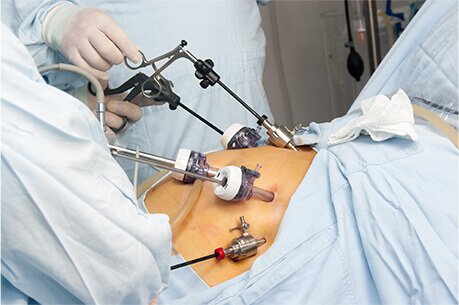
Bariatric surgery includes several types of weight-loss surgeries such as gastric bypass, sleeve gastrectomy, and gastric banding. These procedures help reduce the size of your stomach or change your digestive process, making you feel full faster and consume fewer calories.

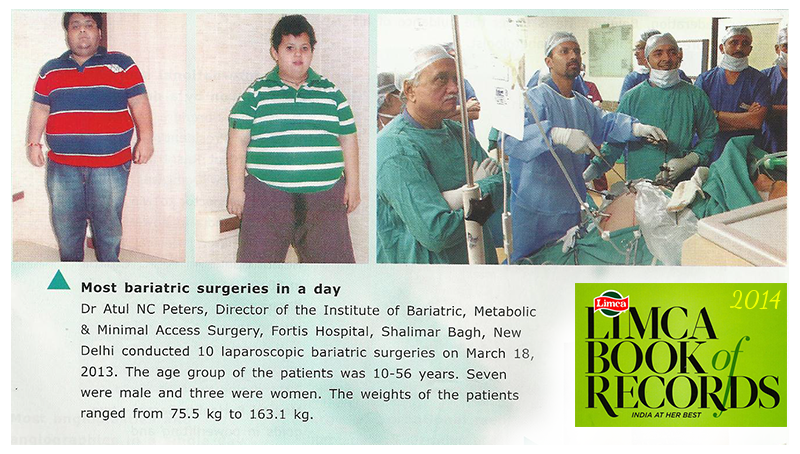
Dr. Atul Peter’s is the Best Bariatric Surgeon in Delhi, performing advanced minimally invasive bariatric surgeries that ensure less pain, faster recovery, and better long-term outcomes.

How Long Does It Take to Recover from Bariatric Surgery?

Generally, recovery from bariatric surgery can take anywhere from 3 to 6 weeks, depending on the type of surgery and your body’s healing capacity. Let’s break it down further:

  • Open Bariatric Surgery: Full Recovery may take 2 to 3 weeks due to larger incisions and longer healing time.
  • Return to Normal Activities: Many patients can resume daily activities and normal routines in about 2-3 days.

However, full internal healing and adjustment to the new digestive process may take several months.

Bariatric Surgery Recovery Timeline
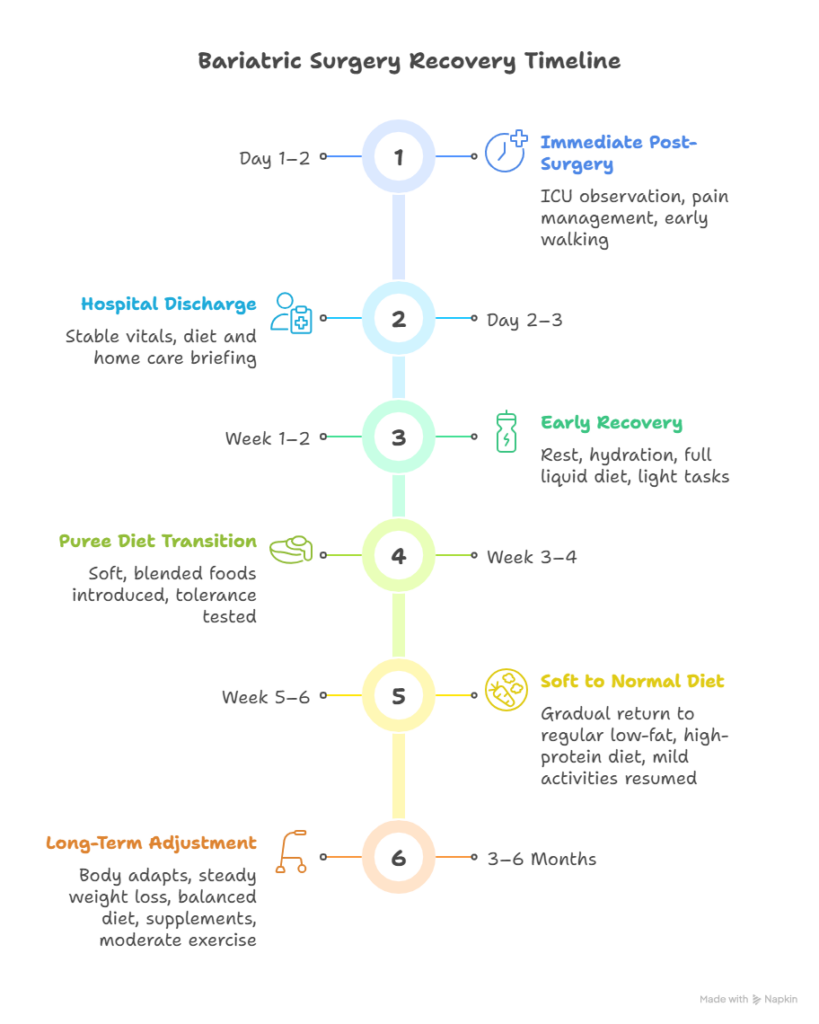
Bariatric Surgery Recovery Timeline

The recovery process happens in stages. Here’s a breakdown of what you can expect during each phase:

1. Immediately After Surgery (Day 1–2)

Once your bariatric procedure is completed, you’ll be shifted from the operating theatre to the post-operative recovery area or ICU for close observation. Pain management, IV fluids, and breathing exercises are provided to ensure comfort and prevent complications. Within a few hours, patients are encouraged to walk short distances to promote circulation and reduce clot risks.

2. Day 2–3: Hospital Recovery and Discharge

If your vital signs are stable and pain is manageable, you’ll be shifted to a private room and discharged within 1–2 days, depending on your age, body weight, and overall health. Before discharge, the dietician and care team will brief you on your home care instructions, including diet, movement, and medication guidance.

3. Week 1–2: Early Recovery and Phase II – Full Liquid Diet

At home, focus on rest, hydration, and gentle mobility. During this stage, your diet progresses to Phase II – Full Liquid Diet, which includes protein-rich fluids such as thin soups, protein shakes, and yogurt-based drinks.
Key tips from Dr. Peters’ post-surgery diet plan:

  • Sip slowly and stop if you feel full or uncomfortable.
  • Avoid skipping meals — eat at regular intervals.
  • Begin using a protein supplement to preserve lean muscle mass.
  • No carbonated beverages or sugary drinks.

Patients can resume basic household tasks within 2–3 days post-discharge, depending on energy levels, but should avoid lifting heavy objects.

4. Week 3–4: Transition and Phase III

By the third week, most patients feel stronger and can start Phase III – Puree Diet. This includes soft, blended foods like dalia, mashed vegetables, lentils, eggs, or soft fruits. Introduce one new food at a time to test tolerance.

Important guidelines:

  • Prioritize protein-rich foods first.
  • Chew slowly and eat small portions (150–200 ml per meal).
  • Avoid meal skipping.
  • Continue light exercise such as walking.

Many patients return to office or remote work during this phase if their job isn’t physically demanding.

5. Week 5–6: Phase IV – Soft to Normal Diet

This stage marks Phase IV – Gradual Transition to Normal Diet. You’ll shift from soft foods to small portions of a regular low-fat, high-protein diet. Avoid the 5 S’s — Sugar, Spirits, Straw, Soda, and Smoking — as they can hinder recovery and cause discomfort or bloating.

Mild activities such as swimming or yoga can be reintroduced after your surgeon’s approval. Energy levels rise noticeably, and your digestion starts adapting to your new stomach capacity.

6. 3–6 Months After Surgery: Long-Term Adjustment

In this long-term phase, your body fully adapts to the changes brought by surgery. Steady weight loss and improved metabolism become evident. Dr. Peters recommends:

  • Maintaining a balanced diet with more proteins and fewer carbohydrates.
  • Taking prescribed vitamins and iron supplements (iron usually begins after 1 month).
  • Avoid overeating by listening to your body’s signals of fullness.
  • Continue moderate physical activity to support sustained results.

Factors Affecting Recovery from Bariatric Surgery

While the average bariatric surgery recovery time ranges from a few weeks to a few months, several factors can influence it:

  1. Type of Surgery: Laparoscopic procedures usually have shorter recovery times.
  2. Overall Health: Healthier patients heal faster than those with pre-existing conditions like diabetes or heart disease.
  3. Post-Operative Care: Following dietary restrictions and exercise guidelines speeds up healing.
  4. Age: Younger patients generally recover faster.
  5. Lifestyle Habits: Non-smokers and those with healthy habits tend to have a smoother recovery.

Tips for a Smooth Recovery After Bariatric Surgery
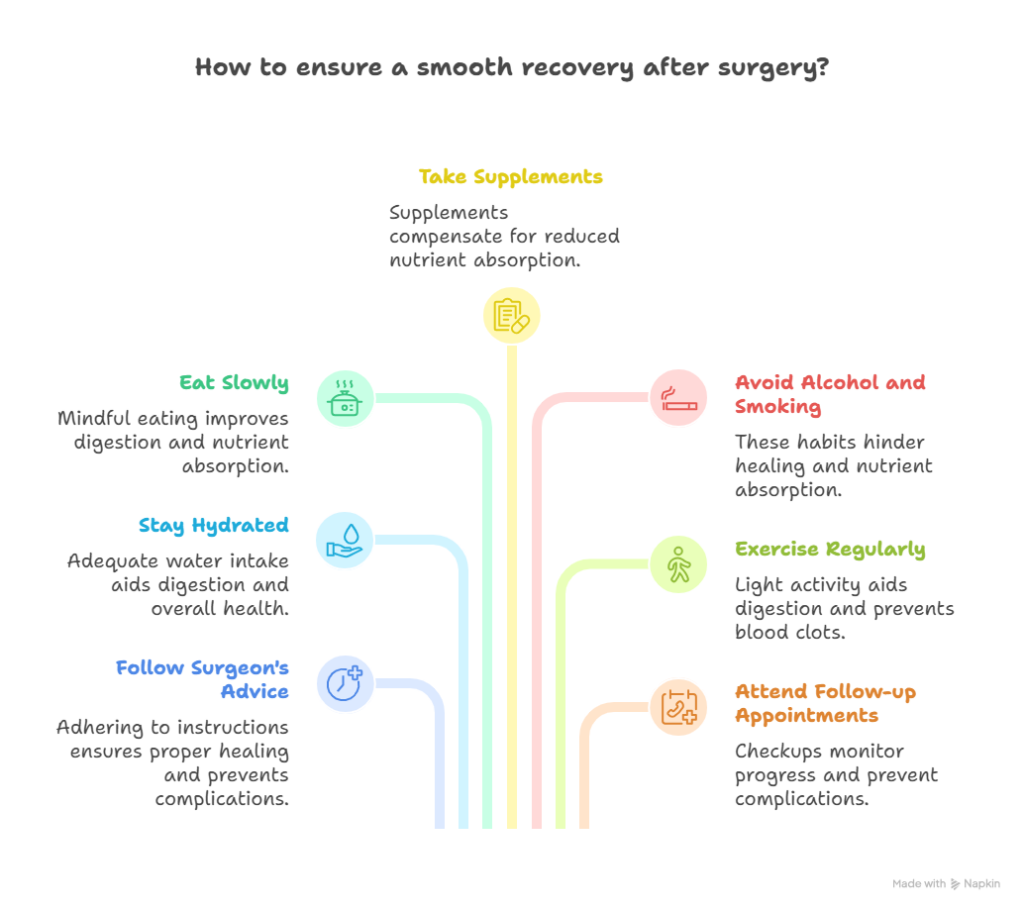
Tips for a Smooth Recovery After Bariatric Surgery

Here are some practical tips to help you recover faster and safely:

  1. Follow Your Surgeon’s Advice: Always adhere to the instructions given by your surgeon and dietitian.
  2. Stay Hydrated: Drink enough water, but avoid gulping large quantities at once.
  3. Eat Slowly and Mindfully: Chew your food well and eat small, frequent meals.
  4. Take Prescribed Supplements: Bariatric surgery can reduce nutrient absorption, so supplements are crucial.
  5. Avoid Alcohol and Smoking: These can interfere with healing and nutrient absorption.
  6. Get Regular Exercise: Light physical activity aids digestion and prevents blood clots.
  7. Attend Follow-up Appointments: Regular checkups with Dr. Atul Peter’s help monitor your progress and prevent complications.

Common Experiences During Recovery

It’s normal to experience a few temporary side effects during your recovery from bariatric surgery, such as:

  • Fatigue or low energy
  • Mild abdominal discomfort
  • Changes in bowel habits
  • Nausea (especially during diet transition)
  • Emotional fluctuations

These effects usually improve as your body adjusts. However, if you experience severe pain, persistent vomiting, or fever, contact your doctor immediately.

Long-Term Recovery and Lifestyle Changes

Bariatric surgery is not just about physical recovery — it’s about adapting to a new lifestyle. Successful weight loss depends on your commitment to healthy habits post-surgery.

You’ll need to:

  • Maintain a balanced diet high in protein and low in sugar.
  • Stay physically active.
  • Continue with prescribed vitamins and minerals.
  • Avoid overeating or skipping meals.

Dr. Atul Peter’s, known as one of the best Bariatric Surgeons, emphasizes the importance of lifestyle transformation for long-term success after surgery.

When Can You Return to Work and Normal Life?

When Can You Return to Work and Normal Life After Bariatric Surgery

Recovery after bariatric surgery is a gradual process that focuses on regaining strength safely and adapting to new lifestyle changes. Under the guidance of Dr. Atul Peters and his multidisciplinary team, patients are encouraged to move early and progressively return to normal life, depending on their overall health, age, and surgical procedure type.

  • Light Activities (Within 2–3 Days):
    Most patients can resume gentle movements such as walking and basic daily activities within 48–72 hours after surgery. This early mobility helps improve circulation, reduce stiffness, and promote faster healing.
  • Return to Work (After 7–10 Days):
    For patients who undergo laparoscopic bariatric surgery, returning to desk or office jobs is generally possible within a week to 10 days, once energy levels stabilize and pain is minimal.
  • Moderate Physical Activities (After 3–4 Weeks):
    By the third or fourth week, you can gradually include moderate activities like long walks, light household chores, or stationary cycling. Always ensure your diet and hydration are well-balanced during this phase.
  • Normal Routine and Exercise (After 6–8 Weeks):
    Around 6 to 8 weeks post-surgery, patients can safely resume their normal routines and start low-impact workouts such as yoga or swimming. Any increase in intensity should be done only after your surgeon’s approval.
  • Heavy Lifting or Intense Workouts (After 3 Months):
    Lifting heavy weights or engaging in strenuous physical exercise is usually permitted after three months, once your surgeon confirms complete healing and your nutritional intake supports recovery.

How Long Does It Take to Recover from Bariatric Surgery?

“How long does it take to recover from bariatric surgery? The answer depends on factors, such as type of surgery, the patient’s health, and post-operative care.”

Book Your Appointment Today

Conclusion

So, how long does it take to recover from bariatric surgery?
While most patients feel better within a few weeks, complete recovery — including internal healing and lifestyle adaptation — may take several months. The key to a successful outcome lies in following your doctor’s guidance, staying committed to dietary changes, and being patient with your body’s healing process. With the expertise of Dr. Atul Peter’s, the Best Bariatric Surgeon in Delhi, you can expect a safe surgery, smooth recovery, and a healthier, more confident life ahead.

Frequently Asked Questions

1. How long does it take to recover from Bariatric Surgery?

Recovery after bariatric surgery is typically quick. Most patients can resume light work and daily activities within 7–10 days, moderate exercise in 3–4 weeks, and full activity in about 6–8 weeks. Complete internal healing and tissue recovery may take up to 3 months, depending on the patient’s health and type of surgery.

2. How painful is the Bariatric Surgery recovery?

Thanks to minimally invasive laparoscopic and robotic techniques, post-surgery discomfort is generally mild. Patients may feel some abdominal soreness or pressure during the first few days, which is effectively managed with prescribed medications and early ambulation.

3. When can I start eating normal food after Bariatric Surgery?

Diet progression after surgery happens in four phases, as outlined in Dr. Peters’ post-operative nutrition plan:

Phase I: Clear liquids (first 2–4 days)

Phase II: Full liquids (up to 2 weeks)

Phase III: Pureed/soft foods (2–4 weeks)

Phase IV: Gradual return to a normal, balanced diet after 4–6 weeks

It’s crucial to follow the dietitian’s guidance and prioritize protein-rich foods while avoiding sugary, oily, and heavy meals.

4. When can I return to work after Bariatric Surgery?

Most patients return to desk jobs within 7–10 days after surgery, depending on comfort and recovery. Those with more physically demanding work may need 2–3 weeks. Always follow your surgeon’s advice before resuming regular professional duties.

5. How soon will I start losing weight?

Visible weight loss typically begins within the first 2–4 weeks after surgery, especially once your diet stabilizes and physical activity increases. On average, patients notice significant results between 3 to 6 months, with steady progress over the first year.

6. What should I avoid after Bariatric Surgery?

Dr. Peters recommends avoiding the “5 S’s” — Sugar, Spirits, Straw, Soda, and Smoking.
These habits can cause bloating, discomfort, and interfere with weight loss or healing. Also, avoid overeating, skipping meals, or drinking liquids with meals.

Can You Lose Weight After Gallbladder Surgery? {Detailed Guide}

Gallbladder surgery, also known as cholecystectomy, is one of the most common surgical procedures performed to remove the gallbladder — usually because of gallstones or gallbladder inflammation. Many people who undergo this surgery often wonder about how it might affect their weight. Some experience weight loss after the procedure, while others notice minor weight gain.

In this blog, we’ll discuss in simple terms whether you can lose weight after gallbladder surgery, what causes these weight changes, how digestion works after the surgery, and what you can do to maintain a healthy weight post-surgery.

Can You Lose Weight After Gallbladder Surgery?

“In this blog, we’ll discuss in simple terms whether you can lose weight after gallbladder surgery, what causes these weight changes, how digestion works after the surgery.”

Book Your Appointment Today

Understanding Gallbladder

The gallbladder is a small pear-shaped organ located just beneath your liver. Its main function is to store bile, a fluid produced by the liver that helps digest fats. When you eat fatty foods, the gallbladder releases bile into your small intestine to aid in fat digestion.

When the gallbladder is removed, the bile flows directly from the liver to the intestine in a continuous stream, rather than being stored and released in controlled amounts. This change in bile flow can temporarily affect digestion, which is why some patients notice mild digestive changes or even slight weight fluctuations after surgery.

Can You Lose Weight After Gallbladder Surgery?

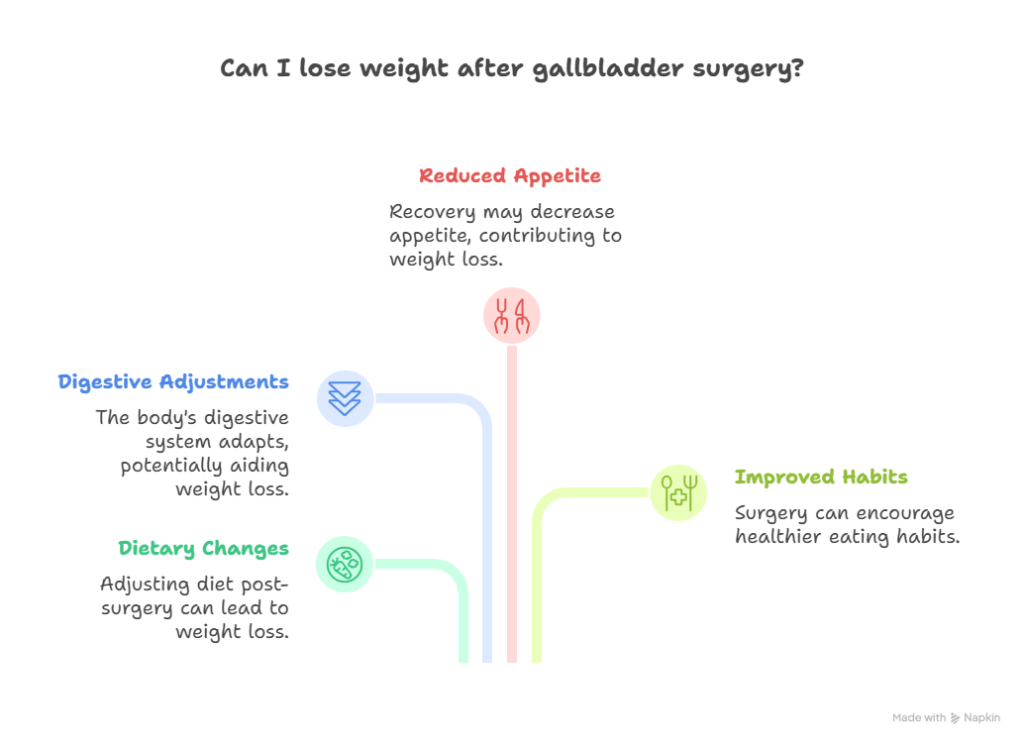
Yes, you can lose weight after gallbladder surgery, but the reasons vary from person to person. Weight loss after surgery is usually due to temporary dietary and lifestyle changes, rather than the surgery itself. Let’s understand why that happens.

Lose Weight After Gallbladder Surgery

1. Dietary Changes After Surgery

After the procedure, your doctor will recommend a low-fat, light diet to help your digestive system adjust to the absence of the gallbladder. During this period, you may eat smaller portions and avoid fatty, fried, or processed foods. Naturally, this leads to reduced calorie intake, resulting in weight loss.

2. Digestive Adjustments

Without the gallbladder, bile flows continuously into your intestines. Initially, your body may not digest fats efficiently, which can cause bloating, diarrhea, or loss of appetite. This reduced fat absorption can contribute to short-term weight loss after surgery.

3. Recovery and Reduced Appetite

Many patients experience a loss of appetite or early fullness after gallbladder surgery. Since your digestive system is still healing, you might eat less than usual, leading to gradual weight reduction in the first few weeks.

4. Improved Dietary Habits

Often, gallbladder problems arise due to a diet rich in unhealthy fats and cholesterol. After surgery, patients are encouraged to eat healthier foods like lean proteins, vegetables, and whole grains. This lifestyle change not only supports recovery but can also lead to sustainable weight loss in the long run.

Why Some People Gain Weight After Gallbladder Surgery

While some people lose weight, others may gain weight after gallbladder surgery. This can happen for a few reasons:

  1. Digestive adaptation: Once your body adapts to the continuous bile flow, fat digestion may normalize, and if you go back to eating high-fat foods, you could gain weight.
  2. Reduced activity: Post-surgery recovery often involves rest and reduced physical activity. Without exercise, calorie burn decreases, making it easier to gain weight.
  3. Comfort eating: Some patients indulge in comfort foods during recovery, especially soft, carb-rich meals, leading to unwanted weight gain.

Maintaining a balanced diet and gradually resuming physical activity can help prevent this.

How Gallbladder Surgery Affects Digestion and Metabolism

After gallbladder removal, bile is less concentrated and continuously flows into the intestines. This means that your body digests fats in smaller, slower quantities. For most people, this doesn’t cause major problems, but it does require a few dietary adjustments:

  • Avoid eating very large or fatty meals.
  • Eat smaller, more frequent meals throughout the day.
  • Focus on foods rich in fiber, lean protein, and complex carbohydrates.

These habits not only aid digestion but also promote healthy weight management after surgery.

Tips to Maintain or Lose Weight After Gallbladder Surgery

Tips to Maintain or Lose Weight After Gallbladder Surgery

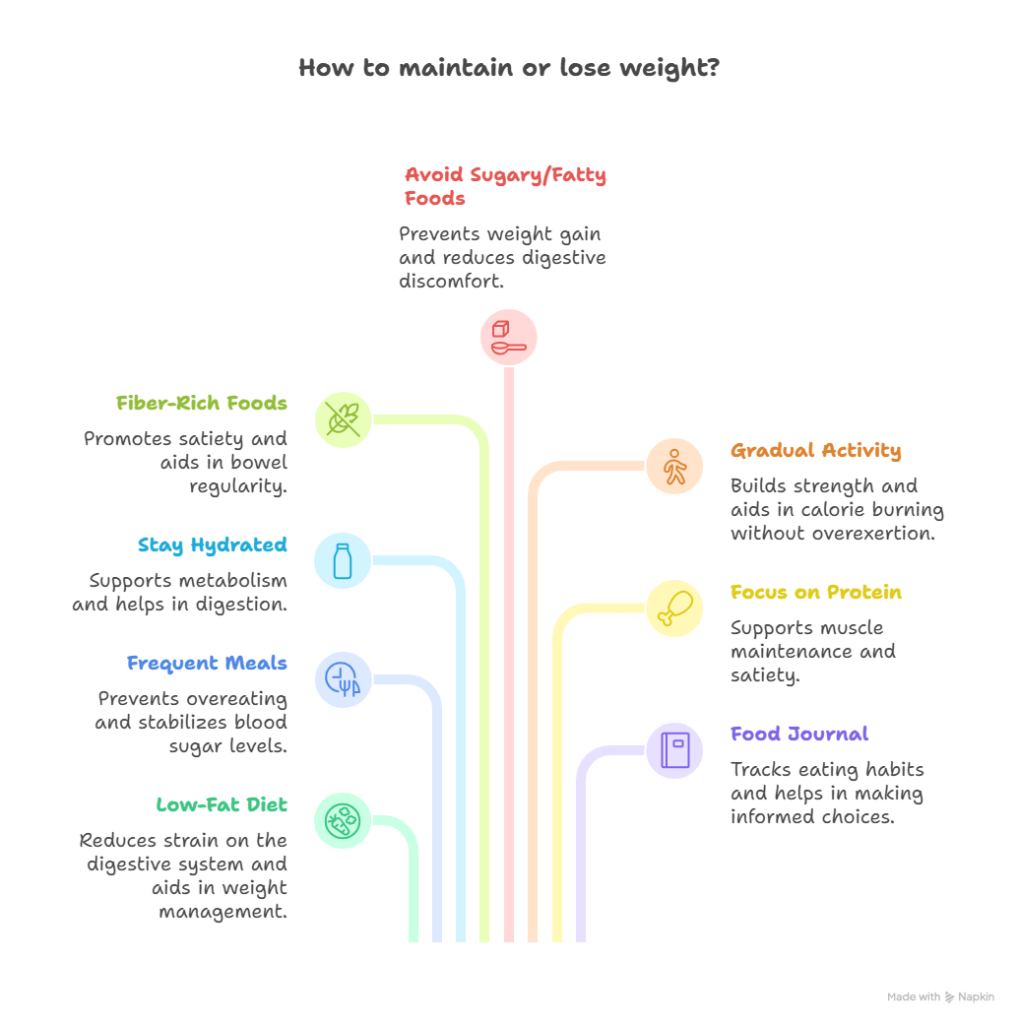
If your goal is to lose weight or maintain your current weight after the surgery, here are some effective and safe tips:

1. Start with a Low-Fat Diet

Stick to easily digestible foods such as soups, steamed vegetables, boiled rice, lean chicken, fish, or lentils. Avoid fried foods, butter, and processed snacks.

2. Eat Smaller, Frequent Meals

This helps your digestive system process food efficiently and prevents bloating or discomfort. Smaller meals also support steady energy levels and calorie control.

3. Stay Hydrated

Drink plenty of water throughout the day. Hydration supports digestion, boosts metabolism, and prevents constipation — a common issue after surgery.

4. Include Fiber-Rich Foods

Gradually add whole grains, fruits, and vegetables to your diet. Fiber promotes bowel regularity and helps you feel full longer, aiding in weight control.

5. Avoid Sugary and Fatty Foods

Limit desserts, sugary beverages, and fried foods. These are harder to digest and can cause discomfort post-surgery.

6. Resume Physical Activity Gradually

Once your doctor approves, start light activities such as walking. Regular physical movement improves digestion, burns calories, and enhances recovery.

7. Focus on Protein

Lean proteins like eggs, tofu, fish, and legumes help you feel full and preserve muscle mass while losing fat.

8. Keep a Food Journal

Tracking what you eat can help you identify patterns that contribute to unwanted weight gain and make healthier adjustments.

When to Consult Your Surgeon or Doctor

You should reach out to your healthcare provider or your surgeon (such as Dr. Atul Peter’s, known for performing the Best Gallbladder Surgery in Delhi) if you experience:

  • Persistent diarrhea or constipation
  • Severe abdominal pain or bloating
  • Continuous nausea or vomiting
  • Unintended or excessive weight loss
  • Difficulty digesting even light foods

These could indicate digestive complications or nutritional deficiencies that need medical attention.

Can Gallbladder Surgery Help in Weight Loss?

Gallbladder surgery itself is not a weight loss surgery. Unlike bariatric procedures that are designed to aid weight reduction, gallbladder surgery’s purpose is to remove a diseased organ.

However, temporary weight loss is common due to:

  • Reduced fat intake post-surgery
  • Digestive changes
  • Improved eating habits

The goal should be to maintain steady and healthy weight management through lifestyle improvements, not rapid or drastic changes.

Long-Term Diet Plan for Healthy Weight Maintenance

Long-Term Diet Plan for Healthy Weight Maintenance

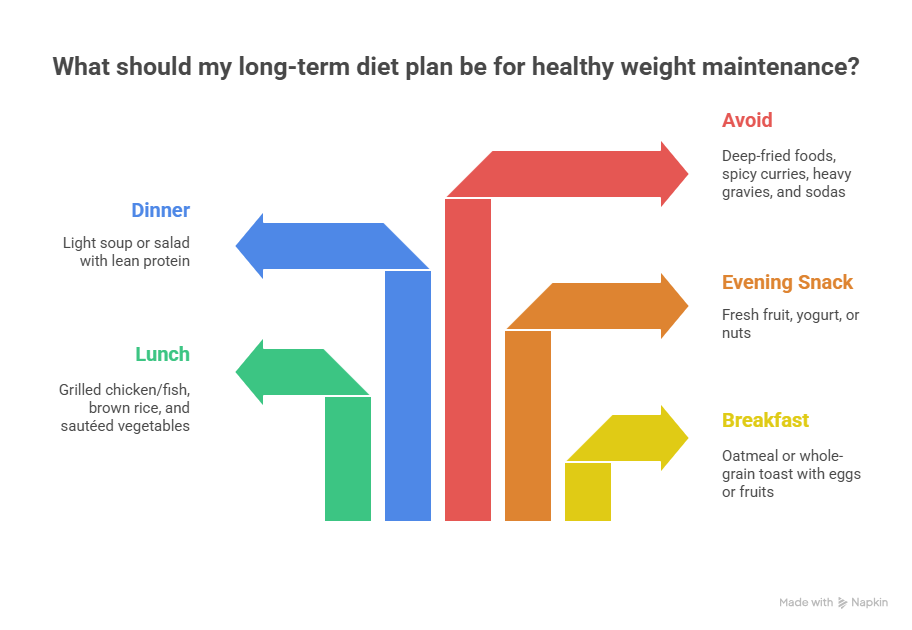
Once your digestion stabilizes (typically within 4–6 weeks), you can follow a long-term diet plan:

  • Breakfast: Oatmeal or whole-grain toast with eggs or fruits
  • Lunch: Grilled chicken/fish, brown rice, and sautéed vegetables
  • Evening snack: Fresh fruit, yogurt, or nuts
  • Dinner: Light soup or salad with lean protein
  • Avoid: Deep-fried foods, spicy curries, heavy gravies, and sodas

This balanced diet supports healthy digestion, prevents fat buildup, and helps maintain a comfortable weight.

Can You Lose Weight After Gallbladder Surgery?

“In this blog, we’ll discuss in simple terms whether you can lose weight after gallbladder surgery, what causes these weight changes, how digestion works after the surgery.”

Book Your Appointment Today

Conclusion

So, can you lose weight after gallbladder surgery? Yes — but it depends largely on your post-surgery diet, activity level, and digestive response. Weight loss after gallbladder removal is usually due to healthier eating habits and temporary digestive changes, not the surgery itself.

By maintaining a balanced diet, exercising regularly, and following your doctor’s advice, you can stay healthy and prevent unwanted weight gain. If you’re considering gallbladder surgery or need expert advice on recovery and diet management, you can consult Dr. Atul Peter’s, who is known for performing the Best Gallbladder Surgery in Delhi with excellent patient outcomes and long-term recovery support.

Frequently Asked Questions

Is it normal to lose weight after Gallbladder Surgery?

Yes, mild weight loss is common after gallbladder surgery. It often occurs due to dietary changes and reduced fat intake during recovery.

How much weight can I expect to lose after Gallbladder removal?

Most people may lose 2–5 kilograms in the first few weeks after surgery. However, this varies for each person and is not permanent unless supported by healthy habits.

Why do some people gain weight after Gallbladder Surgery?

Weight gain can happen if you return to high-fat, processed foods or reduce physical activity during recovery. It’s important to follow a healthy, low-fat diet.

What foods should I avoid after Gallbladder Removal?

Avoid fatty, fried, spicy, and processed foods. Focus on easily digestible, low-fat meals like soups, boiled vegetables, and lean proteins.

Can Gallbladder Surgery help in long-term weight loss?

Gallbladder surgery is not meant for weight loss, but it can encourage better eating habits that lead to healthy, long-term weight management.

Should I take supplements after Gallbladder Surgery?

Your doctor might recommend digestive enzymes or vitamins if your body struggles to absorb fats or nutrients properly.

How to Cure Hernia Without Surgery?

A hernia is a common medical condition that happens when an internal organ or tissue pushes through a weak spot in the muscle or surrounding wall. While surgery is often recommended as the most effective and permanent treatment for a hernia, many people wonder — how to cure hernia without surgery, or if it’s even possible to manage the condition naturally.

In this article, we’ll discuss whether hernia can be cured without surgery, what lifestyle changes or treatments may help, and when medical attention is necessary. The content is designed to help you understand your options in simple, easy-to-follow language.

How to Cure Hernia Without Surgery?

“Many people wonder — how to cure hernia without surgery, or if it’s even possible to manage the condition naturally.”

Book Your Appointment Today

Understanding Hernia

A hernia occurs when part of an organ (usually the intestine) bulges through a weak spot in the muscle or tissue. It can develop in several parts of the body, most commonly:

  • Inguinal hernia (groin area – most common in men)
  • Umbilical hernia (near the belly button)
  • Hiatal hernia (upper stomach area, where the stomach pushes through the diaphragm)
  • Incisional hernia (at the site of a previous surgery)
  • Femoral hernia (upper thigh, near the groin)

A hernia may appear as a lump or bulge that becomes more visible when you cough, lift something heavy, or strain your abdomen.

Can Hernia Be Cured Without Surgery?

Many people ask, “can hernia be cured without surgery?” The honest answer is — a hernia cannot be completely cured without surgery. Once a hernia develops, the weakened area in your muscle wall does not heal on its own. However, it is possible to manage symptoms, prevent worsening, and live comfortably for a period of time through lifestyle modifications, exercises, and medical management — especially if the hernia is small and not causing severe symptoms.

So, while it is not possible to cure hernia without surgery permanently, there are ways to control pain, reduce strain, and prevent complications until surgery becomes necessary or advisable.

Why Surgery is the Only Permanent Cure

Hernia surgery (known as herniorrhaphy or hernia repair) is the only way to fix the weakened muscle wall that allows the hernia to occur. During surgery, the surgeon pushes the protruding organ or tissue back into place and reinforces the weak spot with stitches or a mesh.

Modern advancements such as laparoscopic hernia surgery make the procedure minimally invasive, safe, and highly effective. Experts like Dr. Atul Peter’s, known as the Best Hernia Surgeon in Delhi, perform these surgeries with precision and minimal downtime, allowing patients to recover quickly.

That said, if you’re not yet ready for surgery or your doctor advises waiting, here’s how you can safely manage a hernia without surgery.

Lifestyle Changes to Manage a Hernia Naturally

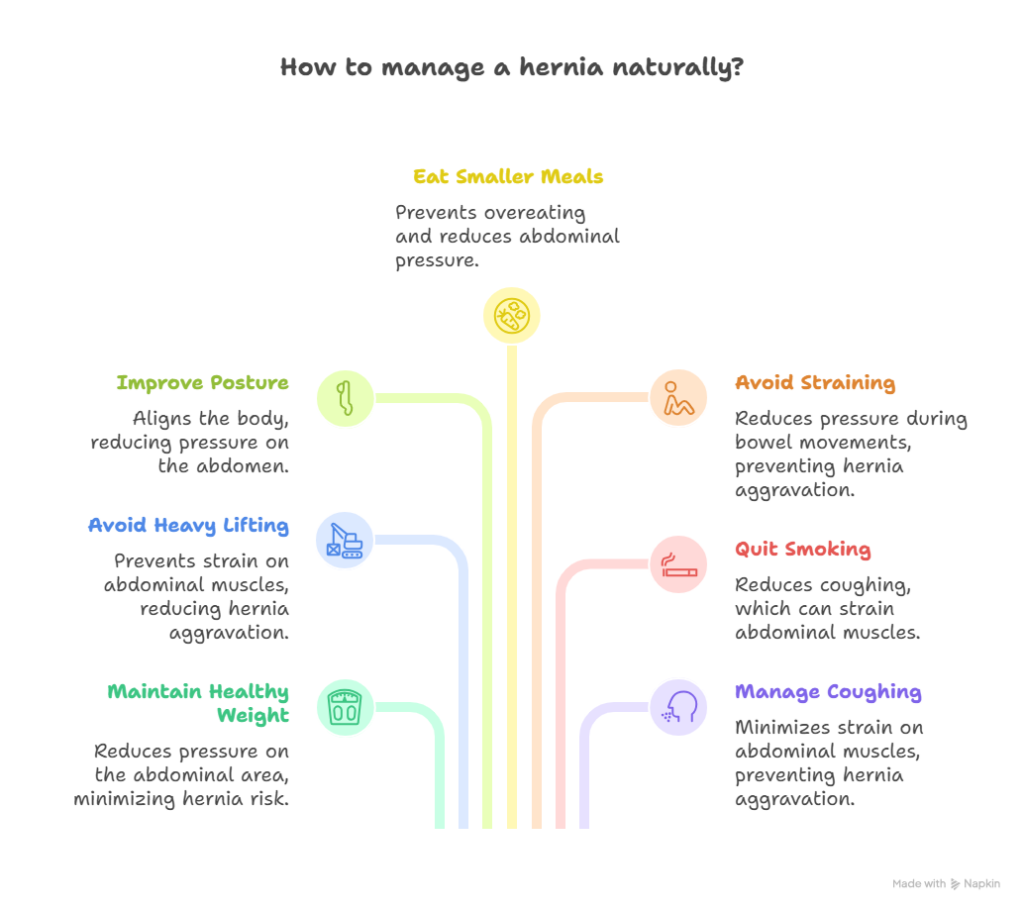
While surgery is the definitive treatment, certain lifestyle changes can help reduce symptoms and prevent the hernia from worsening.

1. Maintain a Healthy Weight

Excess body weight increases pressure on your abdominal wall, which can make a hernia worse. Losing even a small amount of weight can help relieve this pressure. Focus on a balanced diet rich in vegetables, fruits, and lean proteins. Avoid fried and fatty foods that can cause bloating or constipation.

2. Avoid Heavy Lifting

Lifting heavy objects can strain the abdomen and worsen your hernia. If lifting is unavoidable, learn to lift properly — bend your knees, not your waist, and use your legs to lift instead of your back or stomach muscles.

3. Improve Your Posture

Poor posture, especially while sitting for long hours, can put stress on the abdominal area. Sit upright, support your lower back, and avoid slouching to reduce strain.

4. Eat Smaller, More Frequent Meals

For patients with hiatal or umbilical hernia, large meals can increase stomach pressure and worsen symptoms. Eating smaller meals more often can help manage discomfort.

5. Avoid Straining During Bowel Movements

Constipation and straining can put pressure on your abdomen, aggravating your hernia. Increase fiber intake (from fruits, vegetables, and whole grains) and drink plenty of water to keep bowel movements regular.

6. Quit Smoking

Smoking not only weakens connective tissue but also causes chronic coughing — both of which can make hernias worse. Quitting smoking can help reduce these risks significantly.

7. Manage Coughing or Sneezing

If you have a chronic cough or allergy, seek medical treatment. Repeated coughing and sneezing increase abdominal pressure and can enlarge a hernia.

Exercises That Can Help Manage Hernia Symptoms

Gentle, low-impact exercises can strengthen the abdominal muscles and improve support around the hernia. However, avoid intense abdominal workouts or weightlifting, as these can worsen the hernia. Always consult your doctor before starting any exercise routine.

Here are some exercises that may help:

1. Deep Breathing Exercise

Lie flat on your back, take deep breaths into your belly, and exhale slowly. This strengthens the diaphragm and improves blood flow to the abdominal muscles.

2. Pelvic Tilt

Lie on your back with knees bent and feet flat on the floor. Tighten your abdominal muscles and tilt your pelvis slightly upward, holding for a few seconds before relaxing. Repeat 10–15 times.

3. Heel Slides

Lie down on your back, knees bent. Slowly slide one heel away from your body while keeping your abdominal muscles tight. Return to the starting position and switch legs.

4. Yoga Poses

Gentle yoga poses such as Tadasana (Mountain Pose), Setu Bandhasana (Bridge Pose), and Vrikshasana (Tree Pose) can improve posture, strengthen the core, and enhance muscle support.

Natural and Home Remedies for Hernia Management

While home remedies can’t fix a hernia, they can ease symptoms like heartburn, bloating, and pain.

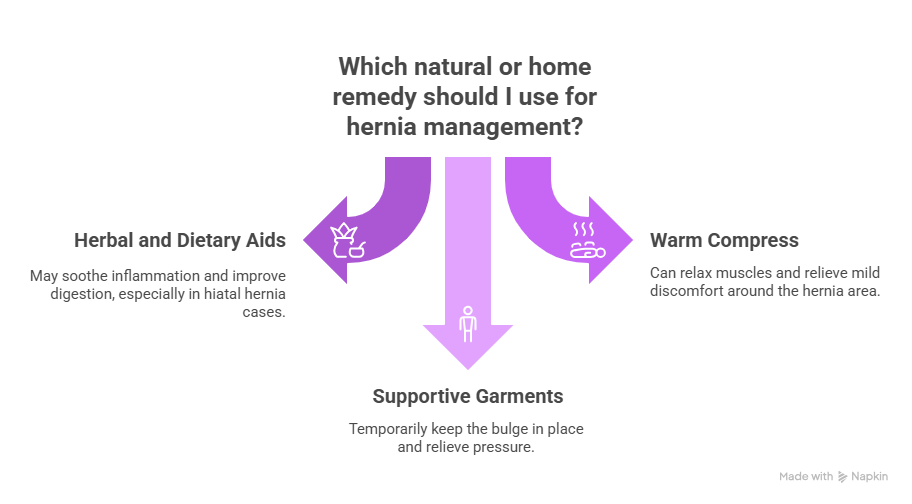
1. Herbal and Dietary Aids

  • Aloe Vera Juice: May help soothe inflammation and improve digestion, especially in hiatal hernia cases.
  • Ginger and Licorice Root: Help relieve acid reflux and stomach irritation.
  • Apple Cider Vinegar (diluted): Can help balance stomach acid levels in some people.

2. Warm Compress

Applying a warm compress can help relax muscles and relieve mild discomfort around the hernia area.

3. Supportive Garments

A hernia belt or truss can temporarily keep the bulge in place and relieve pressure. However, this is not a cure, and long-term use without surgical consultation is not recommended.

What Happens If a Hernia Is Left Untreated?

Ignoring a hernia can lead to serious complications. If the bulging tissue becomes trapped (a condition called incarcerated hernia) or the blood supply is cut off (strangulated hernia), it can cause severe pain, nausea, and even life-threatening situations requiring emergency surgery.

That’s why even if you’re managing your hernia conservatively, regular medical checkups are important.

When to See a Doctor

You should see your doctor or a specialist such as Dr. Atul Peter’s, one of the best Hernia surgeons, if you experience:

  • Increasing pain or swelling at the hernia site
  • Nausea, vomiting, or bloating
  • Redness or tenderness around the bulge
  • The bulge becomes hard or does not go back in when you lie down
  • Difficulty passing stool or gas

These symptoms could indicate a complication that needs urgent medical care.

Medical Management (Non-Surgical Options)

In certain cases, doctors may recommend non-surgical management before or instead of surgery:

  • Observation: For small, painless hernias that aren’t causing symptoms, the doctor may advise regular monitoring.
  • Medication: For a hiatal hernia, medications that reduce acid reflux (like proton pump inhibitors) can help control symptoms.
  • Lifestyle Counseling: Doctors often suggest weight management, diet adjustments, and activity modifications to reduce hernia-related discomfort.

While these approaches can control symptoms, they cannot repair the underlying muscle weakness — meaning surgery is still the ultimate treatment when needed.

Benefits of Modern Hernia Surgery

If your hernia becomes painful or enlarges over time, surgery offers a safe and permanent solution. Laparoscopic surgery, in particular, has many benefits:

  • Minimal pain and scarring
  • Quick recovery (usually within 1–2 weeks)
  • Very low risk of recurrence
  • Safe and precise procedure

Patients treated by Dr. Atul Peter’s, known for performing some of the Best Hernia Surgery in Delhi, often experience smooth recovery and long-term relief.

Precautions to Prevent Hernia from Worsening

If you’re managing your hernia without surgery, follow these precautions:

  • Avoid straining during bowel movements.
  • Don’t lift heavy objects or perform intense exercises.
  • Wear loose, comfortable clothing to avoid abdominal pressure.
  • Maintain a healthy weight and active lifestyle.
  • Eat a fiber-rich diet to prevent constipation.
  • Sleep with your head elevated (for hiatal hernia) to reduce symptoms of reflux.

These steps can help you live more comfortably while delaying the need for surgery.

How to Cure Hernia Without Surgery?

“Many people wonder — how to cure hernia without surgery, or if it’s even possible to manage the condition naturally.”

Book Your Appointment Today

Conclusion

So, is it possible to cure hernia without surgery? The truth is- no, a hernia cannot be permanently cured without surgery. However, with proper lifestyle changes, dietary control, exercise, and medical supervision, you can manage symptoms and prevent complications effectively.

If your hernia causes pain, grows larger, or starts affecting your daily activities, consulting a specialist is crucial. Dr. Atul Peter’s, widely regarded as one of the best Hernia surgeons, offers advanced and minimally invasive hernia treatments that ensure safe recovery and long-term relief.

Remember, the goal is not only to treat the hernia but also to restore your quality of life safely.

Frequently Asked Questions

Is it possible to cure Hernia without surgery?

No, a hernia cannot heal completely without surgery. Non-surgical methods can only help manage symptoms and slow progression.

Can a small Hernia go away on its own?

Small hernias don’t disappear naturally. They might remain the same size for some time but can enlarge or become painful later.

What can I do to reduce Hernia pain naturally?

Avoid heavy lifting, eat light meals, maintain good posture, and apply warm compresses to ease discomfort.

 How can I prevent my Hernia from worsening?

Lose excess weight, eat fiber-rich food, avoid straining, and don’t lift heavy objects.

Can lifestyle changes help avoid surgery?

Lifestyle changes can delay surgery and reduce symptoms, but they can’t permanently repair the hernia.

What foods should I eat if I have a Hernia?

Eat high-fiber foods like fruits, vegetables, and whole grains. Avoid fried, fatty, or spicy foods that cause bloating or acid reflux.

Is Robotic Surgery Better than Laparoscopic?

Minimally invasive surgery has changed how doctors perform complex operations. Instead of large cuts, surgeons now use small incisions, leading to faster recovery and less pain. Among these advanced techniques, two have become very popular—laparoscopic surgery and robotic surgery. Both aim to minimize trauma to the body, but they differ in how they are performed and the technology used.

So, the question many patients ask is — “Is robotic surgery better than laparoscopic?” Let’s understand both methods in detail and see how they compare.

Is Robotic Surgery Better than Laparoscopic?

So, the question many patients ask is — “Is robotic surgery better than laparoscopic?” Let’s understand both methods in detail and see how they compare.

Book Your Appointment Today

Understanding Laparoscopic Surgery

Laparoscopic surgery, often called “keyhole surgery,” involves making small incisions through which a thin tube with a camera (laparoscope) and surgical instruments is inserted. The surgeon views the internal organs on a monitor and operates by hand, manipulating the instruments directly.

This method was revolutionary when it was introduced because it replaced large incisions with smaller ones, reducing recovery time and hospital stay. Laparoscopic surgery is widely used for procedures such as gallbladder removal, hernia repair, bariatric surgery, and appendectomy.

Advantages of Laparoscopic Surgery:

  • Smaller incisions and less visible scarring
  • Reduced postoperative pain
  • Shorter hospital stay
  • Faster recovery compared to open surgery
  • Lower risk of infection

However, laparoscopic surgery also has some limitations. The surgeon’s instruments are rigid and can move only in limited directions. The surgeon’s vision is two-dimensional, which can make complex procedures challenging. This is where robotic surgery brings innovation.

Understanding Robotic Surgery

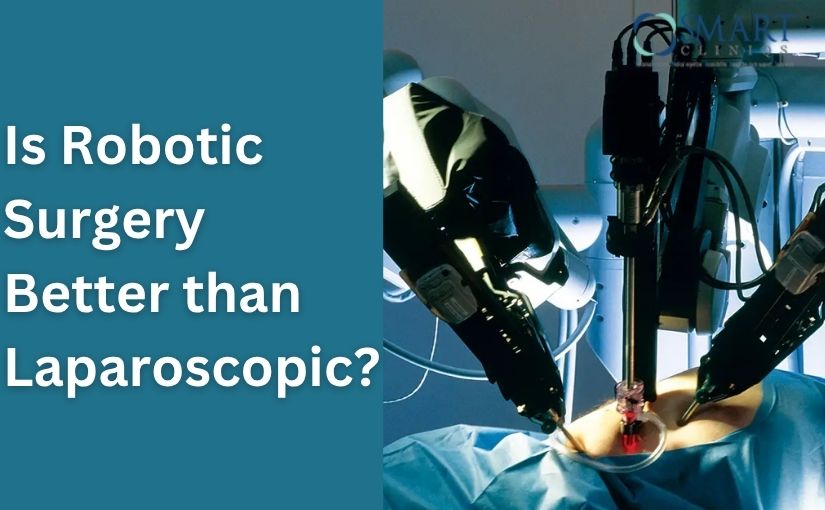
Robotic surgery is the next step in minimally invasive technology. In this technique, the surgeon controls robotic arms through a computer console. The robot mimics the surgeon’s hand movements with extreme precision and provides a 3D, high-definition view of the surgical site.

The robotic system filters out natural hand tremors, allowing for smoother and more accurate movements. Dr. Atul Peter’s, is the Best Robotic Surgeon in Delhi, uses advanced robotic platforms for complex procedures, especially in bariatric and hernia surgeries, offering patients improved precision and outcomes.

Advantages of Robotic Surgery:

  • Greater precision and control
  • 3D visualization of internal structures
  • Ability to access hard-to-reach areas
  • Minimal blood loss
  • Quicker recovery time
  • Reduced postoperative pain

Key Differences Between Robotic and Laparoscopic Surgery

When comparing robotic surgery vs laparoscopic surgery, both share the same goal: to perform surgeries with minimal trauma to the body. However, the technology and control mechanisms differ significantly.

Aspect Laparoscopic Surgery Robotic Surgery
Control Surgeon directly controls instruments by hand. Robotic arms are controlled by the surgeon through a console.
Vision 2D video view from the laparoscope. 3D, high-definition vision with depth perception.
Precision Limited by human hand stability and tremors. Enhanced by robotic arms that filter tremors for smooth motion.
Flexibility Rigid instruments with limited range of motion. Instruments move in multiple directions with wrist-like flexibility.
Ergonomics Surgeon stands for long periods, leading to fatigue. Surgeon operates while seated at a console, improving comfort and focus.
Cost More affordable and widely available. Higher cost due to advanced robotic systems and maintenance.
Learning Curve Commonly practiced with standard training. Requires specialized training and certification for robotic systems.

How Robotic Surgery Works

Robotic surgery is performed using a robotic system that consists of three main components:

  1. Surgeon Console:
    The surgeon sits at this console and controls the robotic arms using hand and foot controls.
  2. Patient-side Cart:
    This part holds the robotic arms and surgical instruments that perform the actual surgery.
  3. Vision Tower:
    It provides high-definition, magnified 3D images of the surgical site.

Every movement made by the surgeon is precisely translated into real-time robotic movements, ensuring extreme accuracy. The robot cannot move on its own—it only responds to the surgeon’s commands.

Advantages of Robotic Surgery Over Laparoscopic Surgery

Advantages of Robotic Surgery Over Laparoscopic Surgery

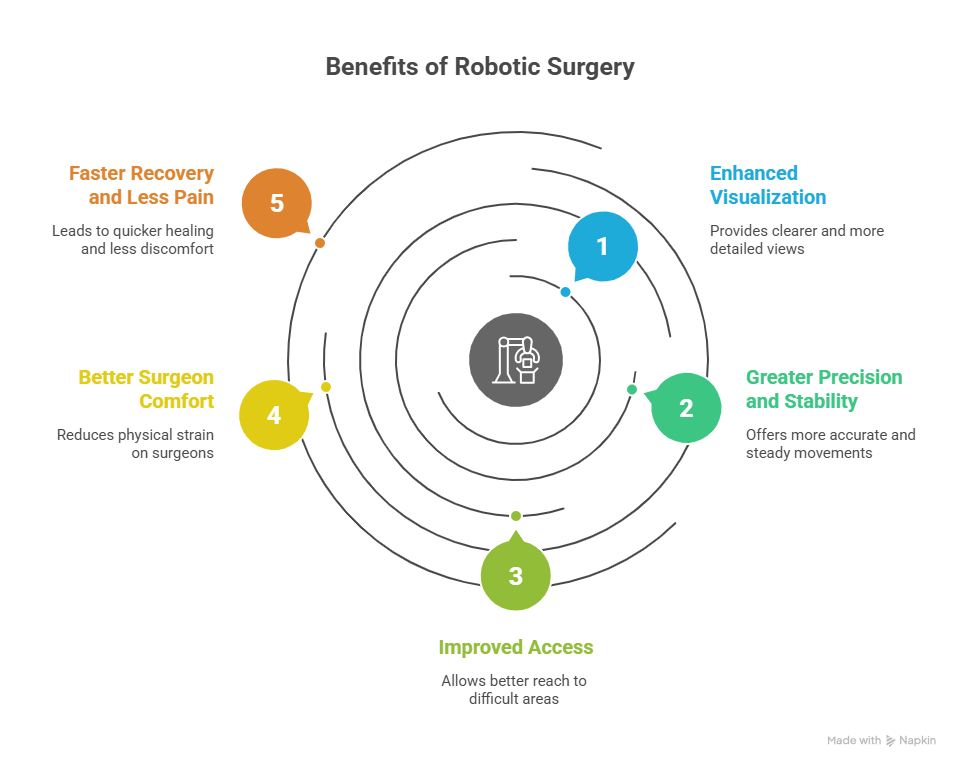
The major benefit of robotic surgery lies in its precision, flexibility, and visualization. Here’s why many surgeons and patients consider robotic surgery superior in certain cases:

1. Enhanced Visualization

Robotic systems provide a 3D magnified view, helping surgeons see even tiny structures like nerves and blood vessels clearly. This is a huge improvement over the 2D view of traditional laparoscopy.

2. Greater Precision and Stability

The robotic arms can make highly controlled movements without tremors. This precision reduces tissue damage and improves surgical outcomes.

3. Improved Access

Robotic instruments can rotate 360 degrees and move in directions that the human hand cannot. This allows access to difficult anatomical areas, making complex surgeries easier and safer.

4. Better Surgeon Comfort

Unlike traditional laparoscopy, where surgeons must stand for long hours, robotic surgery allows them to operate from a console in a comfortable seated position. This reduces fatigue and improves focus.

5. Faster Recovery and Less Pain

Due to smaller incisions and minimal tissue damage, patients experience less postoperative pain, fewer complications, and quicker recovery times.

When Laparoscopic Surgery is Still a Good Choice

While robotic surgery offers many benefits, laparoscopic surgery is still a great choice for many procedures. It remains more cost-effective and is widely available. For simpler surgeries that don’t require high precision or access to complex areas, laparoscopy works perfectly well.

For example, standard gallbladder removal or appendectomy can be effectively performed through laparoscopy. The technology required for robotic surgery is not necessary for these straightforward cases.

When Robotic Surgery is Recommended

When Robotic Surgery is Recommended

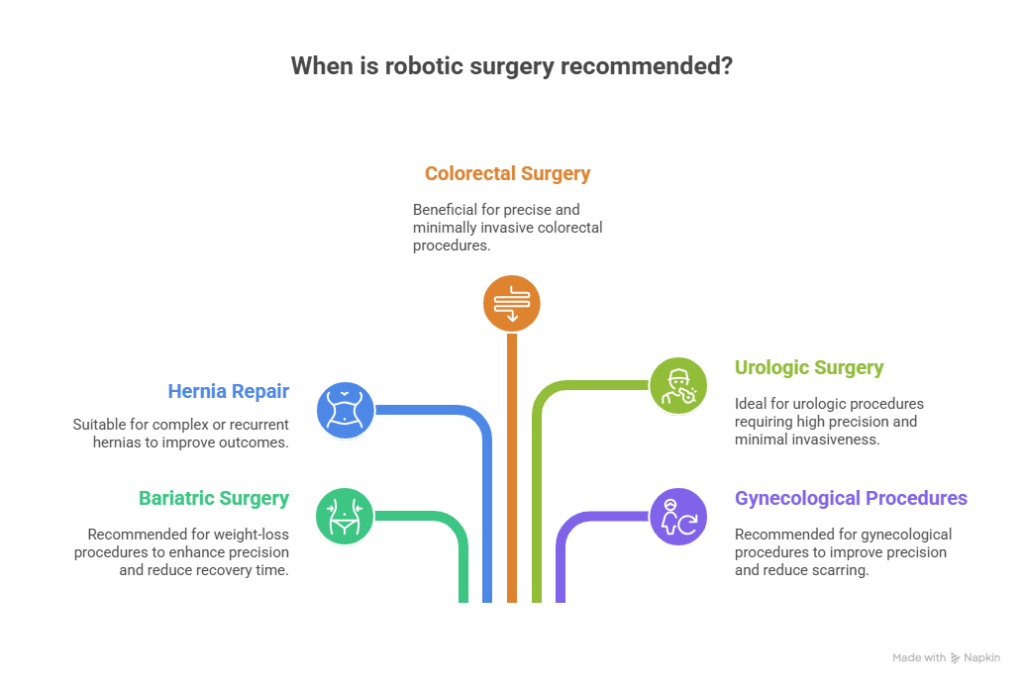
Robotic surgery is particularly beneficial for:

  • Bariatric Surgery (Weight-loss procedures)
  • Hernia Repair (especially complex or recurrent hernias)
  • Colorectal Surgery
  • Urologic Surgery
  • Gynecological Procedures

For patients requiring high precision or those who have undergone previous surgeries leading to scarring, robotic systems can offer better visualization and control.

Many patients in Delhi prefer robotic procedures because of the expertise offered by specialists like Dr. Atul Peter’s, who is recognized as the Best Robotic Surgeon in Delhi.

Risks and Limitations

Both laparoscopic and robotic surgeries are safe when performed by experienced surgeons. However, like any medical procedure, they carry certain risks such as:

  • Bleeding
  • Infection
  • Adverse reaction to anesthesia
  • Technical issues (rare in robotic systems)

One of the main limitations of robotic surgery is cost. The robotic systems and instruments are expensive, making the procedure costlier than laparoscopy. However, many patients find the faster recovery and reduced complications to be worth the cost.

Comparing Outcomes

Studies have shown that robotic surgery often leads to:

  • Less blood loss during surgery
  • Fewer complications
  • Shorter hospital stays
  • Quicker return to normal activities

However, the success of any surgery depends largely on the skill and experience of the surgeon, rather than just the technology used. The best outcomes come from choosing a skilled and experienced surgeon who can determine which approach is most suitable for your condition.

Is Robotic Surgery Better than Laparoscopic?

So, the question many patients ask is — “Is robotic surgery better than laparoscopic?” Let’s understand both methods in detail and see how they compare.

Book Your Appointment Today

How to Choose Between Robotic and Laparoscopic Surgery

Here are a few points to consider when deciding between the two:

  1. Type of Surgery:
    Complex surgeries often benefit from robotic precision, while simpler ones may be suitable for laparoscopy.
  2. Surgeon’s Experience:
    Always choose a surgeon experienced in both techniques. They can guide you toward the best option for your case.
  3. Cost and Availability:
    Robotic surgeries are more expensive and may not be available in all hospitals.
  4. Recovery Expectations:
    Robotic surgery may offer a faster recovery, but both options are minimally invasive and generally safe.

Conclusion

So, is robotic surgery better than laparoscopic? The answer depends on the type of surgery, the complexity of the case, and the surgeon’s skill. Robotic surgery offers superior precision, flexibility, and vision, making it ideal for complex or delicate operations. However, laparoscopic surgery remains an excellent and cost-effective option for many routine procedures.

Both approaches share the same goal—improving patient safety, minimizing pain, and ensuring a faster recovery. The choice ultimately depends on what’s best for the individual patient, guided by an experienced surgeon like Dr. Atul Peter’s.

Frequently Asked Questions

Is Robotic Surgery safer than Laparoscopic Surgery?

Both are safe when performed by skilled surgeons. Robotic surgery provides better precision and control, which may reduce complications in complex procedures.

Is Robotic Surgery better than Laparoscopic Surgery for all cases?

Not always. For simpler procedures, laparoscopic surgery is equally effective. Robotic surgery is preferred for more complex or delicate operations.

How long is the recovery after Robotic Surgery?

Most patients recover faster after robotic surgery compared to laparoscopic or open surgery. Many can return to normal activities within 1–2 weeks.

Is Robotic Surgery more expensive?

Yes, robotic surgery generally costs more due to the advanced technology and specialized instruments used. However, many patients find the benefits worth the investment.

How do I know which type of surgery is right for me?

Your surgeon will evaluate your condition, medical history, and personal preferences before recommending the best option for you.