
What are the Guidelines for Metabolic Surgery?

Metabolic surgery, also known as bariatric surgery or weight loss surgery, is a medical procedure that helps individuals struggling with obesity and metabolic disorders achieve significant weight loss and improve their overall health. This type of surgery has become an essential tool for patients who have not had success with traditional weight loss methods, such as diet and exercise. However, just like any other surgical procedure, there are important guidelines for metabolic surgery that need to be followed to ensure its safety and effectiveness.

In this blog, we will explore the guidelines for metabolic surgery, the criteria for candidates, and the role of a skilled Metabolic Surgeon in Delhi. Understanding these guidelines can help patients make informed decisions about whether metabolic surgery is the right option for them.

What is Metabolic Surgery?

Metabolic surgery refers to a set of surgical procedures designed to help individuals with obesity lose weight. These procedures are primarily focused on altering the digestive system to limit the amount of food that can be consumed or absorbed, leading to significant weight loss. In addition to weight loss, metabolic surgery can help improve or resolve various obesity-related conditions such as diabetes, hypertension, and sleep apnea.

There are several types of metabolic surgery, including:

  1. Gastric Bypass: A procedure that creates a small pouch in the stomach and reroutes a portion of the small intestine, reducing the amount of food the body can absorb.
  2. Sleeve Gastrectomy: Involves removing a portion of the stomach to create a smaller, sleeve-like structure, reducing the amount of food that can be consumed.
  3. Adjustable Gastric Banding: A band is placed around the upper portion of the stomach to create a smaller stomach pouch, limiting food intake.

These surgeries are highly effective for people with severe obesity or those who suffer from metabolic diseases, offering both significant weight loss and health improvements.

What are the Guidelines for Metabolic Surgery?

Metabolic surgery is not a one-size-fits-all solution, and there are specific guidelines for metabolic surgery that must be followed to determine if a patient is a suitable candidate. These guidelines are essential to ensure the safety of the patient and the effectiveness of the surgery. Let’s explore the key guidelines for metabolic surgery:

1. Body Mass Index (BMI) Requirements

One of the primary guidelines for metabolic surgery is the patient’s Body Mass Index (BMI). BMI is a measure of body fat based on a person’s weight and height. The BMI threshold for bariatric surgery is typically:

  • A BMI of 40 or higher (severe obesity)
  • A BMI of 35 or higher with obesity-related health conditions, such as type 2 diabetes, sleep apnea, or hypertension

For patients with a BMI lower than 35, metabolic surgery is generally not recommended unless they have serious obesity-related health problems. However, some surgeons may consider surgery for patients with a BMI between 30 and 35 if they have certain medical conditions that could benefit from weight loss.

2. Age Considerations

Age plays an important role in determining eligibility for metabolic surgery. The ideal age range for metabolic surgery is typically between 18 and 65 years old.

  • Adults between the ages of 18 and 65: These individuals are typically considered good candidates for metabolic surgery, as they are likely to recover well from the procedure and benefit most from the weight loss and metabolic improvements.
  • Under 18 or over 65: In some cases, younger or older patients may be considered for metabolic surgery, but it depends on the individual’s health, medical history, and specific needs. Patients under 18 may require parental consent, and older patients may face increased surgical risks.

3. Health Conditions and Comorbidities

For individuals with obesity-related health conditions (known as comorbidities), metabolic surgery can be a life-changing treatment. Some common comorbidities that make surgery more appropriate include:

  • Type 2 diabetes: Weight loss surgery can help improve insulin sensitivity and may even resolve diabetes in some patients.
  • Sleep apnea: Weight loss can reduce the severity of sleep apnea, or even eliminate it in some cases.
  • Hypertension: Losing weight can help lower blood pressure, reducing the risk of heart disease and stroke.
  • Joint problems: Obesity can place excess pressure on the joints, leading to arthritis and joint pain. Weight loss can relieve these symptoms.

Having one or more of these conditions can make a person more eligible for metabolic surgery, as weight loss can significantly improve or resolve these conditions.

4. Psychological Evaluation

One of the key guidelines for metabolic surgery is the psychological evaluation of the patient. Metabolic surgery is not a quick fix; it requires commitment to long-term lifestyle changes. Patients must be emotionally and mentally prepared for the changes that will occur after surgery.

  • Mental health considerations: The patient should have a realistic understanding of the surgery, its risks, and the changes it will bring to their daily life. Psychological support or counseling may be needed to help the patient cope with body image changes, eating habits, and emotional challenges.
  • Support system: Having a strong support system, such as family and friends, can be crucial for long-term success after surgery.

5. Failure of Non-Surgical Weight Loss Methods

Before considering metabolic surgery, patients must demonstrate that they have made significant efforts to lose weight through non-surgical methods. This includes:

  • Dietary changes: Following a prescribed, medically supervised weight loss program
  • Exercise: Engaging in regular physical activity
    • Behavioral therapy: Addressing emotional eating and psychological triggers

If these methods have not been successful in achieving and maintaining weight loss, metabolic surgery may be considered as the next step.

6. Commitment to Lifestyle Changes

Metabolic surgery is not a “quick fix” or a permanent solution on its own. Patients must commit to long-term changes in their lifestyle to achieve and maintain the benefits of the surgery. This includes:

  • Adopting a healthy diet: After surgery, patients will need to follow a balanced, nutrient-dense diet to avoid malnutrition and ensure healthy weight loss.
  • Exercise: Regular physical activity is crucial for maintaining weight loss and improving overall health.
  • Regular follow-up: Patients must attend regular follow-up appointments with their Metabolic Surgeon in Delhi to monitor progress, assess for complications, and make adjustments to their care plan as needed.

7. Thorough Pre-Surgical Evaluation

Before undergoing metabolic surgery, patients must undergo a comprehensive pre-surgical evaluation, which includes:

  • Physical examination: To assess overall health and determine if any underlying health conditions could affect the surgery or recovery.
  • Blood tests: To check for deficiencies, organ function, and other health factors.
  • Imaging tests: To evaluate the digestive system and any other anatomical factors that may affect the surgery.

Conclusion

In conclusion, what are the guidelines for metabolic surgery? There are several factors to consider when determining whether metabolic surgery is the right choice. These include BMI, age, health conditions, psychological readiness, and a commitment to making lifestyle changes. By following these guidelines for metabolic surgery, patients can improve their chances of a successful outcome.If you are considering metabolic surgery, it’s important to consult with a skilled Metabolic Surgeon in Delhi who can guide you through the process. Dr. Atul Peters and the team at IGEHRC offer expert advice and care to help you make an informed decision and achieve the best possible results. Schedule a consultation today to learn more about how metabolic surgery can change your life.
How long is the Recovery from Hernia Surgery?

Hernia surgery is a standard procedure that helps alleviate the pain and discomfort associated with a hernia. While the surgery itself is generally straightforward, many patients wonder, “How long is recovery from hernia surgery?” The answer to this question depends on several factors, including the type of hernia, the type of surgery performed, and the patient’s overall health.

In this blog, we will explore the recovery process following hernia surgery, what you can expect during your recovery, and how you can speed up the healing process. We will also discuss the role of a Hernia Surgeon in Delhi in ensuring that your recovery goes smoothly and effectively.

What is a Hernia?

A hernia occurs when an organ or fatty tissue pushes through a weak spot in the surrounding muscle or connective tissue. Hernias can occur in different parts of the body, but they are most common in the abdominal area. There are several types of hernias, including:

  • Inguinal hernia: Occurs in the groin area.
  • Umbilical hernia: Occurs around the belly button.
  • Hiatal hernia: Occurs when part of the stomach pushes up through the diaphragm.
  • Incisional hernia: Occurs through a previous surgical incision.

Hernias can cause discomfort, pain, and other complications if left untreated, which is why surgery is often required to repair the hernia and prevent further issues.

What is Hernia Surgery?

Hernia surgery is performed to repair the opening or weakness in the muscle or tissue wall that caused the hernia. The surgery can be performed using two main techniques:

  1. Open surgery: Involves making a large incision to access and repair the hernia.
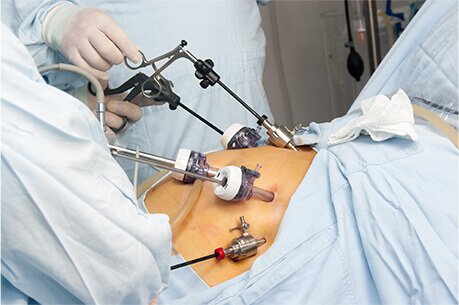
  2. Laparoscopic surgery: A minimally invasive procedure where small incisions are made, and a camera and specialized instruments are used to repair the hernia.

Both techniques are effective, but laparoscopic surgery typically offers a quicker recovery time and less postoperative pain compared to open surgery.

How long is the Recovery from Hernia Surgery?

The recovery time for hernia surgery can vary based on several factors, including the type of surgery, the location of the hernia, and the patient’s overall health. Here is a breakdown of what you can expect during the recovery process:

1. Immediate Recovery (First 24 to 48 Hours)

After your surgery, you will spend a few hours in the recovery room where medical staff will monitor you closely. The anesthesia will wear off, and you will begin to feel the effects of the surgery.

  • What to Expect: You may experience some discomfort, bruising, and swelling around the incision site. For most patients, this can be managed with prescribed pain medication and rest.
  • Activity Level: You will be encouraged to get up and move around gently after the surgery, as this can help prevent complications such as blood clots. However, it’s important to avoid any strenuous activity during the first 24 to 48 hours.

2. First Week Post-Surgery

In the first week following your hernia surgery, you should focus on rest and following your Hernia Surgeon’s post-operative care instructions. During this period, you will gradually start to feel better, but it is crucial to avoid activities that can strain your body.

  • What to Expect: You may experience mild to moderate pain around the incision area, but this should gradually improve over the week. Swelling and bruising are also common during this time.
  • Activity Level: You should avoid lifting heavy objects or doing any strenuous physical activity. Light walking is encouraged to help improve circulation and prevent complications.

3. Two to Four Weeks Post-Surgery

By the second to fourth week of recovery, most patients start feeling significantly better. The pain and swelling should begin to subside, and you will be able to engage in more activities.

  • What to Expect: While you may still experience some discomfort or tightness around the incision site, the pain should be manageable. Any bruising should be gone, and the swelling should decrease.
  • Activity Level: During this period, your Hernia Surgeon will likely clear you to resume light activities, but you should still avoid heavy lifting or any movements that could strain the abdominal muscles. It is important to continue following your surgeon’s advice regarding activity restrictions.

4. Four to Six Weeks Post-Surgery

Most patients can return to work or normal daily activities within four to six weeks, depending on the type of surgery they had and their physical condition before the surgery. During this time, you should continue to follow your surgeon’s recommendations for physical activity and recovery.

  • What to Expect: Any residual pain or discomfort should be minimal at this stage. However, you may still feel some tightness or mild soreness, especially if you move too quickly or engage in strenuous activities.
  • Activity Level: You can begin gradually increasing your activity levels, but it is still important to avoid any heavy lifting or strenuous physical activities for a few more weeks. If you had laparoscopic surgery, your recovery time may be shorter, and you may be able to return to normal activities sooner.

5. Full Recovery (Up to Three Months)

While you may feel significantly better within the first few weeks, full recovery from hernia surgery can take up to three months. During this period, your body will continue to heal, and the muscles and tissues will strengthen.

  • What to Expect: By three months, most patients experience no significant pain or discomfort. The incision site should be fully healed, and any swelling should be gone. You should also feel stronger and more active.
  • Activity Level: At this stage, you can resume all normal activities, including exercise and heavy lifting, with approval from your Hernia Surgeon. It is important to continue any recommended rehabilitation exercises to strengthen the abdominal muscles and avoid further injury.

Factors That Affect Recovery Time

The time it takes to recover from hernia surgery can vary based on several factors:

  • Type of surgery: Laparoscopic surgery typically has a shorter recovery time compared to open surgery.
  • Location and size of the hernia: Larger or more complex hernias may require a longer recovery period.
  • Age and overall health: Younger patients and those in good health generally recover faster than older patients or those with other health conditions.
  • Post-operative care: Following your surgeon’s instructions for wound care, physical activity, and medication is essential for a smooth recovery.

How to Speed Up Your Recovery

While recovery from hernia surgery can take time, there are several steps you can take to speed up the healing process:

  • Follow your surgeon’s instructions: Be sure to follow all post-surgical instructions provided by your Hernia Surgeon. This includes taking prescribed medications, keeping your incision site clean, and attending follow-up appointments.
  • Eat a healthy diet: Eating a nutritious diet rich in vitamins, minerals, and protein can help speed up healing. Focus on foods that promote tissue repair, such as lean meats, vegetables, fruits, and whole grains.
  • Stay hydrated: Drinking plenty of water can help prevent constipation and promote overall healing.
  • Rest and avoid stress: Getting plenty of rest and avoiding physical strain is crucial for recovery. Don’t rush back to work or other activities until you’re fully cleared by your surgeon.
  • Engage in light physical activity: After the initial recovery period, gentle exercises like walking can improve circulation and help with healing.

When Should You Contact Your Surgeon?

While mild discomfort and swelling are normal after surgery, certain signs may indicate complications. You should contact your Hernia Surgeon if you experience:

  • Severe or worsening pain
  • Excessive swelling or redness at the incision site
  • Fever or chills
  • Difficulty urinating or a change in bowel movements
  • Unusual discharge from the incision site

Conclusion

In conclusion, the recovery time from hernia surgery can vary from person to person, but most patients can expect to resume normal activities within 4 to 6 weeks, with full recovery taking up to three months. The type of surgery, the location of the hernia, and the individual’s overall health all play a role in the healing process.

If you’re considering hernia surgery, it is important to consult with an experienced Hernia Surgeon in Delhi who can provide personalized care and guide you through the recovery process. By following the recovery instructions, eating a balanced diet, staying hydrated, and getting plenty of rest, you can ensure a smooth recovery and enjoy a pain-free life after surgery.