Can You Lose Weight After Gallbladder Surgery? {Detailed Guide}

Gallbladder surgery, also known as cholecystectomy, is one of the most common surgical procedures performed to remove the gallbladder — usually because of gallstones or gallbladder inflammation. Many people who undergo this surgery often wonder about how it might affect their weight. Some experience weight loss after the procedure, while others notice minor weight gain.

In this blog, we’ll discuss in simple terms whether you can lose weight after gallbladder surgery, what causes these weight changes, how digestion works after the surgery, and what you can do to maintain a healthy weight post-surgery.

Can You Lose Weight After Gallbladder Surgery?

“In this blog, we’ll discuss in simple terms whether you can lose weight after gallbladder surgery, what causes these weight changes, how digestion works after the surgery.”

Book Your Appointment Today

Understanding Gallbladder

The gallbladder is a small pear-shaped organ located just beneath your liver. Its main function is to store bile, a fluid produced by the liver that helps digest fats. When you eat fatty foods, the gallbladder releases bile into your small intestine to aid in fat digestion.

When the gallbladder is removed, the bile flows directly from the liver to the intestine in a continuous stream, rather than being stored and released in controlled amounts. This change in bile flow can temporarily affect digestion, which is why some patients notice mild digestive changes or even slight weight fluctuations after surgery.

Can You Lose Weight After Gallbladder Surgery?

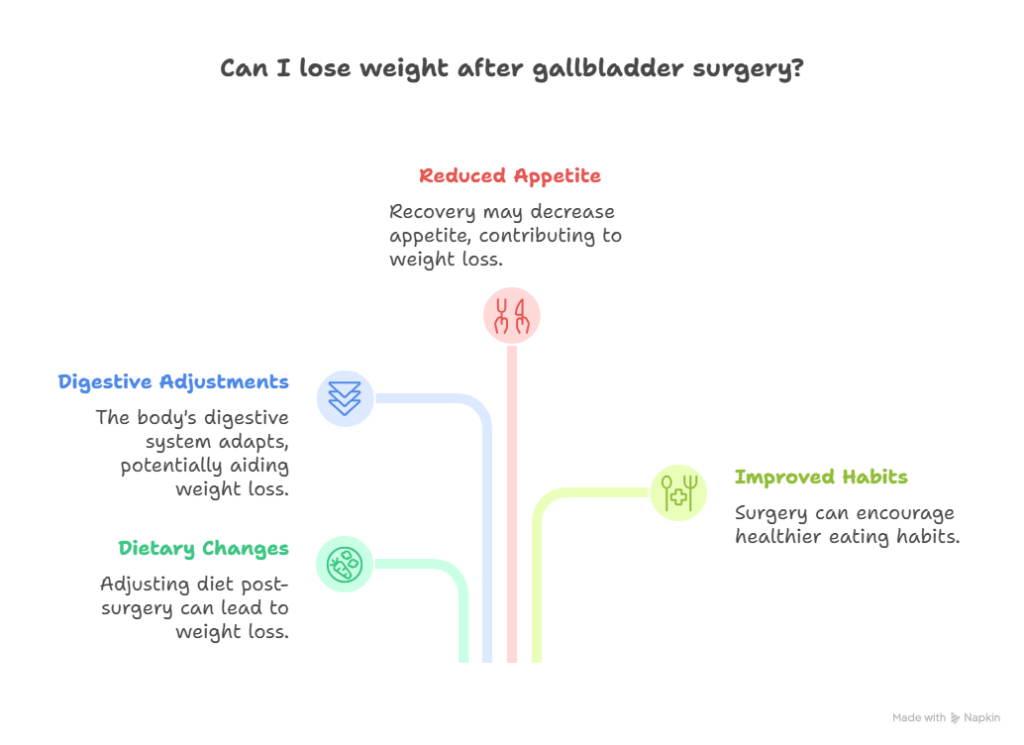
Yes, you can lose weight after gallbladder surgery, but the reasons vary from person to person. Weight loss after surgery is usually due to temporary dietary and lifestyle changes, rather than the surgery itself. Let’s understand why that happens.
Lose Weight After Gallbladder Surgery

1. Dietary Changes After Surgery

After the procedure, your doctor will recommend a low-fat, light diet to help your digestive system adjust to the absence of the gallbladder. During this period, you may eat smaller portions and avoid fatty, fried, or processed foods. Naturally, this leads to reduced calorie intake, resulting in weight loss.

2. Digestive Adjustments

Without the gallbladder, bile flows continuously into your intestines. Initially, your body may not digest fats efficiently, which can cause bloating, diarrhea, or loss of appetite. This reduced fat absorption can contribute to short-term weight loss after surgery.

3. Recovery and Reduced Appetite

Many patients experience a loss of appetite or early fullness after gallbladder surgery. Since your digestive system is still healing, you might eat less than usual, leading to gradual weight reduction in the first few weeks.

4. Improved Dietary Habits

Often, gallbladder problems arise due to a diet rich in unhealthy fats and cholesterol. After surgery, patients are encouraged to eat healthier foods like lean proteins, vegetables, and whole grains. This lifestyle change not only supports recovery but can also lead to sustainable weight loss in the long run.

Why Some People Gain Weight After Gallbladder Surgery

While some people lose weight, others may gain weight after gallbladder surgery. This can happen for a few reasons:

  1. Digestive adaptation: Once your body adapts to the continuous bile flow, fat digestion may normalize, and if you go back to eating high-fat foods, you could gain weight.
  2. Reduced activity: Post-surgery recovery often involves rest and reduced physical activity. Without exercise, calorie burn decreases, making it easier to gain weight.
  3. Comfort eating: Some patients indulge in comfort foods during recovery, especially soft, carb-rich meals, leading to unwanted weight gain.

Maintaining a balanced diet and gradually resuming physical activity can help prevent this.

How Gallbladder Surgery Affects Digestion and Metabolism

After gallbladder removal, bile is less concentrated and continuously flows into the intestines. This means that your body digests fats in smaller, slower quantities. For most people, this doesn’t cause major problems, but it does require a few dietary adjustments:

  • Avoid eating very large or fatty meals.
  • Eat smaller, more frequent meals throughout the day.
  • Focus on foods rich in fiber, lean protein, and complex carbohydrates.

These habits not only aid digestion but also promote healthy weight management after surgery.

Tips to Maintain or Lose Weight After Gallbladder Surgery
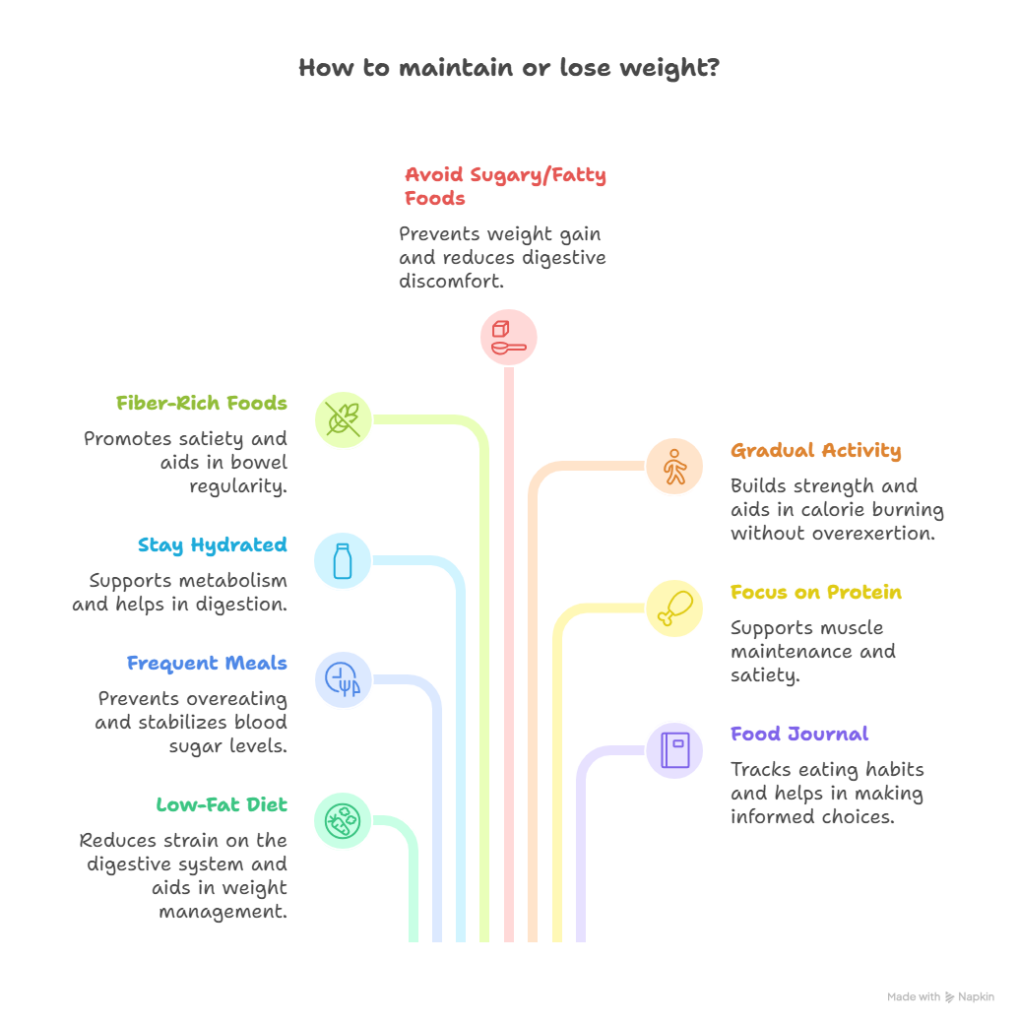
Tips to Maintain or Lose Weight After Gallbladder Surgery

If your goal is to lose weight or maintain your current weight after the surgery, here are some effective and safe tips:

1. Start with a Low-Fat Diet

Stick to easily digestible foods such as soups, steamed vegetables, boiled rice, lean chicken, fish, or lentils. Avoid fried foods, butter, and processed snacks.

2. Eat Smaller, Frequent Meals

This helps your digestive system process food efficiently and prevents bloating or discomfort. Smaller meals also support steady energy levels and calorie control.

3. Stay Hydrated

Drink plenty of water throughout the day. Hydration supports digestion, boosts metabolism, and prevents constipation — a common issue after surgery.

4. Include Fiber-Rich Foods

Gradually add whole grains, fruits, and vegetables to your diet. Fiber promotes bowel regularity and helps you feel full longer, aiding in weight control.

5. Avoid Sugary and Fatty Foods

Limit desserts, sugary beverages, and fried foods. These are harder to digest and can cause discomfort post-surgery.

6. Resume Physical Activity Gradually

Once your doctor approves, start light activities such as walking. Regular physical movement improves digestion, burns calories, and enhances recovery.

7. Focus on Protein

Lean proteins like eggs, tofu, fish, and legumes help you feel full and preserve muscle mass while losing fat.

8. Keep a Food Journal

Tracking what you eat can help you identify patterns that contribute to unwanted weight gain and make healthier adjustments.

When to Consult Your Surgeon or Doctor

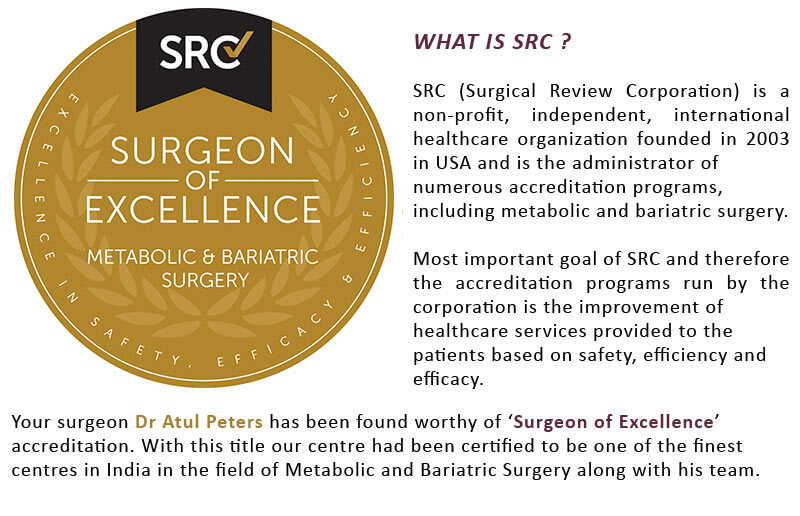
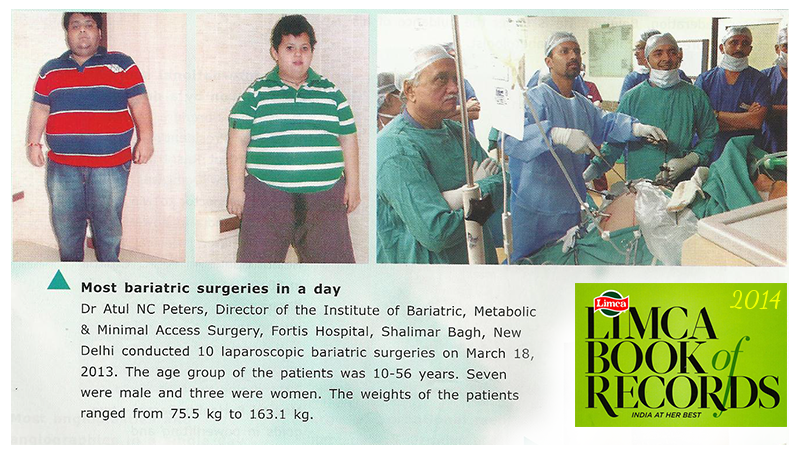
You should reach out to your healthcare provider or your surgeon (such as Dr. Atul Peter’s, known for performing the Best Gallbladder Surgery in Delhi) if you experience:

  • Persistent diarrhea or constipation
  • Severe abdominal pain or bloating
  • Continuous nausea or vomiting
  • Unintended or excessive weight loss
  • Difficulty digesting even light foods

These could indicate digestive complications or nutritional deficiencies that need medical attention.

Can Gallbladder Surgery Help in Weight Loss?

Gallbladder surgery itself is not a weight loss surgery. Unlike bariatric procedures that are designed to aid weight reduction, gallbladder surgery’s purpose is to remove a diseased organ.

However, temporary weight loss is common due to:

  • Reduced fat intake post-surgery
  • Digestive changes
  • Improved eating habits

The goal should be to maintain steady and healthy weight management through lifestyle improvements, not rapid or drastic changes.

Long-Term Diet Plan for Healthy Weight Maintenance

Long-Term Diet Plan for Healthy Weight Maintenance

Once your digestion stabilizes (typically within 4–6 weeks), you can follow a long-term diet plan:

  • Breakfast: Oatmeal or whole-grain toast with eggs or fruits
  • Lunch: Grilled chicken/fish, brown rice, and sautéed vegetables
  • Evening snack: Fresh fruit, yogurt, or nuts
  • Dinner: Light soup or salad with lean protein
  • Avoid: Deep-fried foods, spicy curries, heavy gravies, and sodas

This balanced diet supports healthy digestion, prevents fat buildup, and helps maintain a comfortable weight.

Can You Lose Weight After Gallbladder Surgery?

“In this blog, we’ll discuss in simple terms whether you can lose weight after gallbladder surgery, what causes these weight changes, how digestion works after the surgery.”

Book Your Appointment Today

Conclusion

So, can you lose weight after gallbladder surgery? Yes — but it depends largely on your post-surgery diet, activity level, and digestive response. Weight loss after gallbladder removal is usually due to healthier eating habits and temporary digestive changes, not the surgery itself.

By maintaining a balanced diet, exercising regularly, and following your doctor’s advice, you can stay healthy and prevent unwanted weight gain. If you’re considering gallbladder surgery or need expert advice on recovery and diet management, you can consult Dr. Atul Peter’s, who is known for performing the Best Gallbladder Surgery in Delhi with excellent patient outcomes and long-term recovery support.

Frequently Asked Questions

Is it normal to lose weight after Gallbladder Surgery?

Yes, mild weight loss is common after gallbladder surgery. It often occurs due to dietary changes and reduced fat intake during recovery.

How much weight can I expect to lose after Gallbladder removal?

Most people may lose 2–5 kilograms in the first few weeks after surgery. However, this varies for each person and is not permanent unless supported by healthy habits.

Why do some people gain weight after Gallbladder Surgery?

Weight gain can happen if you return to high-fat, processed foods or reduce physical activity during recovery. It’s important to follow a healthy, low-fat diet.

What foods should I avoid after Gallbladder Removal?

Avoid fatty, fried, spicy, and processed foods. Focus on easily digestible, low-fat meals like soups, boiled vegetables, and lean proteins.

Can Gallbladder Surgery help in long-term weight loss?

Gallbladder surgery is not meant for weight loss, but it can encourage better eating habits that lead to healthy, long-term weight management.

Should I take supplements after Gallbladder Surgery?

Your doctor might recommend digestive enzymes or vitamins if your body struggles to absorb fats or nutrients properly.

How is Gallbladder Surgery Done? {Surgeon’s Guide}

Gallbladder surgery, also known as cholecystectomy, is one of the most common surgical procedures performed worldwide. It is usually recommended for people suffering from gallstones, gallbladder inflammation, or other related problems that cause pain, nausea, or digestive issues.

If you’re planning for this surgery, you might want to know how is gallbladder surgery done and what to expect before, during, and after the procedure. This guide explains everything in simple terms, including the types of surgery, the step-by-step process, recovery, and safety aspects. We’ll also address common questions like how laparoscopy is done for gallbladder surgery and can gallbladder surgery can be done with local anesthesia, to help you make an informed decision.

Expert Gallbladder Surgery by Dr. Atul Peters

Minimally invasive surgery with smaller cuts, less pain, and faster recovery. Speak to our team now.

Request Callback WhatsApp Chat

Understanding Gallbladder Surgery

The gallbladder is a small organ located under your liver that stores bile, a digestive fluid that helps break down fats. Sometimes, small stones (gallstones) form inside the gallbladder, causing severe pain, infection, or blockage in the bile duct. When medicines and lifestyle changes don’t help, doctors recommend gallbladder removal surgery to provide permanent relief.

The two main types of gallbladder surgery are:

  • Laparoscopic Gallbladder Surgery: A minimally invasive procedure where small cuts are made in the abdomen, and a camera is used to guide the surgery.
  • Open Gallbladder Surgery: A traditional method involving a larger incision, usually done in complicated cases.

Most patients today undergo laparoscopic surgery because it is safer, faster, and requires less recovery time.

How is Gallbladder Surgery Done?

Gallbladder surgery can be performed in two ways, but the laparoscopic method is the most preferred choice due to its minimally invasive approach. Here’s how the surgery is done step by step:

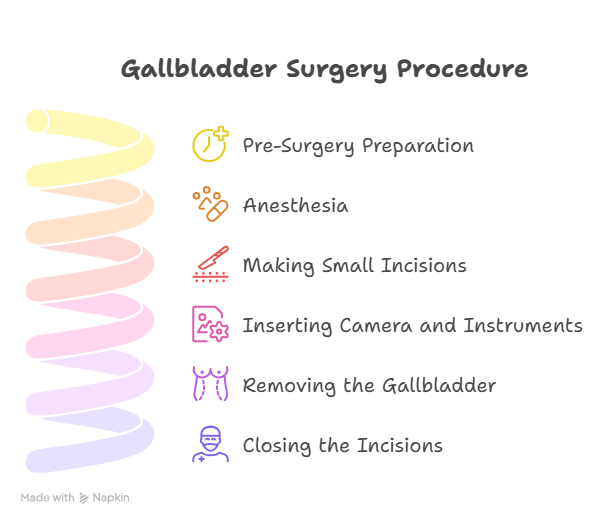
Step 1: Pre-Surgery Preparation

  • A full medical evaluation is done, including blood tests, ultrasound scans, and sometimes an MRI.
  • You will be given instructions on fasting (usually 6–8 hours before surgery).
  • The anesthesia team discusses the procedure and gives you medication to help you relax.

Step 2: Anesthesia

  • General anesthesia is given in most cases to ensure you are asleep and pain-free during the operation.
  • Many people ask, “Can gallbladder surgery be done with local anesthesia?” While local anesthesia numbs a specific area, it is rarely used for this surgery because the procedure involves internal organs, and general anesthesia is much safer and more comfortable.

Step 3: Making Small Incisions

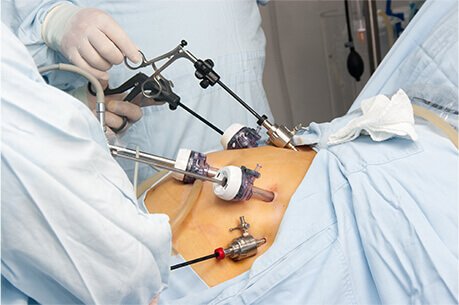
  • In laparoscopic surgery, the surgeon makes 3–4 small cuts in your abdomen.
  • A special tube is inserted to pump carbon dioxide gas, which inflates the area and provides space to work safely.

Step 4: Inserting the Camera and Instruments

  • A thin tube with a camera (laparoscope) is inserted to give the surgeon a clear view of your gallbladder on a monitor.
  • Special instruments are used to carefully separate the gallbladder from the liver and bile ducts.

Step 5: Removing the Gallbladder

  • The gallbladder is detached and removed through one of the small incisions.
  • The area is checked for bleeding, and the instruments are removed.

Step 6: Closing the Incisions

  • The small cuts are stitched or sealed with surgical tape.
  • A bandage is applied, and you are taken to the recovery room.

The entire laparoscopic procedure usually takes 1 to 2 hours, depending on the complexity of the case. Patients under the care of experts like Dr. Atul Peter, a trusted specialist for Gallbladder Surgery in Delhi, experience high success rates and safe outcomes.

How Laparoscopy is Done for Gallbladder Surgery?

Laparoscopic gallbladder removal is a modern technique that has replaced traditional open surgery in most cases. Here’s how it works:

  • Minimal Incisions: Only 3–4 small cuts instead of one large incision.
  • Camera Assistance: A tiny camera allows the surgeon to see inside the abdomen.
  • Special Tools: Thin surgical instruments remove the gallbladder safely.
  • Less Pain and Scarring: Smaller cuts mean less discomfort and almost invisible scars.
  • Quick Recovery: Most patients can go home the same day or the next day after surgery.

Anesthesia in Gallbladder Surgery

Many patients are concerned about anesthesia and ask whether gallbladder surgery can be done with local anesthesia. In almost all cases, general anesthesia is used because:

  • It ensures you are unconscious and pain-free during the entire procedure.
  • It allows doctors to work safely on internal organs.
  • It reduces stress and movement during surgery.

Local anesthesia is not preferred as it only numbs a small area and cannot prevent discomfort during a complex procedure like this.

Recovery After Gallbladder Surgery

Recovery time depends on whether you had laparoscopic or open surgery:

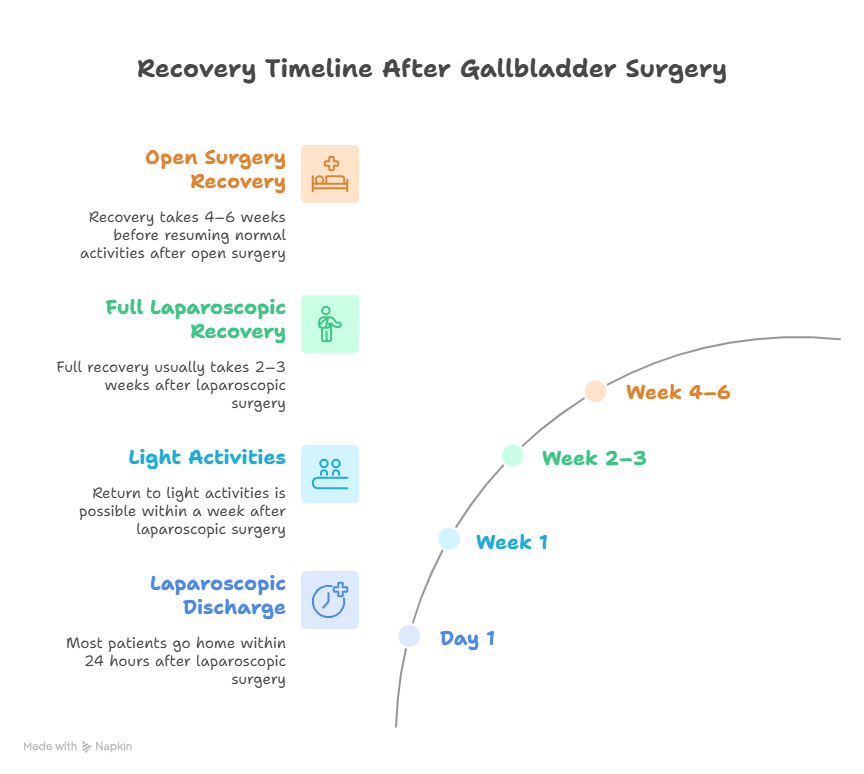
  • Laparoscopic Surgery: Most patients can go home within 24 hours and return to light activities within a week. Full recovery usually takes 2–3 weeks.
  • Open Surgery: Recovery takes longer, usually 4–6 weeks before resuming normal activities.

After Surgery:

  • You may have mild pain or discomfort for a few days, which can be managed with prescribed medication.
  • A low-fat diet is recommended to avoid digestive discomfort until your body adjusts to the absence of the gallbladder.
  • Regular follow-up visits are important to monitor healing.

Risks and Complications

Gallbladder surgery is generally very safe, especially in the hands of experienced specialists like Dr. Atul Peter. However, like any surgery, there can be some risks:

  • Infection or bleeding at the incision site.
  • Injury to nearby organs or bile ducts (rare).
  • Temporary diarrhea or digestive changes.
  • Reaction to anesthesia (uncommon).

These risks are minimized when surgery is performed in a well-equipped hospital by a skilled surgical team.

Final Thoughts

If you’re wondering how is gallbladder surgery done, the answer is that it’s a safe and well-practiced procedure that offers long-term relief from gallstones and related problems.

Most patients undergo laparoscopic gallbladder removal, which is minimally invasive, takes about 1–2 hours, and allows you to go home the same or the next day. General anesthesia is used for comfort and safety, and the procedure is performed by highly experienced doctors like Dr. Atul Peter, a leading specialist for Gallbladder Surgery in Delhi.

With the right surgeon and proper aftercare, gallbladder surgery is a simple, effective, and permanent solution to painful gallbladder issues.

Frequently Asked Questions

How long does gallbladder surgery take?

Laparoscopic gallbladder surgery usually takes 1–2 hours, while open surgery may take longer.

How is laparoscopy done for Gallbladder surgery?

Small cuts are made in the abdomen, and a camera is used to guide special instruments that remove the gallbladder safely with minimal pain and scarring.

Can Gallbladder surgery be done with local anesthesia?

No, local anesthesia is not recommended. General anesthesia is used to ensure you are unconscious and pain-free throughout the procedure.

How many days do I need to stay in the hospital?

For laparoscopic surgery, most patients stay 1–2 days. Open surgery may require a hospital stay of 3–5 days.

How long does it take to fully recover?

Recovery after laparoscopic surgery usually takes 2–3 weeks, while open surgery may take 4–6 weeks.

Is Gallbladder Stone Curable Without Surgery?

Gallstones are a common health issue affecting millions of people worldwide. These are hardened deposits that form in the gallbladder, often made of cholesterol or bilirubin. While many people may not experience symptoms, others can suffer from intense abdominal pain, bloating, nausea, and digestion problems. This raises a common question: Is gallbladder stone curable without surgery?

The answer isn’t straightforward. Some gallstones may not require treatment, while others necessitate surgical intervention. In this blog, we will explore whether it’s possible to remove gallbladder stones without surgery, what the alternatives are, and when surgery becomes necessary. We’ll also discuss how medical professionals like Dr. Atul Peters, known for offering expert Gallbladder Surgery in Delhi, approach treatment decisions.

Understanding Gallstones

The gallbladder is a small, pear-shaped organ located under your liver. It stores and releases bile—a digestive fluid that helps break down fats. Gallstones form when substances in bile, such as cholesterol or bilirubin, become imbalanced and crystallize.

There are two main types:

  • Cholesterol stones (most common)
  • Pigment stones (formed from excess bilirubin)

These stones can vary in size, from a grain of sand to a golf ball, and can occur singly or in multiples.

Symptoms of Gallstones

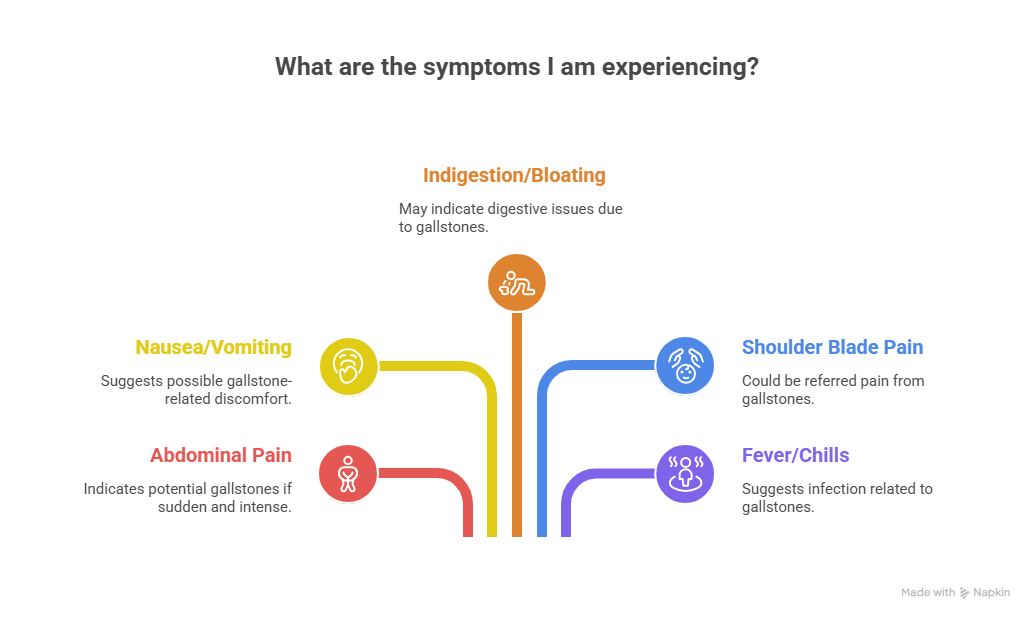
Many people with gallstones don’t know they have them. However, when a stone blocks a bile duct, it can cause a “gallbladder attack” or biliary colic. Symptoms include:

  • Sudden and intense pain in the upper right abdomen
  • Nausea or vomiting
  • Indigestion and bloating
  • Pain between shoulder blades
  • Fever or chills (if infection is present)

In severe cases, untreated gallstones can lead to complications such as inflammation, infection (cholecystitis), or even a ruptured gallbladder.

Is It Possible to Remove Gallbladder Stone Without Surgery?

If you’ve been diagnosed with gallstones, you may wonder, “Is gallbladder stone curable without surgery?” The answer depends on several factors:

  • The type and size of the stone
  • Whether you are symptomatic or asymptomatic
  • Risk of complications
  • Overall health status

While surgery is the most definitive and widely recommended treatment for symptomatic gallstones, especially large or multiple stones, there are non-surgical methods that may help in some cases.

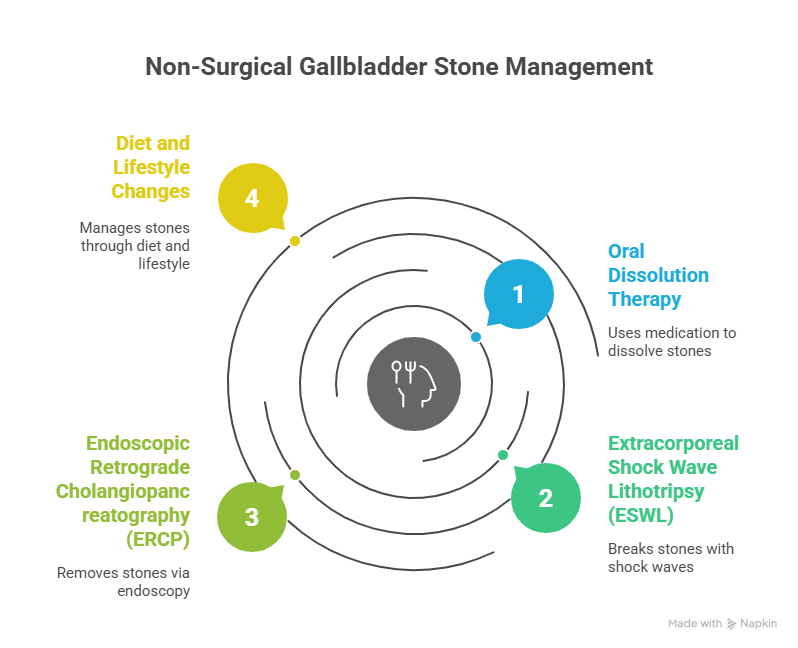
Non-Surgical Ways to Manage Gallbladder Stones

Here are some of the options available if you’re looking for how to remove stone from gallbladder without surgery:

1. Oral Dissolution Therapy

Doctors may prescribe medications like ursodeoxycholic acid (UDCA) to dissolve cholesterol-based gallstones. This method is:

  • Best for small, non-calcified cholesterol stones
  • A long-term process (months or even years)
  • Not effective for pigment stones
  • Stones may return once medication is stopped

This treatment is typically recommended for patients who are not suitable candidates for surgery.

2. Extracorporeal Shock Wave Lithotripsy (ESWL)

This is a non-invasive procedure where shock waves are used to break gallstones into smaller pieces that can pass through the bile ducts.

  • Rarely used today due to limited effectiveness
  • Works best with a few small stones
  • Usually combined with oral medication

3. Endoscopic Retrograde Cholangiopancreatography (ERCP)

While ERCP is not a cure for gallstones in the gallbladder, it is used to remove stones stuck in the bile ducts.

  • Involves passing a flexible tube down the throat to reach the bile ducts
  • Often used when gallstones cause complications like jaundice or pancreatitis
  • Does not remove stones inside the gallbladder

4. Diet and Lifestyle Changes

Though not a treatment, making the right dietary choices can help manage gallstone symptoms or prevent new stones from forming.

  • Avoid high-fat, fried, and processed foods
  • Increase intake of fiber (vegetables, fruits, whole grains)
  • Maintain a healthy weight
  • Avoid rapid weight loss

However, if stones already exist, diet alone cannot remove them.

Expert Gallbladder Surgery by Dr. Atul Peters!
Contact Now!

Book Your Appointment


Natural Remedies – Do They Work?

Some people look for how to get rid of gallbladder stones without surgery using home remedies such as apple cider vinegar, lemon juice, or herbal teas. While these may provide temporary relief from symptoms, there is no clinical evidence to support their effectiveness in dissolving or removing gallstones.

Relying solely on natural remedies can delay essential treatment and lead to serious complications.

When is Surgery needed?

Surgery becomes necessary when gallstones are:

  • Causing frequent or severe symptoms
  • Blocking bile ducts
  • Leading to inflammation or infection
  • Accompanied by complications like pancreatitis

The standard surgical procedure is robotic cholecystectomy—a minimally invasive method to remove the gallbladder. It is safe, has a quick recovery time, and is widely performed by specialists like Dr. Atul Peters, a trusted name for Robotic Surgery in Delhi.

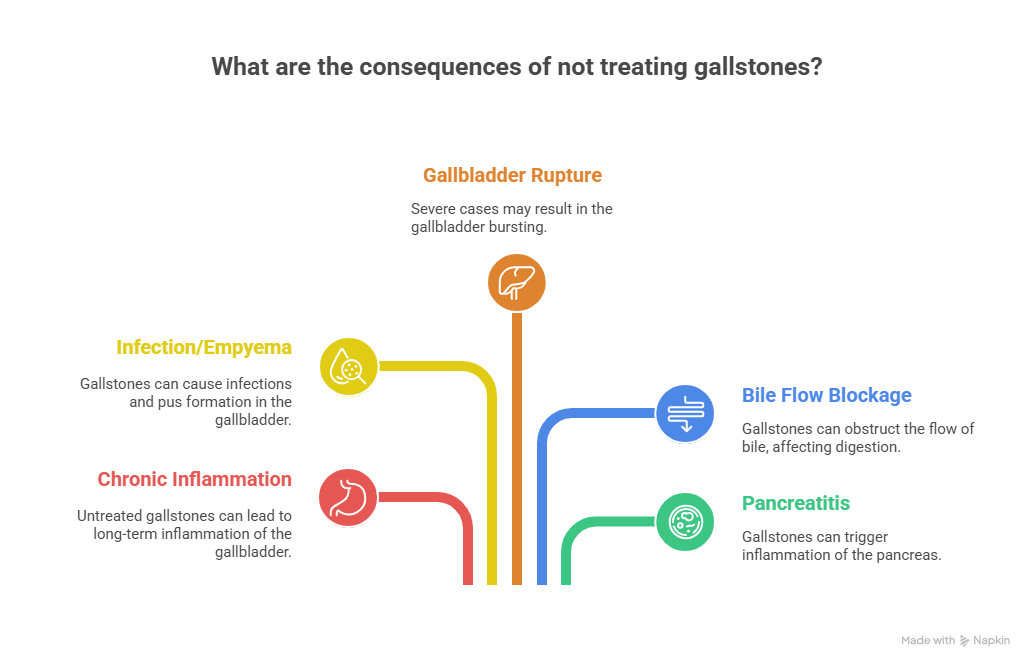
What happens If You don’t treat Gallstones?

If left untreated, gallstones can lead to:

  • Chronic gallbladder inflammation
  • Infection or pus formation (empyema)
  • Gallbladder rupture
  • Blockage of bile flow
  • Pancreatitis (inflammation of the pancreas)

These complications can be life-threatening and usually require emergency surgery.

Gallbladder Stone Without Surgery – Who is It for?

Non-surgical treatment may be considered for:

  • Patients with small cholesterol stones
  • Those who are asymptomatic
  • Individuals unfit for surgery due to age or medical conditions

However, these methods are usually slow, less reliable, and carry a higher risk of recurrence. Surgery remains the gold standard for a permanent cure.

Expert Opinion – Dr. Atul Peters

For patients exploring both surgical and non-surgical options, consultation with an experienced specialist is essential. Dr. Atul Peters, known for excellence in minimally invasive and laparoscopic procedures, provides comprehensive evaluation and treatment for gallbladder-related conditions.

He helps patients understand when surgery is necessary and offers the latest techniques in Gallbladder Surgery in Delhi, ensuring faster recovery and minimal discomfort.

Conclusion

So, is gallbladder stone curable without surgery? In some cases, yes—but only under specific conditions and usually with limited success. While medical treatments and lifestyle changes may help manage symptoms or dissolve certain types of stones, they are not always effective and do not work for everyone.

Surgery, especially laparoscopic removal of the gallbladder, remains the most reliable and long-term solution for painful or complicated gallstones. If you’re experiencing symptoms or have been diagnosed with gallstones, it’s best to consult a specialist like Dr. Atul Peters to explore the most appropriate treatment path.

Frequently Asked Questions

Can Gallbladder stones be treated without surgery?

Yes, small cholesterol stones may be treated with medications, but this is only suitable in select cases and has a high recurrence rate.

How long does it take for oral medications to dissolve gallstones?

It can take several months to years, and it works only on cholesterol stones.

Is there any diet that can dissolve gallstones?

A healthy diet can prevent new stones but cannot dissolve existing ones.

What are the risks of avoiding gallbladder surgery?

Delayed surgery can lead to infection, bile duct obstruction, or pancreatitis.

Can I live without my gallbladder?

Yes. The liver still produces bile, and you can digest food normally with slight dietary adjustments.

How long is Robotic Gallbladder Surgery?

When someone hears the word surgery, a few things immediately flash in their mind — long hours under anesthesia, a big hospital stay, and weeks of painful recovery. But in the world of modern medicine, especially with robotic techniques, that picture is changing fast.

One of the most commonly performed robotic procedures today is gallbladder removal, also called cholecystectomy. Thanks to robotic technology, what used to take hours and leave behind large scars can now be done in under an hour with minimal cuts, faster healing, and barely any hospital stay.

This blog will walk you through everything you need to know about how long is robotic gallbladder surgery— not just how long it takes inside the OT, but how long the entire experience lasts, from preparation to recovery.

What is Robotic Gallbladder Surgery?

Robotic gallbladder surgery is an advanced, minimally invasive procedure in which the surgeon removes your gallbladder using robotic arms controlled by a high-tech console. It’s not the robot thinking — it’s your surgeon, who sits a few feet away and uses tiny hand movements to control robotic instruments inside your body.

Here’s how it works:

  • Small cuts (usually 4) are made on your abdomen.
  • A tiny camera is inserted through one of the incisions, sending high-definition 3D images to a monitor.
  • The surgeon, seated at a console, controls robotic instruments that mimic wrist movements, with even greater precision and flexibility.
  • The gallbladder is separated from surrounding structures and removed through one of the incisions.

How Long is Robotic Gallbladder Surgery?

Generally, robotic gallbladder surgery takes about 45 minutes to 1.5 hours. The exact time depends on several factors:

  1. Condition of the Gallbladder: If your gallbladder is inflamed, infected, or full of stones, it may take more time to remove carefully without damaging nearby organs.
  2. Surgeon’s Experience: An experienced Robotic Surgeon in Delhi can complete the surgery more efficiently, even in complicated cases, thanks to their familiarity with robotic controls and the patient’s anatomy.
  3. Obesity or Prior Abdominal Surgeries: In overweight patients or those who’ve had previous operations, it may take longer to navigate internal organs and scar tissue.
  4. Anesthesia and Setup Time: The robot must be docked, surgical ports must be inserted, and the patient must be fully prepped — this adds around 20–30 minutes before and after the actual cutting begins.
  5. Unexpected Findings During Surgery: Occasionally, surgeons discover issues (like a bile duct anomaly or adhesions) that require extra care, and thus, more time.

Still, even at the higher end, the procedure is faster than traditional open surgery, which may take over 2–3 hours and requires a larger incision.

So when someone asks, “How long is robotic gallbladder surgery?”, a more accurate reply would be: “The surgery itself takes around an hour, but the full operating room time may be up to 2 hours, including preparation and recovery from anesthesia.”

How long is the Hospital stay after Robotic Surgery?

Gone are the days when gallbladder removal meant a week-long stay in a hospital bed with a dressing as wide as a belt. With robotic technology, most patients go home the same day or within 24 hours after surgery.

Let’s break it down:

  • Same-Day Discharge (Daycare Surgery): If you’re medically fit, have no complications, and your pain is controlled, doctors may discharge you a few hours after surgery. This is becoming common in many advanced centers offering Gallbladder Surgery in Delhi.
  • One-Night Hospital Stay: Some patients are kept under observation overnight, especially older adults, diabetics, or those who live far from the hospital.
  • More than 1 Night: Rare, and usually only if there are complications like bleeding, bile leak, or unexpected findings during surgery.

Before discharge, your doctor checks for:

  • Stable blood pressure and oxygen levels
  • Ability to walk and pass urine
  • No excessive pain or vomiting
  • Tolerating light food or liquids

In comparison, traditional open surgery often needs a 3–5 day hospital stay. So yes, robotic gallbladder surgery truly shortens your stay — and speeds up your return to normal life.

Recovery Time after Robotic Gallbladder Surgery

When you hear the word “surgery,” most people immediately imagine a long, slow recovery — lots of bed rest, tight bandages, and painkillers on repeat. But here’s the beauty of robotic gallbladder surgery: the recovery is much faster and smoother than traditional methods.

So, how long does it take to fully recover?

Most patients feel 70–80% recovered within 1 week, and completely back to normal within 2 to 3 weeks.

Here’s a general timeline of what recovery looks like:

  • Day 1–2: Mild pain or discomfort around the incision sites. Walking is encouraged, but strenuous movement is avoided. You can usually drink liquids and eat light food.
  • Days 3–5: Pain reduces significantly. Bowel movements may return to normal. You can resume basic household activities slowly.
  • Days 7–10: Stitches (if any) are removed, and most people feel confident walking, sitting, and eating normally. Pain medication is rarely needed beyond this point.
  • Weeks 2–3: You’re likely fully mobile, doing most of your daily tasks independently, including light office work or driving (after medical approval).

Compare this to open gallbladder surgery, where recovery takes 6–8 weeks, and the difference is clear.

Choosing Dr. Atul Peters not only makes the surgery safer but also often ensures a faster recovery timeline, as the surgical technique involves minimal tissue damage and less inflammation.

How soon Can You Resume Daily Activities and Work?

You’ve made it through surgery, you’re walking around again, and your appetite is returning. But when can you get back to life, work, exercise, travel, or just picking up the grocery bag?

Let’s answer this honestly, without the sugarcoating.

Activities You Can Resume Early (within 3–5 days):

  • Walking indoors or in your building
  • Climbing stairs slowly
  • Reading, working on a laptop, and light cooking
  • Taking a shower (after dressings are removed)

Activities You Can Resume in 1–2 Weeks:

  • Driving a car (if you’re not on painkillers and can move comfortably)
  • Returning to desk jobs or work-from-home setups
  • Going for light walks outdoors

Activities That Need to Wait (at least 3–4 weeks):

  • Lifting heavy weights (gym or groceries)
  • Bending or stretching exercises
  • Travel involving long hours
  • Any high-intensity physical activity

Your doctor will guide you based on how your healing is progressing. But most people who undergo Gallbladder Surgery in Delhi via robotic technique can return to office work in about 7–10 days, much faster than with open surgery.

Why Robotic Gallbladder Surgery is Faster than Traditional Surgery

If you’re wondering why robotic surgery is so efficient compared to open or even standard laparoscopic methods, the answer lies in precision, control, and minimal trauma.

Here’s how robotic technology saves time and speeds up healing:

  1. Smaller Incisions: Robotic instruments require tiny cuts (often 5–10 mm), unlike open surgery, which needs a large abdominal incision. Smaller cuts = less pain, less healing time.
  2. High-Definition 3D Imaging: The robotic system provides magnified 3D visuals. Surgeons can see the anatomy more clearly, reducing the risk of injury and shortening the time taken to identify and remove the gallbladder.
  3. Tremor-Free, Precise Movements: Even the steadiest human hand has minor tremors. Robots filter this out completely, enabling highly controlled, refined movements during the procedure.
  4. Minimal Bleeding: The fine movements of robotic tools cause less damage to surrounding tissues and blood vessels, which means less blood loss and quicker post-op recovery.
  5. Shorter Hospital Stay and Recovery: Because of all the above, robotic surgery patients often return home the same day and recover in a fraction of the time it takes with open surgery.

In short, robotic gallbladder surgery is not just about being “fancy” — it’s clinically superior in many ways.

Robotic Gallbladder Surgery by Dr. Atul Peters!
Contact Now!

Book Your Appointment


Conclusion

Gone are the days when surgery meant long hospital stays, large scars, and weeks of painful recovery. With robotic gallbladder surgery, patients today are choosing precision, speed, and comfort.

From the time in the OT to the hours spent in the hospital, everything about robotic surgery is designed to be efficient. In the hands of an expert Robotic Surgeon in Delhi, what was once considered a major operation can now be a minimally invasive, low-stress procedure with excellent results.

So if you’ve been diagnosed with gallstones or chronic gallbladder issues, and you’re wondering about how long robotic gallbladder surgery takes, the answer is simple: not long at all — but the benefits last a lifetime.

Frequently Asked Questions

Q1. How long does robotic gallbladder surgery take inside the OT?
Usually 45 minutes to 1.5 hours, depending on the complexity of the case.

Q2. How long do I have to stay in the hospital?
Most patients are discharged the same day or within 24 hours.

Q3. When can I return to work?
If you have a desk job, most people return to work within 7–10 days. For physical jobs, 3–4 weeks.

Q4. Is robotic surgery better than laparoscopic surgery?
Yes, in many cases. It offers better precision, faster healing, and less blood loss.

Q5. Does robotic surgery cost more?
It can be slightly more expensive, but many believe the faster recovery and fewer complications make it worth the cost.

Laparoscopic vs Robotic Cholecystectomy: Choosing the Right Approach for Gallstone Removal

Gallstones, those hardened deposits that form in the gallbladder, can cause significant discomfort and even lead to more serious health complications. When conservative treatments prove ineffective, a cholecystectomy, or gallbladder removal, may become necessary.

Choosing the right surgical approach for gallstone removal is crucial for a successful outcome and a comfortable recovery. Two primary options available today are laparoscopic cholecystectomy and robotic cholecystectomy.

Before we explore surgical options, let’s understand gallstones and cholecystectomy.

Gallstones are small, hard deposits that form in the gallbladder, a pear-shaped organ located beneath the liver. They can be composed of cholesterol, bile pigments, or a combination of both.

Cholecystectomy is a surgical procedure that involves removing the gallbladder. It’s typically performed when gallstones cause severe pain, inflammation, or other complications.

What is Laparoscopic Cholecystectomy?

Laparoscopic cholecystectomy, often referred to as keyhole surgery, is a minimally invasive technique that has emerged as a promising option for patients requiring gallbladder removal.

It involves making small incisions in the abdomen, through which a thin, lighted tube with a camera (laparoscope) and surgical instruments are inserted. The surgeon can then visualize the gallbladder and remove it using these tools.

Benefits of Laparoscopic Cholecystectomy:

  • Smaller incisions: This leads to less pain, scarring, and a faster recovery time compared to open surgery.
  • Shorter hospital stay: Patients typically go home the same day or the day after surgery.
  • Lower risk of complications: Laparoscopic surgery is generally associated with fewer complications than open surgery.
  • Improved cosmetic outcome: The smaller incisions result in less visible scarring.

Most patients can resume normal activities within a few days of laparoscopic cholecystectomy. However, it’s essential to follow your doctor’s instructions regarding rest, diet, and wound care.

What is Robotic Cholecystectomy?

Robotic cholecystectomy is a minimally invasive surgical technique, that has revolutionized gallbladder removal.

This advanced procedure utilizes a robotic system controlled by a surgeon, offering enhanced precision, dexterity, and visualization compared to traditional laparoscopic surgery.

In robotic cholecystectomy, a surgeon sits at a console, operating robotic arms equipped with surgical instruments. The surgeon’s movements are translated into precise actions by the robotic system, allowing for greater control and flexibility during the procedure. The robotic system also provides a magnified, three-dimensional view of the surgical field, aiding in accurate visualization and dissection.

Advantages of Robotic Cholecystectomy

  • Enhanced Precision: The robotic system’s precise movements and advanced instrumentation minimize the risk of complications and potential damage to surrounding tissues.
  • Superior Visualization: The high-definition, three-dimensional view provided by the robotic system allows the surgeon to identify and address intricate anatomical structures with greater accuracy.
  • Increased Dexterity: The robotic arms’ ability to perform delicate movements and manipulate tissues with precision can lead to improved surgical outcomes, especially in complex cases.
  • Reduced Trauma: Compared to open surgery, robotic cholecystectomy involves smaller incisions, resulting in less pain, scarring, and a faster recovery time.
  • Minimized Blood Loss: The precision and control offered by robotic surgery often lead to reduced blood loss during the procedure.

When to Consider Robotic Cholecystectomy?

Robotic cholecystectomy may be a suitable option for patients:

  • With complex gallstones or anatomical variations
  • Who has undergone previous abdominal surgery
  • Who desires a minimally invasive approach with potential benefits in terms of precision and outcomes

The recovery process for robotic cholecystectomy is similar to that of laparoscopic surgery. Patients can typically expect a shorter hospital stay and a faster return to normal activities.

Choosing the Right Approach for You

The decision between laparoscopic and robotic cholecystectomy depends on several factors, including

  • Your overall health: If you have other health conditions or are at high risk for complications, your doctor may recommend a particular approach.
  • The size and location of your gallstones: Larger or more complex gallstones may require a more advanced technique.
  • Your surgeon’s expertise: The experience and training of your surgeon can influence the choice of surgical method.
  • Your personal preferences: Some patients may prefer one approach over the other based on their individual preferences.

Postoperative Care and Recovery

After your cholecystectomy, it’s important to follow your doctor’s instructions for postoperative care. This may include:

  • Resting, as directed
  • Taking prescribed medications
  • Avoiding strenuous activity
  • Following a healthy diet
  • Monitoring your incision for signs of infection

Most patients can resume normal activities within a few days of surgery. However, it’s essential to listen to your body and avoid overexertion.

Potential Complications and Risk Factors

Laparoscopic and robotic cholecystectomy are generally safe procedures, but like any surgery, they can carry risks.

While complications like bleeding, infection, bile duct injury, and the need for conversion to open surgery are relatively uncommon, certain factors can increase the risk. These factors include obesity, diabetes, previous abdominal surgery, and underlying medical conditions. It’s essential to discuss these risks with your surgeon before deciding on the best approach for your gallbladder removal.

Factors to Consider When Choosing a Surgeon

Selecting the right surgeon is a crucial step. Here’s a detailed checklist to help you make an informed decision:

  • Experience and Credentials: Look for a surgeon with extensive experience, certifications, and training in performing cholecystectomies.
  • Success Rates and Procedure Range: Assess the surgeon’s success rates and the variety of procedures they offer to determine if they align with your needs.
  • Accredited Facilities: Choose a surgeon affiliated with a reputable and accredited hospital or surgical center.
  • Comprehensive Care: Look for a center that provides pre-operative assessments, expert surgical intervention, nutritional guidance, and post-operative support.
  • Patient Reviews: Read patient reviews and testimonials to get a sense of the surgeon’s reputation and overall patient satisfaction.

Conclusion

Both laparoscopic and robotic cholecystectomy are highly effective surgical options for the removal of gallstones, each with its own advantages. The choice between these methods should be guided by your specific health conditions, the complexity of your case, and the expertise of your surgeon.

Laparoscopic cholecystectomy, known for its minimally invasive nature, typically involves smaller incisions and a shorter recovery time. Robotic cholecystectomy, on the other hand, offers enhanced precision through advanced robotic technology, which may be beneficial for more complex cases.

It’s essential to have a thorough discussion with your healthcare provider to evaluate the suitability of each approach based on your circumstances, including any underlying health issues, previous surgeries, and personal preferences. By carefully considering the differences between laparoscopic and robotic cholecystectomy, you will be able to make a well-informed decision that aligns with your needs and goals, ultimately contributing to a more successful surgical outcome and a smoother recovery.

Ready to make an informed decision about your gallstone removal? Consult with the best gallbladder surgeon in Delhi today to discuss your options and ensure a smooth recovery!