How Intra Gastric Balloon Work? {Complete Guide}

Losing weight can be challenging, especially for individuals who have tried dieting, exercise, and lifestyle changes without achieving meaningful results. With medical technology advancing rapidly, individuals now have safer, non-surgical options that provide real weight-loss outcomes. One of the most effective among them is the Intra-Gastric Balloon, a temporary, reversible, and minimally invasive weight-loss procedure.

If you are considering an Intra Gastric Balloon in Delhi, this updated guide—aligned with Dr Atul Peters’ official treatment process—will help you understand how Intra Gastric Balloon works, who it is suitable for, what benefits to expect, and why this method is becoming a popular choice for people seeking safe and sustainable weight loss.

How Intra Gastric Balloon Work? {Complete Guide}

This article will help you understand how Intra Gastric Balloon works, who it is suitable for, what benefits to expect, and why this method is becoming a popular choice.

Book Your Appointment Today

Understanding the Intra-Gastric Balloon

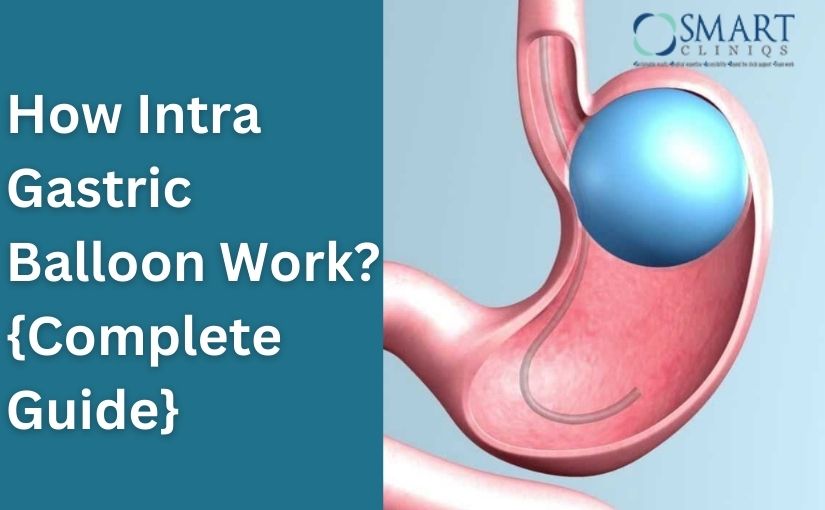
An Intra-Gastric Balloon is a soft, flexible, saline-filled balloon that is placed inside the stomach to help you lose weight. According to Dr Atul Peters’ clinical approach, it is a temporary weight-loss aid designed for people who want to reduce weight without undergoing surgery.

Key features:

  • Minimally invasive
  • No incisions or stitches
  • Placed and removed using endoscopy
  • Stays inside the stomach for 6 Months to 1 Year
  • Helps reduce food intake naturally

The balloon occupies space inside the stomach, making you feel full sooner, eat smaller portions, and reduce calorie intake—all essential changes required for healthy weight loss.

How Intra-Gastric Balloon Work?

To understand how this non-surgical weight-loss method works, it is important to know how the stomach regulates hunger and satiety.
How Intra-Gastric Balloon Work

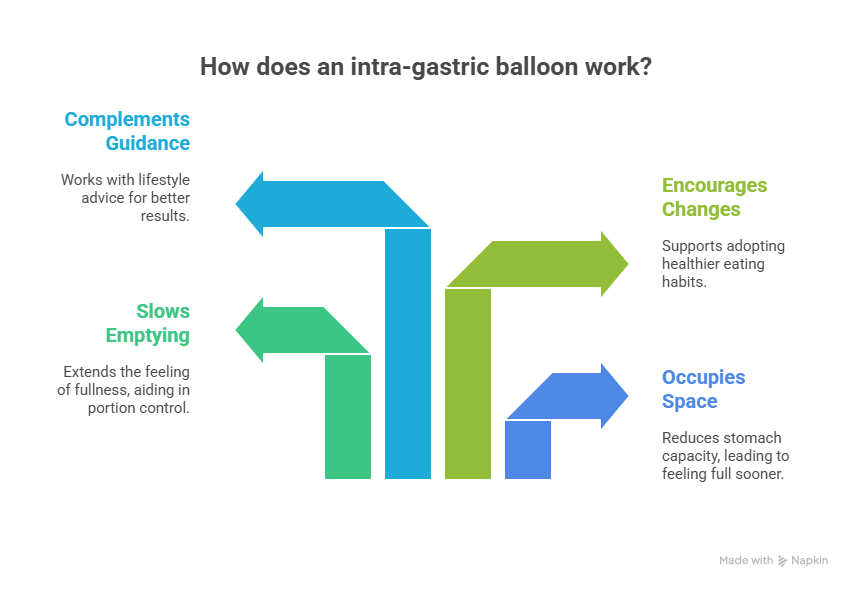
1. Occupies Space in the Stomach

The balloon is filled with sterile saline, allowing it to expand within the stomach. When it occupies space, it reduces the stomach’s capacity, meaning you feel full earlier than usual.

This directly leads to:

  • Smaller meal portions
  • Reduced appetite
  • Lower daily calorie intake

2. Slows Gastric Emptying

One of the most powerful mechanisms is the slowing of digestion. The balloon keeps food in the stomach for a longer time, resulting in:

  • Longer-lasting fullness
  • Fewer hunger episodes
  • Reduced cravings

This helps you avoid overeating and promotes steady weight reduction.

3. Encourages Positive Behavioural Changes

The balloon serves as a training tool to help you develop better stomach and eating habits. During the 6 months to 1 year, you naturally learn:

  • Portion control
  • Healthy eating
  • Regular meal timings
  • Balanced nutrition

These habits continue even after the balloon is removed, ensuring long-term weight maintenance.

4. Complements Lifestyle Guidance

Based on the process followed at Dr Atul Peters’ centre, the balloon works best when combined with:

  • Structured diet counselling
  • Regular follow-ups
  • Exercise recommendations
  • Behavioural support

This integrated care is what makes the treatment effective and sustainable.

Step-by-Step Explanation of the Intra-Gastric Balloon Procedure 

Here is the complete treatment journey explained in clear, simple steps:

1. Initial Consultation and Assessment

Before the procedure, the doctor evaluates:

  • Your BMI
  • Medical history
  • Existing conditions
  • Your readiness for lifestyle changes

This ensures that the balloon is the right choice for you.

Ideal candidates typically have a BMI of 23 or more (for Asians) and 25 or more (for others), especially those who cannot lose weight despite genuine efforts.

2. Endoscopic Balloon Placement (20–30 Minutes)

The balloon is placed inside the stomach using an endoscope—a thin, flexible tube with a camera.

Process:

  1. Mild sedation is given.
  2. No cuts or incisions are made.
  3. The deflated balloon is inserted through the mouth.
  4. Once positioned, the balloon is filled with sterile saline.
  5. The endoscope is removed.

Time required:

  • 20–30 minutes
  • Same-day discharge

3. Adaptation Phase (First 3–5 Days)

During the first few days, the stomach adjusts to the balloon.

You may experience:

  • Mild nausea
  • Vomiting
  • Abdominal discomfort

These symptoms settle quickly with medication.

4. Weight-Loss Phase (First 3–4 Months)

This is when the balloon works most effectively. The stomach capacity is reduced, digestion slows down, and hunger is reduced significantly.

Expected benefits:

  • Steady, consistent weight loss
  • Improved eating patterns
  • Better energy levels
  • Reduced dependence on junk food or overeating

5. Regular Follow-Ups and Lifestyle Support

Dr Atul Peters’ approach focuses strongly on follow-up care.

You receive:

  • Nutrition counselling
  • Exercise guidelines
  • Behavioural coaching
  • Monitoring of progress

This support ensures maximum results from the balloon.

6. Balloon Removal (Simple Endoscopy)

After 6 months to 1 year, the balloon is deflated and removed.

Process:

  1. Mild sedation is given.
  2. An endoscope is used to deflate the balloon.
  3. It is gently removed through the mouth.

There is no downtime—you can return to daily activities soon after.

Benefits of the Intra-Gastric Balloon Procedure
Benefits of the Intra-Gastric Balloon Procedure

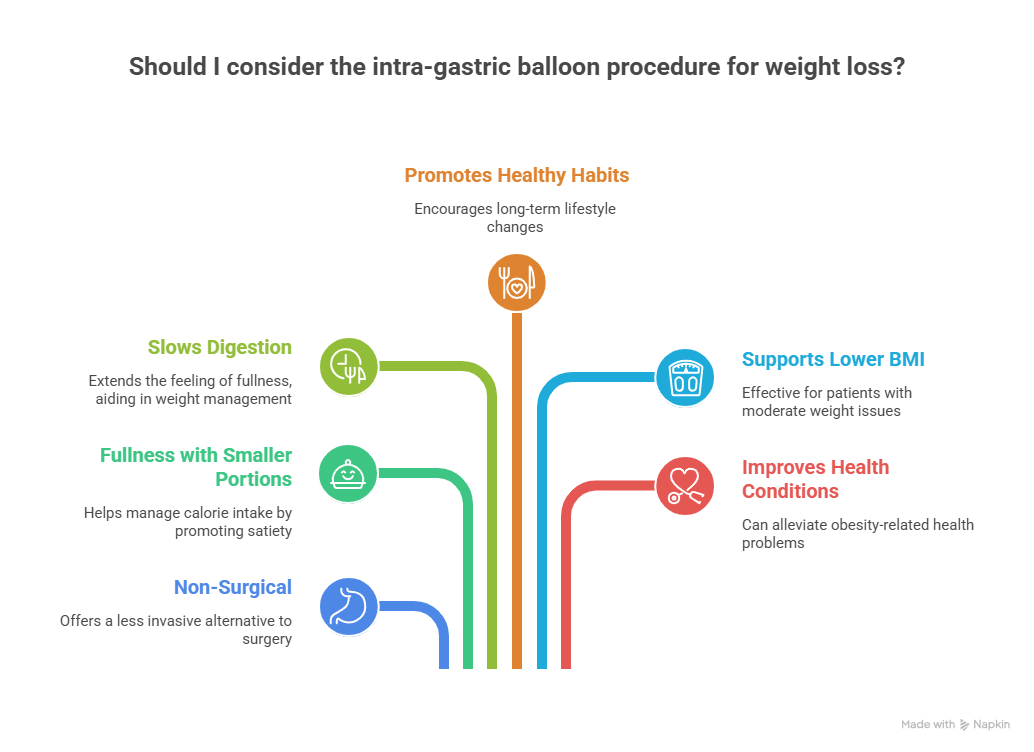
1. Non-Surgical Weight-Loss Option

The intra-gastric balloon offers a safe and effective way to lose weight without undergoing surgery. There are no cuts, stitches, or scars, as the entire process is done through endoscopy. This makes it suitable for people who want results but prefer to avoid surgical risks. Recovery is quick, and most individuals return home the same day.

2. Helps You Feel Full with Smaller Portions

The balloon occupies space in your stomach, reducing its capacity. As a result, you feel full sooner, even after eating less food than usual. This natural reduction in appetite helps limit calorie intake throughout the day. Over time, this leads to steady and noticeable weight loss.

3. Slows Down Digestion for Longer Satiety

With the balloon inside the stomach, food remains there longer before moving into the intestines. This slower gastric emptying helps you stay satisfied for extended periods. It also prevents frequent snacking and overeating, making weight loss more manageable. The overall effect supports consistent, healthy progress.

4. Promotes Healthy Eating Habits That Last

During the months that the balloon is inside, you gradually adapt to making better food choices and eating controlled portions. These lifestyle improvements continue even after the balloon is removed. This long-term behavioural change is one of the biggest advantages, helping you maintain the weight you lose.

5. Supports Weight Loss in Patients with Lower BMI

Unlike bariatric surgery, the intra-gastric balloon is ideal for individuals with a BMI of 23 or more (for Asians) and 25 or more (for others) who still struggle to lose weight. It provides medical support for people who are not eligible for surgical options but need help achieving healthy weight loss. This makes the procedure accessible to a wider range of individuals.

6. Helps Improve Obesity-Related Health Conditions

Losing weight through the balloon can reduce the severity of other health issues like diabetes, high blood pressure, cholesterol, sleep problems, and joint pain. As your weight decreases, the overall strain on your body also decreases. Many people observe improved energy levels and better overall wellness.

Possible Risks & Side Effects

The intra-gastric balloon is considered very safe, but temporary side effects may occur:

  • Nausea
  • Vomiting
  • Indigestion
  • Acid reflux
  • Stomach cramps

These usually settle within a few days with medication.

How Intra Gastric Balloon Work? {Complete Guide}

This article will help you understand how Intra Gastric Balloon works, who it is suitable for, what benefits to expect, and why this method is becoming a popular choice.

Book Your Appointment Today

Conclusion

The Intra-Gastric Balloon is an excellent non-surgical option for individuals who want to lose weight safely, effectively, and without undergoing invasive surgery. By reducing stomach space, slowing digestion, and helping build healthy habits, the balloon delivers noticeable weight loss within months.

When combined with structured lifestyle guidance—as offered by Dr Atul Peters’ team—patients can maintain long-term results, improve health, and transform their lifestyle for the better.

If you are considering an Intra Gastric Balloon in Delhi, consulting with an experienced specialist like Dr Atul Peters’ can help you understand the best treatment plan for your goals.

Frequently Asked Questions

How long does the Balloon stay in the stomach?

Two different systems of intra-balloon are used. In one type, it is recommended to be removed within 6 months to 1 year, and in the other type, the balloon can be kept for as long as one year.

 Is Balloon placement painful?

No. The process is performed under mild sedation, and there are no incisions.

Can I return home the same day?

Yes. Both placement and removal are daycare procedures.

Are there any dietary restrictions after placement?

For the first few days, a liquid diet is recommended, followed by soft foods, and eventually normal meals with guidance.

How much weight can I expect to lose?

Most patients lose 10–20% of their total body weight, especially if they follow lifestyle recommendations.

Can the balloon burst or leak?

Leakage is rare. Regular follow-ups ensure early detection and timely removal if needed.

Will I regain weight after removal?

If you continue healthy habits, long-term weight maintenance is achievable.

Who should avoid this treatment?

People with previous gastric surgery, pregnancy, large hiatal hernia, or severe stomach ulcers should avoid the procedure.

How Does Weight Loss Surgery Work? {Simple Guide}

Weight loss can be challenging for many people, especially when diet and exercise alone are not enough to manage severe obesity. In such cases, weight loss surgery becomes a powerful and safe option to help people reduce weight, improve health, and live a better life. But many patients still wonder — how does weight loss surgery work? Is it safe? How does it actually help in losing weight and keeping it off?

This detailed guide explains how weight loss surgery works, what happens inside the body, the benefits, types of procedures, and everything you need to know before choosing this treatment. If you are considering Weight Loss Surgery in Delhi, specialists like Dr. Atul Peter’s offer advanced, safe, and effective options tailored to individual needs.

How Does Weight Loss Surgery Work?

This detailed guide explains how weight loss surgery works, what happens inside the body, the benefits and types of procedures.

Book Your Appointment Today

Understanding Weight Loss Surgery

Weight loss surgery, also known as bariatric surgery, includes different medical procedures that help people lose weight by changing how their stomach and digestive system work. These surgeries are designed for those who are unable to lose weight with regular methods or who have health problems due to obesity, such as:

  • Diabetes
  • High blood pressure
  • Sleep apnea
  • Joint pain
  • Fatty liver disease

But before choosing surgery, patients often ask, Why does weight loss surgery work? and how weight loss surgery works on a long-term basis. The answer lies in two powerful mechanisms:

  1. Restriction – making the stomach smaller
  2. Malabsorption – changing the way the body absorbs calories

Types of Weight Loss Surgeries

Types of Weight Loss Surgeries

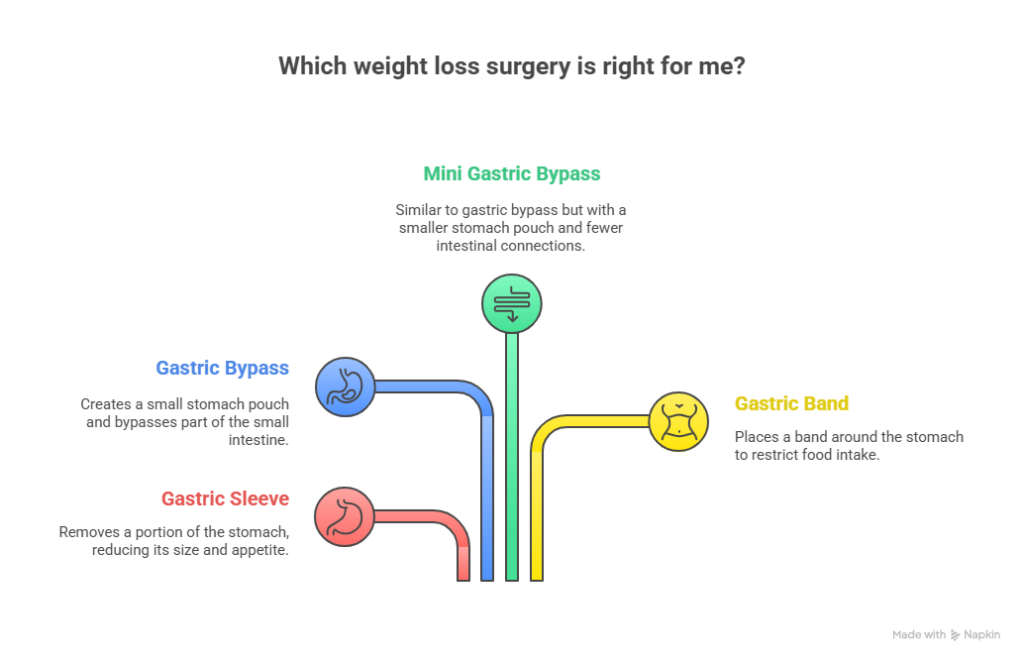
1. Gastric Sleeve Surgery

Gastric sleeve surgery removes about 70–80% of the stomach, leaving a thin, tube-like sleeve. Because the stomach becomes smaller, patients feel full faster and naturally eat less. The surgery also reduces the hunger hormone, which helps control appetite. It is one of the most commonly performed procedures due to its simplicity and strong results.

2. Gastric Bypass Surgery

In gastric bypass, the surgeon creates a small stomach pouch and reroutes a part of the intestine. This reduces how much food you can eat and how many calories your body absorbs. It has a powerful impact on weight loss and diabetes management. The procedure works through restriction, malabsorption, and hormonal changes.

3. Mini Gastric Bypass Surgery

Mini gastric bypass involves creating a long, narrow stomach pouch and bypassing a part of the intestine with a single connection. It offers excellent weight loss results with a shorter, simpler surgery compared to traditional bypass. The procedure reduces calorie absorption and improves metabolic health. It is highly effective for obesity-related conditions like diabetes.

4. Gastric Band Surgery

In this procedure, a soft silicone band is placed around the upper part of the stomach to create a small pouch. The band can be tightened or loosened according to weight loss progress. This limits how much food you can eat at one time. Though used less today, it offers a non-permanent and adjustable option.

How does Weight Loss Surgery Work?

1. By Reducing the Size of the Stomach (Restriction)

Weight loss surgery makes the stomach much smaller, so it can hold only a limited amount of food. This means you feel full quickly even after eating small portions. Because you naturally eat less, your daily calorie intake drops significantly. This restriction is one of the main reasons weight loss begins immediately after surgery.

2. By Changing How the Body Absorbs Calories (Malabsorption)

Some surgeries reroute a portion of the small intestine, reducing how many of calories and nutrients your body absorbs. With fewer calories entering the bloodstream, weight loss becomes faster and more consistent. This also lowers fat absorption, which helps improve cholesterol levels. Malabsorption supports long-term weight control when combined with healthy habits.

3. By Changing Hunger and Fullness Hormones

Weight loss surgery reduces the production of ghrelin, the hormone that makes you feel hungry. At the same time, it increases hormones that promote fullness and stabilize blood sugar. This helps reduce cravings and emotional eating naturally. These hormonal shifts play a major role in long-term success and explain why weight loss surgery works so effectively.

4. By Improving Metabolism

After surgery, the digestive system communicates more efficiently with the brain, helping regulate appetite and energy usage. Your metabolism improves, allowing the body to burn calories more effectively. Many patients also experience better control of diabetes and insulin levels. This internal reset helps maintain weight loss for years.

What Happens Inside the Body After Weight Loss Surgery?

Understanding the internal changes helps explain how does weight loss surgery work in real life.

What Happens Inside the Body After Weight Loss Surgery

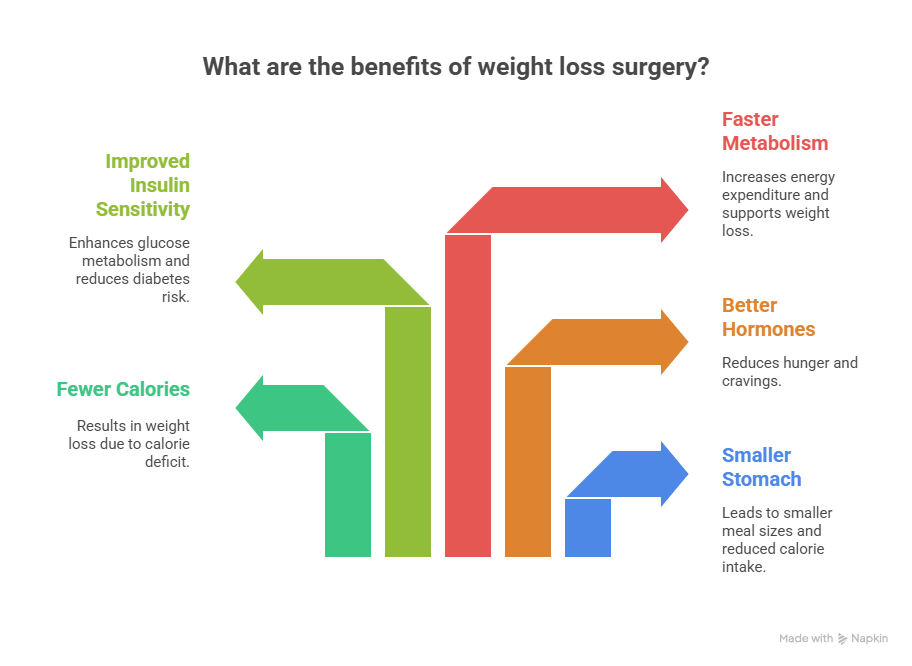
1. Smaller Stomach ? Smaller Meals

You can no longer eat large quantities of food. Even 3–4 small bites can make you full.

2. Fewer Calories = Weight Loss

Since food intake reduces, your body uses stored fat as energy.

3. Better Hormones = Less Hunger

After stomach size is reduced, hormones that cause hunger are reduced naturally.

4. Improved Insulin Sensitivity

This is why weight loss surgery is extremely effective for:

5. Faster Metabolism

Your body burns calories more efficiently, especially in the first 12–18 months.

Who Should Consider Weight Loss Surgery?

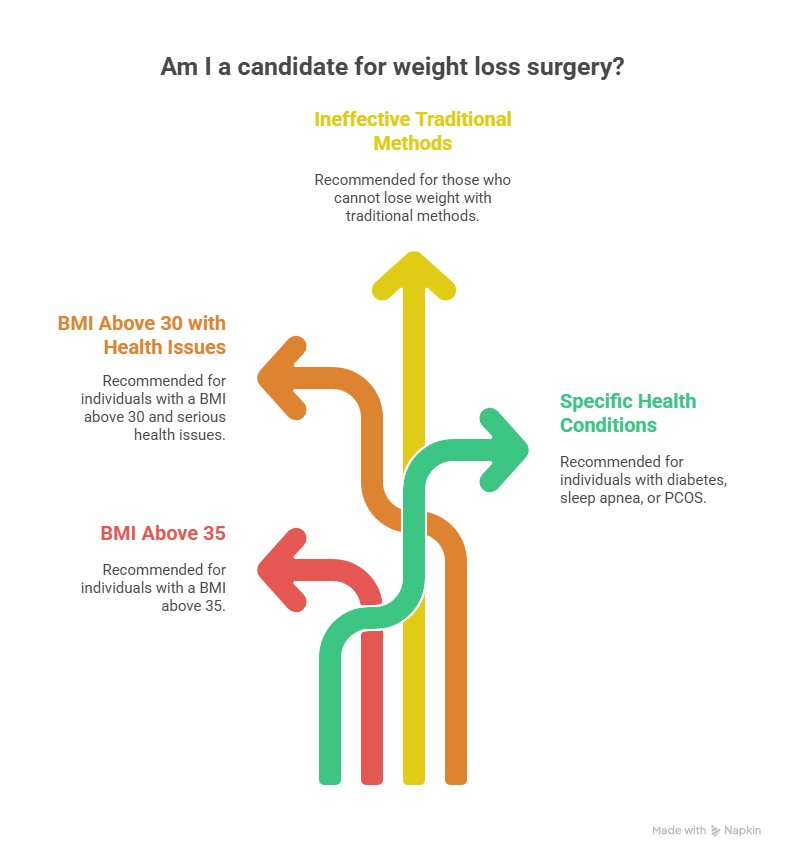
This surgery is usually recommended for:

Who Should Consider Weight Loss Surgery
  • People with a BMI above 35
  • People with a BMI above 30 and serious health issues
  • Those who cannot lose weight with traditional methods
  • Those with diabetes, sleep apnea, or PCOS

If you’re considering Weight Loss Surgery, advanced centers and experts like Dr. Atul Peter’s offer world-class treatment, personalized plans, and safe outcomes.

Weight loss depends on:

  • Type of surgery
  • Lifestyle changes
  • Medical condition

On average:

  • Gastric Sleeve – 25–35% of total body weight
  • Gastric Bypass – 30–40%
  • Mini Bypass – 35–45%

Most patients lose 70–90% of excess weight within 12–18 months.

How Does Weight Loss Surgery Work?

This detailed guide explains how weight loss surgery works, what happens inside the body, the benefits and types of procedures.

Book Your Appointment Today

Risks and Side Effects

All surgeries have some risks, but weight loss surgery is considered safe when done by experienced surgeons.

Possible side effects:

  • Nausea
  • Vitamin deficiency
  • Mild weakness
  • Changes in bowel habits

Most of these are manageable with proper care and follow-up.

Conclusion

Weight loss surgery is one of the most effective and long-lasting treatments for obesity. It works by reducing stomach size, changing digestion, controlling hunger hormones, and improving metabolism. These combined effects explain how does weight loss surgery work, how weight loss surgery works, and why it works so well.

For individuals seeking safe, customized, and trusted Weight Loss Surgery in Delhi, specialists like Dr. Atul Peter’s offer world-class care and advanced treatment options.

Frequently Asked Questions

How does Weight Loss Surgery work?

Weight loss surgery makes your stomach smaller and changes how your body absorbs food. This helps you eat less, feel full faster, and lose weight naturally.

Is Weight Loss Surgery safe?

Yes. Modern procedures are safe, minimally invasive, and performed with advanced technology. Risks are low when performed by an experienced surgeon.

How long does it take to lose Weight after surgery?

Most people lose weight quickly in the first 6 months and continue losing for up to 18 months.

Will I gain weight again after surgery?

If you follow a diet, exercise, and regular follow-ups, long-term results are excellent. Weight regain happens only when lifestyle rules are not followed.

Who is a good candidate for Weight Loss Surgery?

People with high BMI, obesity-related health problems, or those unable to lose weight through normal methods.

Is Weight Loss Surgery permanent?

Yes. Most procedures give long-term results. However, success depends on healthy habits.

How Long is Laparoscopic Gallbladder Surgery?

Gallbladder problems such as gallstones or inflammation often require surgery to remove the gallbladder — a procedure known as cholecystectomy. Among the two main surgical approaches, laparoscopic gallbladder surgery is the most preferred because it’s minimally invasive, less painful, and offers a quicker recovery compared to open surgery.

If you are planning to undergo this surgery, one of the most common questions patients ask is — “How long is laparoscopic gallbladder surgery?” Understanding the time involved, both during and after the operation, helps you prepare physically and mentally for the procedure.

How Long is Laparoscopic Gallbladder Surgery?

If you are planning to undergo this surgery, one of the most common questions patients ask is — “How long is laparoscopic gallbladder surgery?”

Book Your Appointment Today

Let’s explore in detail how long laparoscopic gallbladder surgery takes, what factors influence the duration, and what to expect before, during, and after the procedure.

Understanding Laparoscopic Gallbladder Surgery

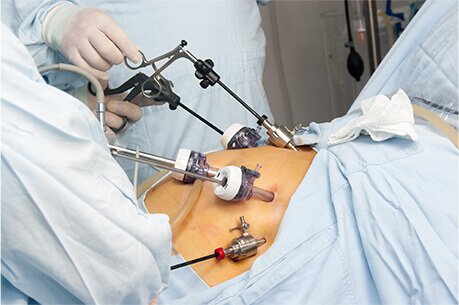
Laparoscopic gallbladder surgery is a modern surgical method used to remove the gallbladder through tiny incisions. Surgeons use a laparoscope, a thin tube with a camera and light, to view internal organs on a screen. This technique offers a precise and safer alternative to traditional open surgery, which requires a larger incision.

The surgery is commonly performed to treat:

  • Gallstones causing pain or infection
  • Inflammation of the gallbladder (cholecystitis)
  • Blockages in the bile ducts
  • Gallbladder polyps

Because of its precision and minimal invasiveness, this procedure has become the standard treatment worldwide, with a very high success rate.

How Long is Laparoscopic Gallbladder Surgery?

The average duration of laparoscopic gallbladder surgery typically ranges between 15 to 20 minutes. However, the exact time for laparoscopic gallbladder surgery can vary depending on several factors such as the complexity of the case, the surgeon’s experience, and the patient’s health condition.

So, in total, from hospital arrival to discharge (if it’s a same-day procedure), patients may spend around 4–6 hours at the hospital.

Step-by-Step Timeline of the Procedure

Gallbladder Surgery Timeline

To understand the operation time for gallbladder removal, let’s look at what happens step-by-step:

1. Preoperative Preparation (30–45 minutes)

Before the procedure begins, you’ll be:

  • Checked for vital signs
  • Given anesthesia
  • Connected to monitoring equipment
  • Cleaned and sterilized in the surgical area

This phase ensures your body is stable and ready for surgery.

2. Anesthesia Induction (10–15 minutes)

A general anesthetic is administered so you remain asleep and pain-free during surgery. It takes about 10–15 minutes for anesthesia to take full effect.

3. Surgical Process (15–20 minutes)

The actual laparoscopic gallbladder surgery time varies based on the difficulty level. Here’s what typically happens:

  1. Incisions: The surgeon makes 3–4 small incisions in the abdomen.
  2. Insertion of Laparoscope: A small camera is inserted to visualize internal organs.
  3. Removal of Gallbladder: The surgeon detaches and removes the gallbladder carefully.
  4. Inspection: The area is checked for any bleeding or leakage.
  5. Closure: The incisions are sealed with sutures or surgical glue.

If there are complications, such as dense scar tissue or severe inflammation, the surgery might take longer or be converted to an open procedure.

4. Post-Surgery Observation (30–45 minutes)

After the surgery, you’ll be moved to the recovery room. The medical team monitors your vital signs and ensures the anesthesia wears off safely. Once you are awake and stable, you’ll be allowed to go home the same day in most cases.

Factors That Affect the Duration of Surgery

Several elements can influence how long gallbladder surgery takes, including:

1. Patient’s Health Condition

A patient’s overall health plays a key role in how long laparoscopic gallbladder surgery takes. People with obesity, diabetes, or a history of abdominal surgeries may have internal scar tissue that makes the procedure more complex. These factors require the surgeon to work carefully around delicate areas, which can extend the operation time. Healthy patients with no prior complications generally experience shorter surgery durations and faster recovery.

2. Type of Gallbladder Problem

The kind of gallbladder issue being treated affects the total time for laparoscopic gallbladder surgery. For example, routine gallstone removal is often completed within 15-20 minutes. However, when there’s severe inflammation, infection, or gallbladder swelling, the surgeon must proceed slowly and cautiously. 

3. Surgeon’s Experience

The experience and precision of the surgeon significantly influence the time required for laparoscopic gallbladder surgery. A highly skilled surgeon, such as Dr. Atul Peter’s is the Best Gallbladder Surgeon in Delhi, can operate efficiently while maintaining patient safety. Their expertise enables them to manage complex anatomy or unexpected complications more effectively, which helps minimize surgical duration and improve overall success rates.

4. Presence of Complications

Unexpected complications during surgery, such as bleeding, bile duct injury, or dense adhesions, can increase the overall duration of the procedure. In such cases, the surgeon may require additional time to carefully control bleeding, identify key structures, and ensure a safe removal process. While this may add 30–60 minutes to the surgery, these precautions are crucial to prevent post-surgical issues and ensure long-term recovery success.

What Happens After Laparoscopic Gallbladder Surgery?

After your surgery, you’ll likely experience mild discomfort or bloating, which improves within a few days. Pain medications and dietary guidelines are provided to help with recovery.

post operative care after gallbladder surgery

Typical post-operative care includes:

  • Eating light meals
  • Staying hydrated
  • Avoiding greasy or spicy foods
  • Walking to promote circulation
  • Following up with your surgeon

If you experience symptoms like fever, persistent pain, or vomiting, contact your doctor immediately.

Benefits of Laparoscopic Gallbladder Surgery

Laparoscopic gallbladder removal offers several advantages over open surgery, such as:

  • Smaller incisions and minimal scarring
  • Less pain and blood loss
  • Faster recovery and shorter hospital stay
  • Lower risk of infection
  • Early return to daily life

Because of these benefits, most surgeons recommend the laparoscopic approach for gallbladder removal whenever possible.

How Long is Laparoscopic Gallbladder Surgery?

If you are planning to undergo this surgery, one of the most common questions patients ask is — “How long is laparoscopic gallbladder surgery?”

Book Your Appointment Today

Summary

In most cases, laparoscopic gallbladder surgery takes around 15-20 minutes, depending on the complexity of the condition and the patient’s overall health. Including preoperative preparation and recovery room observation, the entire hospital process may last about 4–6 hours. Since it is a minimally invasive procedure, patients experience less pain, smaller scars, and faster recovery compared to traditional open surgery.

Choosing an experienced specialist like Dr. Atul Peter’s, widely recognized as the Best Gallbladder Surgeon in Delhi, ensures a safer, quicker, and more efficient surgery. With advanced laparoscopic techniques and personalized care, patients can return to normal life within a few weeks and enjoy long-term relief from gallbladder-related discomfort.

Frequently Asked Questions

How long is laparoscopic Gallbladder Surgery?

The procedure usually takes 15-20 minutes, depending on the complexity and the surgeon’s expertise.

Is Laparoscopic Gallbladder Surgery Painful?

No, you’ll be under general anesthesia during the operation. Some mild discomfort may occur after surgery, but it can be managed with pain relief medication.

Do I need to stay in the hospital after Gallbladder surgery?

Most patients go home the same day, but in some cases, a one-night hospital stay may be advised.

When can I return to work after Gallbladder surgery?

You can usually return to work within 1–2 days if your job doesn’t involve heavy physical activity.

Can I live a normal life without a Gallbladder?

Yes, absolutely. Your body adapts, and bile flows directly from the liver to the intestine, allowing normal digestion.

What should I eat after Gallbladder surgery?

Stick to light, low-fat meals for the first few days. Avoid greasy, fried, or spicy foods to prevent digestive discomfort.

Is it possible for Gallstones to come back after surgery?

No, since the gallbladder is removed, new gallstones cannot form there. However, bile duct stones can rarely occur, which need separate evaluation.

How Do You Lose Weight After Bariatric Surgery?

Bariatric surgery is a major step toward overcoming obesity and achieving lasting weight loss. But many patients wonder — how do you lose weight after bariatric surgery?

The truth is, surgery alone doesn’t make the weight disappear overnight. It’s a tool that helps you eat less, feel full faster, and improve your metabolism. Long-term success depends on your commitment to follow a proper diet, stay active, and maintain healthy habits.

How Do You Lose Weight After Bariatric Surgery?

“Bariatric surgery is a major step toward achieving weight loss. But many patients wonder — how do you lose weight after bariatric surgery?”

Book Your Appointment Today

The surgery changes your digestive system to help reduce calorie intake and absorption, leading to steady and safe weight loss. Under the guidance of specialists like Dr. Atul Peters, who performs Bariatric Surgery in Delhi, patients can experience both physical transformation and improved overall health.

Understanding Bariatric Surgery

Before exploring what happens after surgery, it’s important to understand how bariatric surgery helps you lose weight.

There are several types of procedures—such as gastric sleeve, gastric bypass, and adjustable gastric banding—but they work in similar ways:

  1. Restriction: The size of the stomach is reduced, so you feel full quickly and eat smaller portions.
  2. Malabsorption: Some surgeries alter the digestive tract so the body absorbs fewer calories and nutrients.

These changes help control hunger, improve metabolism, and promote gradual fat loss while improving conditions like diabetes, high blood pressure, and joint pain.

How Does Bariatric Surgery Help You Lose Weight?

Bariatric Surgery Help You Lose Weight

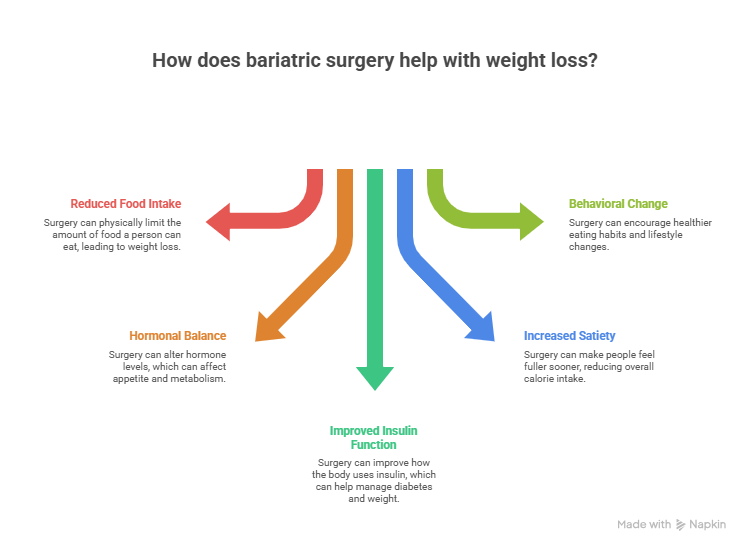
Bariatric surgery affects your body biologically and hormonally to make weight loss more achievable:

1. Reduced Food Intake

After surgery, your smaller stomach can hold only a small amount of food. This helps reduce calorie consumption drastically.

2. Hormonal Balance

The surgery reduces hunger hormones like ghrelin, leading to lower appetite and better control over cravings.

3. Improved Insulin Function

Better insulin sensitivity helps control blood sugar levels and supports fat burning.

4. Increased Satiety

You feel full sooner and for longer periods, preventing overeating.

5. Behavioral Change

Over time, you learn mindful eating habits—focusing on nutrition, portion control, and chewing slowly.

How Much Weight Loss After Bariatric Surgery Can You Expect?

The amount of weight loss varies depending on the type of surgery, your age, initial weight, and commitment to lifestyle changes. On average:

  • Gastric Sleeve Surgery: Patients may lose 60–70% of excess body weight in 12–18 months.
  • Gastric Bypass Surgery: Typically results in 70–80% excess weight loss within 12–18 months.

For example, someone who is 100 kg overweight may lose around 60–80 kg after successful surgery and lifestyle adaptation.

However, to achieve these results, following post-operative guidelines is crucial. Let’s explore how to ensure healthy and sustainable weight loss after bariatric surgery.

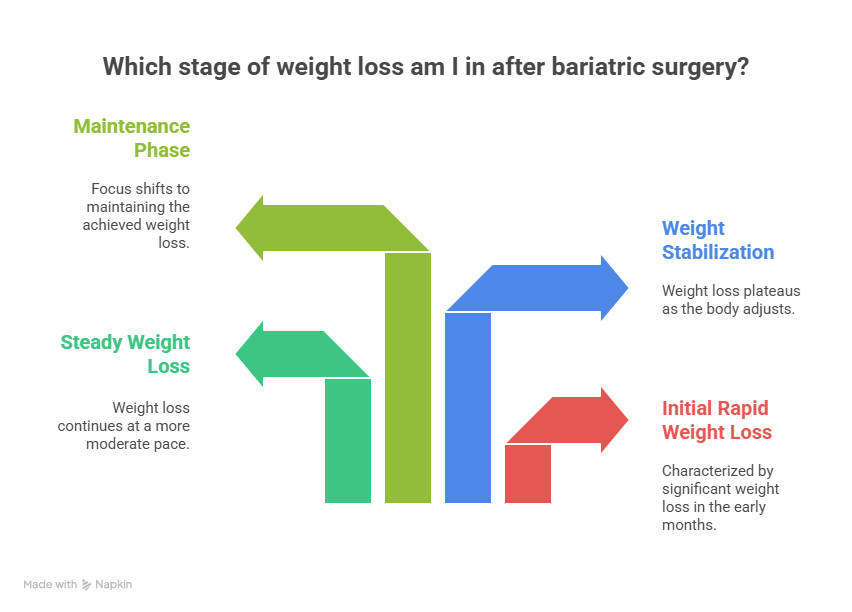
Stages of Weight Loss After Bariatric Surgery

Stages of Weight Loss After Bariatric Surgery

Your weight loss journey unfolds in several phases:

1. Initial Rapid Weight Loss

During the first few months, you’ll notice a significant drop in weight due to reduced calorie intake and smaller meal portions. Most patients lose 25–30% of their excess weight during this period.

2. Steady Weight Loss

Your body adjusts to new eating habits, and you continue losing weight steadily. This is when exercise, balanced nutrition, and hydration become crucial to maintain fat loss and muscle strength.

3. Weight Stabilization 

After about a year or two, weight loss slows down as your body stabilizes. This is the time to focus on maintaining your weight rather than losing more.

4. Maintenance Phase

Once your body reaches a new normal weight, ongoing discipline with food and exercise ensures you keep the weight off long-term.

Post-Surgery Diet Phases

Following the proper post-surgery diet is crucial for recovery and long-term success. It ensures your body adapts safely while promoting gradual weight loss.

Phase 1 – Clear Liquid Diet (During Hospital Stay)

  • Water, clear soups, and coconut water to stay hydrated.
  • Avoid caffeine and sugar.
  • Take small sips throughout the day.

Phase 2 – Full Liquid Diet (2 Weeks from the Day of Discharge)

  • Protein shakes, skimmed milk, and strained soups.
  • Drink slowly and avoid gulping.

Phase 3 – Pureed Food Diet (3rd and 4th Week)

  • Soft, blended foods like mashed lentils, pureed vegetables, and scrambled eggs.
  • Eat small portions several times a day.

Phase 4 – Soft to Normal Diet (after completing a month post-surgery)

  • Cooked vegetables, soft fruits, and minced chicken or fish.
  • Focus on high-protein meals for healing and strength.

Phase 5 – Regular Balanced Diet (After 6 Weeks)

  • Include lean meats, vegetables, and whole grains.
  • Avoid processed, fried, and sugary foods.
  • Maintain portion control and chew food well.

Behavioral Guidelines After Bariatric Surgery

Healthy eating behavior is key to sustaining your results after surgery. Here are some essential habits that support lasting success:

  • Eat five small meals daily instead of large portions.
  • Chew thoroughly and eat slowly.
  • Avoid drinking liquids during meals and for 30 minutes before or after eating.
  • Always prioritize proteins like eggs, chicken, and fish before other foods.
  • Stop eating when you feel satisfied—not overly full.
  • Avoid distractions like television or mobile phones while eating.

Practicing mindful eating not only aids digestion but also prevents overeating and discomfort.

Exercise and Physical Activity After Bariatric Surgery

Exercise complements your diet and accelerates fat loss. It also helps tone your body and improve mood and energy levels.

Post-Surgery Exercise Plan:

Post Bariatric Surgery Exercise Plan
  1. Week 1–2: Gentle walking for 10–15 minutes daily.
  2. Week 3–6: Light stretching and low-impact exercises.
  3. After 6 Weeks: Gradually start moderate-intensity workouts like cycling, yoga, or swimming.
  4. After 3 Months: Add strength training and resistance exercises for muscle toning.

Aim for at least 150 minutes of physical activity per week. Always consult your surgeon or physiotherapist before starting any exercise routine.

Mental and Emotional Adjustments

Weight loss surgery changes more than just your body—it also affects your emotions and self-image.
You may face new challenges such as:

  • Adjusting to smaller meals.
  • Managing emotional eating habits.
  • Dealing with changing social situations involving food.

Joining a support group or working with a nutritionist and psychologist can help you stay motivated and overcome setbacks.

Common Challenges After Bariatric Surgery

While the results are life-changing, some people face difficulties such as:

  • Plateau in weight loss: This can happen if calorie intake increases or exercise decreases.
  • Vitamin deficiencies: Due to reduced food absorption, you may need supplements like B12, iron, and calcium.
  • Loose skin: Significant weight loss may cause excess skin, which can be managed through exercise or later surgery.

These challenges are manageable with proper medical guidance from specialists like Dr. Atul Peter’s, a renowned expert in Bariatric Surgery.

How Do You Lose Weight After Bariatric Surgery?

“Bariatric surgery is a major step toward achieving weight loss. But many patients wonder — how do you lose weight after bariatric surgery?”

Book Your Appointment Today

Long-Term Success and Lifestyle Changes

The most successful bariatric patients view surgery as a tool, not a shortcut. They continue to eat healthily, stay active, and maintain positive habits for life.
Long-term weight maintenance involves:

  • Continue follow-up with your bariatric team.
  • Regular checkups for nutrition and vitamin levels.
  • A balanced approach to food, exercise, and mental health.

With proper discipline, you can enjoy not only weight loss but also improved confidence, energy, and overall quality of life.

Summary

Bariatric surgery provides a safe and effective means of losing excess weight, regaining confidence, and enhancing overall health. But it works best when you actively participate in your recovery.

By following your dietary guidelines, exercising regularly, and adopting mindful eating habits, you can achieve long-term success. Under the expert care of Dr. Atul Peter’s, a leading specialist in Bariatric Surgery in Delhi, patients experience not just weight loss, but an overall improvement in quality of life.

The surgery gives you a strong foundation — your commitment to healthy living ensures the transformation lasts a lifetime.

Frequently Asked Questions

How quickly do you lose weight after Bariatric surgery?

Most patients begin to lose weight within the first 2–4 weeks. The most rapid weight loss happens in the first 3–6 months, followed by gradual, steady progress.

How much weight can I expect to lose after Bariatric surgery?

Typically, patients lose about 60–80% of their excess body weight within 12–18 months, depending on the type of surgery and lifestyle changes.

Can weight loss stop after Bariatric surgery?

Yes, it can plateau temporarily. Reassessing your diet, increasing physical activity, and following your surgeon’s advice can help you overcome the plateau.

Will I regain weight after Bariatric surgery?

Some regain is possible if you return to unhealthy eating habits or stop exercising. However, with consistent effort, long-term results are achievable.

Do I need to take vitamins after Bariatric surgery?

Yes. Since the surgery can affect nutrient absorption, doctors often recommend supplements like Vitamin B12, D, calcium, and iron.

Is exercise necessary after Bariatric surgery?

Absolutely. Exercise boosts fat loss, improves metabolism, tones muscles, and supports overall well-being.