
How to Increase Metabolism to Lose Weight

How to Increase Metabolism to Lose Weight: Effective Strategies

Before asking how to increase metabolism to lose weight, you should know what metabolism is. Losing weight and burning calories becomes easier when you understand how metabolism works.

Metabolism is like your body’s engine, turning food into energy and burning calories. But wait. It’s not just that.

Metabolism also affects your blood flow, crucial bodily functions (body temperature, waste elimination, brain functioning), and overall vitality.

Here is a personalized guide for you that will teach you the answer to how to increase metabolism to lose weight – nothing complicated, just pure science giving terrific results.

Understanding Metabolism

Metabolism encompasses all the functions within your body that help keep your body alive, such as breathing and digestion of food. Guess what, these processes are fuelled when the digestive system breaks down foods into sugars and acid and the body utilizes them.

A higher metabolism means that your body burns calories faster, which means you will naturally maintain a healthy weight. Age, genetics, medical conditions as well as the level of activity that you participate in daily impact your metabolism. Although it’s impossible to be in control of all the variables but there are many ways to increase metabolism for losing weight in a heathy manner.

Foods That Act as Natural Metabolism Boosters

Food is fuel for your body. So, being mindful of whatever you eat can help you with your question of “how to increase metabolism?”. Don’t just go on eating whatever you grab. Incorporating certain foods into your diet can make a significant difference in how your body burns calories. Here are some foods that are metabolism boosters:

  1. Protein-rich foods: Foods like chicken, fish, eggs, and beans need more energy to digest, which can temporarily increase metabolism to lose weight.
  2. Spicy foods: Chili peppers contain something called capsaicin, which can help your body burn calories. Indian spices like pepper, ginger, and cinnamon can be incorporated into your food for a metabolic boost.
  3. Green tea and coffee: These drinks are packed with specific ingredients such as catechins that help with metabolism.
  4. Whole grains and fiber-rich foods: Foods like oats, brown rice, legumes, nuts and seeds take longer to digest and keep you full for a longer time which can help burn more calories.
  5. Water: Staying hydrated keeps your metabolism running smoothly. Even mild dehydration can slow it down.

Lifestyle changes to increase metabolism and burn calories

Have you ever wondered how your daily routine and lifestyle might be affecting your metabolism and calories? Just some simple tweaks here and there and your metabolism will be soaring. Here are some tips on boosting metabolism and how to burn calories in an effective manner:

  1. Get enough sleep: When you don’t sleep well, it slows down your metabolism and makes you feel hungrier. So, aim for a minimum of 7 hours of sleep time.
  2. Eat smaller, more frequent meals: Eating healthy food every 3-4 hours in small portions keeps your metabolism active all day.
  3. Stay active and move your body: Simple things like walking more or taking the stairs can help.
  4. Manage stress: Too much stress can mess up your hormones, particularly cortisol, and slow down your metabolism.
  5. No sugar, only water: Consuming sugar in the form of drinks and snacks will negatively impact metabolism and lead to weight gain. 

Exercises to Enhance Metabolism and Shed Pounds

Insufficient physical activity and your sedentary lifestyle can ruin the progress that you make with diet changes. That is why incorporating exercise is necessary to speed up your metabolism. Here are some exercise types to try:

  1. Strength training: More muscle means more calories that you will be burning. So, building muscle helps you even when you’re resting.
  2. High-Intensity Interval Training (HIIT): Short bursts of hard exercise followed by rest can boost your metabolism for hours. Exercises that include cardio like running, cycling, or swimming can help burn calories and increase your metabolism. For example, sprint for 1 minute followed by a walk of 2 minutes. Repeat this cycle for a 30-minute routine.
  3. Functional exercises: Movements like lunges, squats, and burpees engage several muscles at the same time and help you burn more calories.

Try to incorporate a mixture of these workouts into your daily routine. Mixing these activities without stopping for as little as 15 minutes will push your heart rate and boost your metabolic rate.

Fast Metabolism: Facts You Should Know

Having a “fast metabolism” means your body burns calories quickly, even when you’re resting. You might have wondered why for some people it is easy to maintain their weight effortlessly. This is because people with a naturally fast metabolism often find it easier to stay at a healthy weight.

Your metabolic rate is influenced by other factors as well like your age and genetics and your hormone levels. But you can know how your metabolism is working by keeping track of the lifestyle that you are maintaining.

Common Metabolism Myths Debunked

Surprisingly, there are some things people say about metabolism that are not true. Some of these myths sound too good to be true. Let’s clear up a few myths:

Myth 1: Skipping meals speeds up your metabolism.

Truth: Skipping meals can slow it down and make you eat a lot more later.

Myth 2: Your metabolism slows down a lot as you age.

Truth: Staying active and eating well will help keep your metabolism strong.

Myth 3: Eating late at night makes you gain weight.

Truth: It’s more about how many calories you eat in total, not when you eat them.

Myth 4: Intense training and exercise will boost metabolism

Truth: While strength training and cardio activities help with your metabolism, doing a lot of it will tire you and cause you pain.

Knowing the truth about these myths can help you make better choices. Metabolism is not so complex to deal with. There are no quick fixes, just some changes that you will have to make in your lifestyle and diet.

How Weight Loss Surgery Cost Relates to Metabolic Health

Certain health conditions like severe obesity with BMI ? 40 kg/m², obesity-related comorbidities (diabetes and osteoarthritis), and commitment to lifestyle changes disallow people to lose weight. For them, weight loss surgery can be a way to improve their health. These surgeries can change the way the body handles food, making it easier to burn calories.

Weight loss surgery cost in Delhi may cost you anywhere from 2,50,000 Rs to 5,00,000 Rs. The cost is influenced by several factors like the surgeon and the hospital of your choice and the post-operative care that is provided. Talking to your doctor is important to see if weight loss surgery is the right choice for you.

Conclusion: Achieving Your Weight Loss Goals

Boosting your metabolism is all about eating right, staying active, and making smart lifestyle choices. By following these tips on how to increase metabolism to lose weight, you’ll be on your way to reaching your health goals. You should remember, that even small changes can make a big difference. So, start today and enjoy the journey to a healthier you!


Reference article links:

  1. https://www.healthline.com/nutrition/10-ways-to-boost-metabolism#eat-protein
  2. https://www.medicalnewstoday.com/articles/323328
  3. https://health.clevelandclinic.org/can-you-boost-your-metabolism-for-weight-loss
  4. Metabolic Consequences of Weight Reduction – StatPearls – NCBI Bookshelf

How to Plan a Bariatric Meal

After bariatric surgery, your relationship with food transforms. Proper meal planning becomes crucial for successful recovery, sustained weight loss, and long-term health. Making a bariatric-friendly meal plan may seem daunting at first, but with the right approach, it can be enjoyable, fulfilling, and easy to maintain.

In this blog, we’ll explore the vital aspects of bariatric meal planning, from understanding nutritional requirements to opting for the right ingredients and creating a bariatric-friendly meal that’s as delicious as it is nourishing.

Post-Bariatric Nutritional Needs Uncovered

Bariatric surgery significantly alters your digestive system, necessitating a conscious approach to nutrition. Prioritizing the right nutrients is crucial for optimal recovery. Here’s a breakdown of key nutritional considerations:

Protein: Takes the Centre Stage

    When you undergo bariatric surgery, your stomach size decreases significantly, meaning you can only eat smaller portions at a time. This reduction in food intake makes it more challenging to get the right amount of nutrients, including protein.

    • Why it’s important: Protein, for bariatric patients, is essential for tissue repair, bodybuilding, immune function, and satiety.
    • What to eat: Incorporate lean protein sources like chicken, fish, eggs, and vegetarian sources like low fat milk and milk products, soy and soy products, pulses and legumes or nuts into every meal.

    Carbohydrates: A Balanced Approach

    Carbohydrates are needed after bariatric surgery but in moderation and with a focus on the right type of carbs to support recovery and long-term health. While protein takes priority for healing and maintaining muscle mass, carbohydrates play an essential role in providing energy, supporting brain function, and ensuring the proper functioning of the body. Post-surgery, the focus should be on low-glycemic, nutrient-dense carbs that provide vitamins, minerals, and fiber.

    What to eat:

    Opt for complex carbohydrates like whole grains (quinoa, bajra, jowar, brown rice, and oats), whole pulses and legumes (moong dal, masoor dal, chickpeas, and Rajma), all seasonal non-starchy vegetables like spinach, broccoli, cauliflower, zucchini, and capsicum and low-sugar fruits (berries, guava, oranges, and apples; avoid high-sugar options like mangoes, grapes, dates etc.)

    Choose Low-Calorie, High-Fiber Alternatives

    These fibre-rich foods will help you feel full, aid in digestion, and contribute to a healthy, balanced bariatric diet. Opt for cooking methods like steaming, boiling, or grilling, and avoid deep-frying to keep the meals low-calorie. Here are some helpful bariatric diet tips:

    What to eat:

    • Vegetables – All seasonal veggies, Legumes & whole Lentils [Moong Dal, Chana (Chickpeas), whole Masoor Dal], Fruits (Papaya, Guava) and Whole Grains (Oats, Barley, Quinoa), Millets (Ragi, Bajra, etc)

    Portion Control: Where Less Is More

    Your stomach’s reduced capacity means smaller portions are essential. Use smaller plates and bowls to help with visual portioning, and stick to the following bariatric meal guidelines:

    • Small, Frequent Meals: Eating 5-6 small meals throughout the day can help maintain steady blood sugar levels, prevent hunger pangs, and optimize nutrient intake.
    • Mindful Eating: Pay close attention to your body’s hunger and fullness cues. Eat slowly and savour each bite.
    • Plate Method:
    1. Protein (50%): This should be the largest portion of your meal. Opt for lean protein sources like chicken, fish, tofu, and legumes.
    2. Non-Starchy Vegetables (30%): Fill a significant portion of your plate with all colourful seasonal veggies.
    3. Whole Grains (20%): A smaller portion of whole grains like brown rice, quinoa, oats, millets (like Bajra, Ragi and Jowar), Barley or whole-wheat bread can round out your meal.

    A Guide to the Do-Not-Eat List

    Making informed food choices is essential for optimal recovery and long-term success after bariatric surgery. Here’s a breakdown of what to avoid in your bariatric-friendly diet:

    • Sugary Drinks: Fruit juice, syrups and energy drinks.
    • Processed Snacks: Chips, cookies, candies, etc.
    • Fried Foods: Like samosas and pakoras, as they are high in unhealthy fats, hard to digest, and can hinder weight loss while potentially causing dumping syndrome.
    • Refined Grains: White bread, pasta, and white rice are low in fiber and can spike blood sugar levels
    • High-fat Desserts: Halwa, ladoo, or cream-based sweets.
    • Aerated liquids and straw: Straw and soda may cause bloating due to the air/gas you gulp in along with it. This may lead to abdominal discomfort, pain, or a feeling of fullness. 
    • Alcohol: After bariatric surgery alcohol should be avoided due to faster absorption and increased sensitivity, which increases the link of intoxication, addiction, and stomach irritation. Alcohol consumption may also interfere with weight loss due to its high-calorie value and nutrient absorption.

    Vitamins and Minerals: Essential Micronutrients

    It’s crucial to focus on essential vitamins and minerals intake to ensure proper post-bariatric surgery nutrition, as your body’s ability to absorb nutrients may be reduced. Here are key vitamins and minerals that need attention and their food sources:

    • Vitamin B1: Whole grains, meat and fish, Legumes and eggs
    • Vitamin B12: Dairy (milk, curd), paneer, and eggs. B12 supplements are often needed.
    • Vitamin D: To optimize vitamin D production, it’s recommended to get 5 to 30 minutes of sunlight exposure on your face, arms, hands, and legs at least twice a week, without sunscreen, between 10 AM and 4 PM. Include fortified foods like milk, and yogurt, cooking oils and fatty fish-like salmon. Vitamin D supplements may be necessary if levels are low.
    • Iron: Egg yolk, chicken, black currents, pistachios, whole pulses, spring onions, and fenugreek leaves (methi) are good sources of iron. Pair with Vitamin C-rich foods (like citrus fruits or tomatoes) to enhance absorption.
    • Calcium: Dairy products like milk, yogurt, and paneer are excellent sources. Leafy greens like methi, spinach, and broccoli also provide calcium. Fortified plant milks (almond or soy) are also good alternatives.
    • Folate (Vitamin B9): Leafy greens like palak, fenugreek, and sarso, and whole grains like brown rice and oats. Chicken, eggs, curd, lentils, orange, broccoli are good sources of folate.
    • Zinc: Pumpkin seeds, sesame seeds (til), chickpeas, lentils, and dairy products like curd.
    • Vitamin A: Carrots, sweet potatoes, pumpkin, and spinach.
    • Vitamin C: Citrus fruits like oranges and lemons, amla, guava, and bell peppers.
    • Magnesium: Almonds, spinach, and whole grains like brown rice and quinoa.
    • Potassium: Bananas, oranges, tomatoes, potatoes, spinach and kale.

    Why Healthy Fats Matter in Your Diet

    Often, a cloud of doubt surrounds the role of fats in a healthy diet.

    Research suggests that including a small amount of healthy fats is essential for optimal nutrition. It helps the body absorb the fat-soluble vitamins (vitamins A, D, K, and E), which are vital for various bodily functions. Incorporate:

    • Nuts & Seeds: Almonds, walnuts, flaxseeds, chia seeds, pumpkin seeds, and avocado.
    • Cooking Oils: Olive oil, canola oil, mustard oil
    • Fatty Fish (like Salmon) & Egg Yolks in Moderation

    Sip Smart. Stay Hydrated

    After bariatric surgery, your body is undergoing significant changes, and the need for proper nutrition and hydration is more crucial than ever. While protein, vitamins, and minerals often take center stage in recovery discussions, here are some bariatric hydration tips to help you through.

    • Aim to consume 8-10 glasses of water per day.
    • Sip water throughout the day, though, avoid having beverages 30 minutes before and after eating to prevent vomiting.
    • Opt for non-aerated, sugar-free beverages like herbal tea, broth, infused water, etc.

    Mix, Match, and Customize: Your Meal Plan

    You can customize your diet plan according to your body’s needs and the kind of health you wish to achieve. If you’re unable to meet your protein requirements through your diet, consider consulting your bariatric surgeon or dietitian about incorporating a protein shake to help bridge the gap.

    Mixing and matching the different healthy bariatric recipes will avoid boredom in your meals. New seasonings, herbs, and cooking methods such as grilling, steaming, or roasting are always good ways to add flavors and variety to your meals.

    Conclusion: Effective Bariatric Meal

    Once effective nutritional strategies are known and implemented, you will be able to optimize your recovery, long-term weight loss, and health.

    Remember, after all, that this is your journey to health.

    Reference Links

    1. https://asmbs.org
    2. https://www.niddk.nih.gov
    3. https://www.mayoclinic.org

    How long Does it take to Remove an Appendix?

    Appendectomy—the surgical removal of the appendix—is one of the most common emergency procedures performed worldwide. Despite its frequency, many patients and their families still wonder: “How long does it take to remove an appendix?” In this guide, we’ll walk you through everything you need to know about appendix operation time, recovery phases, and what to expect before, during, and after surgery.

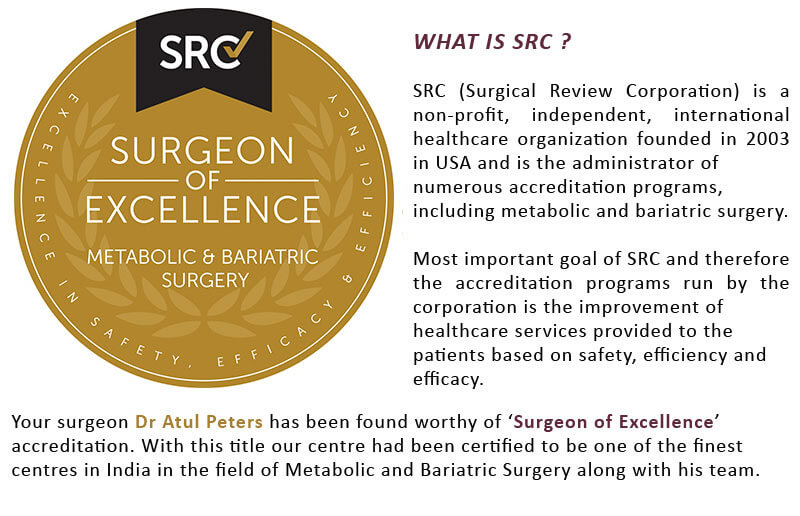
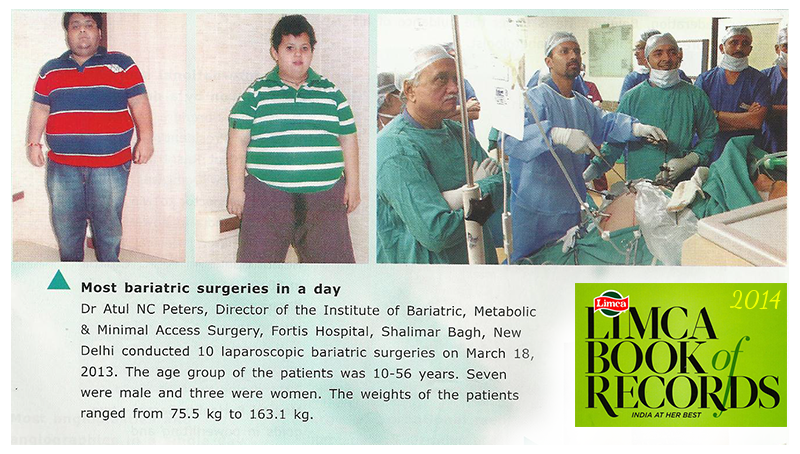
    We’ll also provide expert insights into appendectomy recovery time, how long appendix surgery typically takes for adults, and how to choose the right Appendix Surgeon in Delhi, such as Dr. Atul Peters, a well-known name in the field.

    What is an Appendectomy?

    An appendectomy is a surgical procedure to remove the appendix—a small, tube-shaped organ attached to the large intestine. When the appendix becomes inflamed or infected (a condition known as appendicitis), it can rupture and cause life-threatening complications. Surgery is the most definitive and immediate treatment.

    Appendectomy can be performed using two main methods:

    The choice of technique can influence the appendectomy surgery time length and appendix surgery recovery time.

    Laparoscopic Appendectomy

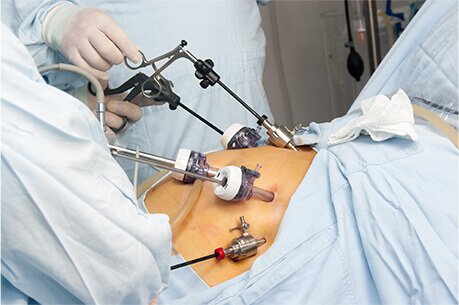
    In most cases today, the laparoscopic appendectomy is preferred. This technique uses small incisions, a camera, and instruments to remove the appendix. On average:

    • Appendectomy surgery time length: 30–60 minutes
    • Hospital stay: Usually 1 day or same-day discharge

    This method is quicker, less invasive, and offers faster healing, reducing appendix surgery recovery time dramatically.

    Open Appendectomy

    If the appendix has ruptured or there’s a more complex infection, the surgeon may opt for an open appendectomy. In this method, a larger incision is made in the lower right abdomen.

    • Appendix operation time: 60–90 minutes
    • Hospital stay: 2–3 days or more, depending on the severity

    How long does appendix surgery take in total? For a routine laparoscopic appendectomy, you can expect it to be done within an hour. For more complicated or ruptured cases, the appendix surgery time duration may extend beyond 90 minutes.

    Factors that affect Appendix Surgery Time Duration

    Not every appendectomy takes the same amount of time. Several factors influence how long appendix surgery takes:

    1. Severity of Appendicitis

    • Simple, non-ruptured appendicitis: shorter surgery
    • Perforated or ruptured appendix: longer and more complex procedure

    2. Surgical Method

    • Laparoscopic method: faster, less invasive
    • Open surgery: more time-consuming but necessary in some cases

    3. Patient’s Health and Age

    Older adults or patients with other health conditions may require additional monitoring and slower surgical pacing.

    4. Surgeon’s Experience

    Experienced surgeons like Dr. Atul Peters, a renowned Appendix Surgeon in Delhi, can efficiently manage appendectomies, reducing overall appendix operation time.

    Appendix Surgery Recovery Time: What to Expect

    Appendectomy recovery time depends on the type of surgery, your overall health, and post-operative care. Here’s a typical timeline:

    1. Hospital Recovery

    • Laparoscopic: 12–24 hours
    • Open: 2–3 days or more

    2. At-Home Recovery

    • Most patients return to normal activities within 2–3 weeks after laparoscopic surgery
    • For open surgery, it may take 4–6 weeks

    During recovery:

    • Avoid lifting heavy objects
    • Follow the diet and medication plan
    • Monitor the surgical site for signs of infection

    The shorter the appendix surgery time duration, the quicker the healing tends to be, especially for laparoscopic cases.

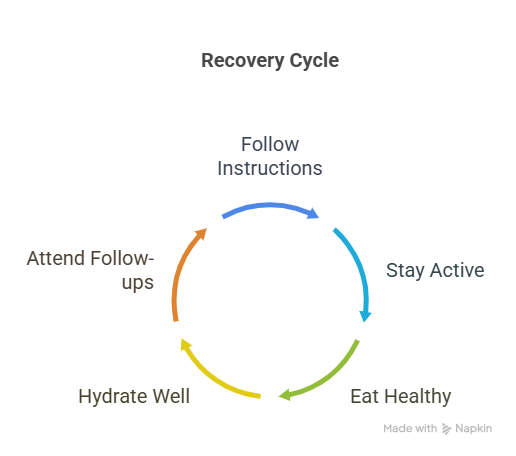
    Tips for Faster Recovery

    1. Follow your surgeon’s instructions: Especially on movement, diet, and medication.
    2. Stay active but avoid strenuous tasks: Light walking helps prevent blood clots.
    3. Eat healthy foods: Focus on fiber-rich and protein-rich meals.
    4. Hydrate well: It aids digestion and speeds up healing.
    5. Attend follow-ups: Regular checks ensure no complications.

    Choosing the Right Surgeon

    Fast Relief, Expert Hands – Appendix Surgery by Dr. Atul Peters!
    Contact Now!

    Make An Appointment

    When dealing with emergencies like appendicitis, time is of the essence. Choosing a surgeon with high success rates and experience in minimally invasive methods is crucial.

    Dr. Atul Peters is a reputed Appendix Surgeon in Delhi, known for:

    • Expertise in laparoscopic and robotic surgery
    • Quick and efficient surgical techniques
    • High success rate and low complication rate
    • Personalized post-operative care

    Conclusion

    To summarize, how long does it take to remove an appendix? On average, expect the surgery to last between 30 and 90 minutes, depending on complexity. But the full journey—from diagnosis to recovery—spans a few weeks. Whether you’re undergoing surgery for the first time or helping a loved one prepare, knowing what to expect can ease your worries and help you recover faster.

    If you’re looking for a safe, effective, and expert-guided experience, consulting a trusted professional like Dr. Atul Peters, an experienced Appendix Surgeon in Delhi, is your best choice. With the right care, most patients return to full health quickly and without complications.

    Frequently Asked Questions

    Q1: How long does appendix surgery take for adults?

    A: For adults, laparoscopic appendix surgery typically takes 30 to 60 minutes. In complex cases, such as a ruptured appendix, the duration may extend to 90 minutes or more.

    Q2: What is the average appendectomy surgery time length?

    A: The average appendectomy surgery time is about 45–60 minutes for uncomplicated laparoscopic surgeries. Open surgeries may take longer, usually between 60–90 minutes.

    Q3: What affects the appendix surgery time duration?

    A: Factors include the type of surgery (laparoscopic vs. open), severity of appendicitis, presence of complications, and the patient’s overall health.

    Q4: What is the typical appendix surgery recovery time?

    A: Recovery takes about 2–3 weeks for laparoscopic surgery and 4–6 weeks for open surgery. Return to full activity may take up to 6 weeks, depending on the patient.

    Q5: How long is appendix surgery for adults in an emergency?

    A: Emergency appendix surgery time duration is typically the same—30–90 minutes—but prepping and recovery may take longer in complicated cases.

    Q6: How can I speed up my appendectomy recovery time?

    A: Follow post-op care instructions, eat nutritious meals, stay hydrated, and get enough rest. Light physical activity and regular follow-ups are also essential.