+91-11-39595119, +91-7770001900
Close
Book Your Appointment
Travel Desk
+91 7770001900

Robotic Surgery in Delhi: Dr. Atul Peters

In recent years, the landscape of surgical care has evolved rapidly with the integration of cutting-edge technologies. Among them, Robotic Surgery stands out as a revolutionary advancement that combines precision, control, and minimally invasive techniques. For patients seeking safer, faster, and more accurate surgical outcomes, robotic-assisted procedures offer remarkable benefits.

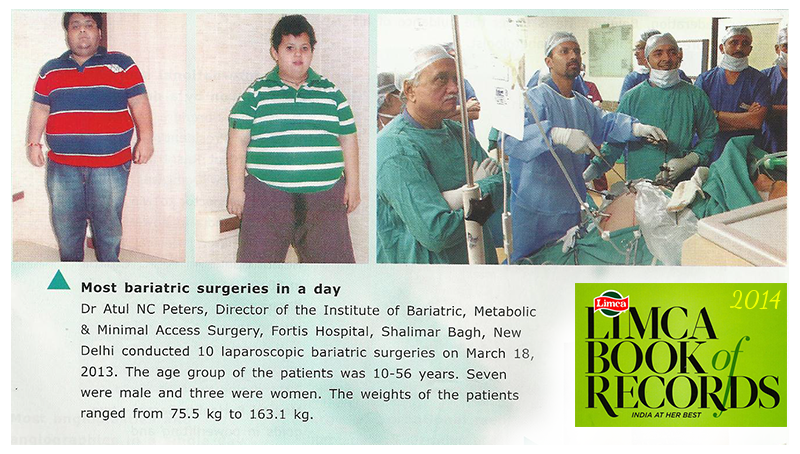
Dr. Atul Peters, is recognized as a leading Robotic Surgeon in Delhi, he has performed numerous successful procedures with the help of robotic technology, setting new benchmarks in patient care and recovery.

5000+
Successful Surgeries
29+
Years of Experience
100%
Success Rate

Understanding Robotic Surgery

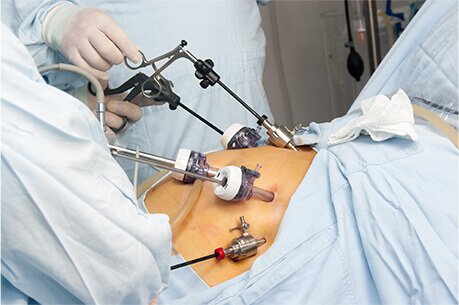
Robotic surgery is one of the most advanced and precise forms of minimally invasive surgery available today. In this technique, the surgeon performs the operation using a specialized robotic system, which allows for exceptional accuracy, enhanced vision, and better control. Unlike open surgery that requires large incisions, robotic surgery involves making tiny cuts through which surgical instruments and a high-definition camera are inserted.

Robotic surgery has transformed the way complex operations are performed, especially in areas that are difficult to access with traditional techniques. In procedures involving the abdomen, pelvis, or chest — such as bariatric surgery, gallbladder surgery, hernia repairs, and anti-reflux surgery — robotic assistance allows the surgeon to work with unmatched precision and care.

Types of Robotic Surgeries

The several procedures are performed using robotic systems, including:

These procedures ensure less pain, faster healing, and more accurate results, making robotic surgery a preferred choice for eligible patients.

Benefits of Robotic Surgery

There are numerous advantages to robotic-assisted surgery:

  • Smaller Incisions: Reduced scarring and quicker healing.
  • Greater Precision: Minimally invasive with minimal trauma to surrounding tissues.
  • Shorter Hospital Stay: Most patients are discharged within 24–48 hours.
  • Lower Risk of Infection: Smaller incisions mean fewer complications.
  • Faster Recovery: Return to normal activities much sooner.
  • Less Blood Loss: Enhanced precision reduces surgical bleeding.

With such clear advantages, more and more patients are opting for Robotic Surgery in Delhi, especially under the expert care of Dr. Atul Peters.

Procedure of Robotic Surgery

The robotic surgery process typically follows these steps:

  • Preparation: The patient is put under general anesthesia.
  • Insertion of Instruments: Small incisions are made, and robotic arms are inserted.
  • Console Operation: The surgeon controls the robotic arms via a console, guiding tools and camera precisely.
  • Surgical Task: The procedure is performed using enhanced visualization and steady robotic hands.
  • Closure and Recovery: Incisions are closed, and the patient is moved to recovery.

Throughout the procedure, the surgeon is in complete control. The robot does not act independently; it amplifies the surgeon's capabilities.

Is Robotic Surgery Right for You?

Robotic surgery is ideal for patients seeking:

  • A minimally invasive option
  • Faster recovery with fewer complications
  • A modern alternative to open or conventional laparoscopic surgery

However, not all patients qualify. Factors like the type of condition, medical history, and BMI are assessed by the surgeon.

Post-Care after Robotic Surgery

Recovery after robotic surgery is generally smoother and quicker than traditional open surgery, thanks to the minimally invasive nature of the procedure. However, proper post-operative care is still crucial for optimal healing and to prevent complications. Dr. Atul Peters and his team ensure that each patient receives comprehensive guidance and support during the recovery phase.

  • Short Hospital Stay: Most patients are discharged within 24 to 48 hours, depending on the type of surgery and their individual condition. Some may even go home the same day in selected cases.
  • Pain Management: Pain is usually mild and well-controlled with oral medications. Since incisions are small, discomfort is significantly less compared to open surgery.
  • Wound Care: The incisions are closed with dissolvable sutures or skin adhesive. Patients are advised to keep the area clean and dry. Instructions on when and how to bathe are provided before discharge.
  • Mobility and Activity: Light movement such as walking is encouraged within a few hours after surgery to improve blood circulation and reduce the risk of blood clots. Most patients can return to routine daily activities within a few days.
  • Dietary Instructions: Depending on the type of procedure, dietary modifications may be advised. For example, in bariatric or abdominal surgeries, a soft or liquid diet might be recommended initially.
  • Follow-Up Appointments: Regular follow-up visits are scheduled to monitor healing, review test results, and ensure there are no complications. Patients are encouraged to report any signs of infection, fever, or unusual symptoms immediately.
  • Emotional Support and Guidance: Dr. Peters’ team also provides emotional and lifestyle counseling to ensure patients adapt comfortably post-surgery and make any necessary changes in habits or routines.

Why Choose Robotic Surgery Over Traditional Open Surgery?

Robotic Surgery Traditional Open Surgery
Minimally invasive with small incisions Large incisions required
Less post-operative pain and discomfort More pain and longer healing time
Lower risk of infection and complications Higher risk of wound-related complications
Faster recovery and shorter hospital stay Longer hospital stay and recovery period
Enhanced precision and 3D visualization Limited visibility and flexibility during surgery
Minimal scarring and better cosmetic results Larger, visible scars

Why Dr. Atul Peters is the Best Robotic Surgeon in Delhi?

When it comes to Robotic Surgery in Delhi, choosing the right surgeon makes all the difference in outcomes, safety, and long-term results. Dr. Atul Peters is widely regarded as one of the most accomplished and trusted names in the field of robotic and minimally invasive surgery, both in India and internationally. His expertise, combined with patient-centric care, has helped thousands of patients recover with confidence and minimal complications.

Dr. Peters brings a unique blend of surgical excellence, cutting-edge technology, and personalized care to each patient interaction. His track record, professional credentials, and compassionate approach distinguish him as the Best Robotic Surgeon in Delhi.

Reasons to Choose Dr. Peters:

  • High surgical success and satisfaction rates
  • Dedicated and compassionate support team
  • Trusted name for Robotic Surgery in Delhi
  • Access to advanced robotic surgical systems
  • Personalized, patient-focused treatment plans
  • International recognition and global affiliations

Frequently Asked Questions

Is Robotic Surgery safe?
Yes, robotic surgery is extremely safe when performed by a trained and experienced surgeon like Dr. Atul Peters. The robot enhances precision, control, and visualization, reducing the chances of complications.
Does the Robot perform the surgery on its own?
The No, the robot does not act independently. The surgeon is in full control throughout the procedure, guiding the robotic arms through a specialized console.
What are the main Advantages of Robotic Surgery?
Robotic surgery offers several benefits including smaller incisions, less pain, reduced blood loss, faster recovery, minimal scarring, and shorter hospital stays.
How long is the Recovery after Robotic Surgery?
Most patients recover faster than with traditional surgery. Many return to normal activities within 1–2 weeks, depending on the type of procedure and individual health status.
Is Robotic Surgery more expensive than regular surgery?
While the upfront cost of robotic surgery may be higher due to advanced equipment, the reduced hospital stay and faster recovery often make it cost-effective in the long run.
Am I a suitable candidate for Robotic Surgery?
Not everyone qualifies for robotic surgery. Your eligibility depends on factors like the type of condition, overall health, body weight, and prior surgeries. A consultation with Dr. Atul Peters will help determine your suitability.
Are there any risks associated with Robotic Surgery?
Like any surgery, robotic procedures carry some risk, though they are generally lower than open surgery. Risks may include infection, bleeding, or reaction to anesthesia, but these are rare under expert care.
Phase I Clear Liquid Diet
  • Only clear liquids allowed
  • Avoid sweetened beverages
  • Sip very slowly
  • No straws
  • Avoid caffeinated, carbonated and alcoholic beverages
  • STOP drinking if you feel fullness, pain or discomfort
Awards & Achievements
"Behind every brilliant performance there were countless hours of practice and preparation."
  • Awward
  • Awward
  • Awward
  • Awward Awward