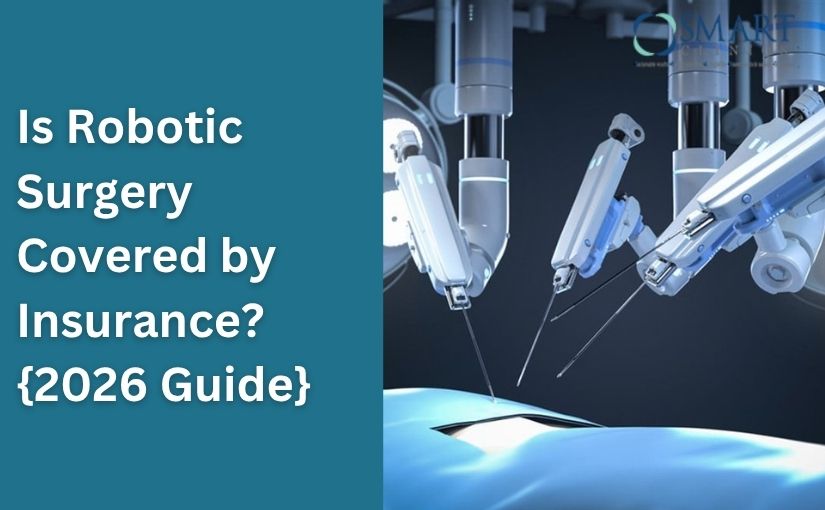
Is Robotic Surgery Covered by Insurance? {2026 Guide}

Medical technology has advanced rapidly in recent years, and robotic surgery is one of the most significant developments in modern healthcare. This advanced surgical method allows surgeons to perform complex procedures with greater precision, minimal pain, and faster recovery for patients. However, many patients often ask an important question: Is robotic surgery covered by insurance in India?

The answer is yes in many cases, but it depends on the insurance policy, hospital, medical condition, and approval from the insurance provider. Many health insurance companies in India now recognize the benefits of robotic procedures and provide partial or full robotic surgery insurance coverage depending on the policy terms. Experienced specialists such as the Best Robotic Surgeon in Delhi, Dr. Atul Peters, use the advanced robotic system Da Vinci to perform complex surgeries with high accuracy and safety.

In this article, we will explain everything you need to know about robotic surgery covered by insurance, including coverage rules, eligibility, conditions, claim process, and the list of insurance providers that may cover robotic procedures.

Is Robotic Surgery Covered by Insurance?

Is robotic surgery covered by insurance? Learn about coverage options, costs, and eligibility for advanced procedures to make informed healthcare decisions.

Book Your Appointment Today

Understanding Robotic-Assisted Surgery

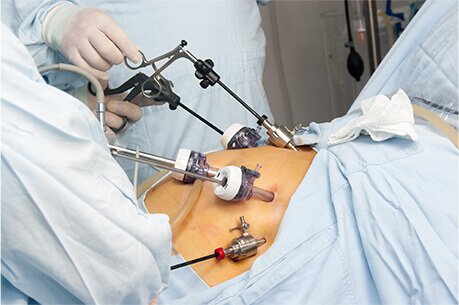
Robotic-assisted surgery is an advanced form of minimally invasive surgery where a surgeon uses robotic technology to perform procedures with enhanced precision. Despite the name, the robot does not perform surgery independently. Instead, the surgeon controls robotic arms using a specialized console.

The robotic system translates the surgeon’s hand movements into precise movements of tiny surgical instruments inside the patient’s body.

Robotic surgery is commonly used for:

  • Bariatric Surgery
  • Hernia repair
  • Prostate surgery
  • Kidney surgery
  • Gynecological procedures
  • Gastrointestinal surgeries
  • Cancer surgeries

Because robotic systems provide greater control and visualization, they often result in smaller incisions, less blood loss, and quicker recovery times.

Why Robotic Surgery is Becoming Popular in India

Robotic surgery is gaining popularity across India due to its many advantages over traditional open and laparoscopic surgery.

Some of the major reasons include:

Higher Surgical Precision

Robotic systems allow surgeons to operate with enhanced accuracy, especially in delicate procedures.

Smaller Incisions

Unlike traditional open surgery, robotic surgery requires only small incisions.

Faster Recovery

Patients usually recover faster and can return to normal activities sooner.

Reduced Pain and Blood Loss

Minimally invasive robotic techniques result in less trauma to the body.

Lower Risk of Complications

The precision of robotic tools reduces the chances of surgical errors.

Types of Surgeries That Are Covered Under Robotic Surgery Insurance Coverage

Many people who are planning advanced medical procedures often ask is robotic surgery covered by insurance in India. The answer depends on the type of surgery and the medical condition being treated. In most cases, if the underlying surgery is covered by the health insurance policy and it is medically necessary, the insurance provider may approve robotic surgery insurance coverage as well.

Below are some additional types of procedures that may be performed using robotic technology and may be covered under insurance, depending on the policy terms.

Robotic Gallbladder Surgery

Robotic Gallbladder Surgery is commonly used to remove the gallbladder in patients suffering from gallstones or severe gallbladder infections. The robotic system allows surgeons to perform the procedure through very small incisions with high precision.

This type of surgery often results in less pain, minimal scarring, and quicker recovery. In many cases, if gallbladder removal is medically required, the procedure may qualify for robotic surgery covered by insurance under standard surgical coverage.

Robotic Colorectal Surgery

Robotic colorectal surgery is used to treat diseases affecting the colon and rectum, including colorectal cancer, inflammatory bowel disease, and severe intestinal conditions.

The robotic system allows surgeons to operate in tight spaces inside the abdomen with better visibility and precision. If the surgery is required for medical treatment, insurance companies may approve coverage for the procedure.

Robotic Urological Surgery

Robotic surgery is commonly used in urology for procedures involving the prostate, bladder, and kidneys. One of the most common examples is robotic prostate surgery for prostate cancer.

The robotic system allows surgeons to operate near sensitive nerves with greater control, which may help preserve important functions after surgery. When these procedures are medically necessary, many insurance providers consider them eligible for robotic surgery insurance coverage.

Robotic Cancer Surgery

Robotic technology is increasingly used for cancer treatments involving organs such as the prostate, stomach, kidney, and colon. The robotic system allows surgeons to remove tumors precisely while protecting surrounding healthy tissues.

Because cancer treatment is usually covered under health insurance policies, robotic procedures for cancer surgery may also qualify for insurance approval, depending on the policy terms.

Robotic Bariatric Surgery

Robotic bariatric surgery is used for weight loss treatment in patients suffering from severe obesity. Procedures such as gastric bypass and sleeve gastrectomy can be performed using robotic technology.

These surgeries help patients manage obesity-related health problems such as diabetes, high blood pressure, and heart disease. When bariatric surgery is medically recommended, some insurance providers may include robotic procedures under robotic surgery insurance coverage.

Robotic Hernia Surgery

Robotic hernia repair is another commonly performed robotic procedure. It allows surgeons to repair hernias with better visualization and improved surgical precision.

The robotic technique may reduce post-surgery pain and help patients recover faster compared to traditional open surgery. If the hernia surgery itself is covered under the health insurance policy, the robotic approach may also be approved under robotic surgery covered by insurance, depending on the insurer’s guidelines.

Factors That Affect Robotic Surgery Insurance Coverage

Insurance coverage for robotic procedures depends on several important factors.

1. Medical Necessity

Insurance companies usually approve robotic surgery only if the procedure is medically necessary.

2. Policy Terms

Different insurance policies have different rules regarding advanced surgical techniques.

3. Hospital Network

Insurance companies often provide better coverage if the surgery is performed in a network hospital.

4. Pre-authorization

Many insurers require pre-approval before robotic surgery is performed.

5. Sub-limits on Technology

Some insurance policies place limits on advanced technology charges, including robotic systems.

Understanding these factors helps patients better understand which health insurance cover robotic surgery and how claims are processed.

List of Insurance That Cover Robotic Surgery

Many insurance companies in India provide partial or full coverage for robotic procedures depending on policy terms. Below is a list of insurers and TPAs that may offer robotic surgery insurance coverage.

  • Acko General Insurance Company Ltd
  • Aditya Birla Health Insurance Company Ltd
  • Bajaj Allianz General Insurance Company Ltd
  • Care Health Insurance Co. Ltd
  • Chola Mandalam MS General Insurance Co. Ltd
  • Ericson TPA Healthcare Pvt. Ltd
  • Family Health Plan (TPA) Ltd
  • Future Generali India Insurance Co. Ltd
  • Galaxy Health Insurance
  • Genins India TPA Limited
  • Go Digit General Insurance
  • Good Health TPA Services Ltd
  • HDFC Ergo General Insurance Co. Ltd
  • Health India TPA Services Pvt. Ltd
  • Health Insurance TPA Of India Limited
  • Heritage Health TPA Pvt. Ltd
  • ICICI Lombard General Insurance Co. Ltd
  • ICICI Prudential Life Insurance Co. Ltd
  • IFFCO Tokio General Insurance Co. Ltd
  • Liberty Videocon General Insurance Company Limited
  • Link-K Insurance TPA Services
  • Magma HDI General Insurance Company Limited
  • Manipal Cigna Health Insurance Co Ltd
  • MD India Healthcare Services (TPA) Pvt. Ltd
  • Medi Assist India TPA Pvt. Ltd
  • Medsave Healthcare TPA Ltd
  • National Insurance Company Limited
  • Navi General Insurance Limited
  • Niva Bupa Health Insurance Company Limited
  • Paramount Health Services (TPA) Pvt. Ltd
  • Park Mediclaim TPA Pvt. Ltd
  • Raksha TPA Pvt. Ltd
  • Reliance General Insurance Co. Ltd
  • Safeway TPA Services Pvt. Ltd
  • SBI General Insurance Company Limited
  • Star Health & Allied Insurance Co. Ltd
  • Tata AIG General Insurance Company
  • The New India Assurance Co. Ltd
  • The Oriental Insurance Company Limited
  • United India Insurance Company Limited
  • Universal Sompo General Insurance Co. Ltd
  • Vidal Health TPA Pvt. Ltd
  • Volo Health Insurance TPA Private Limited

Patients should check their policy terms to confirm which health insurance cover robotic surgery and what limitations apply.

How to Get Insurance Approval for Robotic Surgery

Getting insurance approval for robotic surgery involves several steps.

Step 1: Consultation with Surgeon

The doctor evaluates your condition and recommends robotic surgery if necessary.

Step 2: Medical Documentation

The hospital prepares documents explaining the medical need for robotic surgery.

Step 3: Pre-authorization Request

The hospital submits a request to the insurance company for approval.

Step 4: Insurance Review

The insurer evaluates the medical records and policy terms.

Step 5: Approval or Clarification

The insurer may approve the claim or request additional information.

Step 6: Cashless Treatment

If approved, the patient can receive treatment under cashless insurance at a network hospital.

Hospitals that specialize in robotic surgery often assist patients with the entire insurance process.

Advantages of Choosing Robotic Surgery

Robotic surgery offers several benefits that make it a preferred choice for many patients.

Greater Surgical Accuracy

Robotic instruments allow precise movements that reduce surgical risks.

Minimal Scarring

Smaller incisions result in less visible scars.

Shorter Hospital Stay

Patients often return home sooner after robotic surgery.

Faster Recovery

Most patients recover faster compared to traditional surgery.

Lower Risk of Infection

Smaller incisions reduce the chances of post-surgical infections.

Tips to Ensure Insurance Coverage for Robotic Surgery

Patients can take several steps to improve the chances of insurance approval.

  • Choose a network hospital
  • Confirm policy coverage in advance
  • Obtain pre-authorization
  • Maintain proper medical documentation
  • Consult experienced surgeons

Understanding these factors helps ensure smoother insurance claims for robotic procedures.

Is Robotic Surgery Covered by Insurance?

Is robotic surgery covered by insurance? Learn about coverage options, costs, and eligibility for advanced procedures to make informed healthcare decisions.

Book Your Appointment Today

Final Thoughts

Robotic surgery has revolutionized modern medical treatment by offering safer, more precise, and minimally invasive procedures. However, many patients still wonder is robotic surgery covered by insurance in India.

Patients should always review their insurance policies carefully and consult their healthcare provider to understand coverage options. Experienced specialists such as Best Robotic Surgeon in Delhi, Dr. Atul Peters, can guide patients through the treatment process and help them understand insurance approvals for robotic procedures.

Frequently Asked Questions

Is robotic surgery covered by insurance in India?

Yes, many health insurance policies in India cover robotic surgery if the procedure is medically necessary and included in the policy terms.

Which health insurance covers robotic surgery?

Several insurance companies in India offer robotic surgery coverage, including HDFC Ergo, ICICI Lombard, Star Health, Care Health Insurance, and Bajaj Allianz.

Is robotic surgery more expensive than normal surgery?

Yes, robotic surgery is generally more expensive because it involves advanced technology and specialized equipment.

Do all hospitals offer robotic surgery with insurance?

Not all hospitals provide robotic surgery under insurance. Patients usually need to choose a network hospital approved by their insurer.

How can I check robotic surgery insurance coverage?

You can review your insurance policy document or contact your insurance provider to confirm whether robotic surgery is covered.

Is pre-authorization required for robotic surgery?

Yes, most insurance companies require pre-authorization before approving robotic surgery claims.

Can robotic surgery be done cashless under insurance?

Yes, if the hospital is part of the insurance provider’s network and the procedure is approved, robotic surgery can be performed under cashless insurance.

Does Bariatric Surgery Cure Type 2 Diabetes?

Type 2 diabetes has become one of the most common lifestyle diseases today, affecting millions of people worldwide. Managing blood sugar levels through diet, exercise, and medication can be challenging for many patients. This is where bariatric surgery has gained attention as a powerful treatment option. Many people often ask: Does bariatric surgery cure type 2 diabetes?

In recent years, medical research and patient outcomes have shown promising results, leading to the belief that bariatric surgery cures type 2 diabetes in many cases. However, understanding how it works, who benefits the most, and whether it is truly a “cure” is important before making any decisions.

Does Bariatric Surgery Cure Type 2 Diabetes?

Discover if bariatric surgery can cure type 2 diabetes, its benefits, risks, and outcomes. Expert guidance by Dr. Atul Peters for better diabetes control.

Book Your Appointment Today

Understanding Type 2 Diabetes

Type 2 diabetes is a chronic condition where the body either does not produce enough insulin or cannot use insulin properly. This leads to high blood sugar levels, which can cause serious health problems over time.

Some common causes include:

  • Obesity or excess body weight
  • Sedentary lifestyle
  • Poor eating habits
  • Genetic factors
  • Hormone imbalance

Understanding Bariatric Surgery

Bariatric surgery refers to a group of weight-loss procedures designed to help people with obesity lose excess weight. These surgeries work by reducing the size of the stomach or altering the digestive system, which helps in limiting food intake and improving metabolism.

Common types of bariatric surgery include:

These procedures not only help in weight loss but also bring significant changes in hormones that control blood sugar levels.

How Bariatric Surgery Affects Type 2 Diabetes

One of the most remarkable benefits of bariatric surgery is its impact on type 2 diabetes. Many patients experience a rapid improvement in blood sugar levels, sometimes even before significant weight loss occurs.

Here’s how it works:

1. Improved Insulin Sensitivity

After surgery, the body becomes more sensitive to insulin, allowing it to use glucose more effectively.

2. Hormonal Changes

Bariatric procedures affect gut hormones that regulate blood sugar, appetite, and metabolism. This leads to better glucose control.

3. Reduced Fat Mass

Losing excess weight reduces insulin resistance, which is a key factor in type 2 diabetes.

4. Better Pancreatic Function

The pancreas may start functioning more effectively after surgery, improving insulin production.

Does Bariatric Surgery Cure Type 2 Diabetes?

This is the most important question. The answer is not a simple yes or no.

In Many Cases – Yes (Remission)

Many patients experience complete remission of type 2 diabetes after bariatric surgery. This means:

  • Blood sugar levels return to normal
  • No need for diabetes medications
  • Improved overall health

But It’s Not Always a Permanent Cure

While results are impressive, doctors usually refer to it as “remission” rather than a permanent cure. This is because:

  • Diabetes can return if weight is regained
  • Lifestyle habits still play a major role
  • Long-term monitoring is necessary

So, while bariatric surgery does cure type 2 diabetes is a common query, the more accurate answer is that it can reverse or control the condition very effectively.

Who Benefits the Most from Bariatric Surgery?

Not every diabetic patient is a candidate for bariatric surgery. The best results are seen in:

  • People with a BMI above 35
  • Patients with obesity-related complications
  • Individuals with recently diagnosed diabetes
  • Those who struggle to control diabetes with medication

Patients with a shorter history of diabetes tend to achieve better remission outcomes.

Benefits of Bariatric Surgery for Diabetes Patients

Bariatric surgery offers multiple health benefits beyond just weight loss:

Improved Blood Sugar Control

Bariatric surgery helps in quickly lowering blood sugar levels by improving how the body processes glucose. Many patients see noticeable improvement within a few days after surgery due to hormonal changes.

Reduction in Diabetes Medications

After surgery, patients often require fewer medications, and in some cases, they may stop insulin or oral drugs completely. This reduces the burden of long-term medication use.

Enhanced Insulin Sensitivity

The surgery improves the body’s response to insulin, allowing better glucose absorption by cells. This plays a major role in managing and even reversing type 2 diabetes.

Sustainable Weight Loss

Weight loss after bariatric surgery is substantial and long-lasting. Losing excess fat reduces insulin resistance, which is a key factor in controlling diabetes.

Lower Risk of Diabetes-Related Complications

By maintaining better blood sugar levels, the risk of complications like heart disease, kidney damage, nerve issues, and vision problems is significantly reduced.

Long-Term Diabetes Remission

Many patients achieve long-term remission, meaning their blood sugar levels remain normal without medication. However, maintaining a healthy lifestyle is essential to sustain these results.

Risks and Considerations

Like any surgical procedure, bariatric surgery also comes with certain risks:

  • Infection or bleeding
  • Nutritional deficiencies
  • Digestive issues
  • Need for lifelong dietary changes

However, with proper care and guidance from an experienced bariatric surgeon in Delhi, these risks can be minimized significantly.

Life After Bariatric Surgery

Surgery is just the beginning of a healthier life. Long-term success depends on maintaining a healthy lifestyle.

Important Lifestyle Changes:

  • Follow a balanced, nutrient-rich diet
  • Exercise regularly
  • Avoid sugary and processed foods
  • Attend regular follow-up checkups
  • Monitor blood sugar levels

Patients who stay committed to these changes are more likely to maintain diabetes remission.

Scientific Evidence and Success Rates

Several studies have shown that bariatric surgery is highly effective in managing type 2 diabetes.

  • Around 60–80% of patients achieve remission
  • Many patients see improvement within days or weeks
  • Long-term studies show sustained benefits for years

These results support the idea that bariatric surgery cures type 2 diabetes in a large number of cases, especially when combined with lifestyle changes.

Does Bariatric Surgery Cure Type 2 Diabetes?

Discover if bariatric surgery can cure type 2 diabetes, its benefits, risks, and outcomes. Expert guidance by Dr. Atul Peters for better diabetes control.

Book Your Appointment Today

Final Thoughts

Bariatric surgery has emerged as a powerful solution for managing and even reversing type 2 diabetes, especially in individuals struggling with obesity. It not only helps in achieving significant weight loss but also improves insulin function and overall metabolic health. While it may not guarantee a permanent cure for everyone, it offers long-term control and a better quality of life when combined with healthy lifestyle habits.

For those considering this option, consulting an experienced specialist like Dr. Atul Peters can help you understand whether bariatric surgery is the right choice for your condition and guide you toward a healthier, diabetes-free future.

Frequently Asked Questions

Does bariatric surgery cure type 2 diabetes permanently?

Bariatric surgery can lead to remission of type 2 diabetes, but it is not always a permanent cure. Diabetes may return if weight is regained or lifestyle changes are not maintained.

How quickly does diabetes improve after surgery?

Many patients notice improvement in blood sugar levels within days or weeks after surgery, even before significant weight loss.

Can non-obese people undergo bariatric surgery for diabetes?

Bariatric surgery is usually recommended for people with obesity. In some cases, it may be considered for lower BMI patients under medical supervision.

Will I need diabetes medication after surgery?

Many patients are able to reduce or completely stop their medications, but this depends on individual health conditions.

Which bariatric surgery is best for diabetes?

Gastric bypass is often considered highly effective for diabetes remission, but the best option depends on the patient’s condition.

Can diabetes return after bariatric surgery?

Yes, it can return if a patient regains weight or does not follow a healthy lifestyle.

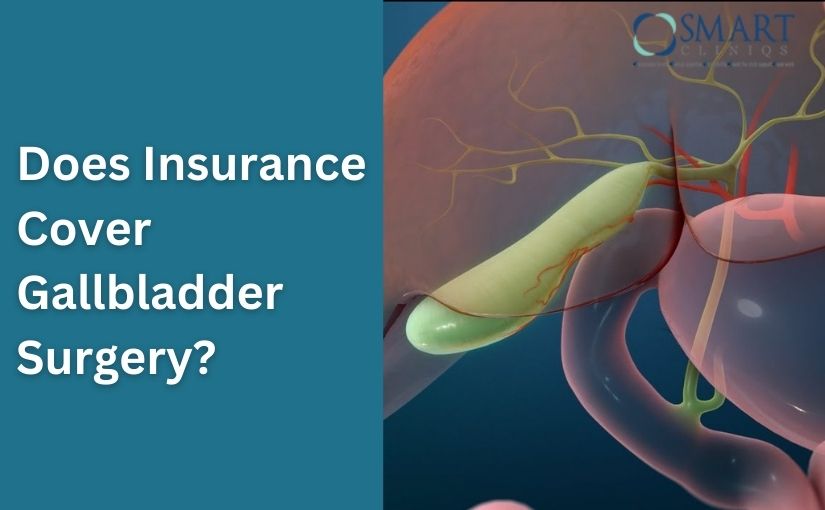
Does Insurance Cover Gallbladder Surgery? {Key Insights}

Gallbladder problems are very common today, especially due to unhealthy eating habits, obesity, and sedentary lifestyles. Many people suffer from gallstones, inflammation, or gallbladder infections that may require surgery. When a doctor recommends surgery, one of the first questions patients ask is: Does insurance cover gallbladder surgery?

The good news is that, in most cases, health insurance policies in India cover Gallbladder Surgery in Delhi, especially when it is medically necessary. However, the level of coverage depends on factors such as the insurance provider, the policy terms, waiting periods, and the hospital where the surgery is performed.

This article explains everything you need to know about insurance coverage for gallbladder surgery, including eligibility, policy conditions, coverage limits, claim procedures, and a list of insurance companies that cover the treatment.

Does Insurance Cover Gallbladder Surgery?

Does insurance cover gallbladder surgery? Learn about coverage, eligibility, and costs, and how insurance can reduce expenses for gallbladder surgery and treatment.

Book Your Appointment Today

Understanding Gallbladder Surgery

The gallbladder is a small organ located under the liver that stores bile, a digestive fluid used to break down fats. Sometimes, stones form in the gallbladder, known as gallstones. These stones can cause severe pain, infection, and digestive problems.

When gallstones cause symptoms or complications, doctors recommend gallbladder removal surgery, medically known as cholecystectomy.

There are two main types of gallbladder surgery:

1. Laparoscopic Gallbladder Surgery

This is the most common and advanced method. The surgeon makes small incisions in the abdomen and removes the gallbladder using a camera and specialised instruments.

Benefits include:

  • Smaller incisions
  • Less pain
  • Faster recovery
  • Short hospital stay

2. Open Gallbladder Surgery

In some complicated cases, a larger incision may be required to remove the gallbladder.

Most modern hospitals prefer laparoscopic surgery because it is safer and allows quicker recovery.

Does Insurance Cover Gallbladder Surgery?

Many patients ask does insurance cover gallbladder surgery before planning treatment. In India, most comprehensive health insurance plans do cover gallbladder surgery, including hospitalisation, surgical costs, and related medical expenses.

Insurance usually covers gallbladder surgery if:

  • The surgery is medically necessary
  • The patient has completed the waiting period
  • The treatment is done at a network hospital
  • The policy includes hospitalisation coverage

If the gallbladder removal is required due to gallstones, infection, or inflammation, insurance companies usually approve the claim.

However, cosmetic or unnecessary procedures are typically not covered.

Gallbladder Removal Covered by Insurance

Many insurance providers also cover gallbladder removal covered by insurance under their surgical treatment plans. Gallbladder removal is considered a medically necessary procedure, which makes it eligible for coverage under most health insurance policies.

However, the extent of coverage depends on:

  • Sum insured amount
  • Policy type
  • Network hospital availability
  • Waiting period completion

Most insurers provide cashless treatment, meaning the hospital directly settles the bill with the insurance company.

Gallbladder Removal Will Cover Insurance India

Patients often ask gallbladder removal will cover insurance India, especially when planning treatment at private hospitals.

In India, gallbladder removal surgery is widely covered by major insurance providers. Many hospitals also have tie-ups with insurance companies, allowing patients to receive cashless treatment.

The coverage generally includes:

  • Surgery cost
  • Hospital stay
  • Operation theatre charges
  • Medicines and consumables

However, patients should confirm the coverage details with their insurance provider before admission.

Conditions for Insurance Coverage

Even though gallbladder surgery is generally covered, certain conditions must be met for insurance approval.

1. Waiting Period

Most insurance policies have a waiting period of 2–4 years for pre-existing diseases. If gallstones were diagnosed before buying the policy, you may need to complete the waiting period.

2. Medical Necessity

The surgery must be recommended by a qualified doctor. Insurance companies usually require medical documents and diagnostic reports.

3. Network Hospital

Cashless treatment is usually available only at network hospitals associated with the insurance company.

4. Policy Validity

Your insurance policy must be active at the time of treatment.

Expenses Covered by Insurance

Health insurance for Gallbladder Surgery in Delhi typically includes several expenses related to treatment.

Pre-Hospitalisation Expenses

Insurance may cover medical tests and consultations before surgery.

Examples include:

  • Blood tests
  • Ultrasound
  • Doctor consultation

Hospitalisation Costs

The main expenses covered during hospital admission include:

  • Operation theatre charges
  • Surgeon fees
  • Anesthesia
  • Hospital room charges
  • Nursing care

Post-Hospitalisation Expenses

Insurance may also cover medicines and follow-up visits after surgery.

Documents Required for Insurance Claim

To claim insurance for gallbladder surgery, patients usually need the following documents:

  • Health insurance policy copy
  • Doctor’s recommendation for surgery
  • Diagnostic reports
  • Hospital bills and receipts
  • Discharge summary
  • Claim form

Providing complete documentation helps ensure faster claim approval.

List of Insurance That Cover Gallbladder Surgery

Many health insurance providers in India offer coverage for gallbladder surgery. Some of the major companies include:

  • Acko General Insurance Company Ltd
  • Aditya Birla Health Insurance Company Ltd
  • Bajaj Allianz General Insurance Company Ltd
  • Care Health Insurance Co. Ltd
  • Chola Mandalam MS General Insurance Co. Ltd
  • Ericson TPA Healthcare Pvt. Ltd
  • Family Health Plan (TPA) Ltd
  • Future Generali India Insurance Co. Ltd
  • Galaxy Health Insurance
  • Genins India TPA Limited
  • Go Digit General Insurance
  • Good Health TPA Services Ltd
  • HDFC Ergo General Insurance Co. Ltd
  • Health India TPA Services Pvt. Ltd
  • Health Insurance TPA Of India Limited
  • Heritage Health TPA Pvt. Ltd
  • ICICI Lombard General Insurance Co. Ltd
  • ICICI Prudential Life Insurance Co. Ltd
  • IFFCO Tokio General Insurance Co. Ltd
  • Liberty Videocon General Insurance Company Limited
  • Link-K Insurance TPA Services
  • Magma HDI General Insurance Company Limited
  • Manipal Cigna Health Insurance Co Ltd
  • MD India Healthcare Services (TPA) Pvt. Ltd
  • Medi Assist India TPA Pvt. Ltd
  • Medsave Healthcare TPA Ltd
  • National Insurance Company Limited
  • Navi General Insurance Limited
  • Niva Bupa Health Insurance Company Limited
  • Paramount Health Services (TPA) Pvt. Ltd
  • Park Mediclaim TPA Pvt. Ltd
  • Raksha TPA Pvt. Ltd
  • Reliance General Insurance Co. Ltd
  • Safeway TPA Services Pvt. Ltd
  • SBI General Insurance Company Limited
  • Star Health & Allied Insurance Co. Ltd
  • Tata AIG General Insurance Company
  • The New India Assurance Co. Ltd
  • The Oriental Insurance Company Limited
  • United India Insurance Company Limited
  • Universal Sompo General Insurance Co. Ltd
  • Vidal Health TPA Pvt. Ltd
  • Volo Health Insurance TPA Private Limited

Patients should always verify their specific policy details to confirm coverage.

When Gallbladder Surgery May Not Be Covered

Although gallbladder surgery is usually covered, there are some situations where insurance may not approve the claim.

These include:

  • Surgery during the waiting period
  • Non-medical or elective procedures
  • Policy exclusions
  • Expired insurance policy
  • Incomplete documentation

Therefore, it is important to review your policy and consult the insurance provider before surgery.

Benefits of Insurance Coverage for Gallbladder Surgery

Health insurance offers several advantages when undergoing gallbladder surgery.

Financial Protection

Surgery can be expensive. Insurance reduces the financial burden by covering major medical costs.

Access to Quality Hospitals

Insurance allows patients to choose reputed hospitals with modern facilities.

Cashless Treatment

Many hospitals provide cashless services, making the treatment process smoother.

Coverage of Medical Expenses

Insurance policies often cover diagnostic tests, surgery, and hospitalisation.

Tips to Ensure Smooth Insurance Approval

To avoid claim rejection, patients should follow these tips:

  • Check policy coverage before treatment
  • Choose a network hospital for cashless claims
  • Submit all medical documents
  • Inform the insurance company before hospitalization
  • Follow the claim procedure carefully

These steps help ensure faster approval of insurance claims.

Does Insurance Cover Gallbladder Surgery?

Does insurance cover gallbladder surgery? Learn about coverage, eligibility, and costs, and how insurance can reduce expenses for gallbladder surgery and treatment.

Book Your Appointment Today

Conclusion

Gallbladder surgery is a common and effective treatment for gallstones and other gallbladder problems. Fortunately, most health insurance policies in India provide coverage for this procedure. Understanding does insurance cover gallbladder surgery, policy conditions, and claim procedures can help patients plan their treatment without financial stress.

Insurance coverage usually includes hospitalization, surgical costs, and related medical expenses, making treatment more accessible. Consulting an experienced specialist like Dr Atul Peters ensures accurate diagnosis, advanced surgical care, and a smoother recovery process.

If you are experiencing symptoms such as severe abdominal pain, nausea, or digestive problems, it is important to consult a doctor and check your insurance coverage for timely treatment.

Frequently Asked Questions

Does insurance cover Gallbladder Surgery?

Yes, most health insurance policies in India cover gallbladder surgery if it is medically necessary and the waiting period has been completed.

Is Gallbladder Surgery covered by insurance in India?

Yes, many insurance providers cover gallbladder surgery, including hospitalisation, surgeon fees, and related medical expenses.

What is the waiting period for Gallbladder Surgery in insurance?

Most insurance policies have a waiting period of 2–4 years for pre-existing diseases before coverage begins.

Can I get cashless treatment for Gallbladder Surgery?

Yes, if the hospital is part of your insurance provider’s network hospitals, you can receive cashless treatment.

How much does Gallbladder Surgery cost in India?

The cost of laparoscopic gallbladder surgery in India typically ranges between ?60,000 and ?1,50,000, depending on the hospital, surgeon, and surgical method.

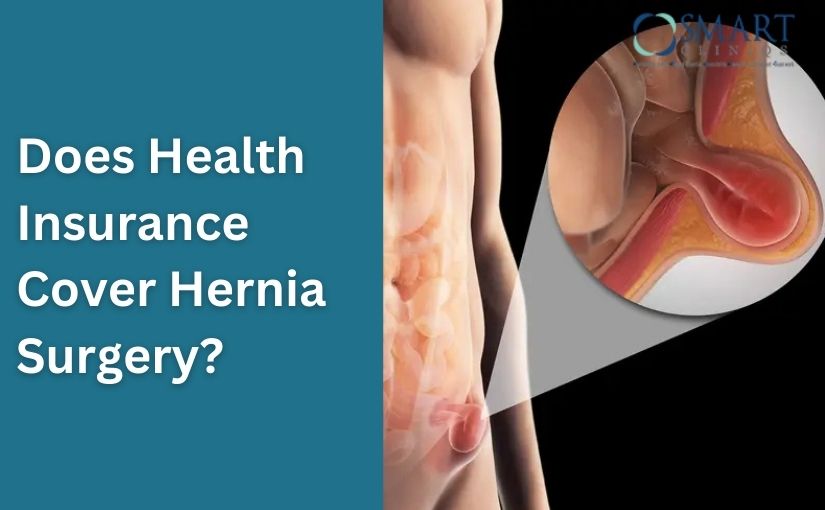
Does Health Insurance Cover Hernia Surgery?

Hernia is a common medical condition that occurs when an internal organ pushes through a weak spot in the surrounding muscle or tissue. Many people experience symptoms such as pain, swelling, or discomfort, especially when lifting heavy objects, coughing, or bending. In most cases, surgery is the only effective treatment for repairing a hernia and preventing complications.

One of the most common questions patients ask is: does health insurance cover hernia surgery? The good news is that most health insurance policies in India provide coverage for medically necessary hernia surgery. However, the coverage may depend on several factors such as the type of insurance plan, waiting period, policy terms, and whether the surgery is performed in a network hospital.

Does Health Insurance Cover Hernia Surgery?

Does health insurance cover hernia surgery? Learn about insurance coverage, eligibility, and factors affecting claims for hernia surgery and treatment costs.

Book Your Appointment Today

Understanding Hernia Surgery 

Hernia surgery is performed to repair the weakened muscle wall through which tissue or organs are protruding. During the procedure, the surgeon pushes the protruding tissue back into place and strengthens the weak area with stitches or surgical mesh.

There are 3 common types of hernia surgery:

1. Robotic Hernia Surgery

Robotic hernia surgery is an advanced and highly precise minimally invasive technique. In this procedure, the surgeon controls robotic instruments through a specialized console to repair the hernia. Small incisions are made, and a camera provides a clear 3D view of the surgical area. The robotic system allows greater accuracy, flexibility, and control during the procedure. Patients often experience less pain, smaller scars, and a faster recovery compared to traditional methods.

2. Laparoscopic Hernia Surgery

Laparoscopic hernia surgery is another minimally invasive technique. The surgeon makes a few small incisions and inserts a thin tube with a camera to view the hernia inside the body. Specialized instruments are used to repair the weakened muscle and place surgical mesh for support. This method usually results in less postoperative discomfort, minimal scarring, and quicker recovery.

3. Open Hernia Surgery (Used in Some Cases)

Open hernia surgery is a traditional approach and may be recommended in certain cases, such as very large or complicated hernias. In this procedure, the surgeon makes an incision near the hernia site to access and repair the weakened muscle wall. The protruding tissue is returned to its original position, and the area is reinforced with stitches or surgical mesh to prevent recurrence.

Does Health Insurance Cover Hernia Surgery?

Many patients ask does health insurance cover hernia surgery because surgical treatment can sometimes be expensive. In most cases, the answer is yes. Health insurance companies generally cover hernia surgery because it is considered a necessary medical procedure rather than a cosmetic treatment.

Insurance policies typically cover the following expenses:

  • Hospital room charges
  • Surgeon fees
  • Operation theatre charges
  • Anesthesia charges
  • Medical tests and diagnostics
  • Medicines during hospitalization
  • Pre- and post-hospitalization expenses

However, coverage may depend on specific conditions in your policy.

Hernia Surgery Covered by Insurance: Key Factors

Although hernia surgery covered by insurance is common, some factors determine whether the claim will be approved.

1. Waiting Period

Most health insurance policies have a waiting period for pre-existing diseases. If the hernia existed before the policy was purchased, you may need to wait 1–3 years before coverage begins.

2. Medical Necessity

Insurance companies usually cover the surgery only if it is medically required. If a doctor recommends surgery due to pain, complications, or risk of strangulation, the claim is more likely to be approved.

3. Network Hospitals

Insurance providers often prefer surgeries performed in network hospitals. These hospitals offer cashless treatment, meaning you may not need to pay the entire amount upfront.

4. Policy Coverage Limit

Your insurance plan may have a maximum coverage limit. If the surgery cost exceeds this amount, you may need to pay the remaining balance.

Is Hernia Surgery Covered by Insurance in India?

Many people specifically ask is hernia surgery covered by insurance India because policies can differ between countries. In India, most comprehensive health insurance plans include hernia surgery as part of hospitalization coverage.

Both private and government insurance providers usually include surgical procedures like hernia repair under their policies. However, it is important to review the policy details to understand:

  • Waiting periods
  • Coverage limits
  • Cashless hospitalization options
  • Exclusions in the policy

Consulting with experienced surgeons such as Dr. Atul Peters can also help patients understand treatment options and the documentation required for insurance approval.

Types of Hernia Surgery Covered by Insurance

Most insurance providers cover different types of hernia repair procedures, including:

Inguinal Hernia Surgery

This is the most common type of hernia and occurs in the groin area. Insurance plans typically cover surgical repair because untreated inguinal hernias can lead to complications.

Umbilical Hernia Surgery

Umbilical hernias occur near the belly button and are common in both children and adults. Surgical repair is usually covered by insurance.

Hiatal Hernia Surgery

This type occurs when part of the stomach pushes into the chest cavity. Surgery may be recommended if medications and lifestyle changes do not relieve symptoms.

Incisional Hernia Surgery

An incisional hernia develops at the site of a previous surgical incision. Most insurance policies cover treatment if it causes symptoms or complications.

Does Insurance Cover Hernia Surgery for All Patients?

Although the question does insurance cover hernia surgery is often answered positively, coverage is not automatic in every case. Approval depends on several factors.

Insurance companies may deny claims if:

  • The surgery is considered elective or cosmetic
  • The waiting period has not been completed
  • The patient did not disclose a pre-existing condition
  • Required documents are missing

To avoid claim rejection, it is important to follow the proper procedure and provide all necessary medical reports.

Documents Required for Insurance Claim

To receive insurance coverage for hernia surgery, you may need to submit several documents, including:

  • Doctor’s prescription recommending surgery
  • Diagnostic reports and medical history
  • Hospital admission records
  • Surgical procedure details
  • Medical bills and receipts
  • Insurance claim form

Providing accurate documents increases the chances of quick claim approval.

List of Insurance That Cover Hernia Surgery

Many health insurance companies and TPAs in India provide coverage for hernia surgery. These include:

  • Acko General Insurance Company Ltd
  • Aditya Birla Health Insurance Company Ltd
  • Bajaj Allianz General Insurance Company Ltd
  • Care Health Insurance Co. Ltd
  • Chola Mandalam MS General Insurance Co. Ltd
  • Ericson TPA Healthcare Pvt. Ltd
  • Family Health Plan (TPA) Ltd
  • Future Generali India Insurance Co. Ltd
  • Galaxy Health Insurance
  • Genins India TPA Limited
  • Go Digit General Insurance
  • Good Health TPA Services Ltd
  • HDFC Ergo General Insurance Co. Ltd
  • Health India TPA Services Pvt. Ltd
  • Health Insurance TPA Of India Limited
  • Heritage Health TPA Pvt. Ltd
  • ICICI Lombard General Insurance Co. Ltd
  • ICICI Prudential Life Insurance Co. Ltd
  • IFFCO Tokio General Insurance Co. Ltd
  • Liberty Videocon General Insurance Company Limited
  • Link-K Insurance TPA Services
  • Magma HDI General Insurance Company Limited
  • Manipal Cigna Health Insurance Co Ltd
  • MD India Healthcare Services (TPA) Pvt. Ltd
  • Medi Assist India TPA Pvt. Ltd
  • Medsave Healthcare TPA Ltd
  • National Insurance Company Limited
  • Navi General Insurance Limited
  • Niva Bupa Health Insurance Company Limited
  • Paramount Health Services (TPA) Pvt. Ltd
  • Park Mediclaim TPA Pvt. Ltd
  • Raksha TPA Pvt. Ltd
  • Reliance General Insurance Co. Ltd
  • Safeway TPA Services Pvt. Ltd
  • SBI General Insurance Company Limited
  • Star Health & Allied Insurance Co. Ltd
  • Tata AIG General Insurance Company
  • The New India Assurance Co. Ltd
  • The Oriental Insurance Company Limited
  • United India Insurance Company Limited
  • Universal Sompo General Insurance Co. Ltd
  • Vidal Health TPA Pvt. Ltd
  • Volo Health Insurance TPA Private Limited

Coverage details may vary depending on the specific plan and policy conditions.

Benefits of Having Insurance for Hernia Surgery

Health insurance can provide several advantages when undergoing hernia surgery.

Reduced Financial Burden

Surgical treatment can be expensive, but insurance helps cover a large portion of the cost.

Access to Better Treatment

Insurance allows patients to receive treatment at reputable hospitals and from experienced specialists.

Cashless Hospitalization

Many hospitals offer cashless treatment, reducing the need for large upfront payments.

Coverage for Additional Expenses

Some policies cover pre- and post-hospitalization expenses, including diagnostic tests and medications.

Does Health Insurance Cover Hernia Surgery?

Does health insurance cover hernia surgery? Learn about insurance coverage, eligibility, and factors affecting claims for hernia surgery and treatment costs.

Book Your Appointment Today

Final Thoughts

To conclude, many patients often worry about the cost of surgical treatment and ask does health insurance covers hernia surgery. The reassuring news is that most health insurance policies in India provide coverage for hernia repair because it is considered a medically necessary procedure. Insurance plans typically cover hospital charges, surgeon fees, operating theatre costs, anesthesia, and other medical expenses related to the surgery.

Getting timely treatment is essential because untreated hernias can lead to serious complications such as pain, obstruction, or strangulation of tissues. Consulting an experienced specialist ensures accurate diagnosis and the right treatment plan. Patients seeking advanced and safe surgical care often consult Dr. Atul Peters, recognized by many as the Best Hernia Surgeon in Delhi, for expert evaluation and treatment. With proper medical guidance and the support of health insurance, patients can undergo hernia surgery with greater confidence and financial peace of mind.

Frequently Asked Questions

Does health insurance cover hernia surgery?

Yes, most health insurance policies cover hernia surgery because it is considered a medically necessary procedure. However, coverage depends on policy terms, waiting periods, and hospital network availability.

Is hernia surgery covered by insurance in India?

Yes, many insurance companies in India provide coverage for hernia surgery. The policy may include hospitalization, surgeon fees, and operation theatre charges.

Does insurance cover hernia surgery immediately after buying a policy?

Usually not. Most policies have a waiting period of 1–3 years for pre-existing conditions like a hernia.

What documents are required for hernia surgery insurance claims?

Common documents include medical reports, doctor recommendations, hospital bills, discharge summaries, and insurance claim forms.

Can hernia surgery be done with cashless insurance?

Yes, if the surgery is performed in a network hospital, patients can usually use the cashless claim facility.

What happens if my insurance claim is rejected?

If a claim is rejected, you can appeal the decision by providing additional medical documents or clarification from your doctor.