How many Days to Recover from Appendix Surgery?

Appendix surgery, medically referred to as appendectomy, is one of the most common
emergency surgeries performed worldwide. Despite its routine nature, patients frequently ask, “How many days to recover from appendix surgery?” Knowing the expected recovery time helps patients plan their return to work, school, and daily activities with realistic expectations.

As someone who has performed hundreds of successful procedures, I, Dr. Atul Peters, offer my insights on the typical healing timeline and how patients can ensure a smooth, complication-free recovery. If you’re considering or have recently undergone Appendix Surgery in Delhi, this guide will serve as your comprehensive roadmap.

What is Appendix Surgery?

Appendectomy is the surgical removal of the appendix, a small part of the large intestine. The procedure is most often performed to treat appendicitis, a painful, inflamed, and potentially life-threatening condition.

There are two types of appendix surgeries:

  • Laparoscopic Appendectomy: Minimally invasive, involves 3 small incisions.
  • Open Appendectomy: Involves a larger single incision, usually reserved for complicated cases.

Both types are available at top medical centers offering Appendix Surgery, with the choice depending on the patient’s condition and the surgeon’s recommendation.

So, How Many Days to Recover from Appendix Surgery?

The short answer: 7 to 21 days, depending on the surgical method and the individual’s health.

1. Laparoscopic Surgery Recovery

  • Hospital stay: 1–2 days
  • Back to work or school: 5–7 days
  • Full recovery: 2 weeks

2. Open Surgery Recovery

  • Hospital stay: 3–4 days
  • Back to work or school: 10–14 days
  • Full recovery: 3–4 weeks

These timelines are averages. Factors like age, overall health, and complications (e.g., a burst appendix or infected abdomen[2] ) can impact the recovery period.

What to Expect During Recovery

Recovery doesn’t end when you leave the hospital. Here’s what to expect in the days following Appendix Surgery in Delhi:

First 3 Days:

  • Mild to moderate pain at incision sites
  • Limited movement
  • Need for rest and pain management

Days 4 to 7:

  • Improved energy levels
  • Ability to walk and perform light tasks
  • Gradual return to soft foods

Week 2 and Beyond:

  • Resume normal diet
  • Return to work or school
  • Continue light exercise

Patients should avoid heavy lifting, intense workouts, and smoking during this period.

Tips for a Speedy Recovery

Appendix

1.  Follow Doctor’s Instructions: Medication, wound care, and activity restrictions must be taken seriously.

2.  Stay Hydrated and Eat Light: Soups, fruits, and soft foods help your digestive system adjust post-surgery.

3.  Gentle Movement: Walking daily boosts circulation and prevents clots.

4.  Avoid Smoking and Alcohol: These can delay healing.

5.  Watch for Warning Signs: Fever, pus from the incision, or severe pain should be reported immediately.

Return to Normal Activities

A common question beyond recovery is: “When can I resume normal activities?”

  • Driving: 1 week post-laparoscopy, 2–3 weeks post-open surgery
  • Work or school: 1–2 weeks, depending on surgery type
  • Exercise: Light walking after 3–5 days; gym workouts after 3–4 weeks

Every patient’s timeline is unique, so always follow your surgeon’s advice.

Complications That Can Delay Recovery

While appendectomy is safe, complications may affect how many days to recover from appendix surgery. These include:

  • Wound infection
  • Internal abscess
  • Prolonged pain or fever

In such cases, healing may take 4–6 weeks. Early detection and treatment minimize the impact.

Follow-Up Appointments

Post-operative reviews are crucial. At our center for Appendix Surgery in Delhi, follow-up visits occur:

  • Within 5–7 days to check the incision
  • At 2 weeks for stitch removal (if non-absorbable)
  • At 4 weeks, to ensure full recovery

Additional imaging or lab tests may be needed if symptoms persist.

Life After an Appendectomy

The good news? You can live a perfectly normal life without your appendix. Long-term dietary or lifestyle changes are rarely necessary. However, patients are advised to:

  • Maintain a balanced diet
  • Exercise regularly
  • Avoid junk food and excess alcohol

Advanced Appendix Surgery by Dr. Atul Peters!
Contact Now!

Book Your Appointment


Final Thoughts: Recovery is Within Reach

So, how many days to recover from appendix surgery? The answer lies in multiple factors—surgery type, patient health, and post-op care. Most people feel “back to normal” in about 2–3 weeks. As Dr. Atul Peters, I emphasize early treatment, skilled surgery, and comprehensive aftercare to ensure the smoothest recovery possible. If you or a loved one is facing appendicitis, don’t delay.

Frequently Asked Questions

1. How many days to recover from appendix surgery?

The average recovery period is 10–14 days after laparoscopic appendectomy and up to 6 weeks for open surgery. Recovery may take longer if complications such as a burst appendix or infection occur.

2. What factors can slow down recovery from appendix surgery?

Factors include age, the type of surgery (laparoscopic vs. open), overall health condition, presence of complications, and whether the patient follows post-op instructions. All of these directly impact the recovery from appendix surgery.

3. Can I walk after appendix surgery?

Yes, light walking is encouraged within 24 hours post-surgery to improve circulation and reduce the risk of blood clots. Avoid strenuous activities or lifting until cleared by your doctor.

4. When can I return to work or school?

Patients who undergo laparoscopic surgery can often return to non-physical work or school in 7–10 days. For open surgery, expect to wait at least 3–4 weeks, depending on the physical demands of your job.

5. How will I know if something is wrong during recovery?

Contact your doctor immediately if you experience high fever, persistent nausea, increasing pain, redness or pus at the incision, or inability to pass gas or stool. These could indicate complications that may extend the recovery from appendix surgery.

How is Gallbladder Surgery Done? {Surgeon’s Guide}

Gallbladder surgery, also known as cholecystectomy, is one of the most common surgical procedures performed worldwide. It is usually recommended for people suffering from gallstones, gallbladder inflammation, or other related problems that cause pain, nausea, or digestive issues.

If you’re planning for this surgery, you might want to know how is gallbladder surgery done and what to expect before, during, and after the procedure. This guide explains everything in simple terms, including the types of surgery, the step-by-step process, recovery, and safety aspects. We’ll also address common questions like how laparoscopy is done for gallbladder surgery and can gallbladder surgery can be done with local anesthesia, to help you make an informed decision.

Expert Gallbladder Surgery by Dr. Atul Peters

Minimally invasive surgery with smaller cuts, less pain, and faster recovery. Speak to our team now.

Request Callback WhatsApp Chat

Understanding Gallbladder Surgery

The gallbladder is a small organ located under your liver that stores bile, a digestive fluid that helps break down fats. Sometimes, small stones (gallstones) form inside the gallbladder, causing severe pain, infection, or blockage in the bile duct. When medicines and lifestyle changes don’t help, doctors recommend gallbladder removal surgery to provide permanent relief.

The two main types of gallbladder surgery are:

  • Laparoscopic Gallbladder Surgery: A minimally invasive procedure where small cuts are made in the abdomen, and a camera is used to guide the surgery.
  • Open Gallbladder Surgery: A traditional method involving a larger incision, usually done in complicated cases.

Most patients today undergo laparoscopic surgery because it is safer, faster, and requires less recovery time.

How is Gallbladder Surgery Done?

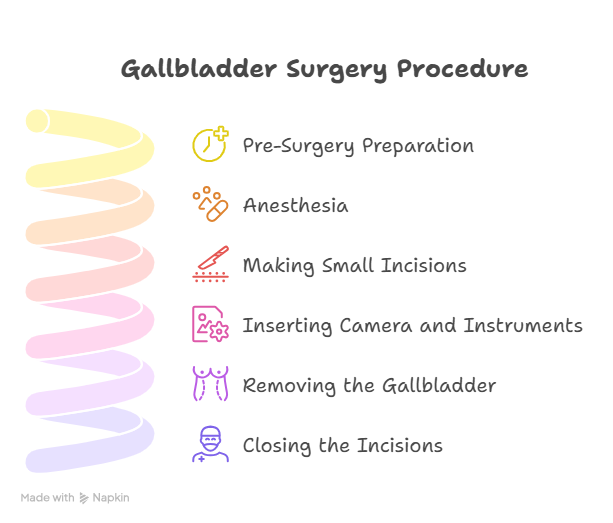
Gallbladder surgery can be performed in two ways, but the laparoscopic method is the most preferred choice due to its minimally invasive approach. Here’s how the surgery is done step by step:

Step 1: Pre-Surgery Preparation

  • A full medical evaluation is done, including blood tests, ultrasound scans, and sometimes an MRI.
  • You will be given instructions on fasting (usually 6–8 hours before surgery).
  • The anesthesia team discusses the procedure and gives you medication to help you relax.

Step 2: Anesthesia

  • General anesthesia is given in most cases to ensure you are asleep and pain-free during the operation.
  • Many people ask, “Can gallbladder surgery be done with local anesthesia?” While local anesthesia numbs a specific area, it is rarely used for this surgery because the procedure involves internal organs, and general anesthesia is much safer and more comfortable.

Step 3: Making Small Incisions

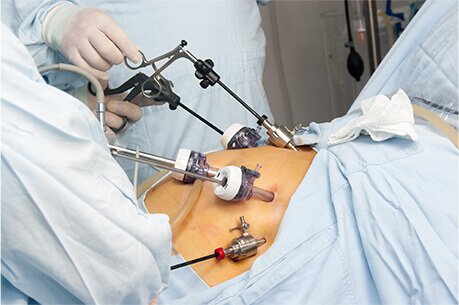
  • In laparoscopic surgery, the surgeon makes 3–4 small cuts in your abdomen.
  • A special tube is inserted to pump carbon dioxide gas, which inflates the area and provides space to work safely.

Step 4: Inserting the Camera and Instruments

  • A thin tube with a camera (laparoscope) is inserted to give the surgeon a clear view of your gallbladder on a monitor.
  • Special instruments are used to carefully separate the gallbladder from the liver and bile ducts.

Step 5: Removing the Gallbladder

  • The gallbladder is detached and removed through one of the small incisions.
  • The area is checked for bleeding, and the instruments are removed.

Step 6: Closing the Incisions

  • The small cuts are stitched or sealed with surgical tape.
  • A bandage is applied, and you are taken to the recovery room.

The entire laparoscopic procedure usually takes 1 to 2 hours, depending on the complexity of the case. Patients under the care of experts like Dr. Atul Peter, a trusted specialist for Gallbladder Surgery in Delhi, experience high success rates and safe outcomes.

How Laparoscopy is Done for Gallbladder Surgery?

Laparoscopic gallbladder removal is a modern technique that has replaced traditional open surgery in most cases. Here’s how it works:

  • Minimal Incisions: Only 3–4 small cuts instead of one large incision.
  • Camera Assistance: A tiny camera allows the surgeon to see inside the abdomen.
  • Special Tools: Thin surgical instruments remove the gallbladder safely.
  • Less Pain and Scarring: Smaller cuts mean less discomfort and almost invisible scars.
  • Quick Recovery: Most patients can go home the same day or the next day after surgery.

Anesthesia in Gallbladder Surgery

Many patients are concerned about anesthesia and ask whether gallbladder surgery can be done with local anesthesia. In almost all cases, general anesthesia is used because:

  • It ensures you are unconscious and pain-free during the entire procedure.
  • It allows doctors to work safely on internal organs.
  • It reduces stress and movement during surgery.

Local anesthesia is not preferred as it only numbs a small area and cannot prevent discomfort during a complex procedure like this.

Recovery After Gallbladder Surgery

Recovery time depends on whether you had laparoscopic or open surgery:

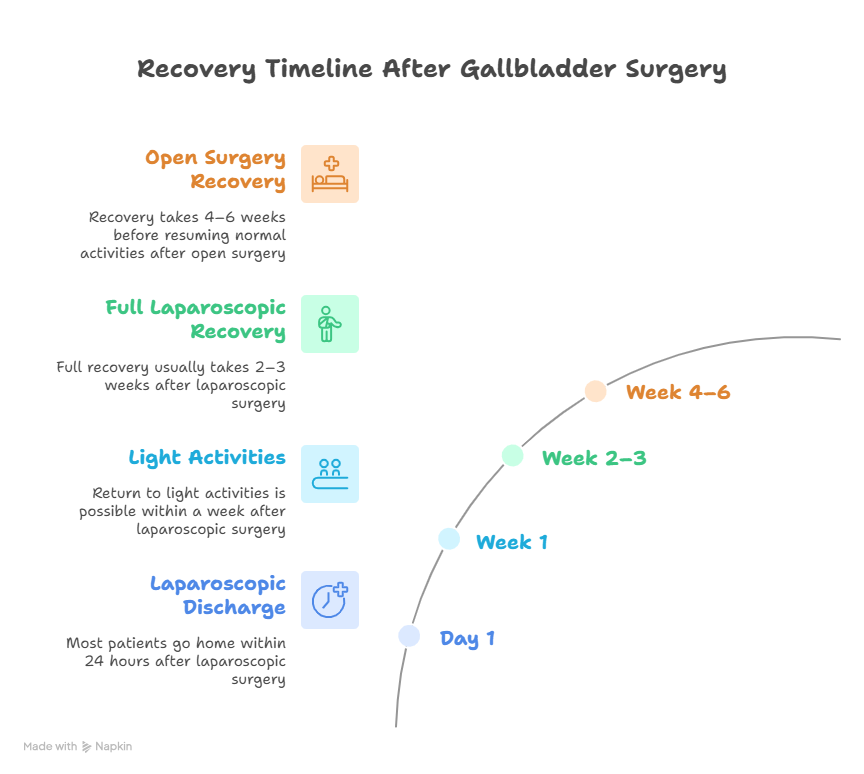
  • Laparoscopic Surgery: Most patients can go home within 24 hours and return to light activities within a week. Full recovery usually takes 2–3 weeks.
  • Open Surgery: Recovery takes longer, usually 4–6 weeks before resuming normal activities.

After Surgery:

  • You may have mild pain or discomfort for a few days, which can be managed with prescribed medication.
  • A low-fat diet is recommended to avoid digestive discomfort until your body adjusts to the absence of the gallbladder.
  • Regular follow-up visits are important to monitor healing.

Risks and Complications

Gallbladder surgery is generally very safe, especially in the hands of experienced specialists like Dr. Atul Peter. However, like any surgery, there can be some risks:

  • Infection or bleeding at the incision site.
  • Injury to nearby organs or bile ducts (rare).
  • Temporary diarrhea or digestive changes.
  • Reaction to anesthesia (uncommon).

These risks are minimized when surgery is performed in a well-equipped hospital by a skilled surgical team.

Final Thoughts

If you’re wondering how is gallbladder surgery done, the answer is that it’s a safe and well-practiced procedure that offers long-term relief from gallstones and related problems.

Most patients undergo laparoscopic gallbladder removal, which is minimally invasive, takes about 1–2 hours, and allows you to go home the same or the next day. General anesthesia is used for comfort and safety, and the procedure is performed by highly experienced doctors like Dr. Atul Peter, a leading specialist for Gallbladder Surgery in Delhi.

With the right surgeon and proper aftercare, gallbladder surgery is a simple, effective, and permanent solution to painful gallbladder issues.

Frequently Asked Questions

How long does gallbladder surgery take?

Laparoscopic gallbladder surgery usually takes 1–2 hours, while open surgery may take longer.

How is laparoscopy done for Gallbladder surgery?

Small cuts are made in the abdomen, and a camera is used to guide special instruments that remove the gallbladder safely with minimal pain and scarring.

Can Gallbladder surgery be done with local anesthesia?

No, local anesthesia is not recommended. General anesthesia is used to ensure you are unconscious and pain-free throughout the procedure.

How many days do I need to stay in the hospital?

For laparoscopic surgery, most patients stay 1–2 days. Open surgery may require a hospital stay of 3–5 days.

How long does it take to fully recover?

Recovery after laparoscopic surgery usually takes 2–3 weeks, while open surgery may take 4–6 weeks.

How Long Does Gastric Bypass Surgery Take?

Gastric bypass surgery is one of the most popular and effective weight loss procedures for people struggling with severe obesity. It not only helps with significant weight loss but also improves obesity-related health conditions like diabetes, high blood pressure, and sleep apnea.

However, if you are considering this surgery, you may have one important question: “How long does gastric bypass surgery take?”

The answer is not the same for everyone. The time taken for the procedure depends on several factors, including the patient’s overall health, the complexity of the surgery, and the technique used. In this blog, we’ll explain everything you need to know about Gastric Bypass Surgery in Delhi, what happens during the procedure, recovery duration, and how to prepare for it.

Understanding Gastric Bypass Surgery

Gastric bypass surgery is a type of bariatric surgery designed to help people with severe obesity lose weight effectively. The procedure works by creating a small stomach pouch and connecting it directly to the small intestine, which means patients feel full faster and absorb fewer calories. This combination of restriction and malabsorption makes it one of the most successful methods for long-term weight loss.

Beyond weight reduction, gastric bypass also helps improve or even resolve obesity-related conditions like type 2 diabetes, high blood pressure, and sleep apnea. Performed mostly through minimally invasive laparoscopic techniques, the surgery is considered safe and effective when done by an experienced specialist. With proper diet, lifestyle changes, and follow-up care, patients can achieve lasting health benefits and a significantly improved quality of life.

How long Does Gastric Bypass Surgery take?

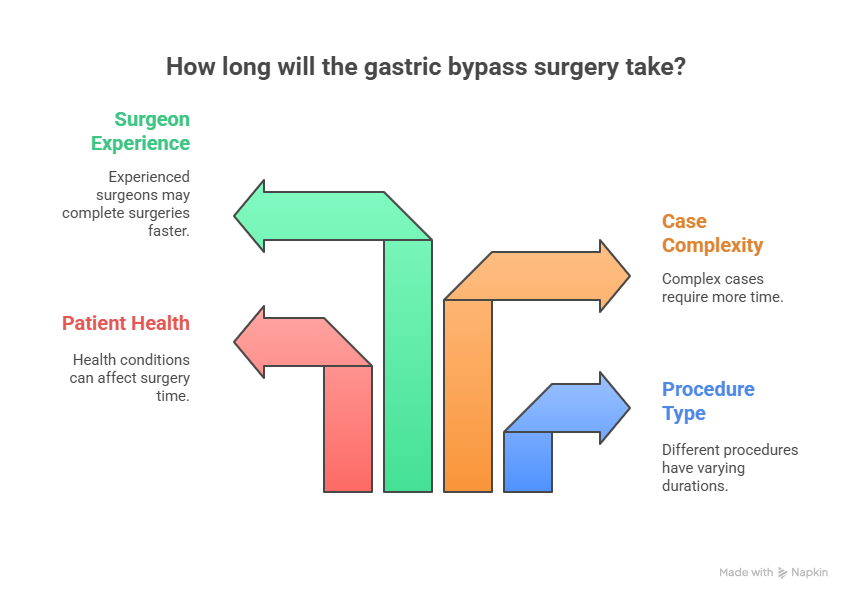
On average, gastric bypass surgery takes about 2 to 4 hours to complete. However, this time can vary depending on:

  • Type of Procedure: Most gastric bypass surgeries are done laparoscopically (minimally invasive), which takes less time than open surgery.
  • Patient’s Health Condition: If the patient has other medical problems or previous abdominal surgeries, the procedure may take longer.
  • Complexity of the Case: More complex cases, such as very high BMI or additional repairs (like hernia correction), can extend the time.
  • Experience of the Surgeon: A skilled Bariatric Surgeon in Delhi NCR with expertise in gastric bypass surgery time management can perform the surgery more efficiently and safely.

Though the operation usually lasts between 120 to 240 minutes, the total time spent in the hospital, including preparation and recovery, will be longer.

Pre-Surgery Time: What to Expect

Before the actual surgery begins, several steps are taken to prepare you:

  • Pre-Operative Checks: This includes blood tests, anesthesia assessment, and final medical checks.
  • Anesthesia Preparation: You will be given general anesthesia, ensuring you sleep comfortably during surgery.
  • Positioning and Setup: The surgical team prepares the operating area and positions you for the laparoscopic procedure.

These steps usually take about 30–60 minutes before the surgery actually starts, adding to the total time spent in the operating room.

Step-by-Step Duration of the Surgery

Let’s break down the gastric bypass surgery time into stages:

  1. Anesthesia (30–45 minutes): The patient is put to sleep, and monitoring devices are connected.
  2. Incision and Setup (15–20 minutes): Small incisions are made for laparoscopic instruments.
  3. Creation of the Stomach Pouch (40–60 minutes): The surgeon divides the stomach to create a small pouch.
  4. Bypassing the Small Intestine (40–60 minutes): A section of the intestine is connected to the pouch.
  5. Closure and Final Checks (20–30 minutes): Incisions are closed, and the area is cleaned.

The entire procedure typically takes 2–4 hours, depending on patient-specific factors and the surgeon’s experience. Leading specialists like Dr. Atul Peter, known for Gastric Bypass Surgery in Delhi, often complete the surgery efficiently while maintaining the highest safety standards.

Post-Surgery Time in the Recovery Room

After surgery, you are taken to a recovery room where medical staff monitor your condition as you wake up from anesthesia. This phase generally takes:

  • 1–2 hours in the immediate recovery area.
  • An additional 2–3 days in the hospital for observation before discharge.

During this time, doctors ensure there are no complications, and you can tolerate fluids before going home.

Recovery Time After Gastric Bypass Surgery

Apart from the actual time in the operating room, it’s important to consider how long it takes to fully recover:

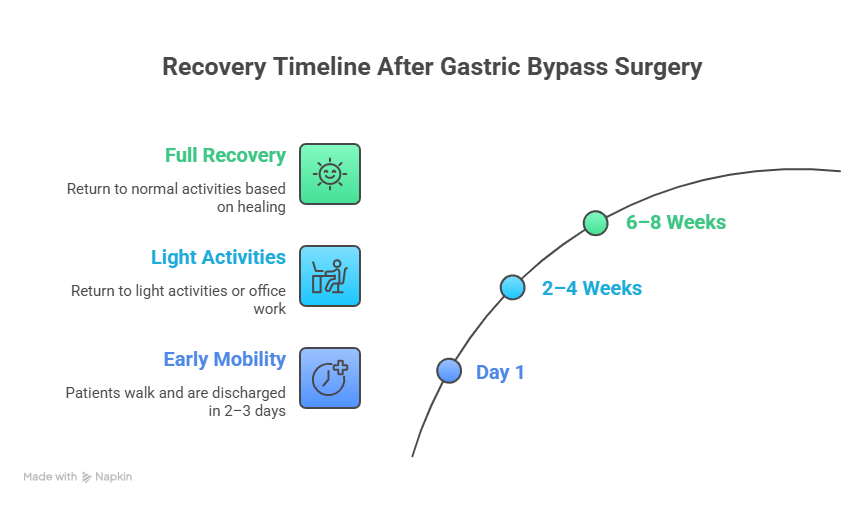
  • First Week: Most patients can walk around within a few hours after surgery and are discharged in 2–3 days.
  • 2–4 Weeks: You may return to light activities or office work.
  • 6–8 Weeks: Full recovery with a return to normal activities, depending on your healing and energy levels.

Your surgeon will provide dietary guidelines and physical activity plans to help you recover faster and achieve long-term weight loss safely.

Factors Affecting Gastric Bypass Surgery Time

Several factors can change how long your surgery takes:

  • Body Mass Index (BMI): A Higher BMI may increase surgery duration.
  • Previous Abdominal Surgeries: Scar tissue can make the procedure more complex.
  • Type of Gastric Bypass: Laparoscopic (keyhole) surgery is usually quicker than open surgery.
  • Additional Procedures: Sometimes, gallbladder removal or hernia repair is done at the same time.
  • Surgeon’s Expertise: Choosing an experienced bariatric surgeon like Dr. Atul Peter ensures a smoother and faster procedure with lower risks.

Tips to Ensure a Smooth and Timely Surgery

  • Choose a qualified and experienced bariatric surgeon with a strong track record.
  • Follow pre-surgery instructions carefully, including dietary changes and medication adjustments.
  • Lose some weight before surgery if recommended, as it can reduce operating time.
  • Stop smoking and alcohol consumption before surgery to improve healing.
  • Attend all pre-operative counseling sessions to understand the process better.

Gastric Bypass Surgery by Dr. Atul Peters!
Contact Now!

Book Your Appointment


Final Thoughts

So, how long does gastric bypass surgery take? On average, the surgery lasts 2 to 4 hours, depending on the patient’s health, the complexity of the procedure, and the surgeon’s expertise. While the operation itself may seem long, the positive life-changing effects it brings far outweigh the time spent in surgery.

Choosing an experienced specialist like Dr. Atul Peter’s, known for performing safe and effective Gastric Bypass Surgery, ensures that you get the best results with minimal risks and a smooth recovery.

Frequently Asked Questions

How long does Gastric Bypass Surgery take on average?

Most procedures take 2 to 4 hours, with additional time spent in pre-surgery preparation and post-surgery recovery.

Is Laparoscopic Gastric Bypass Surgery faster than open surgery?

Yes, laparoscopic surgery is usually quicker, less invasive, and has a faster recovery time compared to open surgery.

How many days do I need to stay in the hospital after surgery?

Most patients stay for 2 to 3 days after gastric bypass surgery for monitoring and recovery before going home.

 Does a longer surgery mean a higher risk?

Not necessarily. The safety of the procedure depends more on the surgeon’s experience, patient health, and hospital quality rather than just the duration of the surgery.

Is Weight Loss Surgery Safe?

Obesity is one of the most common health challenges worldwide, linked with conditions such as diabetes, hypertension, heart disease, sleep apnea, and even certain cancers. For many individuals, diet and exercise alone may not provide long-term success in managing obesity. This is where weight loss surgery (also called bariatric surgery) becomes an option.

But a common concern that arises is: Is weight loss surgery safe? It’s natural to be cautious when considering a surgical procedure, especially one that permanently alters your digestive system. In this comprehensive guide, we will explore the safety of weight loss surgery, the risks involved, the safety improvements made over the years, and what patients should know before making a decision.

Understanding Weight Loss Surgery

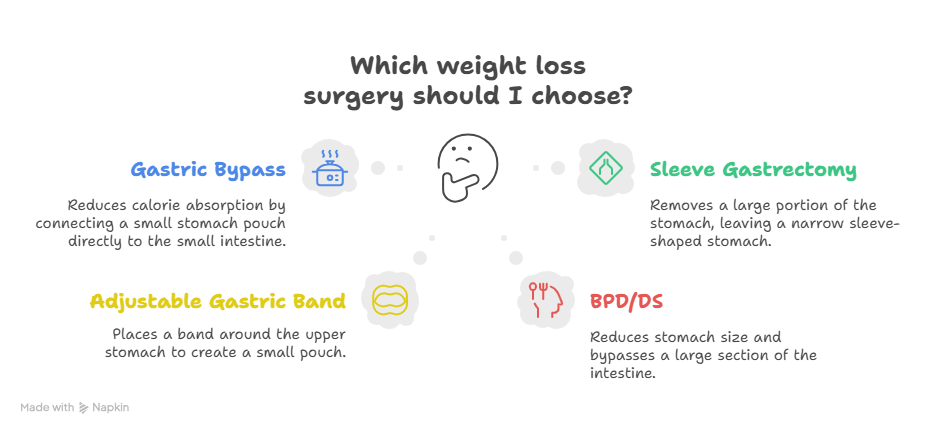
Weight loss surgery encompasses a range of surgical procedures that help patients lose weight by modifying the stomach and digestive system. The most common types are:

  • Gastric Bypass (Roux-en-Y): The stomach is divided into a small pouch and connected directly to the small intestine, reducing calorie absorption.
  • Sleeve Gastrectomy: A large portion of the stomach is removed, leaving a narrow “sleeve”-shaped stomach that holds less food.
  • Adjustable Gastric Band: A band is placed around the upper part of the stomach to create a small pouch.
  • Biliopancreatic Diversion with Duodenal Switch (BPD/DS): A more complex surgery that reduces stomach size and bypasses a large section of the intestine.

Each of these surgeries carries unique risks and benefits, but overall, they are considered safe when performed by skilled surgeons.

Is Weight Loss Surgery safe?

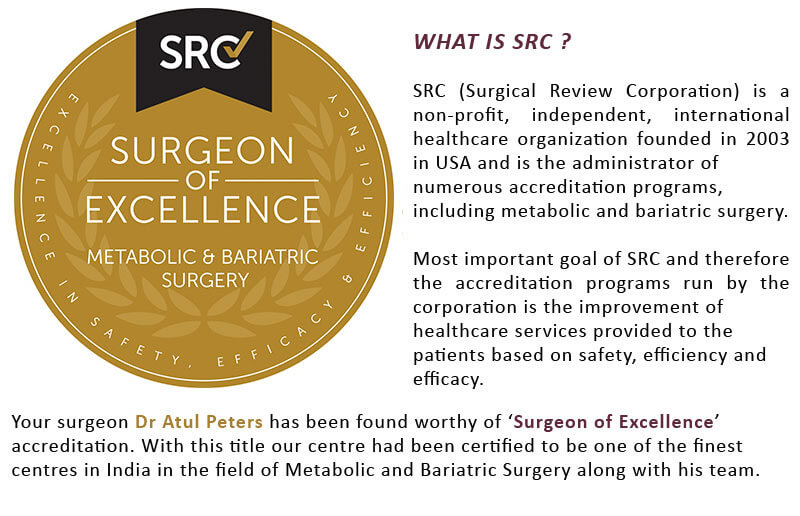
The direct answer: Yes, weight loss surgery is generally safe when performed by experienced surgeons in accredited centers.

Advancements in laparoscopic (minimally invasive) techniques have greatly reduced complications compared to earlier years. Studies show that the risks of bariatric surgery are comparable to, or even lower than, other common surgeries such as gallbladder removal or hip replacement.

In fact, for people with severe obesity and obesity-related health issues, the benefits of weight loss surgery often outweigh the risks. Patients experience long-term improvement in conditions like type 2 diabetes, high blood pressure, and sleep apnea.

How Safe is Weight Loss Surgery today?

Many people wonder: How safe is weight loss surgery compared to other procedures? Let’s look at the facts:

  • Mortality Rate: The risk of death from bariatric surgery is less than 0.1–0.3%, which is lower than many other abdominal surgeries.
  • Complication Rate: The risk of major complications is around 4–6%, most of which are manageable.
  • Long-Term Safety: Patients who undergo weight loss surgery live longer and have a lower risk of obesity-related diseases compared to those who remain untreated.
  • Improved Techniques: Modern laparoscopic surgery involves smaller cuts, reduced infection risks, quicker recovery, and shorter hospital stays.

So, is weight loss surgery safe? — Yes, especially when compared to the long-term dangers of untreated obesity.

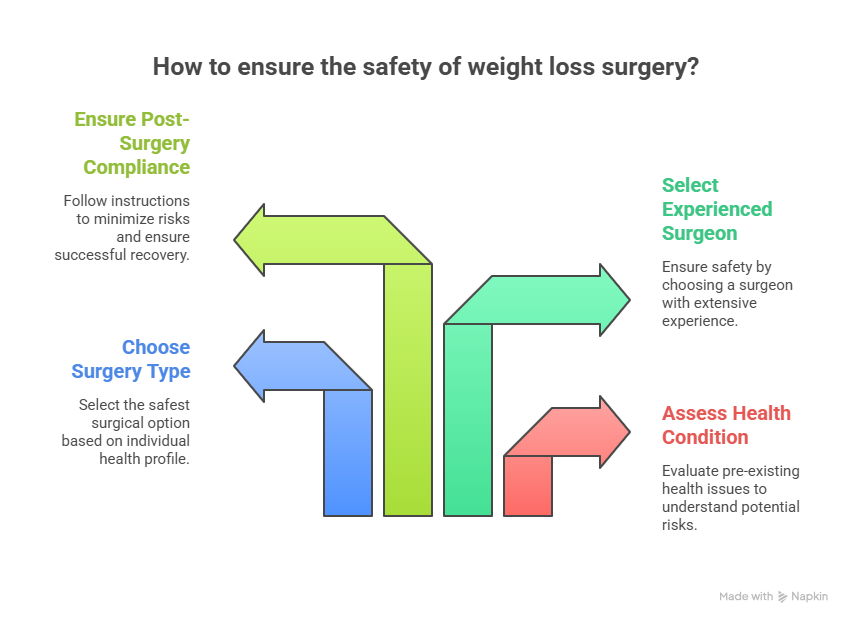
Factors That Influence Safety

Although weight loss surgery is safe overall, certain factors can influence the level of risk:

  1. Patient’s Health Condition
    • Patients with heart disease, lung disease, or uncontrolled diabetes may face higher risks.
    • A thorough medical evaluation is essential before surgery.
  2. Type of Surgery
    • Gastric bypass and duodenal switch carry slightly higher complication rates than gastric sleeve or gastric band.
    • Your surgeon will recommend the safest option for your health profile.
  3. Surgeon’s Experience
  4. Post-Surgery Compliance
    • Following dietary instructions, taking supplements, and attending follow-up appointments greatly reduce risks.

Common Risks and Complications

Like all surgeries, bariatric surgery carries risks. However, being aware of them helps in better preparation.

  • Short-Term Risks (within a few weeks of surgery):
    • Bleeding
    • Infection
    • Leakage at the surgical site
    • Blood clots
  • Long-Term Risks:
    • Nutritional deficiencies (vitamin B12, iron, calcium)
    • Dumping syndrome (rapid gastric emptying leading to nausea, diarrhea, or weakness)
    • Gallstones due to rapid weight loss
    • Rarely, bowel obstruction or ulcers

These complications are usually manageable with medical care and lifestyle adjustments.

Benefits that Outweigh Risks

When people ask, “Is weight loss surgery safe?”, they should also consider the tremendous benefits:

  • Significant and sustained weight loss
  • Improved quality of life and mobility
  • Remission or improvement of diabetes, hypertension, and sleep apnea
  • Reduced risk of heart attack, stroke, and premature death
  • Better fertility and hormonal balance in some patients

In many cases, the risks of not having surgery (living with obesity) are far greater than the surgical risks themselves.

Safety Tips for Patients Considering Surgery

If you are planning bariatric surgery, here are the steps to ensure maximum safety:

  1. Choose the right surgeon and hospital.
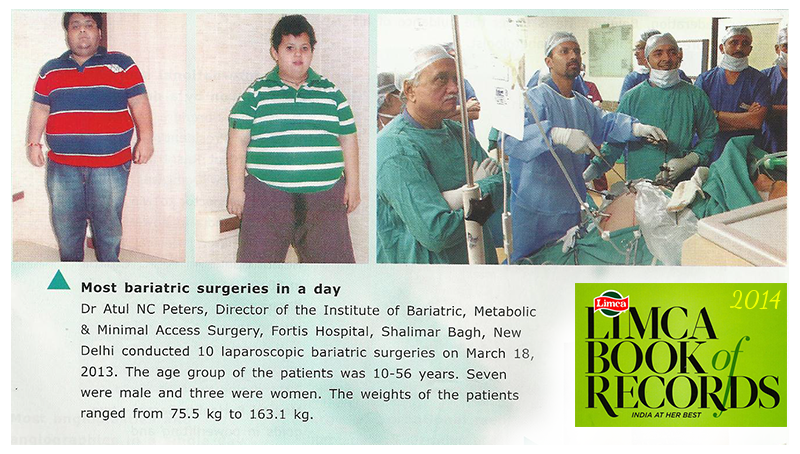
    • Look for specialists like Dr. Atul Peter, who is renowned for Weight Loss Surgery in Delhi and has a track record of safe, successful outcomes.
  2. Complete pre-surgery evaluations.
    • Medical tests, psychological assessments, and dietary consultations help ensure readiness.
  3. Follow all pre-op and post-op instructions.
    • Avoid smoking, alcohol, and certain medications before surgery.
    • Stick to the post-surgery diet and activity plan strictly.
  4. Attend regular follow-ups.
    • Monitoring allows early detection of complications.
  5. Take recommended supplements.
    • Prevent deficiencies by taking multivitamins and minerals.

Weight Loss Surgery by Dr. Atul Peters!
Contact Now!

Book Your Appointment


Conclusion

So, is weight loss surgery safe? The answer is yes — when performed under expert care, with proper patient preparation, and with lifelong commitment to healthy habits. While no surgery is without risks, bariatric surgery has been proven to be a safe and effective tool for fighting obesity and related diseases.

Choosing an experienced surgeon, following medical advice, and understanding both the risks and benefits are key to a safe and successful outcome. For patients in India, consulting experts such as Dr. Atul Peter, a trusted name in Weight Loss Surgery in Delhi, ensures the highest safety standards and best results.

Frequently Asked Questions

Is Weight Loss Surgery safe for everyone?

Not everyone is a candidate. It is generally recommended for patients with a BMI over 35 with obesity-related conditions, or a BMI over 40. A complete medical evaluation determines eligibility.

How Safe is Weight Loss Surgery compared to not having it?

For people with severe obesity, the risks of untreated obesity (heart disease, diabetes, early death) are far greater than the risks of surgery.

What is the Safest type of Weight Loss Surgery?

Sleeve gastrectomy is considered one of the safest options, with lower complication rates than bypass. However, the best choice depends on individual health.

Can complications occur years after surgery?

Yes, nutritional deficiencies and digestive issues can arise, but with regular follow-ups and supplements, these risks are manageable.

How do I ensure my Weight Loss Surgery is safe?

Choose an experienced surgeon like Dr. Atul Peter’s, follow all pre- and post-operative care instructions, and attend follow-up appointments regularly.