How to Cure Hernia Without Surgery?

A hernia is a common medical condition that happens when an internal organ or tissue pushes through a weak spot in the muscle or surrounding wall. While surgery is often recommended as the most effective and permanent treatment for a hernia, many people wonder — how to cure hernia without surgery, or if it’s even possible to manage the condition naturally.

In this article, we’ll discuss whether hernia can be cured without surgery, what lifestyle changes or treatments may help, and when medical attention is necessary. The content is designed to help you understand your options in simple, easy-to-follow language.

How to Cure Hernia Without Surgery?

“Many people wonder — how to cure hernia without surgery, or if it’s even possible to manage the condition naturally.”

Book Your Appointment Today

Understanding Hernia

A hernia occurs when part of an organ (usually the intestine) bulges through a weak spot in the muscle or tissue. It can develop in several parts of the body, most commonly:

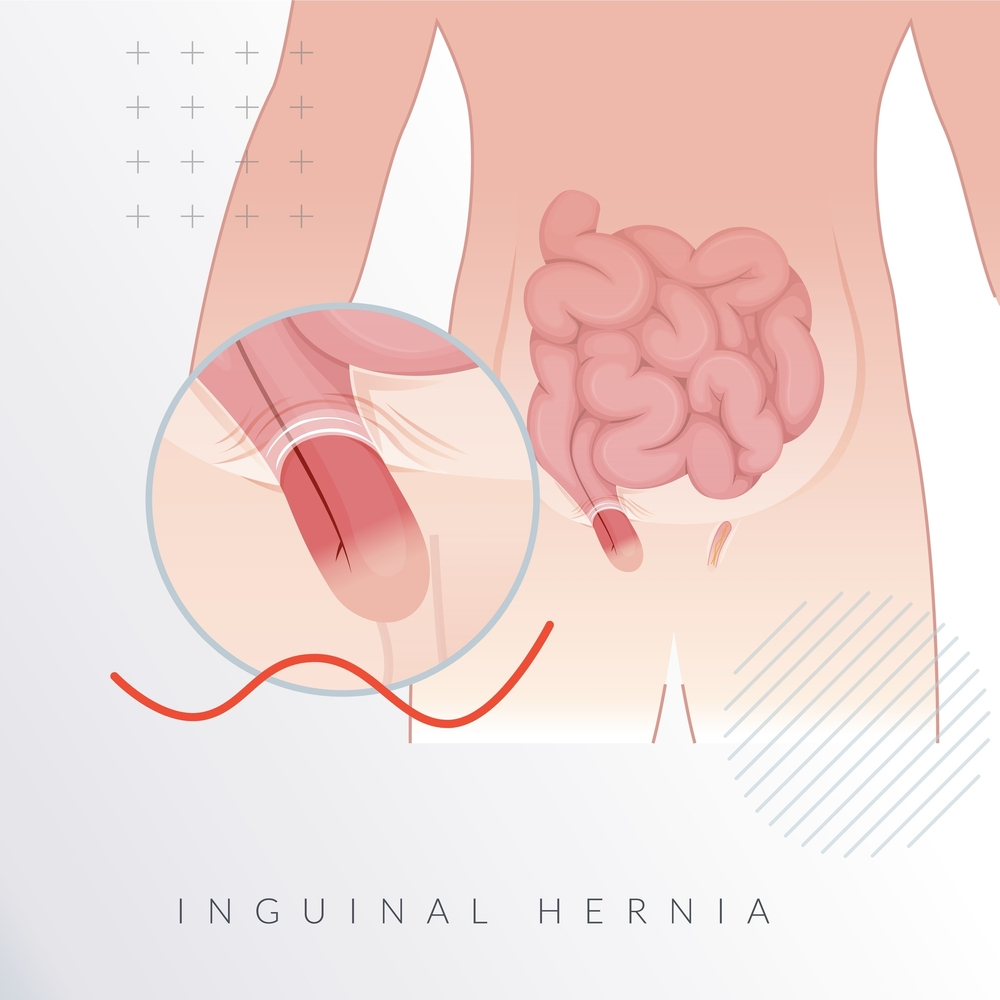
  • Inguinal hernia (groin area – most common in men)
  • Umbilical hernia (near the belly button)
  • Hiatal hernia (upper stomach area, where the stomach pushes through the diaphragm)
  • Incisional hernia (at the site of a previous surgery)
  • Femoral hernia (upper thigh, near the groin)

A hernia may appear as a lump or bulge that becomes more visible when you cough, lift something heavy, or strain your abdomen.

Can Hernia Be Cured Without Surgery?

Many people ask, “can hernia be cured without surgery?” The honest answer is — a hernia cannot be completely cured without surgery. Once a hernia develops, the weakened area in your muscle wall does not heal on its own. However, it is possible to manage symptoms, prevent worsening, and live comfortably for a period of time through lifestyle modifications, exercises, and medical management — especially if the hernia is small and not causing severe symptoms.

So, while it is not possible to cure hernia without surgery permanently, there are ways to control pain, reduce strain, and prevent complications until surgery becomes necessary or advisable.

Why Surgery is the Only Permanent Cure

Hernia surgery (known as herniorrhaphy or hernia repair) is the only way to fix the weakened muscle wall that allows the hernia to occur. During surgery, the surgeon pushes the protruding organ or tissue back into place and reinforces the weak spot with stitches or a mesh.

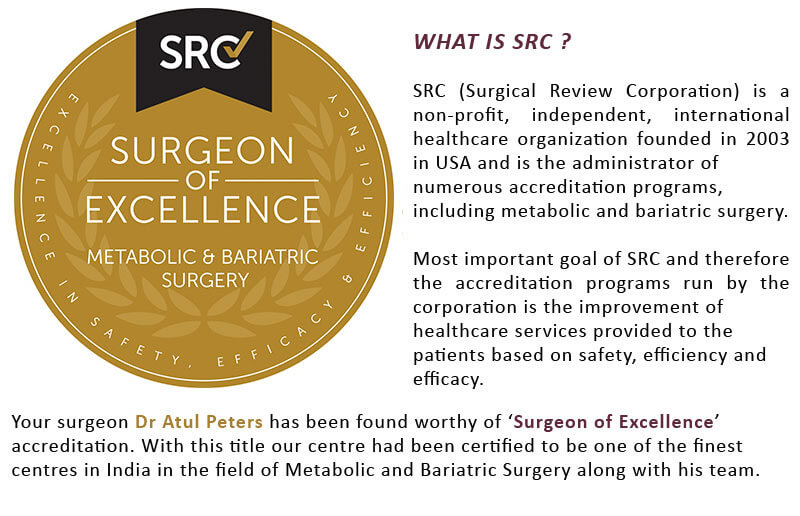
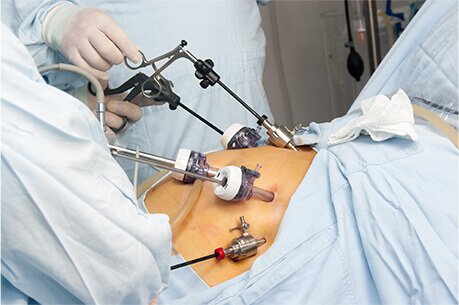
Modern advancements such as laparoscopic hernia surgery make the procedure minimally invasive, safe, and highly effective. Experts like Dr. Atul Peter’s, known as the Best Hernia Surgeon in Delhi, perform these surgeries with precision and minimal downtime, allowing patients to recover quickly.

That said, if you’re not yet ready for surgery or your doctor advises waiting, here’s how you can safely manage a hernia without surgery.

Lifestyle Changes to Manage a Hernia Naturally
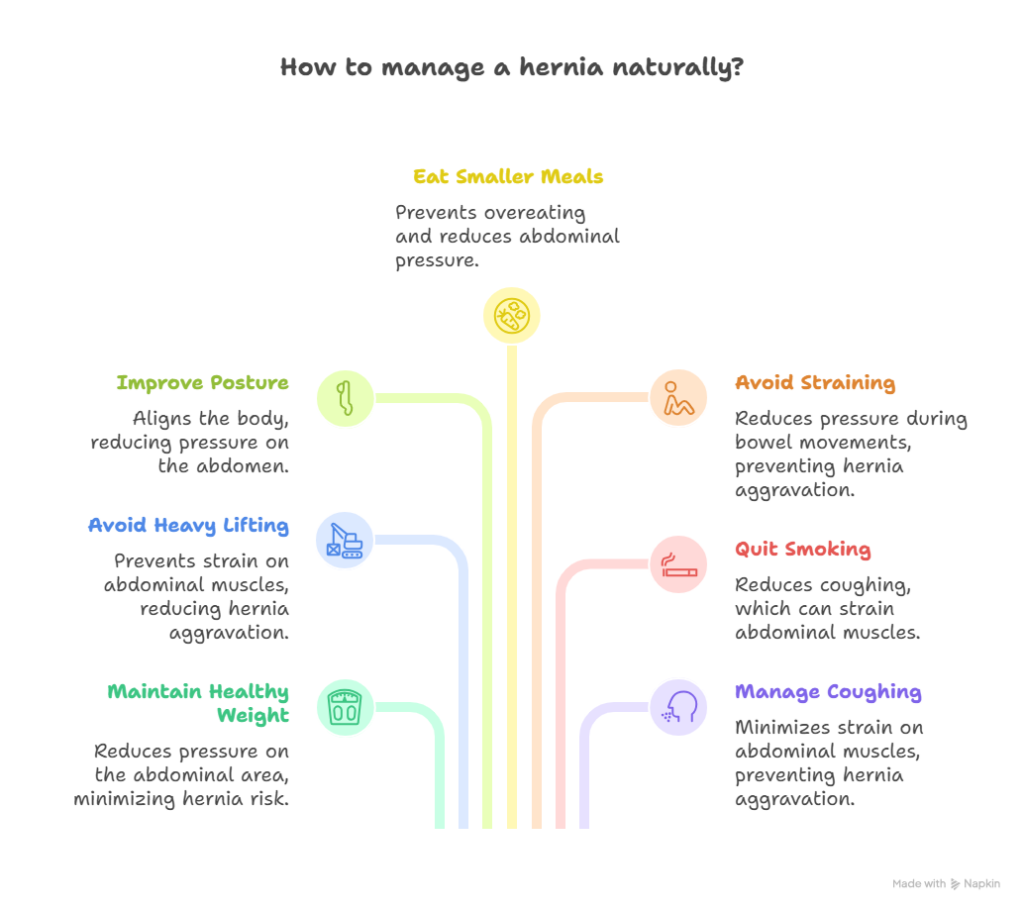
While surgery is the definitive treatment, certain lifestyle changes can help reduce symptoms and prevent the hernia from worsening.

1. Maintain a Healthy Weight

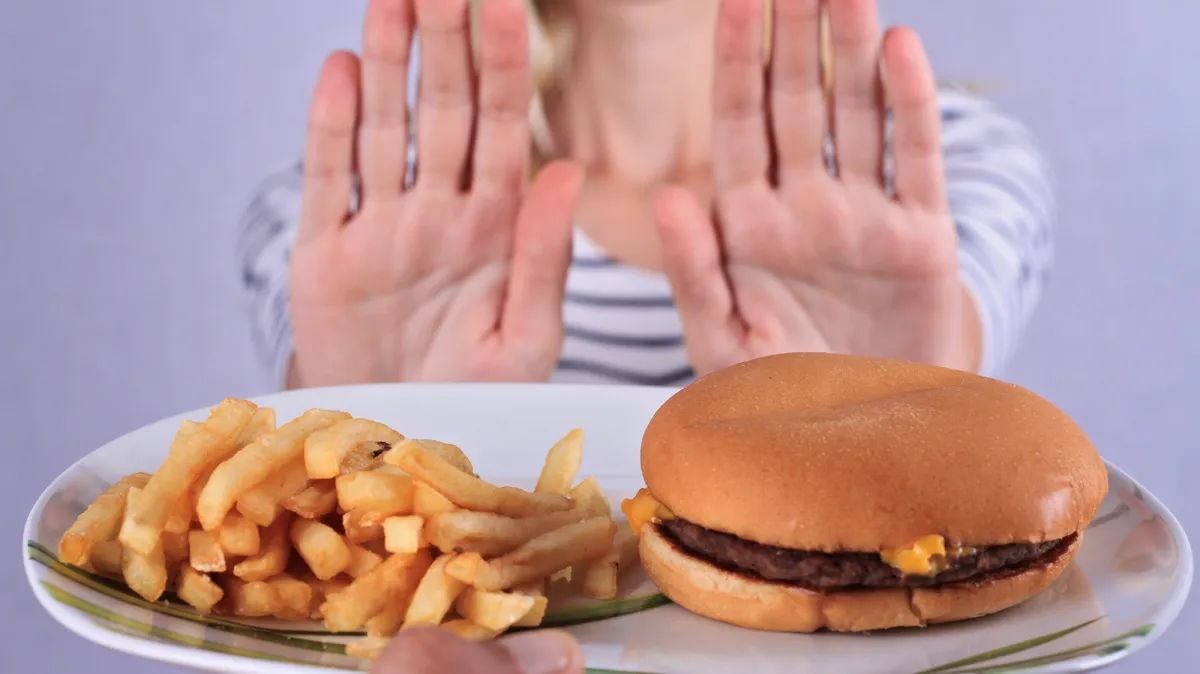
Excess body weight increases pressure on your abdominal wall, which can make a hernia worse. Losing even a small amount of weight can help relieve this pressure. Focus on a balanced diet rich in vegetables, fruits, and lean proteins. Avoid fried and fatty foods that can cause bloating or constipation.

2. Avoid Heavy Lifting

Lifting heavy objects can strain the abdomen and worsen your hernia. If lifting is unavoidable, learn to lift properly — bend your knees, not your waist, and use your legs to lift instead of your back or stomach muscles.

3. Improve Your Posture

Poor posture, especially while sitting for long hours, can put stress on the abdominal area. Sit upright, support your lower back, and avoid slouching to reduce strain.

4. Eat Smaller, More Frequent Meals

For patients with hiatal or umbilical hernia, large meals can increase stomach pressure and worsen symptoms. Eating smaller meals more often can help manage discomfort.

5. Avoid Straining During Bowel Movements

Constipation and straining can put pressure on your abdomen, aggravating your hernia. Increase fiber intake (from fruits, vegetables, and whole grains) and drink plenty of water to keep bowel movements regular.

6. Quit Smoking

Smoking not only weakens connective tissue but also causes chronic coughing — both of which can make hernias worse. Quitting smoking can help reduce these risks significantly.

7. Manage Coughing or Sneezing

If you have a chronic cough or allergy, seek medical treatment. Repeated coughing and sneezing increase abdominal pressure and can enlarge a hernia.

Exercises That Can Help Manage Hernia Symptoms

Gentle, low-impact exercises can strengthen the abdominal muscles and improve support around the hernia. However, avoid intense abdominal workouts or weightlifting, as these can worsen the hernia. Always consult your doctor before starting any exercise routine.

Here are some exercises that may help:

1. Deep Breathing Exercise

Lie flat on your back, take deep breaths into your belly, and exhale slowly. This strengthens the diaphragm and improves blood flow to the abdominal muscles.

2. Pelvic Tilt

Lie on your back with knees bent and feet flat on the floor. Tighten your abdominal muscles and tilt your pelvis slightly upward, holding for a few seconds before relaxing. Repeat 10–15 times.

3. Heel Slides

Lie down on your back, knees bent. Slowly slide one heel away from your body while keeping your abdominal muscles tight. Return to the starting position and switch legs.

4. Yoga Poses

Gentle yoga poses such as Tadasana (Mountain Pose), Setu Bandhasana (Bridge Pose), and Vrikshasana (Tree Pose) can improve posture, strengthen the core, and enhance muscle support.

Natural and Home Remedies for Hernia Management
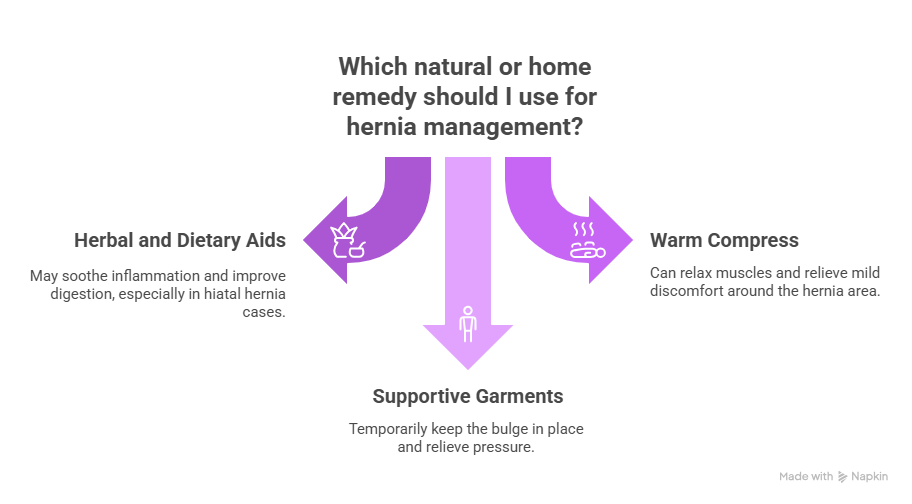
While home remedies can’t fix a hernia, they can ease symptoms like heartburn, bloating, and pain.

1. Herbal and Dietary Aids

  • Aloe Vera Juice: May help soothe inflammation and improve digestion, especially in hiatal hernia cases.
  • Ginger and Licorice Root: Help relieve acid reflux and stomach irritation.
  • Apple Cider Vinegar (diluted): Can help balance stomach acid levels in some people.

2. Warm Compress

Applying a warm compress can help relax muscles and relieve mild discomfort around the hernia area.

3. Supportive Garments

A hernia belt or truss can temporarily keep the bulge in place and relieve pressure. However, this is not a cure, and long-term use without surgical consultation is not recommended.

What Happens If a Hernia Is Left Untreated?

Ignoring a hernia can lead to serious complications. If the bulging tissue becomes trapped (a condition called incarcerated hernia) or the blood supply is cut off (strangulated hernia), it can cause severe pain, nausea, and even life-threatening situations requiring emergency surgery.

That’s why even if you’re managing your hernia conservatively, regular medical checkups are important.

When to See a Doctor

You should see your doctor or a specialist such as Dr. Atul Peter’s, one of the best Hernia surgeons, if you experience:

  • Increasing pain or swelling at the hernia site
  • Nausea, vomiting, or bloating
  • Redness or tenderness around the bulge
  • The bulge becomes hard or does not go back in when you lie down
  • Difficulty passing stool or gas

These symptoms could indicate a complication that needs urgent medical care.

Medical Management (Non-Surgical Options)

In certain cases, doctors may recommend non-surgical management before or instead of surgery:

  • Observation: For small, painless hernias that aren’t causing symptoms, the doctor may advise regular monitoring.
  • Medication: For a hiatal hernia, medications that reduce acid reflux (like proton pump inhibitors) can help control symptoms.
  • Lifestyle Counseling: Doctors often suggest weight management, diet adjustments, and activity modifications to reduce hernia-related discomfort.

While these approaches can control symptoms, they cannot repair the underlying muscle weakness — meaning surgery is still the ultimate treatment when needed.

Benefits of Modern Hernia Surgery

If your hernia becomes painful or enlarges over time, surgery offers a safe and permanent solution. Laparoscopic surgery, in particular, has many benefits:

  • Minimal pain and scarring
  • Quick recovery (usually within 1–2 weeks)
  • Very low risk of recurrence
  • Safe and precise procedure

Patients treated by Dr. Atul Peter’s, known for performing some of the Best Hernia Surgery in Delhi, often experience smooth recovery and long-term relief.

Precautions to Prevent Hernia from Worsening

If you’re managing your hernia without surgery, follow these precautions:

  • Avoid straining during bowel movements.
  • Don’t lift heavy objects or perform intense exercises.
  • Wear loose, comfortable clothing to avoid abdominal pressure.
  • Maintain a healthy weight and active lifestyle.
  • Eat a fiber-rich diet to prevent constipation.
  • Sleep with your head elevated (for hiatal hernia) to reduce symptoms of reflux.

These steps can help you live more comfortably while delaying the need for surgery.

How to Cure Hernia Without Surgery?

“Many people wonder — how to cure hernia without surgery, or if it’s even possible to manage the condition naturally.”

Book Your Appointment Today

Conclusion

So, is it possible to cure hernia without surgery? The truth is- no, a hernia cannot be permanently cured without surgery. However, with proper lifestyle changes, dietary control, exercise, and medical supervision, you can manage symptoms and prevent complications effectively.

If your hernia causes pain, grows larger, or starts affecting your daily activities, consulting a specialist is crucial. Dr. Atul Peter’s, widely regarded as one of the best Hernia surgeons, offers advanced and minimally invasive hernia treatments that ensure safe recovery and long-term relief.

Remember, the goal is not only to treat the hernia but also to restore your quality of life safely.
Frequently Asked Questions

Is it possible to cure Hernia without surgery?

No, a hernia cannot heal completely without surgery. Non-surgical methods can only help manage symptoms and slow progression.

Can a small Hernia go away on its own?

Small hernias don’t disappear naturally. They might remain the same size for some time but can enlarge or become painful later.

What can I do to reduce Hernia pain naturally?

Avoid heavy lifting, eat light meals, maintain good posture, and apply warm compresses to ease discomfort.

 How can I prevent my Hernia from worsening?

Lose excess weight, eat fiber-rich food, avoid straining, and don’t lift heavy objects.

Can lifestyle changes help avoid surgery?

Lifestyle changes can delay surgery and reduce symptoms, but they can’t permanently repair the hernia.

What foods should I eat if I have a Hernia?

Eat high-fiber foods like fruits, vegetables, and whole grains. Avoid fried, fatty, or spicy foods that cause bloating or acid reflux.

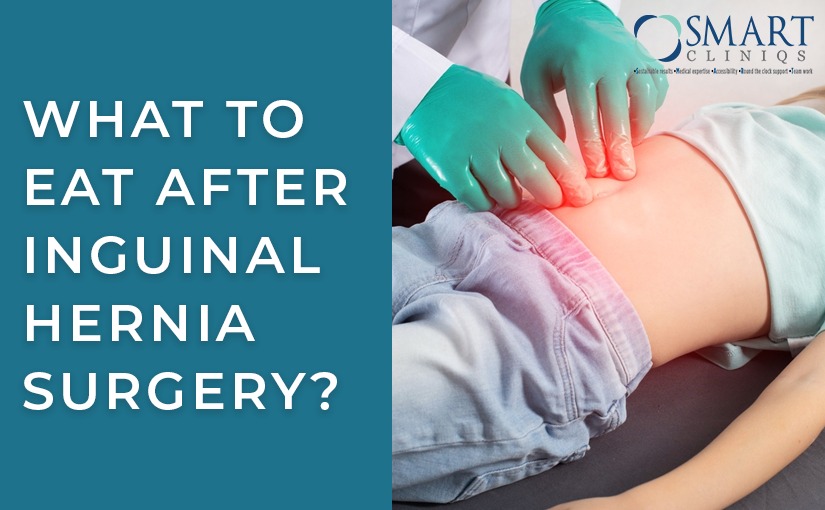
What to Eat after Inguinal Hernia Surgery?- Dr. Atul Peters

Surgery is never easy. Even when it’s labeled “routine,” like inguinal hernia repair, your body still considers it an invasion; it rallies the troops—your immune system, your blood cells, your tissues—to patch up what’s been cut, stitched, and sealed. But while the surgical procedure gets all the spotlight, the real magic of healing unfolds quietly in the days that follow. And food? That’s the scriptwriter of that quiet magic.

If you’re wondering what to eat after inguinal hernia surgery, you’re asking one of the most important questions for your recovery. Your post-surgery diet isn’t just about avoiding pain or discomfort; it’s about giving your body the right tools to repair itself from the inside out. That’s where knowing the Best food to eat after inguinal hernia surgery comes in — not gourmet fare, not exotic health trends, but simple, nourishing meals that keep your gut calm and your healing on track.

Understanding Inguinal Hernia

An inguinal hernia is one of the most common types of hernias, especially in men. Simply put, an inguinal hernia happens when a portion of tissue—usually part of the intestine—pushes through a weak spot in your lower abdominal wall, specifically the inguinal canal. This canal is a passage in your lower abdomen that both men and women have. However, it’s more structurally vulnerable in men due to the descent of the testicles during fetal development.

Now, imagine your abdominal wall as a sturdy piece of cloth. Over time, wear and tear can create a hole in that fabric. That hole allows your internal organs, like a loop of intestine or fat, to slip through. That’s an inguinal hernia.

Fortunately, inguinal hernias are highly treatable with surgical repair. Whether it’s open surgery or minimally invasive laparoscopic or robotic surgery (especially if performed by the Best Hernia Surgeon in Delhi), the goal is to push the herniated tissue back in and reinforce the weak spot with mesh or sutures.

Why Diet Matters After Inguinal Hernia Surgery

Let’s not romanticize recovery. After an inguinal hernia repair, you’re not going to bounce back like a Marvel superhero unless you fuel your body with the right ingredients. The internal stitches need support from the inside, and food is your frontline soldier. A good post-surgery diet can help:

  • Prevent constipation and straining (a common cause of hernia recurrence)
  • Maintain a healthy weight
  • Strengthen tissues and muscles
  • Reduce inflammation and pain
  • Speed up wound healing

Best Food to Eat After Inguinal Hernia Surgery

You’ve made it past the surgery, the anesthesia fog has lifted, and you’re finally back home. But before you start daydreaming about your next spicy biryani or deep-fried samosa, pause. Your digestive system has just been through trauma. Even if the surgery was minimally invasive, your gut needs a gentle restart.

So, what is the best food to eat after inguinal hernia surgery?

Here’s a list of recovery-friendly foods to start with:

  • Clear liquids (first 1–2 days): Think vegetable broth, coconut water, rice water, and clear soups. These keep you hydrated and help the digestive system wake up gently.
  • Soft foods (day 2–5): Khichdi, plain porridge (daliya), curd rice, boiled potatoes, mashed banana, and oatmeal. These are easy to digest and won’t irritate your bowels.
  • Fiber-rich foods: Once digestion stabilizes, include applesauce, papaya, steamed carrots, moong dal, and whole wheat toast. Fiber prevents constipation, which is crucial because straining can tear healing tissues.
  • Lean proteins: Eggs, tofu, paneer, soft-cooked lentils, or grilled fish (if non-veg). These help rebuild tissue and muscles.
  • Probiotics: Curd, buttermilk, or probiotic drinks support gut health, especially if you were on antibiotics during or after surgery.

Avoid oily, spicy, and gas-producing foods (like rajma, chole, or cabbage) for the first couple of weeks. Also, steer clear of red meat, processed snacks, and sugary desserts.

Hydration: The Unsung Hero of Recovery

You may be obsessing over what to eat, but what you drink is just as important. Staying properly hydrated might be the simplest yet most overlooked part of post-surgical recovery.

Dehydration can slow down wound healing, cause muscle cramps, and most dangerously in this case, lead to constipation. That’s a nightmare after hernia surgery, where any kind of straining is the enemy. If you’re serious about healing, hydration must become a conscious habit.

Here’s how to stay ahead of the game:

  • Start your day with warm water — it soothes the gut and prevents early morning constipation.
  • Coconut water and ORS solutions can help replenish electrolytes lost during the operation or through reduced food intake.
  • Buttermilk and lemon water are light on the gut and aid digestion.
  • Herbal teas like chamomile or ginger tea reduce bloating and inflammation.

Keep a bottle nearby and sip often. Avoid fizzy drinks, packaged juices, or caffeinated beverages like colas or energy drinks—they dehydrate you and can irritate your stomach.

Foods to Avoid After Inguinal Hernia Surgery

You’ve just had abdominal surgery. That means any food that causes gas, bloating, acidity, or constipation is not your friend right now. Even the strongest mesh can’t help you if your intestines are staging a protest.

Knowing what to eat after inguinal hernia surgery is half the game, but avoiding the wrong foods is just as important to prevent unnecessary pressure on your stitches and internal tissues.

Here’s a rogue’s gallery of what to skip in the first 2–3 weeks:

  • Spicy and oily foods: Say goodbye to that extra mirchi tadka and your beloved samosas, for now. These irritate your gut and slow down healing.
  • Heavy, fatty meats: Red meat is difficult to digest and can sit in your stomach like a brick.
  • Carbonated drinks: Soda, cola, beer—anything with bubbles causes bloating and can exert pressure on the surgical area.
  • Gas-producing foods: Onions (raw), garlic, cabbage, cauliflower, rajma, chole, and besan-based dishes may cause abdominal distension and pain.
  • Processed and junk food: Chips, cookies, ready-to-eat meals, and sugar-loaded desserts provide no real nutrition and may even cause constipation.

Role of Fiber in Preventing Post-Surgical Constipation

If there’s one word you’ll hear again and again after surgery, it’s this: Constipation. It’s not glamorous, but it’s critically important.

Post-surgical constipation is very common due to anesthesia, reduced movement, and painkillers (especially opioids). The last thing you want is to strain while passing stools — that strain can stress the surgical site, delay healing, or worse, cause a recurrence of the hernia.

That’s why the Best food to eat after inguinal hernia surgery includes plenty of dietary fiber.

There are two types of fiber:

  • Soluble fiber: Found in oats, bananas, apples, and lentils. It dissolves in water and forms a gel-like substance that softens stool.
  • Insoluble fiber: Found in whole grains, wheat bran, and most vegetables. It adds bulk to your stool and helps it move through the digestive tract.

You need both, but in moderation. Start slowly; too much fiber too soon can lead to gas and bloating. Gradually include the following:

  • Mashed bananas and papaya
  • Cooked oats or dalia
  • Soft-cooked moong dal
  • Boiled carrots and spinach
  • Apple without the skin
  • Brown rice (in small portions)

Meal Plan Ideas for the First Week After Inguinal Hernia Surgery

After hernia surgery, you’re not just healing a cut—you’re helping your body reinforce its walls. The best food to eat after inguinal hernia surgery should be gentle, nutritious, and zero-risk in terms of triggering bloating or constipation.

Here’s a sample 7-day meal guide for someone recovering at home. This isn’t rigidly prescriptive, but it’s a helpful blueprint:

Day 1–2 (Liquid and Semi-Liquid Diet)

  • Breakfast: Warm water with a teaspoon of honey + clear vegetable broth
  • Mid-Morning: Coconut water
  • Lunch: Moong dal ka pani (strained lentil broth) + rice water (kanji)
  • Evening: Lightly salted buttermilk
  • Dinner: Apple puree or plain soup

Day 3–4 (Soft Solids)

  • Breakfast: Soft-cooked oatmeal with banana mash
  • Mid-Morning: Papaya cubes or applesauce
  • Lunch: Khichdi (rice + moong dal) + a spoon of ghee
  • Evening: Curd with roasted jeera powder
  • Dinner: Boiled potato mash with soft-cooked spinach

Day 5–7 (Introducing Light Solids)

  • Breakfast: Dalia with boiled carrots
  • Mid-Morning: One boiled egg (if non-veg) or paneer cubes
  • Lunch: Steamed rice, soft-cooked tur dal, and boiled veggies
  • Evening: Herbal tea + digestive biscuit
  • Dinner: Soft phulka + vegetable stew

Tips for each day:

  • Eat small meals 5–6 times instead of three large meals
  • Chew slowly, and don’t lie down immediately after eating
  • Keep sipping water throughout the day

When to Consult Your Surgeon About Diet Issues

Let’s not pretend everything always goes according to plan. Even with the best intentions and the most wholesome foods, sometimes your body resists. And when it does, you shouldn’t wait for Google to solve it — you need a consultation with Dr. Atul Peters.

Here are signs that your post-surgical diet needs a doctor’s intervention:

  • Constipation lasting more than 3 days, despite fiber and fluids
  • Severe bloating or stomach cramps after eating even soft foods
  • Persistent nausea or vomiting
  • Difficulty passing gas or stools
  • Unexpected weight loss or loss of appetite for over a week
  • Pain or swelling around the surgical site after meals

These aren’t just digestive complaints—they could be signs that your intestines are struggling, or worse, that a complication is developing. While rare, such issues need prompt attention.

Expert Inguinal Hernia Surgery by Dr. Atul Peters!
Contact Now!

Book Your Appointment


Conclusion

Recovery after inguinal hernia surgery isn’t just about a neat incision and a follow-up visit. It’s about what you do every day — and more precisely, what you put on your plate. Your body has been stitched, stapled, and patched up. Now, it needs the right fuel to seal the deal.

Knowing what to eat after inguinal hernia surgery can mean the difference between a smooth, speedy recovery and weeks of bloating, constipation, and unnecessary pain. While it’s tempting to jump back into your regular food habits, doing so too quickly can compromise the healing process, and in worst cases, lead to a recurrence.

Frequently Asked Questions

Q1. Can I eat normal food after hernia surgery?
Not immediately. For the first few days, stick to clear liquids and soft foods. Gradually reintroduce solid, home-cooked meals over the next 2–4 weeks.

Q2. Is milk good after inguinal hernia surgery?
Yes, but opt for warm, low-fat milk and monitor for any signs of bloating or gas. Curd and buttermilk are often better tolerated.

Q3. What is the best food to eat after inguinal hernia surgery for faster healing?
Khichdi, curd rice, moong dal, soft-cooked oats, bananas, papaya, and boiled veggies are ideal. They’re easy to digest and help prevent constipation.

Q4. When can I eat spicy food after surgery?
Wait at least 3–4 weeks before reintroducing spicy or oily foods, and only if there are no complications or discomfort.

Q5. How can I prevent constipation after hernia surgery?
Drink plenty of water, eat fiber-rich foods like oats, fruits, and vegetables, and go for short walks daily.

Can Hernia Surgery Be Done Without General Anesthesia?

When considering hernia surgery, many patients are understandably concerned about the type of anesthesia used. The thought of being put under general anesthesia can make anyone uneasy, especially when surgery is involved. So, the question often arises: can hernia surgery be done without general anesthesia? As a Best Hernia Surgeon in Delhi, I often get asked about this, and I want to shed some light on the topic to help you make an informed decision.

In this blog, I’ll explain whether hernia surgery can be performed without general anesthesia, and what alternative options are available for those who are apprehensive about being fully anesthetized.

Understanding Hernia Surgery

First, let’s begin by briefly understanding what hernia surgery involves. A hernia occurs when an organ or tissue pushes through a weak spot in the muscle or surrounding tissue. The most common types of hernias include inguinal (groin), umbilical (belly button), incisional (through previous surgery scars) and hiatal (through diaphragm) hernias.

The goal of hernia surgery is to repair the weakened area, preventing further complications such as pain or bowel obstruction and also recurrence.
In traditional hernia surgery, the standard procedure typically involves general anesthesia, which puts the patient into a deep sleep so that they don’t feel pain during the surgery. However, in recent years, there has been growing interest in whether hernia surgery can be done without general anesthesia.

Can Hernia Surgery Be Done Without General Anesthesia?

The short answer is yes, hernia surgery can be done without general anesthesia, but it depends on the type of surgery and the patient’s condition. As the Best Hernia Surgeon in Delhi, I’ve seen many patients successfully undergo hernia repairs using different forms of anesthesia, including local anesthesia and regional anesthesia. There are two main alternatives to general anesthesia for hernia surgery: Can Hernia Surgery Be Done Without General Anesthesia

1. Local Anesthesia

Local anesthesia is one of the most common options for minor hernia surgeries, particularly for smaller inguinal or umbilical hernias. With local anesthesia, the surgical area is numbed using an injection, and you remain fully awake and alert throughout the procedure.

How It Works:

In local anesthesia, the area around the hernia is numbed so that you won’t feel any pain, but you are not put to sleep. You’ll be able to communicate with the surgeon during the procedure, but you won’t feel pain in the area being operated on. Local anesthesia is typically used for outpatient surgeries where the hernia is smaller, and the procedure can be completed without the need for deeper sedation.

Benefits:

  • No need for general anesthesia: Patients who are apprehensive about general anesthesia may find local anesthesia a good option.

  • Faster recovery: Since you are not fully sedated, you can often go home the same day without the dizziness that comes with general anesthesia.

  • Lower risk: Local anesthesia has fewer risks compared to general anesthesia, particularly for patients with underlying health conditions like heart disease or respiratory issues.

However, local anesthesia may not be appropriate for all patients or all types of hernia surgery. Larger or more complex hernias may require a different approach, so it’s important to discuss the best option with your surgeon.

2. Regional Anesthesia

Regional anesthesia is another option where the anesthesia is applied to a larger area of the body, such as the entire lower half, rather than just the surgical site. The most common form of regional anesthesia used for hernia surgery is spinal anesthesia or epidural anesthesia.

How It Works:

With spinal or epidural anesthesia, an anesthetic is injected into the spinal fluid or epidural space to numb the lower part of the body. This allows the patient to remain awake and conscious but without feeling pain in the lower abdomen or groin area, where hernia surgery is usually performed.

Benefits:

  • No general anesthesia required: Patients avoid the need for general anesthesia while still ensuring complete numbness in the area being operated on.

  • Less invasive: Compared to general anesthesia, regional anesthesia is generally considered less invasive, which can be a safer option for people with certain health conditions.

  • Faster recovery: Like local anesthesia, regional anesthesia typically allows for a quicker recovery time compared to general anesthesia.

While regional anesthesia can be used for most hernia surgeries, it may not be suitable for all cases. The choice between local, regional, or general anesthesia depends on the patient’s health, the type of hernia, and the surgeon’s expertise.

When is General Anesthesia Necessary for Hernia Surgery?

In some cases, hernia surgery must be done under general anesthesia. While the alternatives I mentioned are often effective, there are certain circumstances where general anesthesia is preferred or necessary: When is General Anesthesia Necessary for Hernia Surgery

1. Large or Complex Hernias

For large or complicated hernias, such as incarcerated or strangulated hernias, general anesthesia is often necessary to ensure the procedure is performed safely and effectively. These types of hernias require more extensive repair, and general anesthesia allows for complete muscle relaxation, which makes the surgery easier to perform.

2. Multiple Hernias

If a patient has multiple hernias that need to be repaired in different areas of the abdomen or groin, general anesthesia may be required to ensure the procedure goes smoothly and the patient remains comfortable throughout the operation.

3. Patient Preference or Anxiety

Some patients may prefer to be fully asleep during surgery, especially if they have anxiety about being awake or aware during the procedure. In these cases, general anesthesia is a valid option, and I always discuss the patient’s preferences to make sure they feel comfortable and confident in their choice.

4. Lengthier Procedures

Certain hernia surgeries, such as those involving complex tissue repair or mesh placement, can take longer and may be more challenging. In these cases, general anesthesia is often used to ensure the patient is fully relaxed and comfortable during the procedure.

Advantages of Avoiding General Anesthesia

For many patients, the idea of hernia surgery without general anesthesia can seem like a safer or more appealing option. Here are some of the advantages of avoiding general anesthesia:

  1. Reduced Risk: General anesthesia can carry risks, especially for people with certain health conditions, such as heart disease or lung issues. Local or regional anesthesia may offer a lower-risk alternative.

  2. Faster Recovery: Patients who undergo hernia surgery with local or regional anesthesia often experience a quicker recovery. There is no need to wait for the effects of general anesthesia to wear off, which means you can often go home the same day and resume light activities sooner.

  3. Fewer Side Effects: General anesthesia can cause side effects such as nausea, dizziness, or a sore throat. With local or regional anesthesia, these side effects are less common.

  4. Shorter Hospital Stay: Since local and regional anesthesia do not require the patient to be heavily sedated, the hospital stay is typically shorter. Many patients can go home the same day after the surgery.

Disadvantages of Avoiding General Anesthesia

While avoiding general anesthesia is an appealing option for some, there are some drawbacks:

  1. Limited Applicability: Local or regional anesthesia may not be suitable for all types of hernia surgeries, especially large or complicated hernias.

  2. Awareness During Surgery: With local or regional anesthesia, you may be awake or semi-conscious during the procedure. While you won’t feel pain, some patients may experience discomfort or anxiety during surgery.

  3. Potential for Movement: While regional and local anesthesia numb the surgical area, they don’t fully relax the muscles. In rare cases, this can cause issues if the patient moves unexpectedly during surgery.

Advanced Hernia Surgery by Dr. Atul Peters!
Contact Now!

Book Your Appointment


Conclusion

Yes, hernia surgery can be done without general anesthesia in many cases. Local and regional anesthesia are effective alternatives for many types of hernia repairs, and they offer benefits such as faster recovery and reduced risks for certain patients. However, the choice of anesthesia depends on the type of hernia, the complexity of the surgery, and your individual health needs. If you have a hernia and are looking for a trusted Hernia Surgeon in Delhi, don’t hesitate to reach out Dr. Atul Peters. I am here to help guide you through the decision-making process and provide the best care possible for a smooth and successful recovery.