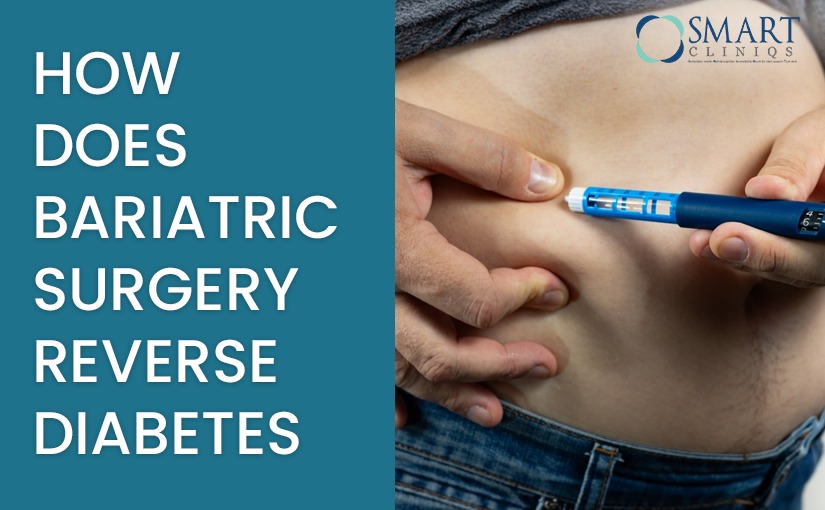
How does Bariatric Surgery reverse Diabetes? {Complete Guide}

Diabetes, especially type 2, has become one of the most common health conditions worldwide. Millions of people live with high blood sugar levels, relying on daily medicines or insulin injections. While lifestyle changes like diet and exercise help, many patients struggle to achieve long-term control. This is where bariatric surgery has emerged as a game-changer. But many wonder: how does bariatric surgery reverse diabetes?

Studies from around the world show that bariatric surgery reverses type 2 diabetes in a large percentage of patients. In some cases, blood sugar levels return to normal within days after surgery, even before major weight loss happens. Specialists like Dr. Atul Peter’s, who is one of the most trusted experts for Bariatric Surgery in Delhi, have seen hundreds of patients experience freedom from diabetes after undergoing these procedures.

How does Bariatric Surgery reverse Diabetes?

So, how does bariatric surgery reverse diabetes? The answer lies in a powerful mix of hormonal changes and sustained weight loss.

Book Your Appointment Today

Understanding Diabetes

To understand how surgery helps, it’s important to first know the connection between obesity and diabetes. Type 2 diabetes happens when the body either does not make enough insulin or cannot use it effectively. Obesity, especially fat around the belly, makes the body resistant to insulin. This leads to high blood sugar levels and long-term complications like kidney disease, nerve damage, and heart problems.

How obesity contributes to diabetes:

  • Fat cells release chemicals that make it harder for insulin to work.
  • Excess fat in the liver and muscles blocks normal sugar absorption.
  • Overeating and poor metabolism create constant pressure on the pancreas.

This is why losing weight is often the first step in controlling diabetes. But when diet and exercise fail, surgery offers another path.

What is Bariatric Surgery?

Bariatric surgery is a medical procedure designed to help people lose weight when diet and exercise alone do not work. It is not just about reducing body size — it also improves health conditions linked to obesity, including type 2 diabetes.
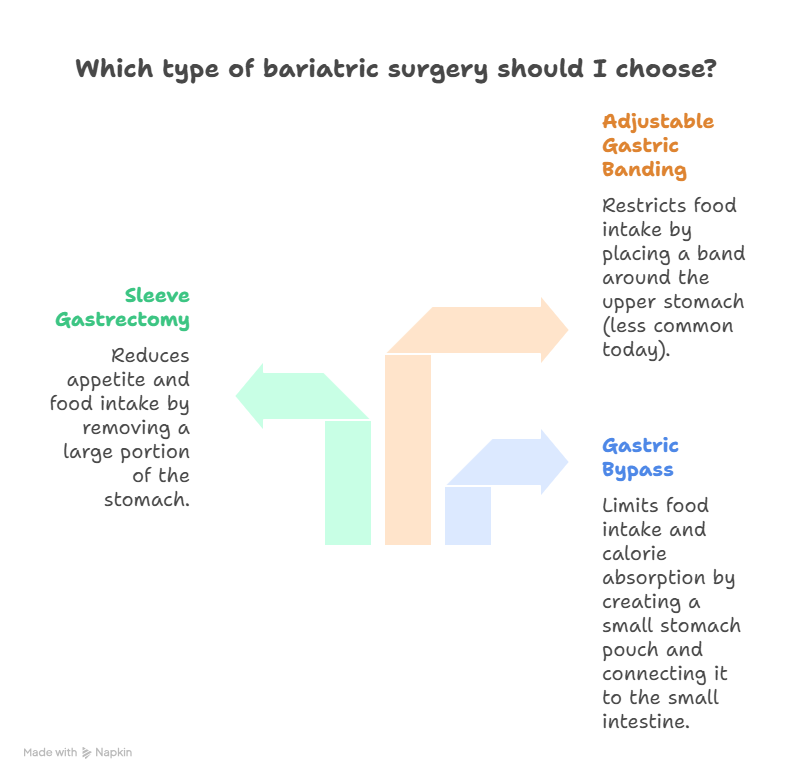
different types of bariatric surgery

There are different types of bariatric surgery, but the most common are:

  • Gastric Bypass Surgery – A small pouch is created in the stomach and directly connected to the small intestine, which limits how much food you eat and how many calories you absorb.
  • Sleeve Gastrectomy – A large portion of the stomach is removed, leaving a banana-shaped pouch. This reduces appetite and food intake.
  • Adjustable Gastric Banding – A band is placed around the upper part of the stomach to restrict food intake (less commonly used today).

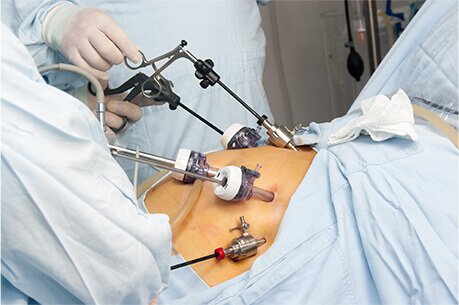
Bariatric surgery is performed laparoscopically (through tiny incisions), which makes it safer and less painful than traditional open surgery.

How does Bariatric Surgery Reverse Diabetes?

Here comes the big question: how does bariatric surgery reverse diabetes? It works in three powerful steps:

1. Immediate Hormonal Reset

Within days of surgery, the gut releases more “good hormones” like GLP-1 that improve insulin sensitivity. This happens even before patients lose any weight, which is why many stop insulin right after surgery.

2. Reduced Sugar Absorption

Because food bypasses parts of the intestine (in gastric bypass), less sugar enters the bloodstream. This means the body doesn’t struggle with sugar overload anymore.

3. Long-Term Weight Loss

As the patient loses 20–40 kilos over the months, insulin resistance melts away with the fat. The body starts responding to insulin normally again, leading to long-term diabetes remission.

So when people ask, “Can bariatric surgery reverse diabetes?”, the answer is yes — through a combination of hormonal changes, reduced calorie absorption, and weight loss.

Bariatric Surgery vs. Diabetes Medications

For years, type 2 diabetes has been managed with tablets and insulin. These medicines help lower blood sugar, but they don’t fix the root cause: insulin resistance. That’s why many patients keep increasing their doses over time.

Now, compare this with bariatric surgery and reversal of diabetes:

Aspect Medications Bariatric Surgery
Effect Controls sugar temporarily Resets hormones + reduces insulin resistance
Duration Lifelong usage Long-term, sometimes permanent remission
Side effects Weight gain, low sugar episodes, dependency Minimal if monitored properly
Cost over years Medicines for decades One-time surgery + supplements

Long-Term Benefits of Bariatric Surgery on Diabetes

The real strength of bariatric surgery lies in its long-lasting impact. While medicines keep sugar under control only as long as you take them, surgery often puts diabetes into remission for years.

Here’s what studies and patient journeys show:

  • Sustained sugar control: Many patients maintain normal blood sugar without insulin or tablets even 10–15 years after surgery.
  • Better heart health: Lower blood pressure and cholesterol reduce heart attack risk.
  • Improved kidney and eye health: Diabetes complications like nephropathy and retinopathy improve or stop progressing.
  • Higher quality of life: With weight loss and diabetes reversal, patients report more energy, mobility, and confidence.

Possible Risks & Safety Concerns

Now, let’s be realistic. Just like any operation, bariatric surgery carries risks. The good news is that serious complications are rare, especially when the procedure is done by an experienced surgeon. But patients must still be aware.

Short-Term Risks Long-Term Risks
Mild pain or nausea in the first few days Vitamin and mineral deficiencies (supplements required)
Infection at incision or surgical site Small risk of weight regain if diet is not followed
Rare cases of bleeding or leakage Need for lifelong follow-up and medical monitoring
Temporary difficulty adjusting to new eating habits Possible digestive changes (dumping syndrome, diarrhea)

Who Should Consider Bariatric Surgery for Diabetes?

Bariatric surgery isn’t for everyone with diabetes — it’s usually meant for people who are overweight or obese and have been struggling to control their blood sugar despite medicines and lifestyle changes. Doctors carefully screen patients before recommending surgery.

You may be a good candidate if:

  • Your BMI is 35 or above with type 2 diabetes.
  • You have diabetes-related health issues like high blood pressure or sleep apnea.
  • You have tried diets, exercise, and medicines for years with little success.
  • You are committed to following a lifelong healthy lifestyle after surgery.

In fact, research shows that bariatric surgery reverses type 2 diabetes most effectively in people who undergo it earlier in their disease course. This means if you’ve had diabetes for 2–5 years, the chances of remission are higher than if you’ve had it for 15–20 years.

Life After Bariatric Surgery: What Changes?

Life after surgery is different — but in a good way. Patients who once relied on insulin or daily tablets often find themselves free of diabetes medication. However, success depends on lifestyle adjustments.

What changes after surgery?

  • Diet: Smaller, healthier meals; no overeating.
  • Energy: More stamina and the ability to do physical activities.
  • Health: Lower sugar, improved blood pressure, better cholesterol.
  • Routine: Regular follow-ups and supplements become part of daily life.

One of the most rewarding changes is emotional well-being. Many patients share how they no longer feel “controlled by diabetes.” Instead, they feel empowered, active, and hopeful.

How does Bariatric Surgery reverse Diabetes?

So, how does bariatric surgery reverse diabetes? The answer lies in a powerful mix of hormonal changes and sustained weight loss.

Book Your Appointment Today

Final Thoughts

So, how does bariatric surgery reverse diabetes? The answer lies in a powerful mix of hormonal changes, reduced calorie absorption, and sustained weight loss. For many patients, this surgery does what years of medicines could not — it restores normal sugar control and, in many cases, completely stops the need for insulin or tablets.

But here’s the key: it’s not a shortcut. Patients must commit to healthy eating, regular exercise, and follow-up care for lasting results. The safety and success also depend on choosing an experienced surgeon. For those exploring Bariatric Surgery in Delhi, experts like Dr. Atul Peter’s combine skill, technology, and long-term guidance to ensure patients achieve not just weight loss, but true freedom from diabetes.

Frequently Asked Questions

Can Bariatric Surgery reverse Diabetes permanently?

Yes, many patients go into long-term remission. However, success depends on patient commitment to lifestyle changes and regular medical follow-up.

How soon after surgery does diabetes improve?

In many cases, sugar levels drop within days of surgery — even before major weight loss happens — due to hormonal changes in the gut.

Is Bariatric Surgery safe for Diabetic patients?

Yes, when performed by an experienced surgeon. Risks are minimal compared to the long-term complications of uncontrolled diabetes.

Do all Diabetic patients qualify for surgery?

No. It is usually recommended for people with a BMI of 35+ or those with obesity-related health problems.

Will I still need medicines after surgery?

Some patients may need small doses of medicines, but most experience a major reduction or complete stop of insulin/tablets.

Which is better — medicines or surgery for diabetes?

Medicines control diabetes temporarily, but bariatric surgery reverses type 2 diabetes for the long term in many patients.

How is Gallbladder Surgery Done? {Surgeon’s Guide}

Gallbladder surgery, also known as cholecystectomy, is one of the most common surgical procedures performed worldwide. It is usually recommended for people suffering from gallstones, gallbladder inflammation, or other related problems that cause pain, nausea, or digestive issues.

If you’re planning for this surgery, you might want to know how is gallbladder surgery done and what to expect before, during, and after the procedure. This guide explains everything in simple terms, including the types of surgery, the step-by-step process, recovery, and safety aspects. We’ll also address common questions like how laparoscopy is done for gallbladder surgery and can gallbladder surgery can be done with local anesthesia, to help you make an informed decision.

Expert Gallbladder Surgery by Dr. Atul Peters

Minimally invasive surgery with smaller cuts, less pain, and faster recovery. Speak to our team now.

Request Callback WhatsApp Chat

Understanding Gallbladder Surgery

The gallbladder is a small organ located under your liver that stores bile, a digestive fluid that helps break down fats. Sometimes, small stones (gallstones) form inside the gallbladder, causing severe pain, infection, or blockage in the bile duct. When medicines and lifestyle changes don’t help, doctors recommend gallbladder removal surgery to provide permanent relief.

The two main types of gallbladder surgery are:

  • Laparoscopic Gallbladder Surgery: A minimally invasive procedure where small cuts are made in the abdomen, and a camera is used to guide the surgery.
  • Open Gallbladder Surgery: A traditional method involving a larger incision, usually done in complicated cases.

Most patients today undergo laparoscopic surgery because it is safer, faster, and requires less recovery time.

How is Gallbladder Surgery Done?

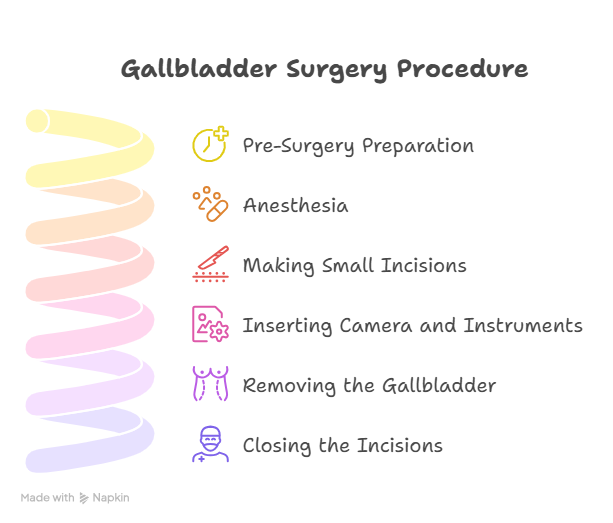
Gallbladder surgery can be performed in two ways, but the laparoscopic method is the most preferred choice due to its minimally invasive approach. Here’s how the surgery is done step by step:

Step 1: Pre-Surgery Preparation

  • A full medical evaluation is done, including blood tests, ultrasound scans, and sometimes an MRI.
  • You will be given instructions on fasting (usually 6–8 hours before surgery).
  • The anesthesia team discusses the procedure and gives you medication to help you relax.

Step 2: Anesthesia

  • General anesthesia is given in most cases to ensure you are asleep and pain-free during the operation.
  • Many people ask, “Can gallbladder surgery be done with local anesthesia?” While local anesthesia numbs a specific area, it is rarely used for this surgery because the procedure involves internal organs, and general anesthesia is much safer and more comfortable.

Step 3: Making Small Incisions

  • In laparoscopic surgery, the surgeon makes 3–4 small cuts in your abdomen.
  • A special tube is inserted to pump carbon dioxide gas, which inflates the area and provides space to work safely.

Step 4: Inserting the Camera and Instruments

  • A thin tube with a camera (laparoscope) is inserted to give the surgeon a clear view of your gallbladder on a monitor.
  • Special instruments are used to carefully separate the gallbladder from the liver and bile ducts.

Step 5: Removing the Gallbladder

  • The gallbladder is detached and removed through one of the small incisions.
  • The area is checked for bleeding, and the instruments are removed.

Step 6: Closing the Incisions

  • The small cuts are stitched or sealed with surgical tape.
  • A bandage is applied, and you are taken to the recovery room.

The entire laparoscopic procedure usually takes 1 to 2 hours, depending on the complexity of the case. Patients under the care of experts like Dr. Atul Peter, a trusted specialist for Gallbladder Surgery in Delhi, experience high success rates and safe outcomes.

How Laparoscopy is Done for Gallbladder Surgery?

Laparoscopic gallbladder removal is a modern technique that has replaced traditional open surgery in most cases. Here’s how it works:

  • Minimal Incisions: Only 3–4 small cuts instead of one large incision.
  • Camera Assistance: A tiny camera allows the surgeon to see inside the abdomen.
  • Special Tools: Thin surgical instruments remove the gallbladder safely.
  • Less Pain and Scarring: Smaller cuts mean less discomfort and almost invisible scars.
  • Quick Recovery: Most patients can go home the same day or the next day after surgery.

Anesthesia in Gallbladder Surgery

Many patients are concerned about anesthesia and ask whether gallbladder surgery can be done with local anesthesia. In almost all cases, general anesthesia is used because:

  • It ensures you are unconscious and pain-free during the entire procedure.
  • It allows doctors to work safely on internal organs.
  • It reduces stress and movement during surgery.

Local anesthesia is not preferred as it only numbs a small area and cannot prevent discomfort during a complex procedure like this.

Recovery After Gallbladder Surgery

Recovery time depends on whether you had laparoscopic or open surgery:

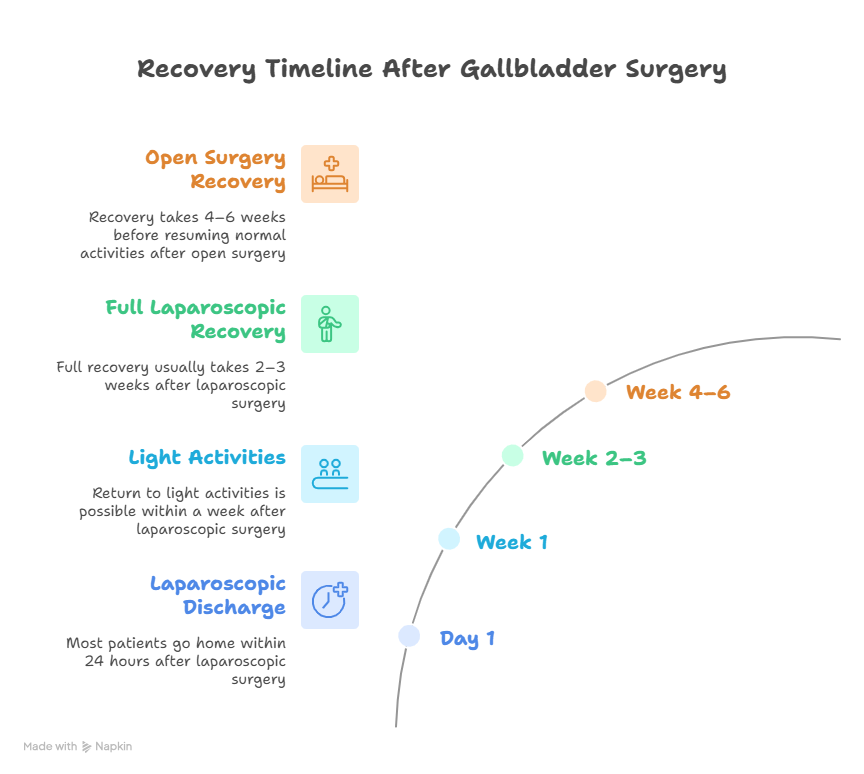
  • Laparoscopic Surgery: Most patients can go home within 24 hours and return to light activities within a week. Full recovery usually takes 2–3 weeks.
  • Open Surgery: Recovery takes longer, usually 4–6 weeks before resuming normal activities.

After Surgery:

  • You may have mild pain or discomfort for a few days, which can be managed with prescribed medication.
  • A low-fat diet is recommended to avoid digestive discomfort until your body adjusts to the absence of the gallbladder.
  • Regular follow-up visits are important to monitor healing.

Risks and Complications

Gallbladder surgery is generally very safe, especially in the hands of experienced specialists like Dr. Atul Peter. However, like any surgery, there can be some risks:

  • Infection or bleeding at the incision site.
  • Injury to nearby organs or bile ducts (rare).
  • Temporary diarrhea or digestive changes.
  • Reaction to anesthesia (uncommon).

These risks are minimized when surgery is performed in a well-equipped hospital by a skilled surgical team.

Final Thoughts

If you’re wondering how is gallbladder surgery done, the answer is that it’s a safe and well-practiced procedure that offers long-term relief from gallstones and related problems.

Most patients undergo laparoscopic gallbladder removal, which is minimally invasive, takes about 1–2 hours, and allows you to go home the same or the next day. General anesthesia is used for comfort and safety, and the procedure is performed by highly experienced doctors like Dr. Atul Peter, a leading specialist for Gallbladder Surgery in Delhi.

With the right surgeon and proper aftercare, gallbladder surgery is a simple, effective, and permanent solution to painful gallbladder issues.

Frequently Asked Questions

How long does gallbladder surgery take?

Laparoscopic gallbladder surgery usually takes 1–2 hours, while open surgery may take longer.

How is laparoscopy done for Gallbladder surgery?

Small cuts are made in the abdomen, and a camera is used to guide special instruments that remove the gallbladder safely with minimal pain and scarring.

Can Gallbladder surgery be done with local anesthesia?

No, local anesthesia is not recommended. General anesthesia is used to ensure you are unconscious and pain-free throughout the procedure.

How many days do I need to stay in the hospital?

For laparoscopic surgery, most patients stay 1–2 days. Open surgery may require a hospital stay of 3–5 days.

How long does it take to fully recover?

Recovery after laparoscopic surgery usually takes 2–3 weeks, while open surgery may take 4–6 weeks.

Which Size of Gallbladder Stone is Dangerous? {A Complete Guide}

Gallbladder stones, also known as gallstones, are hard deposits that form inside the gallbladder—a small, pear-shaped organ located beneath the liver. They are made up of cholesterol, bile salts, and waste products and can vary in size, shape, and number. While some gallstones remain harmless, others can lead to severe complications if left untreated. This raises an important question: which size of gallbladder stone is dangerous?

In this detailed blog, we’ll explore what gallstones are, their sizes, potential risks, when surgery becomes necessary, and answer common questions about gallbladder stone complications.

Understanding Gallbladder Stones

The gallbladder stores and releases bile, a fluid that helps digest fats. When bile contains excessive cholesterol, bilirubin, or salts, it can form crystals that eventually harden into stones.

Gallstones vary in:

  • Size: They can be as small as a grain of sand (1–2 mm) or as large as a golf ball (over 30–50 mm).
  • Number: Some people develop a single stone, while others have multiple stones.
  • Shape: Stones can be round, oval, or irregular.

While small stones often pass unnoticed, larger stones or multiple stones can block bile ducts, causing severe pain and complications.

If you’re considering Best Gallbladder Surgery in Delhi, consulting Dr. Atul Peter, who specializes in minimally invasive gallbladder removal, ensures safe and effective treatment.

Size of Gallbladder Stones – Why It Matters

Many people wonder, “Which size of gallbladder stone is dangerous?” The danger lies not just in the size but also in the location and potential to cause blockage or inflammation.

  • Small Stones (<5 mm):
    • Often pass through the bile ducts without symptoms.
    • However, multiple small stones can sometimes move into the bile ducts, causing pancreatitis (inflammation of the pancreas).
  • Medium Stones (5–10 mm):
    • Have a higher chance of blocking bile ducts, leading to gallbladder inflammation (cholecystitis).
    • It can cause pain, nausea, and digestive issues.
  • Large Stones (10–30 mm):
    • More likely to cause severe gallbladder problems.
    • Can press against the gallbladder wall, causing chronic irritation, infection, and even gallbladder cancer in rare long-term cases.
  • Very Large Stones (>30 mm or >3 cm):
    • Considered high risk for complications.
    • It can permanently damage the gallbladder, increase the risk of gallbladder cancer, and often require surgical removal.

Key Takeaway:

There is no completely safe size, but stones larger than 10 mm are more likely to cause symptoms, and stones above 20–30 mm (2–3 cm) are considered dangerous and usually require surgery.

Dangerous Sizes in Millimeters (mm)

If you’re wondering “which size of gallbladder stone is dangerous in mm?”, doctors often use the following general guidelines:

Stone Size (mm) Risk Level Medical Recommendation
1–4 mm Low risk but may migrate to ducts Monitoring or surgery if symptomatic
5–9 mm Moderate risk of duct blockage Surgery may be considered
10–19 mm High risk of pain, infection, and inflammation Surgery often recommended
20–29 mm Very high risk of complications Surgery strongly recommended
?30 mm (3 cm) Dangerous, risk of gallbladder cancer Immediate surgery advised

This table highlights that stones larger than 10 mm often require close monitoring or removal, while stones above 20–30 mm are considered dangerous due to their potential for life-threatening complications.

What Size Gallbladder Stones Need Surgery?

Gallbladder surgery (cholecystectomy) is the most effective treatment for gallstones. The decision depends on:

  • Presence of Symptoms: Persistent pain, nausea, vomiting, or digestive problems are signs you may need surgery regardless of stone size.
  • Size of Stone:
    • Stones >10 mm with symptoms usually need surgery.
    • Stones >20–30 mm are considered dangerous and need removal even if asymptomatic because they can cause silent damage.
  • Risk of Complications: Stones blocking bile ducts can lead to pancreatitis or jaundice, requiring urgent treatment.
  • Associated Conditions: Diabetic patients, those with compromised immunity, or people with gallbladder polyps along with stones may need early surgery.

If you’re considering surgery, consulting an experienced Gallbladder Surgeon in Delhi like Dr. Atul Peter’s, who specializes in minimally invasive gallbladder removal, ensures safe and effective treatment.

Maximum Size of Gallbladder Stone in mm

Gallstones can grow quite large over time if untreated. In rare cases, stones can reach 40–50 mm (4–5 cm) or even more. Such large stones:

  • Increase the risk of gallbladder wall thickening and infection.
  • May lead to chronic cholecystitis (long-term inflammation).
  • Are associated with a higher risk of gallbladder cancer if left untreated for many years.

For this reason, medical experts advise removing stones before they reach such dangerous sizes, even if you experience mild or no symptoms.

Is Gallbladder Stone Dangerous?

Not all gallstones are immediately life-threatening. However, they can become dangerous over time due to potential complications such as:

  • Biliary Colic: Sudden, intense abdominal pain caused by stones blocking bile ducts.
  • Cholecystitis: Infection and inflammation of the gallbladder.
  • Pancreatitis: Life-threatening inflammation of the pancreas if stones obstruct the pancreatic duct.
  • Jaundice: Yellowing of skin and eyes due to bile flow blockage.
  • Gallbladder Cancer: Large stones (>30 mm) are associated with a higher risk of cancer in long-standing cases.

Thus, even small gallstones should not be ignored, especially if you experience symptoms.

Gallbladder Stone Surgery by Dr. Atul Peters!
Contact Now!

Book Your Appointment


Preventing Gallstone Complications

While you cannot always prevent gallstones, you can reduce risks by:

  • Maintaining a healthy weight.
  • Avoiding rapid weight loss diets.
  • Eating a balanced diet rich in fiber and low in unhealthy fats.
  • Staying physically active.
  • Going for regular check-ups if you have a family history of gallstones.

Early detection and timely surgery help avoid life-threatening complications.

Frequently Asked Questions

Which size of gallbladder stone is dangerous?

Gallstones larger than 10 mm are more likely to cause complications. Stones above 20–30 mm are considered dangerous and usually require surgery.

What size of gallbladder stones need surgery?

Stones larger than 10 mm with symptoms or 20–30 mm even without symptoms typically need surgical removal to prevent severe health problems.

How much mm gallbladder stone is dangerous?

Gallstones over 20 mm pose a high risk of infection, blockage, and long-term damage. Stones above 30 mm (3 cm) can increase the risk of gallbladder cancer.

Can small gallstones be dangerous?

Yes, even small stones (1–4 mm) can migrate to bile ducts and cause pancreatitis, which can be life-threatening if untreated.

What happens if a large gallbladder stone is not removed?

Large stones (over 20–30 mm) can cause repeated gallbladder infections, bile duct blockages, and, in rare cases, gallbladder cancer. Surgical removal is strongly advised to avoid life-threatening complications.

Can gallstones disappear without surgery or medicine?

Gallstones rarely dissolve on their own. While some medications can help dissolve cholesterol stones, they are not always effective, especially for larger stones. Surgery remains the most reliable treatment.

Can you Get a Hernia after Laparoscopic Surgery?

Laparoscopic surgery has revolutionized modern medicine by offering minimally invasive procedures that allow for quicker recovery, smaller incisions, and reduced pain. However, like all surgical procedures, it’s not entirely free of risks. One concern that patients sometimes raise is – “Can you get a hernia after laparoscopic surgery?”

The answer is yes, it is possible, though not common. While laparoscopic surgery is considered safer and more precise than open surgery, post-operative hernias, particularly at the incision site, can occur. This blog will explore why hernias may develop after laparoscopic procedures, how to identify the signs, ways to prevent them, and the best treatment options—including when to seek help from a trusted expert like Dr. Atul Peters, for advanced hernia surgery in Delhi.

Understanding Hernia

A hernia occurs when an internal organ or tissue pushes through a weak spot in the surrounding muscle or connective tissue. The most common types include:

  • Inguinal hernia (groin)
  • Umbilical hernia (belly button)
  • Incisional hernia (through a previous surgical scar)
  • Hiatal hernia (upper stomach through the diaphragm)

Hernias can cause visible bulging, pain during movement or coughing, and discomfort during daily activities. Left untreated, they can lead to serious complications like strangulation of the organ involved.

Understanding Laparoscopic Surgery

Laparoscopic (keyhole) surgery is a minimally invasive technique that uses a small camera (laparoscope) and instruments inserted through tiny incisions. It is widely used for procedures like:

This technique reduces the size of surgical wounds, which in turn lowers the chance of infection, scarring, and extended recovery periods. However, any surgical wound—no matter how small—can potentially be a weak point in the abdominal wall.

Can You Get a Hernia After Laparoscopic Surgery?

Yes, you can. This is known as an incisional hernia, and it happens when the tissue beneath the incision does not heal properly, allowing abdominal contents to bulge through.

How does It Happen?

Here are common causes of hernia formation after laparoscopic surgery:

  1. Weak Wound Healing: If the abdominal wall doesn’t heal properly, the incision site becomes vulnerable.
  2. Excessive Pressure: Lifting heavy objects, chronic coughing, or straining too soon after surgery can increase abdominal pressure and lead to a hernia.
  3. Infection: An infection at the surgical site can compromise healing and weaken the muscle wall.
  4. Obesity: Extra weight puts more strain on the abdominal wall and incisions.
  5. Poor Suturing or Port Closure: If the laparoscopic port sites (especially those >10 mm) aren’t closed correctly, hernias can develop.

Risk Factors for Post-Laparoscopic Hernia

While not everyone develops a hernia post-surgery, some individuals are more at risk, including those who:

  • Are you overweight or obese
  • Have diabetes or immune disorders
  • Smoke or drink heavily
  • Are older
  • Had multiple surgeries in the same area
  • Did not follow post-operative care instructions

Signs and Symptoms of a Post-Surgical Hernia

It’s important to know what to look for after a laparoscopic surgery:

  • A noticeable bulge near the incision site
  • Pain or discomfort while lifting, coughing, or bending
  • A feeling of heaviness or pressure in the abdomen
  • Redness or swelling near the scar
  • Nausea or vomiting (in severe cases with bowel obstruction)

If you experience any of these symptoms weeks or months after your procedure, consult a specialist immediately.

How Common is It?

Post-laparoscopic hernias are relatively uncommon, especially when performed by skilled professionals. The risk of incisional hernia is estimated to be around 1% to 3% depending on the procedure, technique, and patient profile. This risk increases with larger trocars (surgical tools) and in patients with poor healing capacity.

That’s why choosing an experienced Laparoscopic Surgeon in Delhi, like Dr. Atul Peters, is crucial for both surgical success and prevention of complications like hernias.

How is a Hernia Diagnosed after Laparoscopy?

A hernia may be diagnosed during a physical exam or through imaging tests such as:

  • Ultrasound
  • CT scan
  • MRI

These tests help determine the size, type, and extent of the hernia, and whether surgery is required.

Treatment Options for Post-Laparoscopic Hernias

If a hernia develops after laparoscopic surgery, treatment is often surgical, especially if symptoms are painful or if complications arise.

1. Open Hernia Repair

An incision is made over the hernia to reposition the tissue and reinforce the wall, often with mesh.

2. Laparoscopic Hernia Repair

In some cases, the hernia can be repaired laparoscopically, using the same minimally invasive technique.

3. Mesh Reinforcement

Most modern hernia surgeries include a surgical mesh to support weakened tissue and reduce the risk of recurrence.

Can You Prevent Hernia After Laparoscopic Surgery?

While not all hernias are preventable, you can reduce your risk significantly with proper care:

Follow These Tips:

  • Avoid lifting heavy weights for at least 4–6 weeks after surgery.
  • Follow your surgeon’s instructions on activity restrictions.
  • Maintain a healthy weight.
  • Manage constipation and avoid straining during bowel movements.
  • Control chronic coughs (as from asthma or smoking).
  • Attend follow-up appointments for proper healing monitoring.

Your surgeon may also recommend wearing an abdominal binder post-surgery for additional support.

Hernia Surgery by Dr. Atul Peters!
Contact Now!

Book Your Appointment


Conclusion

To answer the question—can you get a hernia after laparoscopic surgery?—Yes, it is possible, but not very common. It mostly depends on surgical technique, post-op care, and patient-specific risk factors. Timely diagnosis and treatment can prevent complications and improve outcomes.

If you notice any unusual bulge, pain, or symptoms after laparoscopic surgery, consult a hernia expert immediately. With experienced care and modern techniques, laparoscopic surgery in Delhi is safe, effective, and minimally invasive. Dr. Atul Peters offers expert evaluation and repair for all types of hernias with a focus on patient comfort and long-term results.

Frequently Asked Questions

Can I develop a Hernia years after Laparoscopic surgery?

Yes, some hernias may develop months or even years later, especially at weak points or scar tissue sites.

Are Hernias more common after Open surgery or Laparoscopic surgery?

Open surgery has a higher risk, but improper closure in laparoscopic procedures can also lead to hernias.

Can Hernias after Laparoscopic surgery be repaired laparoscopically?

Yes, in many cases, post-surgical hernias can be repaired using minimally invasive techniques.

How long after Laparoscopic surgery should I avoid heavy lifting?

At least 4 to 6 weeks. Follow your doctor’s advice based on your individual condition.

Is Gallbladder Stone Curable Without Surgery?

Gallstones are a common health issue affecting millions of people worldwide. These are hardened deposits that form in the gallbladder, often made of cholesterol or bilirubin. While many people may not experience symptoms, others can suffer from intense abdominal pain, bloating, nausea, and digestion problems. This raises a common question: Is gallbladder stone curable without surgery?

The answer isn’t straightforward. Some gallstones may not require treatment, while others necessitate surgical intervention. In this blog, we will explore whether it’s possible to remove gallbladder stones without surgery, what the alternatives are, and when surgery becomes necessary. We’ll also discuss how medical professionals like Dr. Atul Peters, known for offering expert Gallbladder Surgery in Delhi, approach treatment decisions.

Understanding Gallstones

The gallbladder is a small, pear-shaped organ located under your liver. It stores and releases bile—a digestive fluid that helps break down fats. Gallstones form when substances in bile, such as cholesterol or bilirubin, become imbalanced and crystallize.

There are two main types:

  • Cholesterol stones (most common)
  • Pigment stones (formed from excess bilirubin)

These stones can vary in size, from a grain of sand to a golf ball, and can occur singly or in multiples.

Symptoms of Gallstones

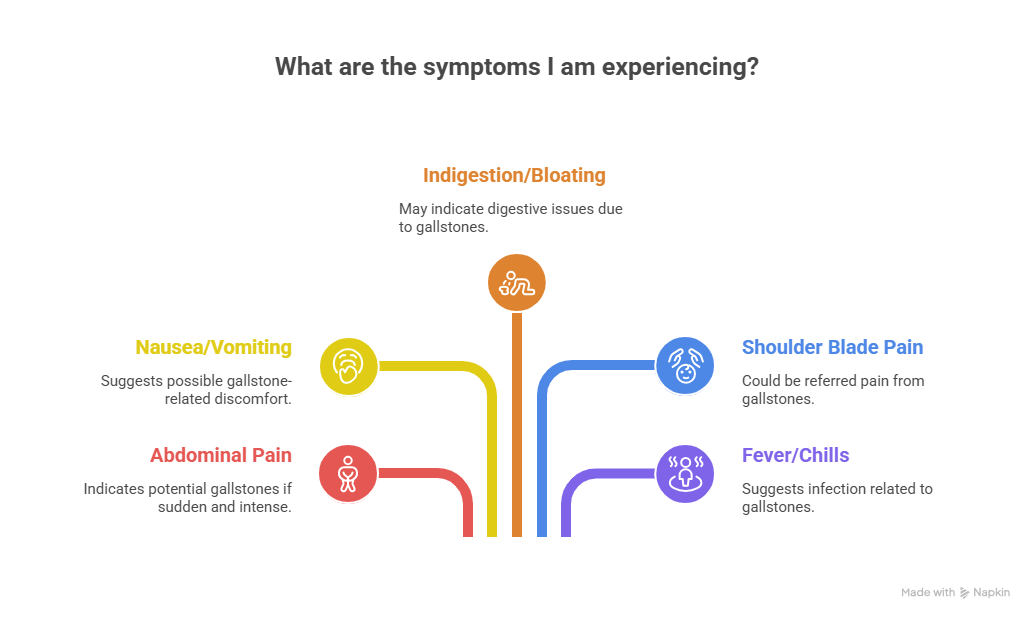
Many people with gallstones don’t know they have them. However, when a stone blocks a bile duct, it can cause a “gallbladder attack” or biliary colic. Symptoms include:

  • Sudden and intense pain in the upper right abdomen
  • Nausea or vomiting
  • Indigestion and bloating
  • Pain between shoulder blades
  • Fever or chills (if infection is present)

In severe cases, untreated gallstones can lead to complications such as inflammation, infection (cholecystitis), or even a ruptured gallbladder.

Is It Possible to Remove Gallbladder Stone Without Surgery?

If you’ve been diagnosed with gallstones, you may wonder, “Is gallbladder stone curable without surgery?” The answer depends on several factors:

  • The type and size of the stone
  • Whether you are symptomatic or asymptomatic
  • Risk of complications
  • Overall health status

While surgery is the most definitive and widely recommended treatment for symptomatic gallstones, especially large or multiple stones, there are non-surgical methods that may help in some cases.

Non-Surgical Ways to Manage Gallbladder Stones

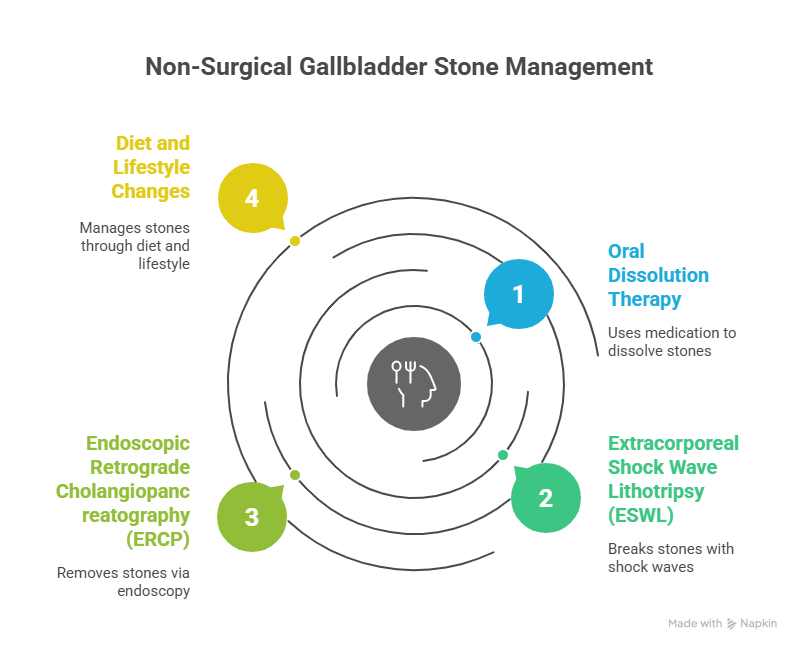
Here are some of the options available if you’re looking for how to remove stone from gallbladder without surgery:

1. Oral Dissolution Therapy

Doctors may prescribe medications like ursodeoxycholic acid (UDCA) to dissolve cholesterol-based gallstones. This method is:

  • Best for small, non-calcified cholesterol stones
  • A long-term process (months or even years)
  • Not effective for pigment stones
  • Stones may return once medication is stopped

This treatment is typically recommended for patients who are not suitable candidates for surgery.

2. Extracorporeal Shock Wave Lithotripsy (ESWL)

This is a non-invasive procedure where shock waves are used to break gallstones into smaller pieces that can pass through the bile ducts.

  • Rarely used today due to limited effectiveness
  • Works best with a few small stones
  • Usually combined with oral medication

3. Endoscopic Retrograde Cholangiopancreatography (ERCP)

While ERCP is not a cure for gallstones in the gallbladder, it is used to remove stones stuck in the bile ducts.

  • Involves passing a flexible tube down the throat to reach the bile ducts
  • Often used when gallstones cause complications like jaundice or pancreatitis
  • Does not remove stones inside the gallbladder

4. Diet and Lifestyle Changes

Though not a treatment, making the right dietary choices can help manage gallstone symptoms or prevent new stones from forming.

  • Avoid high-fat, fried, and processed foods
  • Increase intake of fiber (vegetables, fruits, whole grains)
  • Maintain a healthy weight
  • Avoid rapid weight loss

However, if stones already exist, diet alone cannot remove them.

Expert Gallbladder Surgery by Dr. Atul Peters!
Contact Now!

Book Your Appointment


Natural Remedies – Do They Work?

Some people look for how to get rid of gallbladder stones without surgery using home remedies such as apple cider vinegar, lemon juice, or herbal teas. While these may provide temporary relief from symptoms, there is no clinical evidence to support their effectiveness in dissolving or removing gallstones.

Relying solely on natural remedies can delay essential treatment and lead to serious complications.

When is Surgery needed?

Surgery becomes necessary when gallstones are:

  • Causing frequent or severe symptoms
  • Blocking bile ducts
  • Leading to inflammation or infection
  • Accompanied by complications like pancreatitis

The standard surgical procedure is robotic cholecystectomy—a minimally invasive method to remove the gallbladder. It is safe, has a quick recovery time, and is widely performed by specialists like Dr. Atul Peters, a trusted name for Robotic Surgery in Delhi.

What happens If You don’t treat Gallstones?

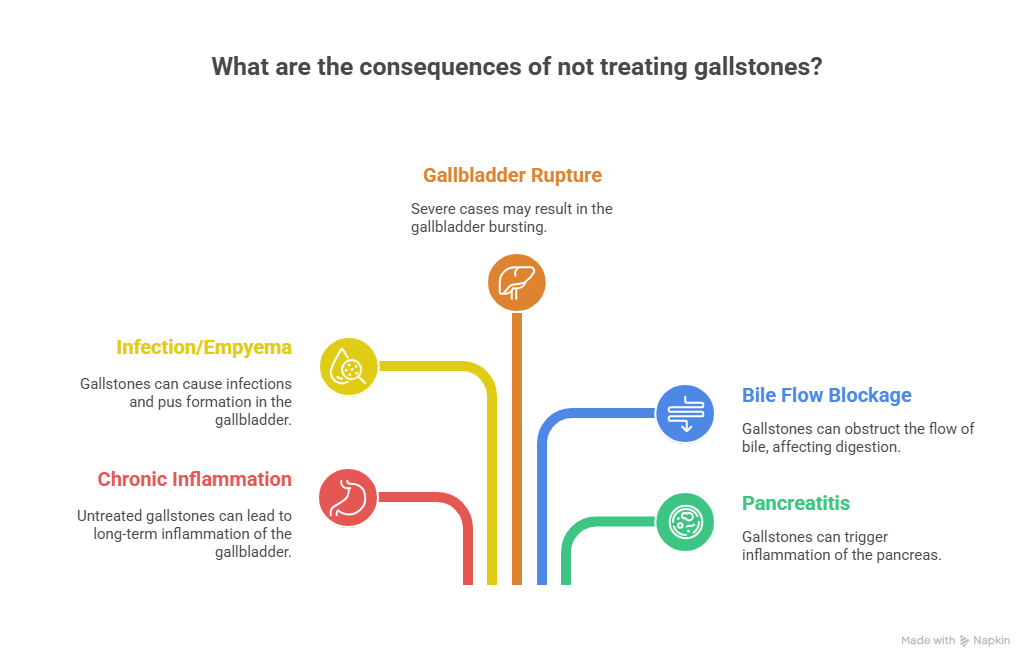
If left untreated, gallstones can lead to:

  • Chronic gallbladder inflammation
  • Infection or pus formation (empyema)
  • Gallbladder rupture
  • Blockage of bile flow
  • Pancreatitis (inflammation of the pancreas)

These complications can be life-threatening and usually require emergency surgery.

Gallbladder Stone Without Surgery – Who is It for?

Non-surgical treatment may be considered for:

  • Patients with small cholesterol stones
  • Those who are asymptomatic
  • Individuals unfit for surgery due to age or medical conditions

However, these methods are usually slow, less reliable, and carry a higher risk of recurrence. Surgery remains the gold standard for a permanent cure.

Expert Opinion – Dr. Atul Peters

For patients exploring both surgical and non-surgical options, consultation with an experienced specialist is essential. Dr. Atul Peters, known for excellence in minimally invasive and laparoscopic procedures, provides comprehensive evaluation and treatment for gallbladder-related conditions.

He helps patients understand when surgery is necessary and offers the latest techniques in Gallbladder Surgery in Delhi, ensuring faster recovery and minimal discomfort.

Conclusion

So, is gallbladder stone curable without surgery? In some cases, yes—but only under specific conditions and usually with limited success. While medical treatments and lifestyle changes may help manage symptoms or dissolve certain types of stones, they are not always effective and do not work for everyone.

Surgery, especially laparoscopic removal of the gallbladder, remains the most reliable and long-term solution for painful or complicated gallstones. If you’re experiencing symptoms or have been diagnosed with gallstones, it’s best to consult a specialist like Dr. Atul Peters to explore the most appropriate treatment path.

Frequently Asked Questions

Can Gallbladder stones be treated without surgery?

Yes, small cholesterol stones may be treated with medications, but this is only suitable in select cases and has a high recurrence rate.

How long does it take for oral medications to dissolve gallstones?

It can take several months to years, and it works only on cholesterol stones.

Is there any diet that can dissolve gallstones?

A healthy diet can prevent new stones but cannot dissolve existing ones.

What are the risks of avoiding gallbladder surgery?

Delayed surgery can lead to infection, bile duct obstruction, or pancreatitis.

Can I live without my gallbladder?

Yes. The liver still produces bile, and you can digest food normally with slight dietary adjustments.