How long does Laparoscopic Hernia Surgery take?

When someone is diagnosed with a hernia, surgery often becomes the most effective treatment to repair the weakened muscle and prevent complications. With the advancement of medical technology, laparoscopic hernia surgery has become a preferred choice for many patients. But one of the most common questions patients ask before undergoing surgery is – “How long does laparoscopic hernia surgery take?”

Generally, the laparoscopic hernia surgery time is shorter than traditional open surgery. On average, it takes around 30 minutes to 1.5 hours, depending on the type of hernia, its size, and whether one or both sides are being treated. However, every patient is different, and factors such as overall health, the complexity of the hernia, and the surgeon’s expertise play a role in determining the exact time.

How long does Laparoscopic Hernia Surgery take?

Laparoscopic Hernia Surgery time is shorter than traditional open surgery. On average, it takes around 30 minutes to 1.5 hours.

Book Your Appointment Today

If you are planning for Hernia Surgery in Delhi, consulting an experienced surgeon like Dr. Atul Peter’s can help you get clear guidance, accurate estimates, and the best surgical outcomes.

Understanding Laparoscopic Hernia Surgery

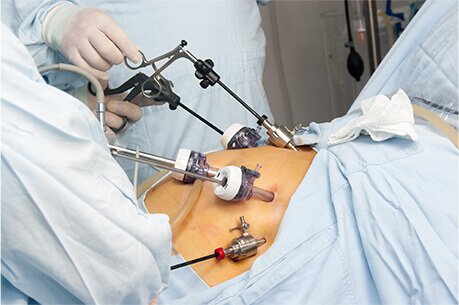
Laparoscopic hernia surgery is a minimally invasive procedure that uses tiny incisions and advanced surgical instruments. Instead of making a large cut like in open surgery, surgeons use a laparoscope (a thin tube with a camera) to view the hernia and perform the repair.

This approach has become popular because of its benefits:

  • Smaller incisions and less visible scars
  • Faster recovery compared to open surgery
  • Reduced post-surgery pain
  • Shorter hospital stay, often allowing patients to go home the same day

While the laparoscopic inguinal hernia surgery time may vary slightly depending on the complexity, most procedures are completed quickly and efficiently. The surgeon places a mesh to strengthen the weakened muscle wall, which reduces the risk of recurrence.

How Long Does Laparoscopic Hernia Surgery take?

The actual hernia laparoscopic surgery time usually ranges between 30 minutes and 90 minutes. In straightforward cases, such as a small inguinal hernia, the procedure may be completed in less than half an hour. However, in more complex cases, like recurrent hernias or bilateral (both sides) hernias, it may take closer to 1.5 hours.

Here’s a quick breakdown:

  • Unilateral Inguinal Hernia (one side): 30–45 minutes
  • Bilateral Inguinal Hernia (both sides): 45–75 minutes
  • Recurrent or Complex Hernia: 60–90 minutes

One of the biggest advantages of this surgery is that, despite the variation in duration, patients generally spend less time in the hospital. Most people are discharged the same day or within 24 hours.

Factors Affecting Hernia Laparoscopic Surgery Time
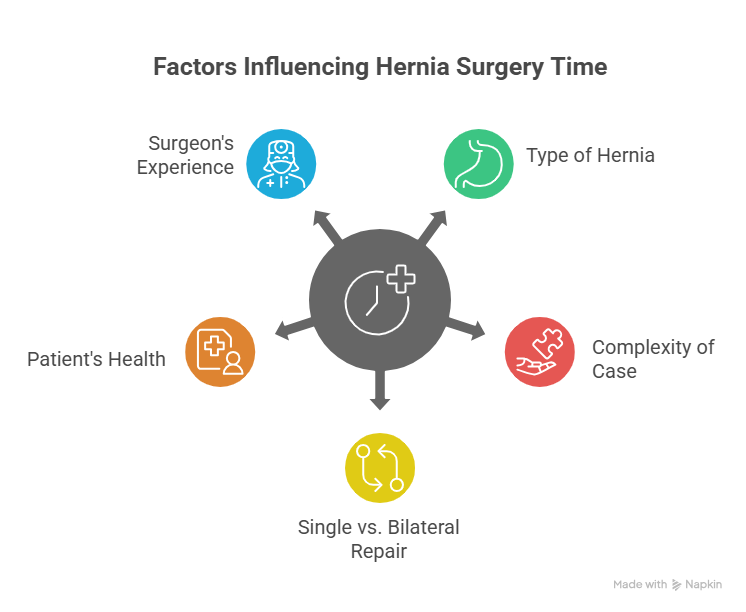
Factors Affecting Hernia Laparoscopic Surgery Time

1. Type of Hernia

The type of hernia plays a key role in determining the surgery duration. Inguinal hernias are usually simpler and take less time to repair, while larger incisional or umbilical hernias may require more careful handling, which adds to the overall time.

2. Complexity of the Case

A straightforward first-time hernia repair is often faster than treating a recurrent hernia. If the hernia has reappeared after a previous surgery, scar tissue and weakened muscles can make the procedure more complex and time-consuming.

3. Single vs. Bilateral Repair

When a patient has a hernia on just one side, the operation is usually completed quickly. However, in bilateral hernia cases, surgeons must repair both sides, which increases the laparoscopic hernia surgery time compared to a single repair.

4. Patient’s Health Condition

The overall health of the patient influences how long surgery takes. Conditions such as obesity, diabetes, or heart problems require extra care and monitoring during the procedure, which may slightly extend the surgery time.

5. Experience of the Surgeon

An experienced surgeon like Dr. Atul Peter’s can perform the surgery more efficiently, reducing time without compromising safety. Less experienced surgeons may take longer as they proceed more cautiously, especially in complicated cases.

Step-by-Step Procedure of Laparoscopic Hernia Surgery

1. Preparation and Anesthesia

Before the surgery begins, the patient is given general anesthesia to ensure they are completely asleep and pain-free. The surgical area is cleaned and sterilized, and the patient is carefully positioned for the procedure.

2. Creating Small Incisions

The surgeon makes 3–4 small incisions in the abdomen, each about half an inch long. These incisions serve as entry points for the laparoscope (camera) and other surgical instruments.

3. Insertion of Laparoscope and Instruments

A thin tube with a camera, called a laparoscope, is inserted through one of the incisions. This camera projects a magnified view of the hernia on a monitor, allowing the surgeon to see the affected area clearly.

4. Identifying and Accessing the Hernia

The surgeon carefully identifies the hernia sac and the weakened abdominal wall. Carbon dioxide gas is used to inflate the abdominal cavity slightly, giving more space to operate and better visibility inside.

5. Placing the Mesh

A special surgical mesh is inserted through the incisions and positioned over the weakened muscle area. This mesh acts as a reinforcement, preventing the hernia from recurring in the future.

6. Closing the Incisions

Once the mesh is secured, the instruments are removed, and the small incisions are closed using stitches or surgical glue. These tiny cuts heal quickly and leave minimal scarring compared to open surgery.

Hernia Surgery Recovery Time (Laparoscopic)
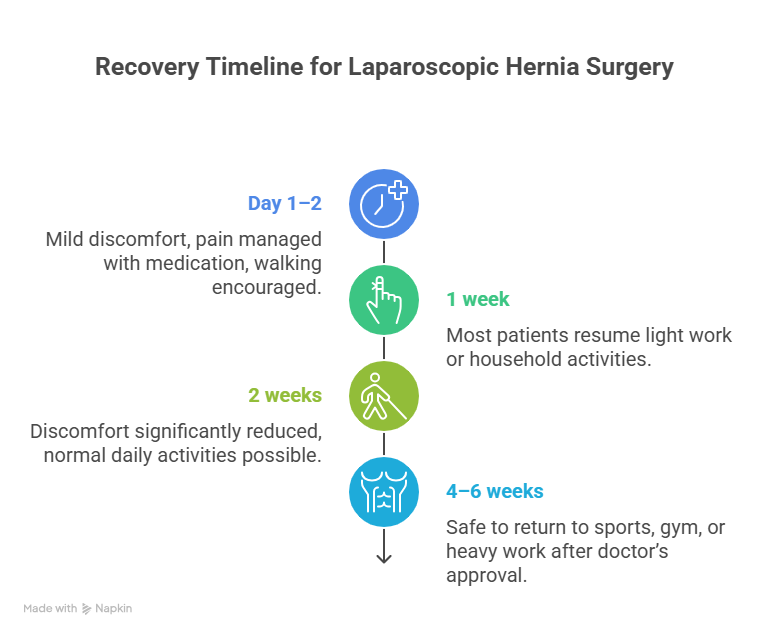
Laparoscopic Hernia Surgery Recovery Time

One of the biggest reasons patients prefer laparoscopic hernia repair is the faster recovery time. Unlike open surgery, which requires larger cuts, laparoscopic surgery involves only small incisions. This means the body heals quickly and with less pain.

On average, the laparoscopic Hernia Surgery in Delhi recovery time is around 1–2 weeks for light activities and 3–4 weeks for full recovery. Many patients can walk around within a few hours after surgery and return to desk jobs within a week. However, heavy lifting or strenuous exercise is usually restricted for 4–6 weeks to allow the mesh and muscles to heal properly.

Typical recovery timeline:

  • Day 1–2: Mild discomfort, pain managed with medication, walking encouraged.
  • 1 week: Most patients resume light work or household activities.
  • 2 weeks: Discomfort significantly reduced, normal daily activities possible.
  • 4–6 weeks: Safe to return to sports, gym, or heavy work after doctor’s approval.

Benefits of Laparoscopic Hernia Surgery

One of the biggest reasons patients prefer laparoscopic hernia surgery is the wide range of benefits it offers. Since the procedure is minimally invasive, patients experience less post-operative pain compared to open surgery. The smaller cuts also mean minimal scarring, making the procedure cosmetically appealing.

Another major benefit is the faster return to daily life, as many patients can get back to work within a short period. The reduced risk of infection, quicker healing, and lower chances of hernia recurrence make laparoscopic surgery a safe and effective choice for long-term health.

Life After Laparoscopic Hernia Surgery

Life after laparoscopic hernia surgery is generally smooth, with most patients noticing quick improvement in their comfort and mobility. In the first few days, mild pain or discomfort around the incision sites is common, but it usually fades quickly with medication. Most people can return to light activities within a few days and resume regular routines in about two weeks.

However, patients should avoid lifting heavy weights, straining, or engaging in intense exercise until their surgeon confirms it is safe—usually after 4–6 weeks. With proper care and follow-up checkups, patients can expect a strong recovery and long-lasting results, making the procedure a life-changing step toward better health.

How long does Laparoscopic Hernia Surgery take?

Laparoscopic Hernia Surgery time is shorter than traditional open surgery. On average, it takes around 30 minutes to 1.5 hours.

Book Your Appointment Today

Final Thoughts

Laparoscopic hernia surgery has become the gold standard for hernia treatment because of its efficiency, shorter recovery time, and minimally invasive nature. For most patients, the procedure takes between 30 minutes to 90 minutes, and recovery is much faster compared to traditional open surgery. While the exact hernia laparoscopic surgery time depends on factors like the type of hernia, the complexity of the case, and overall patient health, the results are generally long-lasting and highly successful.

Choosing an expert surgeon is equally important to ensure safety and the best possible outcomes. For those considering Hernia Surgery in Delhi, Dr. Atul Peter’s provides world-class expertise, advanced surgical techniques, and comprehensive aftercare. With his guidance, patients can expect a smooth surgery, minimal downtime, and a quicker return to normal life.

Frequently Asked Questions

How long does laparoscopic hernia surgery take?

On average, laparoscopic hernia surgery takes 30 minutes to 1.5 hours, depending on the type of hernia and its complexity. Simple cases are quicker, while recurrent or bilateral hernias take longer.

What is the Recovery time after laparoscopic hernia surgery?

Most patients return to light activities within 3–5 days and normal routines in 1–2 weeks. Complete healing of internal tissues usually takes about 4–6 weeks.

Is Laparoscopic Hernia Surgery Painful?

Patients experience less pain compared to open surgery. Some discomfort is normal in the first few days, but it is easily managed with prescribed painkillers.

How safe is Laparoscopic Hernia surgery?

It is generally very safe when performed by an experienced surgeon. Risks like infection, bleeding, or recurrence are rare but possible, which is why choosing the right surgeon is important.

Can a Hernia come back after Laparoscopic Surgery?

The chances of recurrence are very low, especially when a mesh is used for repair. However, lifestyle factors such as heavy lifting or obesity can increase the risk.

When can I resume exercise after Hernia surgery?

Light walking is encouraged within a few days, but heavy workouts or weightlifting should be avoided until your surgeon gives clearance—usually after 4–6 weeks.

Can you Get a Hernia after Laparoscopic Surgery?

Laparoscopic surgery has revolutionized modern medicine by offering minimally invasive procedures that allow for quicker recovery, smaller incisions, and reduced pain. However, like all surgical procedures, it’s not entirely free of risks. One concern that patients sometimes raise is – “Can you get a hernia after laparoscopic surgery?”

The answer is yes, it is possible, though not common. While laparoscopic surgery is considered safer and more precise than open surgery, post-operative hernias, particularly at the incision site, can occur. This blog will explore why hernias may develop after laparoscopic procedures, how to identify the signs, ways to prevent them, and the best treatment options—including when to seek help from a trusted expert like Dr. Atul Peters, for advanced hernia surgery in Delhi.

Understanding Hernia

A hernia occurs when an internal organ or tissue pushes through a weak spot in the surrounding muscle or connective tissue. The most common types include:

  • Inguinal hernia (groin)
  • Umbilical hernia (belly button)
  • Incisional hernia (through a previous surgical scar)
  • Hiatal hernia (upper stomach through the diaphragm)

Hernias can cause visible bulging, pain during movement or coughing, and discomfort during daily activities. Left untreated, they can lead to serious complications like strangulation of the organ involved.

Understanding Laparoscopic Surgery

Laparoscopic (keyhole) surgery is a minimally invasive technique that uses a small camera (laparoscope) and instruments inserted through tiny incisions. It is widely used for procedures like:

This technique reduces the size of surgical wounds, which in turn lowers the chance of infection, scarring, and extended recovery periods. However, any surgical wound—no matter how small—can potentially be a weak point in the abdominal wall.

Can You Get a Hernia After Laparoscopic Surgery?

Yes, you can. This is known as an incisional hernia, and it happens when the tissue beneath the incision does not heal properly, allowing abdominal contents to bulge through.

How does It Happen?

Here are common causes of hernia formation after laparoscopic surgery:

  1. Weak Wound Healing: If the abdominal wall doesn’t heal properly, the incision site becomes vulnerable.
  2. Excessive Pressure: Lifting heavy objects, chronic coughing, or straining too soon after surgery can increase abdominal pressure and lead to a hernia.
  3. Infection: An infection at the surgical site can compromise healing and weaken the muscle wall.
  4. Obesity: Extra weight puts more strain on the abdominal wall and incisions.
  5. Poor Suturing or Port Closure: If the laparoscopic port sites (especially those >10 mm) aren’t closed correctly, hernias can develop.

Risk Factors for Post-Laparoscopic Hernia

While not everyone develops a hernia post-surgery, some individuals are more at risk, including those who:

  • Are you overweight or obese
  • Have diabetes or immune disorders
  • Smoke or drink heavily
  • Are older
  • Had multiple surgeries in the same area
  • Did not follow post-operative care instructions

Signs and Symptoms of a Post-Surgical Hernia

It’s important to know what to look for after a laparoscopic surgery:

  • A noticeable bulge near the incision site
  • Pain or discomfort while lifting, coughing, or bending
  • A feeling of heaviness or pressure in the abdomen
  • Redness or swelling near the scar
  • Nausea or vomiting (in severe cases with bowel obstruction)

If you experience any of these symptoms weeks or months after your procedure, consult a specialist immediately.

How Common is It?

Post-laparoscopic hernias are relatively uncommon, especially when performed by skilled professionals. The risk of incisional hernia is estimated to be around 1% to 3% depending on the procedure, technique, and patient profile. This risk increases with larger trocars (surgical tools) and in patients with poor healing capacity.

That’s why choosing an experienced Laparoscopic Surgeon in Delhi, like Dr. Atul Peters, is crucial for both surgical success and prevention of complications like hernias.

How is a Hernia Diagnosed after Laparoscopy?

A hernia may be diagnosed during a physical exam or through imaging tests such as:

  • Ultrasound
  • CT scan
  • MRI

These tests help determine the size, type, and extent of the hernia, and whether surgery is required.

Treatment Options for Post-Laparoscopic Hernias

If a hernia develops after laparoscopic surgery, treatment is often surgical, especially if symptoms are painful or if complications arise.

1. Open Hernia Repair

An incision is made over the hernia to reposition the tissue and reinforce the wall, often with mesh.

2. Laparoscopic Hernia Repair

In some cases, the hernia can be repaired laparoscopically, using the same minimally invasive technique.

3. Mesh Reinforcement

Most modern hernia surgeries include a surgical mesh to support weakened tissue and reduce the risk of recurrence.

Can You Prevent Hernia After Laparoscopic Surgery?

While not all hernias are preventable, you can reduce your risk significantly with proper care:

Follow These Tips:

  • Avoid lifting heavy weights for at least 4–6 weeks after surgery.
  • Follow your surgeon’s instructions on activity restrictions.
  • Maintain a healthy weight.
  • Manage constipation and avoid straining during bowel movements.
  • Control chronic coughs (as from asthma or smoking).
  • Attend follow-up appointments for proper healing monitoring.

Your surgeon may also recommend wearing an abdominal binder post-surgery for additional support.

Hernia Surgery by Dr. Atul Peters!
Contact Now!

Book Your Appointment


Conclusion

To answer the question—can you get a hernia after laparoscopic surgery?—Yes, it is possible, but not very common. It mostly depends on surgical technique, post-op care, and patient-specific risk factors. Timely diagnosis and treatment can prevent complications and improve outcomes.

If you notice any unusual bulge, pain, or symptoms after laparoscopic surgery, consult a hernia expert immediately. With experienced care and modern techniques, laparoscopic surgery in Delhi is safe, effective, and minimally invasive. Dr. Atul Peters offers expert evaluation and repair for all types of hernias with a focus on patient comfort and long-term results.

Frequently Asked Questions

Can I develop a Hernia years after Laparoscopic surgery?

Yes, some hernias may develop months or even years later, especially at weak points or scar tissue sites.

Are Hernias more common after Open surgery or Laparoscopic surgery?

Open surgery has a higher risk, but improper closure in laparoscopic procedures can also lead to hernias.

Can Hernias after Laparoscopic surgery be repaired laparoscopically?

Yes, in many cases, post-surgical hernias can be repaired using minimally invasive techniques.

How long after Laparoscopic surgery should I avoid heavy lifting?

At least 4 to 6 weeks. Follow your doctor’s advice based on your individual condition.

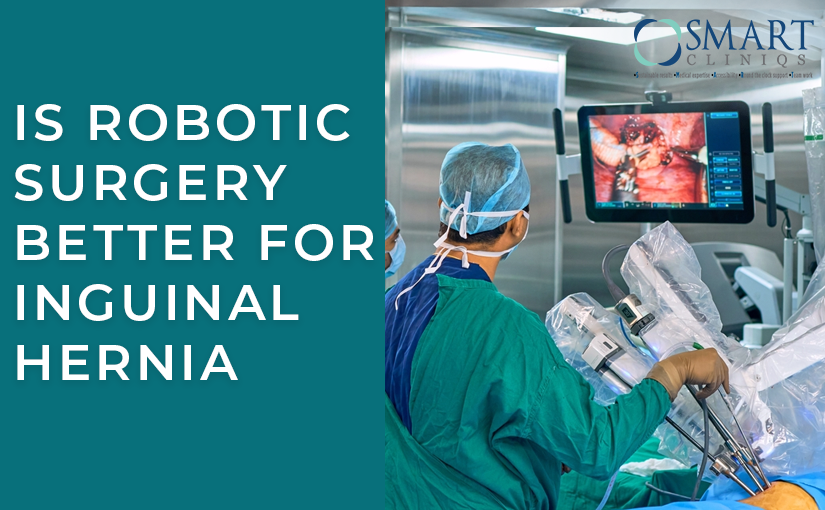
Is Robotic Surgery Better for Inguinal Hernia?

Inguinal hernia is a common condition that occurs when a part of the intestine or fatty tissue pushes through a weak spot in the abdominal wall or groin. This type of hernia can cause pain, discomfort, and other complications, making it necessary for patients to seek treatment. Surgery is the most effective option to fix an inguinal hernia, but with advancements in medical technology, patients now have access to innovative techniques such as robotic surgery.

In this blog, we will explore whether robotic surgery is better for inguinal hernia compared to traditional methods. If you’re considering hernia surgery, especially robotic surgery, it’s important to consult with an experienced Robotic Surgeon in Delhi, such as Dr. Atul Peters, who is known for his expertise in minimally invasive surgical procedures.

What is Inguinal Hernia?

Before we dive into the question of robotic surgery for an inguinal hernia, let’s briefly discuss what an inguinal hernia is. An inguinal hernia occurs when a portion of the intestine or abdominal tissue bulges through a weak spot in the lower abdomen or groin. This condition is most common in men, but it can also affect women.

Common symptoms of an inguinal hernia include:

  • A visible bulge in the groin area
  • Pain or discomfort, especially when bending over or lifting heavy objects
  • A feeling of heaviness in the abdomen
  • Nausea or vomiting in severe cases

If left untreated, inguinal hernias can lead to serious complications such as bowel obstruction or strangulation, where the blood supply to the intestine is cut off. Surgery is often recommended to repair the hernia and prevent further complications.

Traditional Hernia Surgery vs. Robotic Surgery

Inguinal hernia surgery has traditionally been performed using an open surgery technique or laparoscopic surgery. However, with advancements in technology, robotic surgery has emerged as a less invasive option that promises better outcomes for patients.

Traditional Hernia Surgery (Open Surgery)

In traditional open hernia surgery, the surgeon makes a large incision in the groin area to access the hernia. The hernia is then pushed back into the abdomen, and the weakened abdominal wall is reinforced with a mesh to prevent the hernia from recurring.

While open surgery is effective, it comes with some drawbacks:

  • Longer recovery time
  • Larger incisions leading to more scarring
  • Higher risk of infection and complications
  • Increased post-operative pain

Laparoscopic Surgery

Laparoscopic surgery involves making small incisions and using a camera and specialized instruments to repair the hernia. This minimally invasive technique offers several advantages over open surgery:

  • Smaller incisions
  • Less pain after surgery
  • Faster recovery time
  • Reduced risk of infection

However, laparoscopic surgery can still be challenging for some surgeons and may not always provide the level of precision required for complex hernias.

Robotic Surgery for Inguinal Hernia

Robotic surgery, also known as robotic-assisted surgery, is a newer and more advanced option for repairing inguinal hernias. During robotic surgery, the surgeon uses a robotic system to control surgical instruments with high precision. A small camera, attached to the robotic system, provides a 3D view of the surgical site, allowing the surgeon to perform the procedure with greater accuracy.

The robotic system, such as the da Vinci Surgical System, allows the surgeon to make smaller incisions and perform complex maneuvers with ease. The system’s enhanced vision and dexterity provide several benefits that make it an appealing choice for hernia surgery.

Benefits of Robotic Surgery for Inguinal Hernia

Now that we’ve discussed the different surgical options, let’s explore the specific benefits of robotic surgery for inguinal hernia.

  1. Greater Precision and Accuracy: Robotic surgery offers enhanced precision due to the robotic system’s fine motor skills. The surgeon can control the instruments with greater accuracy, which is particularly helpful when working in the delicate and confined space of the groin. This precision can result in better outcomes and fewer complications.
  2. Minimally Invasive: One of the biggest advantages of robotic surgery is that it is minimally invasive. The surgeon uses small incisions, which means there is less disruption to the surrounding tissue. This leads to less pain, minimal scarring, and faster recovery compared to traditional open surgery.
  3. Faster Recovery: Since robotic surgery involves smaller incisions and less trauma to the body, patients typically experience a quicker recovery time. Most people can return to their normal activities within a few days to a week, as opposed to several weeks with open surgery. This makes robotic surgery a great option for individuals who are looking to return to work or their daily routine quickly.
  4. Reduced Risk of Complications: Robotic surgery’s precision and minimally invasive nature reduce the risk of complications such as infections, bleeding, or damage to surrounding tissues. The robotic system allows the surgeon to navigate complex areas with greater ease, resulting in fewer complications during and after surgery.
  5. Enhanced Visualization: Robotic surgery provides the surgeon with a 3D view of the surgical site, which is far superior to traditional laparoscopic cameras. This improved visualization allows the surgeon to see intricate details that might otherwise be missed, contributing to better surgical outcomes.
  6. Smaller Incisions and Less Scarring: Because robotic surgery uses smaller incisions, patients experience less scarring than those who undergo open surgery. Smaller scars not only have a cosmetic benefit but also lead to a faster healing process.
  7. Less Post-Operative Pain: Since robotic surgery is minimally invasive, patients generally experience less post-operative pain than those who undergo open surgery. This can result in reduced dependence on pain medications and a more comfortable recovery.

Is Robotic Surgery Right for You?

While robotic surgery offers several benefits, it is important to determine if it is the right choice for you. The decision depends on various factors such as the size and complexity of the hernia, your overall health, and the surgeon’s expertise.

Dr. Atul Peters, an experienced Robotic Surgeon in Delhi, has helped many patients successfully undergo robotic hernia surgery. Dr. Peters uses the latest robotic surgical techniques to ensure that his patients receive the best possible care and outcomes.

If you are considering hernia surgery, Dr. Peters will assess your condition and discuss the most suitable options for your specific case. He will also explain the risks, benefits, and recovery process to help you make an informed decision.

Why Choose Dr. Atul Peters for Hernia Surgery in Delhi?

When it comes to hernia surgery, the expertise of your surgeon plays a crucial role in the success of the procedure. Dr. Atul Peters is a renowned Hernia Surgeon in Delhi with 25+ years of experience in performing both traditional and robotic hernia surgeries. He is committed to providing personalized care and ensuring that his patients receive the best possible outcomes.

Dr. Peters uses advanced robotic systems for hernia repair, ensuring minimal scarring, reduced pain, and faster recovery. His goal is to make the surgery as effective and comfortable as possible, helping patients return to their normal activities in no time.

Conclusion

Robotic surgery is an excellent option for many patients with inguinal hernias. Its precision, minimal invasiveness, and faster recovery make it a preferred choice for those who are eligible. If you are considering hernia surgery, consulting with a skilled Robotic Surgeon in Delhi, such as Dr. Atul Peters, can help you explore the best treatment options available.

Don’t let an inguinal hernia interfere with your daily life. With robotic surgery, you can achieve a quicker recovery and get back to doing what you love. Contact Dr. Atul Peters today to schedule a consultation and take the first step toward a healthier, hernia-free life.