Which Size of Gallbladder Stone is Dangerous? {A Complete Guide}

Gallbladder stones, also known as gallstones, are hard deposits that form inside the gallbladder—a small, pear-shaped organ located beneath the liver. They are made up of cholesterol, bile salts, and waste products and can vary in size, shape, and number. While some gallstones remain harmless, others can lead to severe complications if left untreated. This raises an important question: which size of gallbladder stone is dangerous?

In this detailed blog, we’ll explore what gallstones are, their sizes, potential risks, when surgery becomes necessary, and answer common questions about gallbladder stone complications.

Understanding Gallbladder Stones

The gallbladder stores and releases bile, a fluid that helps digest fats. When bile contains excessive cholesterol, bilirubin, or salts, it can form crystals that eventually harden into stones.

Gallstones vary in:

  • Size: They can be as small as a grain of sand (1–2 mm) or as large as a golf ball (over 30–50 mm).
  • Number: Some people develop a single stone, while others have multiple stones.
  • Shape: Stones can be round, oval, or irregular.

While small stones often pass unnoticed, larger stones or multiple stones can block bile ducts, causing severe pain and complications.

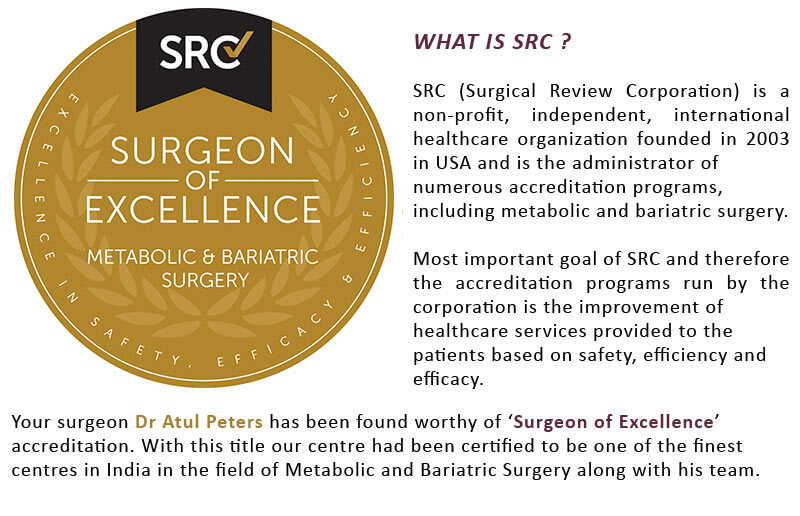
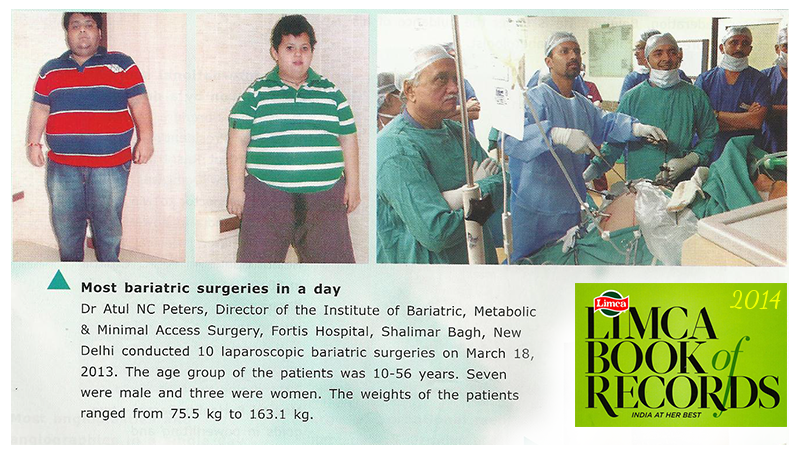
If you’re considering Best Gallbladder Surgery in Delhi, consulting Dr. Atul Peter, who specializes in minimally invasive gallbladder removal, ensures safe and effective treatment.

Size of Gallbladder Stones – Why It Matters

Many people wonder, “Which size of gallbladder stone is dangerous?” The danger lies not just in the size but also in the location and potential to cause blockage or inflammation.

  • Small Stones (<5 mm):
    • Often pass through the bile ducts without symptoms.
    • However, multiple small stones can sometimes move into the bile ducts, causing pancreatitis (inflammation of the pancreas).
  • Medium Stones (5–10 mm):
    • Have a higher chance of blocking bile ducts, leading to gallbladder inflammation (cholecystitis).
    • It can cause pain, nausea, and digestive issues.
  • Large Stones (10–30 mm):
    • More likely to cause severe gallbladder problems.
    • Can press against the gallbladder wall, causing chronic irritation, infection, and even gallbladder cancer in rare long-term cases.
  • Very Large Stones (>30 mm or >3 cm):
    • Considered high risk for complications.
    • It can permanently damage the gallbladder, increase the risk of gallbladder cancer, and often require surgical removal.

Key Takeaway:

There is no completely safe size, but stones larger than 10 mm are more likely to cause symptoms, and stones above 20–30 mm (2–3 cm) are considered dangerous and usually require surgery.

Dangerous Sizes in Millimeters (mm)

If you’re wondering “which size of gallbladder stone is dangerous in mm?”, doctors often use the following general guidelines:

Stone Size (mm) Risk Level Medical Recommendation
1–4 mm Low risk but may migrate to ducts Monitoring or surgery if symptomatic
5–9 mm Moderate risk of duct blockage Surgery may be considered
10–19 mm High risk of pain, infection, and inflammation Surgery often recommended
20–29 mm Very high risk of complications Surgery strongly recommended
?30 mm (3 cm) Dangerous, risk of gallbladder cancer Immediate surgery advised

This table highlights that stones larger than 10 mm often require close monitoring or removal, while stones above 20–30 mm are considered dangerous due to their potential for life-threatening complications.

What Size Gallbladder Stones Need Surgery?

Gallbladder surgery (cholecystectomy) is the most effective treatment for gallstones. The decision depends on:

  • Presence of Symptoms: Persistent pain, nausea, vomiting, or digestive problems are signs you may need surgery regardless of stone size.
  • Size of Stone:
    • Stones >10 mm with symptoms usually need surgery.
    • Stones >20–30 mm are considered dangerous and need removal even if asymptomatic because they can cause silent damage.
  • Risk of Complications: Stones blocking bile ducts can lead to pancreatitis or jaundice, requiring urgent treatment.
  • Associated Conditions: Diabetic patients, those with compromised immunity, or people with gallbladder polyps along with stones may need early surgery.

If you’re considering surgery, consulting an experienced Gallbladder Surgeon in Delhi like Dr. Atul Peter’s, who specializes in minimally invasive gallbladder removal, ensures safe and effective treatment.

Maximum Size of Gallbladder Stone in mm

Gallstones can grow quite large over time if untreated. In rare cases, stones can reach 40–50 mm (4–5 cm) or even more. Such large stones:

  • Increase the risk of gallbladder wall thickening and infection.
  • May lead to chronic cholecystitis (long-term inflammation).
  • Are associated with a higher risk of gallbladder cancer if left untreated for many years.

For this reason, medical experts advise removing stones before they reach such dangerous sizes, even if you experience mild or no symptoms.

Is Gallbladder Stone Dangerous?

Not all gallstones are immediately life-threatening. However, they can become dangerous over time due to potential complications such as:

  • Biliary Colic: Sudden, intense abdominal pain caused by stones blocking bile ducts.
  • Cholecystitis: Infection and inflammation of the gallbladder.
  • Pancreatitis: Life-threatening inflammation of the pancreas if stones obstruct the pancreatic duct.
  • Jaundice: Yellowing of skin and eyes due to bile flow blockage.
  • Gallbladder Cancer: Large stones (>30 mm) are associated with a higher risk of cancer in long-standing cases.

Thus, even small gallstones should not be ignored, especially if you experience symptoms.

Gallbladder Stone Surgery by Dr. Atul Peters!
Contact Now!

Book Your Appointment


Preventing Gallstone Complications

While you cannot always prevent gallstones, you can reduce risks by:

  • Maintaining a healthy weight.
  • Avoiding rapid weight loss diets.
  • Eating a balanced diet rich in fiber and low in unhealthy fats.
  • Staying physically active.
  • Going for regular check-ups if you have a family history of gallstones.

Early detection and timely surgery help avoid life-threatening complications.
Frequently Asked Questions

Which size of gallbladder stone is dangerous?

Gallstones larger than 10 mm are more likely to cause complications. Stones above 20–30 mm are considered dangerous and usually require surgery.

What size of gallbladder stones need surgery?

Stones larger than 10 mm with symptoms or 20–30 mm even without symptoms typically need surgical removal to prevent severe health problems.

How much mm gallbladder stone is dangerous?

Gallstones over 20 mm pose a high risk of infection, blockage, and long-term damage. Stones above 30 mm (3 cm) can increase the risk of gallbladder cancer.

Can small gallstones be dangerous?

Yes, even small stones (1–4 mm) can migrate to bile ducts and cause pancreatitis, which can be life-threatening if untreated.

What happens if a large gallbladder stone is not removed?

Large stones (over 20–30 mm) can cause repeated gallbladder infections, bile duct blockages, and, in rare cases, gallbladder cancer. Surgical removal is strongly advised to avoid life-threatening complications.

Can gallstones disappear without surgery or medicine?

Gallstones rarely dissolve on their own. While some medications can help dissolve cholesterol stones, they are not always effective, especially for larger stones. Surgery remains the most reliable treatment.

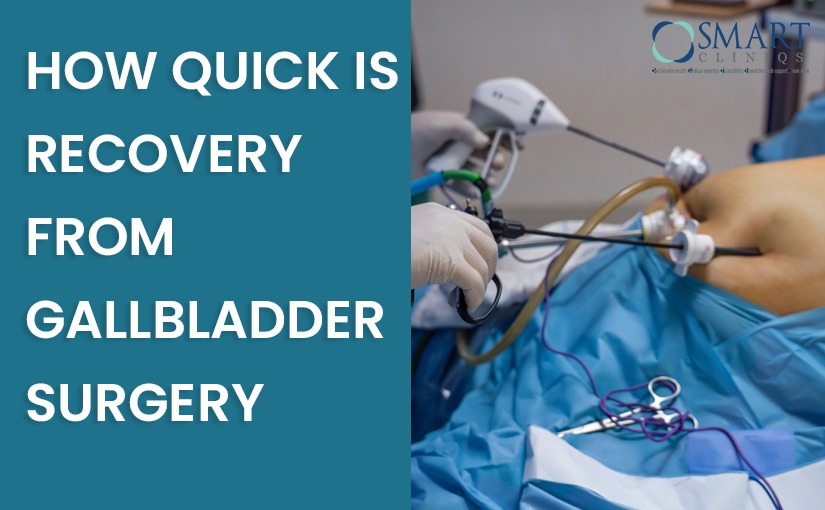
How quick is Recovery from Gallbladder Surgery?

If you’ve been diagnosed with gallstones or other gallbladder-related issues, you might be wondering what the recovery process from gallbladder surgery will look like. While surgery may seem daunting, many patients are pleasantly surprised by how quickly they can return to their normal activities. As a Gallbladder Surgeon in Delhi, I’ve helped numerous patients through the process, and I can tell you that recovery can be relatively smooth if you follow the right steps.

In this blog, I’ll walk you through the recovery timeline after gallbladder surgery, the factors that can influence how fast you heal, and tips for making the process as easy as possible.

What is Gallbladder Surgery?

Gallbladder surgery, also known as cholecystectomy, is typically performed to remove a patient’s gallbladder, often due to gallstones or inflammation. The surgery is usually done robotically or laparoscopically, meaning through small incisions, which are less invasive and lead to a quicker recovery time compared to traditional open surgery.

While this surgery is quite common and considered safe, many people are concerned about the recovery process. They want to know how soon they can return to their normal lives—whether it’s going back to work, resuming exercise, or simply getting back to a routine.

How long Does Recovery take after Gallbladder Surgery?

The short answer is that most patients recover from gallbladder surgery within one to two weeks, especially with laparoscopic surgery. However, the exact recovery time can vary from person to person. Gallbladder Surgery recovery depends on various factors, including your general health, the method of surgery, and how well you follow post-surgery care instructions.

Let’s break it down further.

1. Immediate Recovery: The First 24-48 Hours

Right after the surgery, you will spend a few hours in the recovery room where medical staff will monitor your vital signs. Most patients can go home the same day or the day after the surgery, especially with robotic cholecystectomy. During the first 24 to 48 hours after surgery, it’s normal to feel confused from the anesthesia, and you may experience mild pain or discomfort around the incision sites.

As your Gallbladder Surgeon in Delhi, I will ensure that you receive proper pain management and instructions on how to care for the incision sites. Most patients find that the pain is manageable with over-the-counter painkillers or prescription medications that I provide.

2. The First Week: Getting Back on Your Feet

After the first couple of days, most patients feel much better and can resume light activities. You may still feel some soreness, particularly around the abdominal area, but this usually fades within a few days. It’s important to be active during this time, but avoid any strenuous activities, like lifting heavy objects.

I usually advise my patients to rest if their job involves physical labor or heavy lifting. If you have a desk job, you may be able to return to work within a few days, but it’s important to listen to your body and avoid pushing yourself too hard.

You’ll also be asked to follow a light diet for the first day, gradually reintroducing solid foods on the next day. The gallbladder plays a role in digesting fats, so it’s important to avoid heavy or fatty foods during the early part of your recovery.

3. Two to Four Weeks: Return to Normal Activities and Full Recovery

By the second week, many patients feel well enough and feel to have recovered in full without any major limitations. Most people find they are able to resume light exercise, such as jogging or stretching. Again, listen to your body—if you experience pain or discomfort, it’s important to rest and avoid overexerting yourself.

At this stage, you’ll also be able to start incorporating more foods into your diet, but it’s still important to avoid heavy, greasy, or spicy foods. Your body may take some time to adjust to the absence of the gallbladder, and eating smaller, more frequent, but healthier meals can help with digestion.

After Gallbladder Surgery, we will make sure to follow up with you during this period to ensure you’re healing well and that you have no ongoing issues. Most patients can return to normal eating habits, though it’s still important to maintain a healthy, balanced diet to avoid complications.

Factors That Can Influence Recovery Speed

While the recovery timeline I’ve outlined is typical, there are several factors that can affect how quickly you recover. Let’s take a closer look at them.

1. Your Overall Health

Patients who are generally in good health tend to recover faster than those with other underlying health issues, such as diabetes, heart disease, or obesity. If you’re in good physical condition going into surgery, your body will typically heal faster.

2. The Type of Surgery

Laparoscopic surgery is the most common type of gallbladder removal surgery today. It’s minimally invasive and generally leads to a faster recovery. With the advent of Robotic surgery, which is scarless and least invasive of all, the recovery period has become shorter. Traditional open surgery, which involves a larger incision, may take a bit longer to heal.

3. How Well You Follow Post-Surgery Instructions

Your recovery largely depends on how well you follow the instructions provided by your surgeon. This includes adhering to a healthy diet, being active, taking any prescribed medications, and avoiding strenuous activities during the healing process. The more carefully you follow these guidelines, the quicker you’ll recover.

4. Complications

While complications are rare, they can extend the recovery process. Some potential complications include infection, bile leakage, or injury to nearby organs. As your Gallbladder Surgeon, I will monitor you closely for any signs of complications and address them promptly to avoid delays in your recovery.

Tips for Speeding Up Your Recovery

To help speed up your recovery from gallbladder surgery, here are a few tips:

  • Follow your surgeon’s instructions carefully: This includes taking your medications as prescribed, caring for your incisions, and following dietary recommendations.
  • Avoid heavy lifting and strenuous activities: Give your body time to heal.
  • Stay hydrated: Drink plenty of water to help your body recover and stay energized.
  • Eat light and healthy meals: Focus on smaller, frequent meals that are easy to digest.
  • Get plenty of rest: Don’t push yourself too hard during the first few weeks.
  • Take walks: Walking can help improve circulation and speed up the healing process.

When to Contact a Surgeon During Recovery

While recovery is usually smooth, there are times when you should contact your  Surgeon:

  • If you experience severe pain that doesn’t improve with medication.
  • If you notice any signs of infection, such as fever, redness, or swelling around the incision sites.
  • If you have trouble eating or experience excessive nausea or vomiting.
  • If you experience any unusual symptoms that worry you.

These could be signs of complications, and it’s important to address them as soon as possible to ensure a smooth recovery.

Conclusion

In most cases, gallbladder surgery recovery is quick and straightforward, especially with laparoscopic surgery. Most patients can return to work and daily activities within one week, with full recovery typically taking around two to four weeks.

As a Gallbladder Surgeon in Delhi, I’ve helped numerous patients recover successfully from gallbladder surgery. By following the proper post-surgery guidelines, you can expect to heal quickly and return to your normal life without much disruption.

If you’re considering gallbladder surgery or have questions about the recovery process, feel free to reach out to me for personalized care and guidance. Together, we can ensure that your recovery is as quick and smooth as possible.

Laparoscopic vs Robotic Cholecystectomy: Choosing the Right Approach for Gallstone Removal

Gallstones, those hardened deposits that form in the gallbladder, can cause significant discomfort and even lead to more serious health complications. When conservative treatments prove ineffective, a cholecystectomy, or gallbladder removal, may become necessary.

Choosing the right surgical approach for gallstone removal is crucial for a successful outcome and a comfortable recovery. Two primary options available today are laparoscopic cholecystectomy and robotic cholecystectomy.

Before we explore surgical options, let’s understand gallstones and cholecystectomy.

Gallstones are small, hard deposits that form in the gallbladder, a pear-shaped organ located beneath the liver. They can be composed of cholesterol, bile pigments, or a combination of both.

Cholecystectomy is a surgical procedure that involves removing the gallbladder. It’s typically performed when gallstones cause severe pain, inflammation, or other complications.

What is Laparoscopic Cholecystectomy?

Laparoscopic cholecystectomy, often referred to as keyhole surgery, is a minimally invasive technique that has emerged as a promising option for patients requiring gallbladder removal.

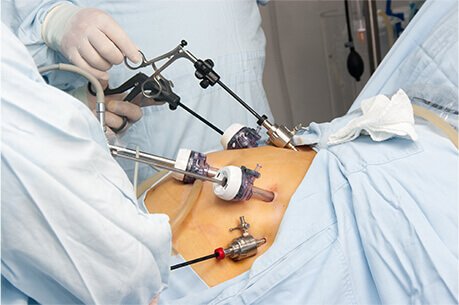
It involves making small incisions in the abdomen, through which a thin, lighted tube with a camera (laparoscope) and surgical instruments are inserted. The surgeon can then visualize the gallbladder and remove it using these tools.

Benefits of Laparoscopic Cholecystectomy:

  • Smaller incisions: This leads to less pain, scarring, and a faster recovery time compared to open surgery.
  • Shorter hospital stay: Patients typically go home the same day or the day after surgery.
  • Lower risk of complications: Laparoscopic surgery is generally associated with fewer complications than open surgery.
  • Improved cosmetic outcome: The smaller incisions result in less visible scarring.

Most patients can resume normal activities within a few days of laparoscopic cholecystectomy. However, it’s essential to follow your doctor’s instructions regarding rest, diet, and wound care.

What is Robotic Cholecystectomy?

Robotic cholecystectomy is a minimally invasive surgical technique, that has revolutionized gallbladder removal.

This advanced procedure utilizes a robotic system controlled by a surgeon, offering enhanced precision, dexterity, and visualization compared to traditional laparoscopic surgery.

In robotic cholecystectomy, a surgeon sits at a console, operating robotic arms equipped with surgical instruments. The surgeon’s movements are translated into precise actions by the robotic system, allowing for greater control and flexibility during the procedure. The robotic system also provides a magnified, three-dimensional view of the surgical field, aiding in accurate visualization and dissection.

Advantages of Robotic Cholecystectomy

  • Enhanced Precision: The robotic system’s precise movements and advanced instrumentation minimize the risk of complications and potential damage to surrounding tissues.
  • Superior Visualization: The high-definition, three-dimensional view provided by the robotic system allows the surgeon to identify and address intricate anatomical structures with greater accuracy.
  • Increased Dexterity: The robotic arms’ ability to perform delicate movements and manipulate tissues with precision can lead to improved surgical outcomes, especially in complex cases.
  • Reduced Trauma: Compared to open surgery, robotic cholecystectomy involves smaller incisions, resulting in less pain, scarring, and a faster recovery time.
  • Minimized Blood Loss: The precision and control offered by robotic surgery often lead to reduced blood loss during the procedure.

When to Consider Robotic Cholecystectomy?

Robotic cholecystectomy may be a suitable option for patients:

  • With complex gallstones or anatomical variations
  • Who has undergone previous abdominal surgery
  • Who desires a minimally invasive approach with potential benefits in terms of precision and outcomes

The recovery process for robotic cholecystectomy is similar to that of laparoscopic surgery. Patients can typically expect a shorter hospital stay and a faster return to normal activities.

Choosing the Right Approach for You

The decision between laparoscopic and robotic cholecystectomy depends on several factors, including

  • Your overall health: If you have other health conditions or are at high risk for complications, your doctor may recommend a particular approach.
  • The size and location of your gallstones: Larger or more complex gallstones may require a more advanced technique.
  • Your surgeon’s expertise: The experience and training of your surgeon can influence the choice of surgical method.
  • Your personal preferences: Some patients may prefer one approach over the other based on their individual preferences.

Postoperative Care and Recovery

After your cholecystectomy, it’s important to follow your doctor’s instructions for postoperative care. This may include:

  • Resting, as directed
  • Taking prescribed medications
  • Avoiding strenuous activity
  • Following a healthy diet
  • Monitoring your incision for signs of infection

Most patients can resume normal activities within a few days of surgery. However, it’s essential to listen to your body and avoid overexertion.

Potential Complications and Risk Factors

Laparoscopic and robotic cholecystectomy are generally safe procedures, but like any surgery, they can carry risks.

While complications like bleeding, infection, bile duct injury, and the need for conversion to open surgery are relatively uncommon, certain factors can increase the risk. These factors include obesity, diabetes, previous abdominal surgery, and underlying medical conditions. It’s essential to discuss these risks with your surgeon before deciding on the best approach for your gallbladder removal.

Factors to Consider When Choosing a Surgeon

Selecting the right surgeon is a crucial step. Here’s a detailed checklist to help you make an informed decision:

  • Experience and Credentials: Look for a surgeon with extensive experience, certifications, and training in performing cholecystectomies.
  • Success Rates and Procedure Range: Assess the surgeon’s success rates and the variety of procedures they offer to determine if they align with your needs.
  • Accredited Facilities: Choose a surgeon affiliated with a reputable and accredited hospital or surgical center.
  • Comprehensive Care: Look for a center that provides pre-operative assessments, expert surgical intervention, nutritional guidance, and post-operative support.
  • Patient Reviews: Read patient reviews and testimonials to get a sense of the surgeon’s reputation and overall patient satisfaction.

Conclusion

Both laparoscopic and robotic cholecystectomy are highly effective surgical options for the removal of gallstones, each with its own advantages. The choice between these methods should be guided by your specific health conditions, the complexity of your case, and the expertise of your surgeon.

Laparoscopic cholecystectomy, known for its minimally invasive nature, typically involves smaller incisions and a shorter recovery time. Robotic cholecystectomy, on the other hand, offers enhanced precision through advanced robotic technology, which may be beneficial for more complex cases.

It’s essential to have a thorough discussion with your healthcare provider to evaluate the suitability of each approach based on your circumstances, including any underlying health issues, previous surgeries, and personal preferences. By carefully considering the differences between laparoscopic and robotic cholecystectomy, you will be able to make a well-informed decision that aligns with your needs and goals, ultimately contributing to a more successful surgical outcome and a smoother recovery.

Ready to make an informed decision about your gallstone removal? Consult with the best gallbladder surgeon in Delhi today to discuss your options and ensure a smooth recovery!