Is Robotic Surgery Better than Laparoscopic?

Minimally invasive surgery has changed how doctors perform complex operations. Instead of large cuts, surgeons now use small incisions, leading to faster recovery and less pain. Among these advanced techniques, two have become very popular—laparoscopic surgery and robotic surgery. Both aim to minimize trauma to the body, but they differ in how they are performed and the technology used.

So, the question many patients ask is — “Is robotic surgery better than laparoscopic?” Let’s understand both methods in detail and see how they compare.

Is Robotic Surgery Better than Laparoscopic?

So, the question many patients ask is — “Is robotic surgery better than laparoscopic?” Let’s understand both methods in detail and see how they compare.

Book Your Appointment Today

Understanding Laparoscopic Surgery

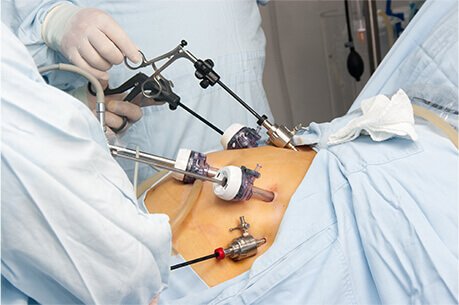
Laparoscopic surgery, often called “keyhole surgery,” involves making small incisions through which a thin tube with a camera (laparoscope) and surgical instruments is inserted. The surgeon views the internal organs on a monitor and operates by hand, manipulating the instruments directly.

This method was revolutionary when it was introduced because it replaced large incisions with smaller ones, reducing recovery time and hospital stay. Laparoscopic surgery is widely used for procedures such as gallbladder removal, hernia repair, bariatric surgery, and appendectomy.

Advantages of Laparoscopic Surgery:

  • Smaller incisions and less visible scarring
  • Reduced postoperative pain
  • Shorter hospital stay
  • Faster recovery compared to open surgery
  • Lower risk of infection

However, laparoscopic surgery also has some limitations. The surgeon’s instruments are rigid and can move only in limited directions. The surgeon’s vision is two-dimensional, which can make complex procedures challenging. This is where robotic surgery brings innovation.

Understanding Robotic Surgery

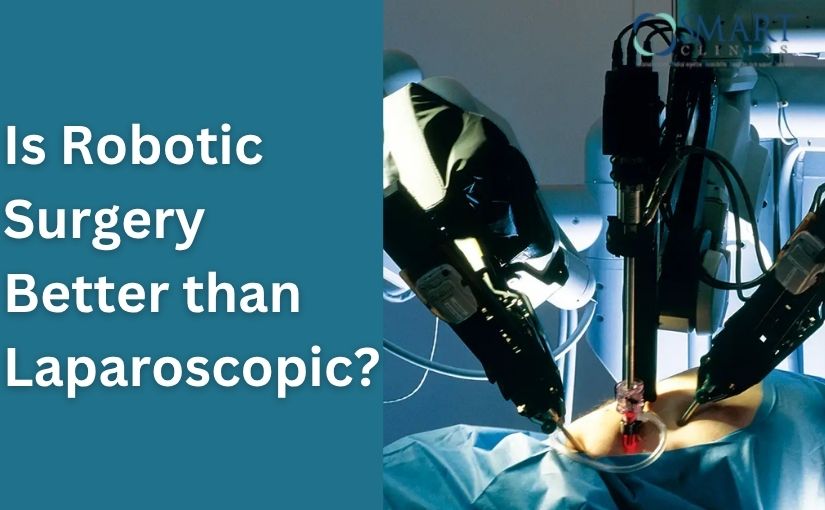
Robotic surgery is the next step in minimally invasive technology. In this technique, the surgeon controls robotic arms through a computer console. The robot mimics the surgeon’s hand movements with extreme precision and provides a 3D, high-definition view of the surgical site.

The robotic system filters out natural hand tremors, allowing for smoother and more accurate movements. Dr. Atul Peter’s, is the Best Robotic Surgeon in Delhi, uses advanced robotic platforms for complex procedures, especially in bariatric and hernia surgeries, offering patients improved precision and outcomes.

Advantages of Robotic Surgery:

  • Greater precision and control
  • 3D visualization of internal structures
  • Ability to access hard-to-reach areas
  • Minimal blood loss
  • Quicker recovery time
  • Reduced postoperative pain

Key Differences Between Robotic and Laparoscopic Surgery

When comparing robotic surgery vs laparoscopic surgery, both share the same goal: to perform surgeries with minimal trauma to the body. However, the technology and control mechanisms differ significantly.

Aspect Laparoscopic Surgery Robotic Surgery
Control Surgeon directly controls instruments by hand. Robotic arms are controlled by the surgeon through a console.
Vision 2D video view from the laparoscope. 3D, high-definition vision with depth perception.
Precision Limited by human hand stability and tremors. Enhanced by robotic arms that filter tremors for smooth motion.
Flexibility Rigid instruments with limited range of motion. Instruments move in multiple directions with wrist-like flexibility.
Ergonomics Surgeon stands for long periods, leading to fatigue. Surgeon operates while seated at a console, improving comfort and focus.
Cost More affordable and widely available. Higher cost due to advanced robotic systems and maintenance.
Learning Curve Commonly practiced with standard training. Requires specialized training and certification for robotic systems.

How Robotic Surgery Works

Robotic surgery is performed using a robotic system that consists of three main components:

  1. Surgeon Console:
    The surgeon sits at this console and controls the robotic arms using hand and foot controls.
  2. Patient-side Cart:
    This part holds the robotic arms and surgical instruments that perform the actual surgery.
  3. Vision Tower:
    It provides high-definition, magnified 3D images of the surgical site.

Every movement made by the surgeon is precisely translated into real-time robotic movements, ensuring extreme accuracy. The robot cannot move on its own—it only responds to the surgeon’s commands.

Advantages of Robotic Surgery Over Laparoscopic Surgery
Advantages of Robotic Surgery Over Laparoscopic Surgery

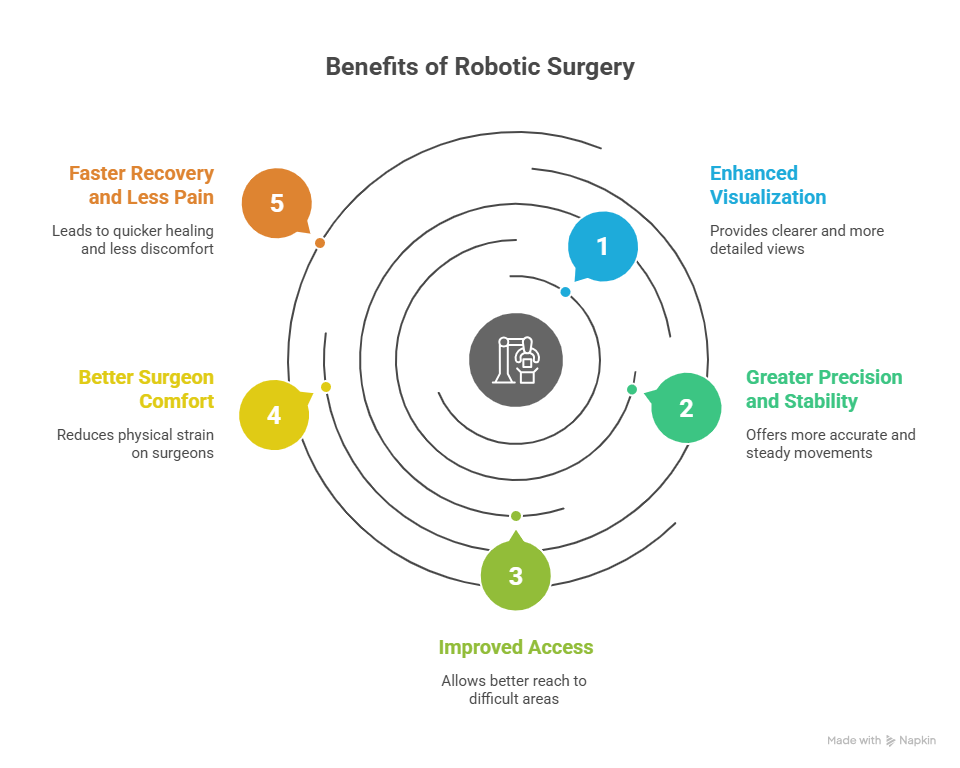
The major benefit of robotic surgery lies in its precision, flexibility, and visualization. Here’s why many surgeons and patients consider robotic surgery superior in certain cases:

1. Enhanced Visualization

Robotic systems provide a 3D magnified view, helping surgeons see even tiny structures like nerves and blood vessels clearly. This is a huge improvement over the 2D view of traditional laparoscopy.

2. Greater Precision and Stability

The robotic arms can make highly controlled movements without tremors. This precision reduces tissue damage and improves surgical outcomes.

3. Improved Access

Robotic instruments can rotate 360 degrees and move in directions that the human hand cannot. This allows access to difficult anatomical areas, making complex surgeries easier and safer.

4. Better Surgeon Comfort

Unlike traditional laparoscopy, where surgeons must stand for long hours, robotic surgery allows them to operate from a console in a comfortable seated position. This reduces fatigue and improves focus.

5. Faster Recovery and Less Pain

Due to smaller incisions and minimal tissue damage, patients experience less postoperative pain, fewer complications, and quicker recovery times.

When Laparoscopic Surgery is Still a Good Choice

While robotic surgery offers many benefits, laparoscopic surgery is still a great choice for many procedures. It remains more cost-effective and is widely available. For simpler surgeries that don’t require high precision or access to complex areas, laparoscopy works perfectly well.

For example, standard gallbladder removal or appendectomy can be effectively performed through laparoscopy. The technology required for robotic surgery is not necessary for these straightforward cases.

When Robotic Surgery is Recommended
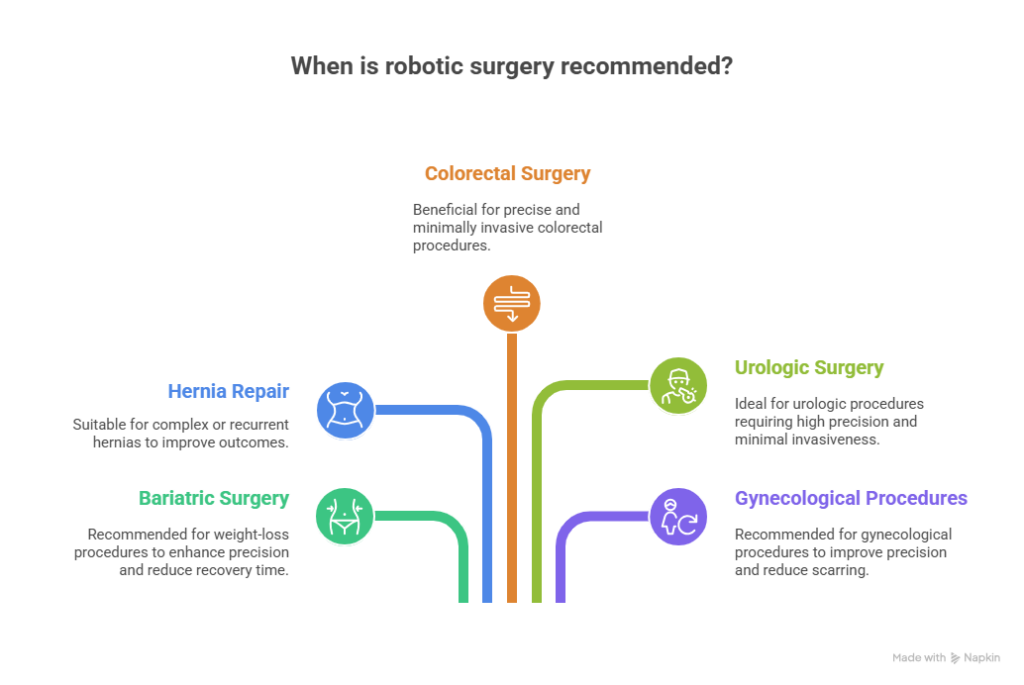
When Robotic Surgery is Recommended

Robotic surgery is particularly beneficial for:

  • Bariatric Surgery (Weight-loss procedures)
  • Hernia Repair (especially complex or recurrent hernias)
  • Colorectal Surgery
  • Urologic Surgery
  • Gynecological Procedures

For patients requiring high precision or those who have undergone previous surgeries leading to scarring, robotic systems can offer better visualization and control.

Many patients in Delhi prefer robotic procedures because of the expertise offered by specialists like Dr. Atul Peter’s, who is recognized as the Best Robotic Surgeon in Delhi.

Risks and Limitations

Both laparoscopic and robotic surgeries are safe when performed by experienced surgeons. However, like any medical procedure, they carry certain risks such as:

  • Bleeding
  • Infection
  • Adverse reaction to anesthesia
  • Technical issues (rare in robotic systems)

One of the main limitations of robotic surgery is cost. The robotic systems and instruments are expensive, making the procedure costlier than laparoscopy. However, many patients find the faster recovery and reduced complications to be worth the cost.

Comparing Outcomes

Studies have shown that robotic surgery often leads to:

  • Less blood loss during surgery
  • Fewer complications
  • Shorter hospital stays
  • Quicker return to normal activities

However, the success of any surgery depends largely on the skill and experience of the surgeon, rather than just the technology used. The best outcomes come from choosing a skilled and experienced surgeon who can determine which approach is most suitable for your condition.

Is Robotic Surgery Better than Laparoscopic?

So, the question many patients ask is — “Is robotic surgery better than laparoscopic?” Let’s understand both methods in detail and see how they compare.

Book Your Appointment Today

How to Choose Between Robotic and Laparoscopic Surgery

Here are a few points to consider when deciding between the two:

  1. Type of Surgery:
    Complex surgeries often benefit from robotic precision, while simpler ones may be suitable for laparoscopy.
  2. Surgeon’s Experience:
    Always choose a surgeon experienced in both techniques. They can guide you toward the best option for your case.
  3. Cost and Availability:
    Robotic surgeries are more expensive and may not be available in all hospitals.
  4. Recovery Expectations:
    Robotic surgery may offer a faster recovery, but both options are minimally invasive and generally safe.

Conclusion

So, is robotic surgery better than laparoscopic? The answer depends on the type of surgery, the complexity of the case, and the surgeon’s skill. Robotic surgery offers superior precision, flexibility, and vision, making it ideal for complex or delicate operations. However, laparoscopic surgery remains an excellent and cost-effective option for many routine procedures.

Both approaches share the same goal—improving patient safety, minimizing pain, and ensuring a faster recovery. The choice ultimately depends on what’s best for the individual patient, guided by an experienced surgeon like Dr. Atul Peter’s.
Frequently Asked Questions

Is Robotic Surgery safer than Laparoscopic Surgery?

Both are safe when performed by skilled surgeons. Robotic surgery provides better precision and control, which may reduce complications in complex procedures.

Is Robotic Surgery better than Laparoscopic Surgery for all cases?

Not always. For simpler procedures, laparoscopic surgery is equally effective. Robotic surgery is preferred for more complex or delicate operations.

How long is the recovery after Robotic Surgery?

Most patients recover faster after robotic surgery compared to laparoscopic or open surgery. Many can return to normal activities within 1–2 weeks.

Is Robotic Surgery more expensive?

Yes, robotic surgery generally costs more due to the advanced technology and specialized instruments used. However, many patients find the benefits worth the investment.

How do I know which type of surgery is right for me?

Your surgeon will evaluate your condition, medical history, and personal preferences before recommending the best option for you.

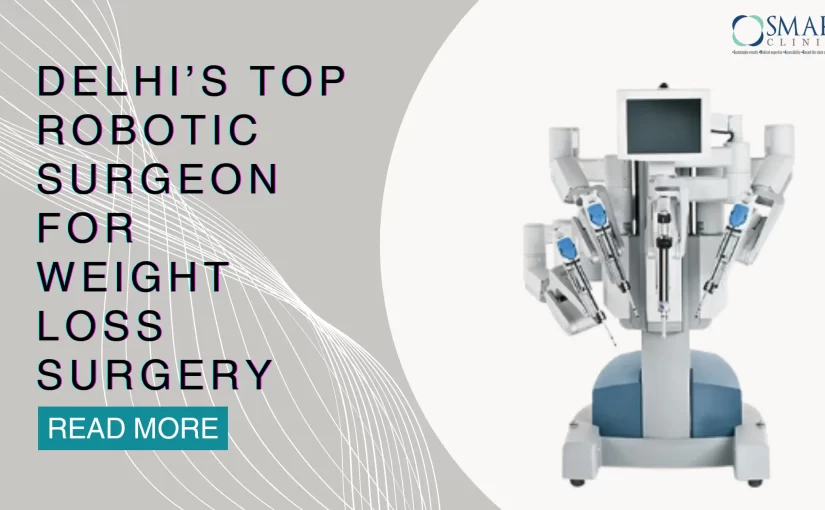
Delhi’s Top Robotic Surgeon for Weight Loss Surgery

In the heart of India’s bustling capital, Delhi, a revolution in weight loss surgery is underway. Robotic surgery, once a futuristic concept, has become a reality, offering patients a more precise and minimally invasive approach to achieving their weight loss goals.

When envisioning surgical options, the traditional image of a large incision and handheld instruments might come to mind. However, in recent decades, the field has dramatically evolved with the advent of minimal access surgery. This innovative approach, which requires only a few tiny incisions, has largely supplanted the more invasive open procedures. Among these advancements are laparoscopic surgeries, which utilize a telescope and specialized instruments, and, more recently, the sophisticated world of robotic-assisted surgery.

What is Robotic surgery?

Robotic surgery, often referred to as robot-assisted surgery, merges cutting-edge robotic precision with the skilled touch of human surgeons, resulting in markedly improved patient outcomes. This advanced technique, which has been gaining momentum since its inception around 20 years ago, has seen an exponential rise in adoption among surgeons and hospitals alike.

The origins of robotic surgery trace back to the 1980s when the pioneering PUMA 560 robotic system made its debut in neurosurgical biopsies. However, it was the introduction of the Da Vinci Surgical System by Intuitive Surgical that truly revolutionized minimally invasive surgery. This state-of-the-art robotic platform offers unparalleled dexterity, precision, and 3D visualization, transforming the landscape of surgical procedures.

Today, virtually all surgeries that were once performed via laparoscopy can now be executed with even greater accuracy through robotic assistance. As the popularity of robotic surgery continues to soar, it’s crucial to choose the best robotic surgeon in Delhi for your weight loss journey.

Why consider robotic surgery for weight loss?

Robotic surgery systems consist of a console where the surgeon sits, a robotic arm system equipped with surgical instruments, and a high-definition 3D camera. The surgeon controls the robotic arms using hand and foot controls at the console, translating their movements into precise actions by the robotic system. The advanced technologies allow surgeons to perform intricate procedures with greater control and accuracy.

Advantages of Robotic Bariatric Surgery for Weight Loss

Robotic weight loss surgery, also known as robotic bariatric surgery, offers several advantages over traditional open surgery. These include:

Smaller incisions

Robotic surgery often requires smaller incisions, leading to reduced pain, minimal scarring, and a quicker recovery. This advanced surgical approach enables surgeons to carry out complex procedures with precision, allowing you to return to your daily activities sooner compared to traditional major surgery.

Enhanced precision

The robotic surgical system enhances precision and control during procedures, significantly minimizing the risk of complications and improving overall surgical outcomes. By offering detailed, high-definition visualization and allowing for finely tuned, dexterous movements, the robotic technology enables surgeons to perform complex maneuvers with greater accuracy. This heightened precision reduces the likelihood of inadvertent damage to surrounding tissues and structures, leading to fewer postoperative issues and a higher success rate.

3-D Visualization

The remarkable advantages of robotic surgery stem from its cutting-edge 3D visualization and the versatile movement of its robotic arms. These arms can rotate a full 360 degrees, offering a magnified, three-dimensional view of the surgical area. This enhanced perspective allows for meticulous tissue dissection and precise control over bleeding. The robotic arms can maneuver into tricky spots that might be challenging for a surgeon’s hands to reach, all while eliminating the usual hand tremors. This clarity and precision mean fewer complications and a faster recovery for patients. Thanks to the high-definition 3D camera, surgeons get a detailed, enlarged view of the surgical site, making it easier to make well-informed decisions throughout the procedure.

Shorter hospital stays

Patients who undergo robotic weight loss surgery usually experience a shorter hospital stay than those who have open surgery. The minimally invasive approach of robotic surgery leads to minimal tissue damage, reduced post-operative pain, and a faster recovery, allowing patients to return home sooner.

Faster recovery post-discharge

Robotic surgery offers patients the distinct advantage of shorter hospital stays, and faster recovery times compared to traditional open surgeries. This innovative approach is particularly well-suited for procedures involving pelvic organs, such as the rectum, uterus, prostate, and kidneys, as well as complex abdominal hernias.

Future of Robotic Surgery for Weight Loss

The future of robotic surgery is brimming with potential, with advancements in miniaturization, increased autonomy, and expanded applications across various medical specialties on the horizon. As technology continues to evolve, the integration of robotics into surgical practices holds immense promise for improving patient outcomes and advancing the field of medicine.

In simpler terms, robotic surgery is akin to having a highly-skilled, super-precise assistant working alongside your surgeon. This collaborative approach can result in less invasive procedures and potentially faster recoveries. It is a synergistic confluence of human expertise and cutting-edge technology, meticulously engineered to optimize patient outcomes and elevate the standard of care.

Qualities of a top robotic bariatric surgeon

Selecting the right Robotic bariatric surgeon involves a thoughtful and thorough evaluation. Here’s a refined approach to ensure you make the best choice:

  • Experience and Qualifications: Seek a surgeon with extensive experience and advanced training in bariatric procedures and robotic surgery. Their credentials should reflect a high level of specialization and expertise in the field.
  • Success Rates and Procedure Range: Examine the surgeon’s success rates and the variety of bariatric surgeries they offer. This insight will help you gauge their proficiency and the suitability of their techniques for your specific needs.
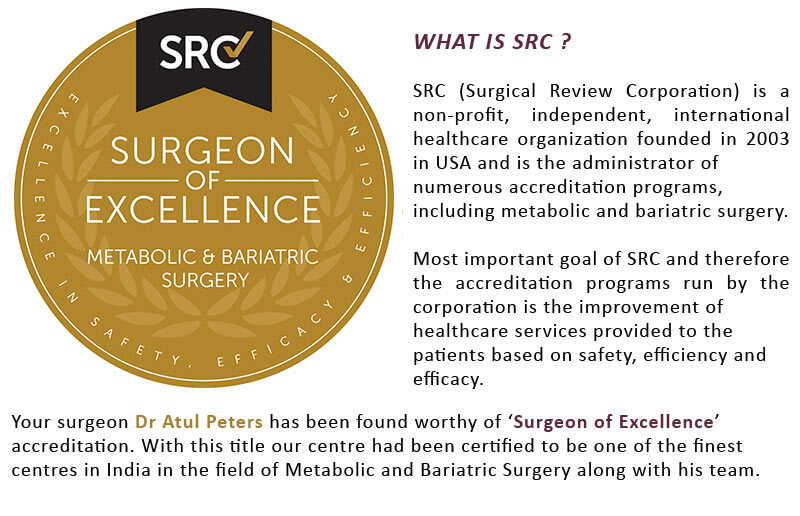
  • Accredited Facilities: Choose a surgeon affiliated with highly reputable surgical societies and accredited hospitals or surgical centers. This affiliation indicates adherence to stringent quality standards and a commitment to excellent patient care.
  • Comprehensive Care Services: Opt for a center that provides a complete spectrum of care, including thorough pre-operative assessments, expert surgical intervention, tailored nutritional guidance, and comprehensive post-operative support.
  • Multidisciplinary Team: Ensure the center employs a dedicated team of specialists, including a bariatric surgeon and well-trained surgical team, bariatric nurse practitioner, bariatric dietitians, and program coordinators. A cohesive team approach is vital for achieving optimal results and delivering thorough patient support.
  • Success Stories and Testimonials: Confirm that both the center and the surgeon have relevant accreditations and a proven history of successful outcomes in metabolic surgery. Review patient feedback and success rates to assess their effectiveness and patient satisfaction.

By carefully evaluating these criteria, you’ll be well-positioned to choose a surgeon and center that aligns with your goals for a successful and supportive bariatric surgery experience.

The journey to weight loss success

The journey to weight loss success begins with a consultation with a qualified robotic bariatric surgeon. During the consultation, the surgeon will assess your overall health, weight loss goals, and suitability for robotic surgery. They will also discuss the procedure, potential risks, benefits, and recovery process.

Pre-surgery consultations and preparations

Before the surgery, as per your health condition, you might undergo various tests and assessments to ensure your overall health and suitability for the procedure. These may include blood tests, a physical examination, and potentially a psychological evaluation.

Post-surgery care and lifestyle changes

After the surgery, you will need to follow a strict post-operative care plan to ensure proper healing and recovery. This may involve dietary modifications, medication, and regular follow-up appointments with your surgeon.

It’s important to note that weight loss surgery is just the first step in achieving your weight loss goals. Long-term success hinges upon ongoing lifestyle changes, including a healthy diet, regular exercise, and behavior modification.

Conclusion

The robotic surgical system has been successfully employed in hundreds of thousands of procedures worldwide. Robotic bariatric surgery, as an advanced, minimally invasive technique, provides several advantages over traditional laparoscopic bariatric surgery. These benefits include a lower risk of complications such as gastrointestinal leaks and wound infections, a shorter hospital stay, and a decreased likelihood of requiring follow-up surgeries or converting to traditional open surgery.

Choosing the best robotic surgeon in Delhi for weight loss surgery can significantly impact your journey to a healthier, happier life.

By considering the factors outlined in this blog, you can make an informed decision and partner with a skilled surgeon who can guide you toward your weight loss goals.

Schedule a consultation today with the best robotic bariatric surgeon in Delhi and take the first step toward a healthier, more fulfilling future.

Reference Links

  1. https://www.atulpeters.com/other-surgeries/robotic-surgery
  2. https://asmbs.org/
  3. https://www.facs.org/
  4. https://www.nejm.org/
  5. https://jamanetwork.com