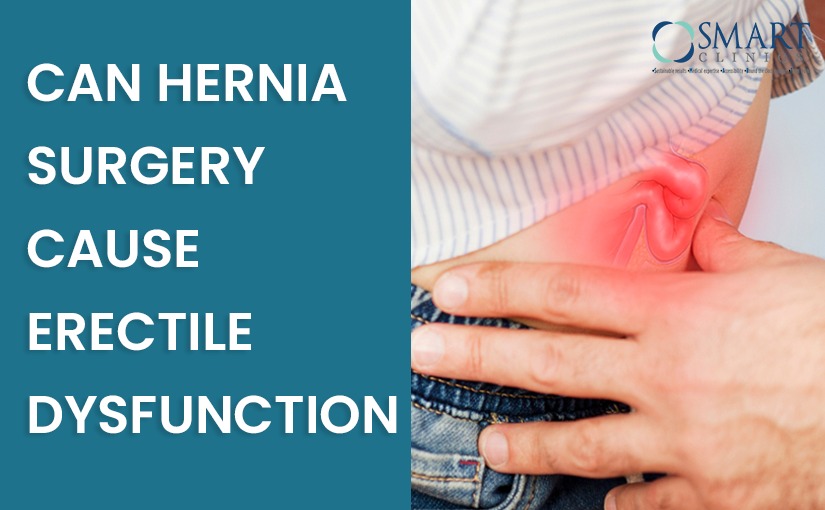
Can Hernia Surgery cause Erectile Dysfunction?

If you’re facing hernia surgery, one question that may be on your mind is: Can hernia surgery cause erectile dysfunction? It’s a concern that many patients have, but fortunately, the answer isn’t as complicated as it seems. As a Hernia Surgeon in Delhi, I’ve worked with many patients who have shared similar worries. Today, I want to help you understand the relationship between hernia surgery and erectile dysfunction, providing you with clear, helpful insights to ease your concerns.

What is a Hernia and Why is Surgery Often Necessary?

A hernia occurs when an organ or tissue pushes through a weak spot in the surrounding muscle or connective tissue. Common types of hernias include inguinal (groin), umbilical, incisional, and hiatal hernias. If you experience a hernia, especially in the abdominal or groin area, surgery is often recommended to avoid complications, such as strangulation or obstruction of the intestines.

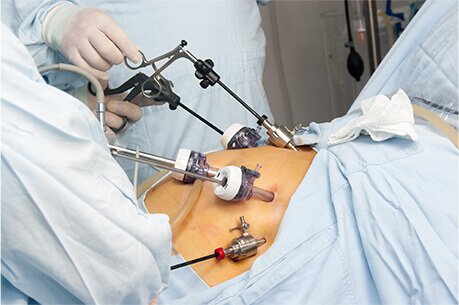
The most common surgical approach is a procedure called hernioplasty or hernia repair surgery, which can be done through traditional open surgery ora minimally invasive robotic and laparoscopic approach. Both methods are aimed at reinforcing the weakened area of the abdominal wall and preventing the hernia from recurring.

However, when any surgery is performed in the lower abdomen or groin area, concerns about potential complications, such as erectile dysfunction, often arise.

Can Hernia Surgery Cause Erectile Dysfunction?

Now, let’s address the big question: Can hernia surgery cause erectile dysfunction? The short answer is: it’s rare, but it’s possible. Let’s break this down further.

1. The Role of Nerves in Hernia Surgery

Erectile dysfunction (ED) refers to the inability to achieve or maintain an erection sufficient for sexual intercourse. The cause of ED can be physical, psychological, or a combination of both.

In the case of lower abdominal hernia surgery, the concern about ED arises from the proximity of certain nerves that control sexual function. Specifically, the genital branch of the genitofemoral nerve, which supplies sensation to the groin and penis, runs through the area where lower abdominal hernia surgery is typically performed. In some rare cases, if these nerves are damaged or irritated during the procedure, it can lead to temporary or, in very rare cases, permanent erectile dysfunction.

However, it’s important to note that the risk of this happening is extremely low when the surgery is performed by a skilled and experienced Hernia Surgeon in Delhi like myself. During surgery, we take great care to avoid damaging these important nerves. Furthermore, the laparoscopic technique for hernia surgery, which uses smaller incisions and specialized instruments, tends to reduce the risk of nerve damage and complications, including erectile dysfunction.

2. Impact of Anesthesia on Erectile Function

Another consideration when it comes to hernia surgery and erectile dysfunction is the use of anesthesia. During surgery, general anesthesia or regional anesthesia is used to keep you comfortable and pain-free. While anesthesia is crucial for the success of the procedure, it can temporarily affect nerve function and circulation.

For example, some men may experience transient erectile dysfunction after surgery due to the effects of anesthesia on the nervous system or blood flow. This is typically a very short-term issue that resolves on its own within a couple of days as the body fully recovers from the anesthesia.

3. Post-Surgery Recovery and Erectile Function

After hernia surgery, it’s common to experience some discomfort, swelling, or bruising around the surgery site. These symptoms are generally temporary and subside as the body heals. However, the physical and emotional stress of recovering from surgery can also affect sexual health temporarily.

The key here is patience and communication with your doctor. For most patients, erectile dysfunction is not a long-term issue, and with time and proper care, sexual function typically returns to perfectly normal. Once the hernia is repaired and the body has healed, many men experience improvements in their sexual health due to the relief from hernia pain and discomfort.

How to minimize the Risk of Erectile Dysfunction After Hernia Surgery

While the risk of erectile dysfunction after hernia surgery is relatively very low, there are a few steps you can take to minimize the chance of complications and ensure a smooth recovery. Here are some tips:

1. Choose a Skilled Hernia Surgeon

One of the most important factors in preventing complications after hernia surgery, including erectile dysfunction, is choosing a highly skilled and experienced Hernia Surgeon in Delhi. A surgeon with experience and expertise in performing hernia repairs will understand the anatomy and risks involved and will take great care to avoid nerve damage and other complications.

2. Follow Post-Surgery Care Instructions

After surgery, it’s essential to follow the post-operative care instructions provided by your surgeon. This includes taking prescribed medications, avoiding heavy lifting or strenuous activity, and attending follow-up appointments. Proper recovery minimizes the risk of complications and ensures that your body heals properly.

3. Be Patient and Communicate with Your Doctor

As with any surgery, recovery from hernia surgery can take time. If you experience any changes in sexual function after surgery, it’s important to be patient and communicate openly with your doctor. In most cases, erectile dysfunction after hernia surgery is temporary and resolves as the body heals.

If the issue persists beyond the expected recovery period, your Surgeon can investigate further and recommend appropriate treatments to address the issue.

4. Maintain a Healthy Lifestyle

Maintaining a healthy lifestyle can also help improve your recovery and prevent complications like erectile dysfunction. Eating a balanced diet, exercising regularly, and managing stress can all promote better circulation, nerve health, and overall well-being, which in turn supports sexual health.

When Should You Be Concerned about Erectile Dysfunction After Hernia Surgery?

While temporary erectile dysfunction is not uncommon after surgery, there are a few signs that may indicate a more serious issue that requires medical attention. If you experience any of the following, you should reach out to your Surgeon:

  • Persistent erectile dysfunction that lasts beyond the typical recovery period.
  • Pain or discomfort in the groin or pelvic area that affects sexual function.
  • Difficulty achieving or maintaining an erection despite other efforts to recover.

In these cases, your doctor may recommend additional tests or treatments to address the underlying cause of erectile dysfunction.

Conclusion

If you’re concerned about erectile dysfunction or any other complications related to hernia surgery, it’s important to speak openly with your surgeon. Communication is key to ensuring a smooth recovery and addressing any concerns you may have. At the end of the day, hernia surgery is intended to improve your quality of life by resolving the pain and discomfort caused by the hernia. If you’ve been living with hernia pain, the surgery may be the solution you’ve been waiting for. If you’re considering surgery or if you have more questions about the process, don’t hesitate to reach out to a trusted Hernia Surgeon in Delhi. I’m here to help you every step of the way, ensuring that you get the best care and experience the fastest recovery possible.
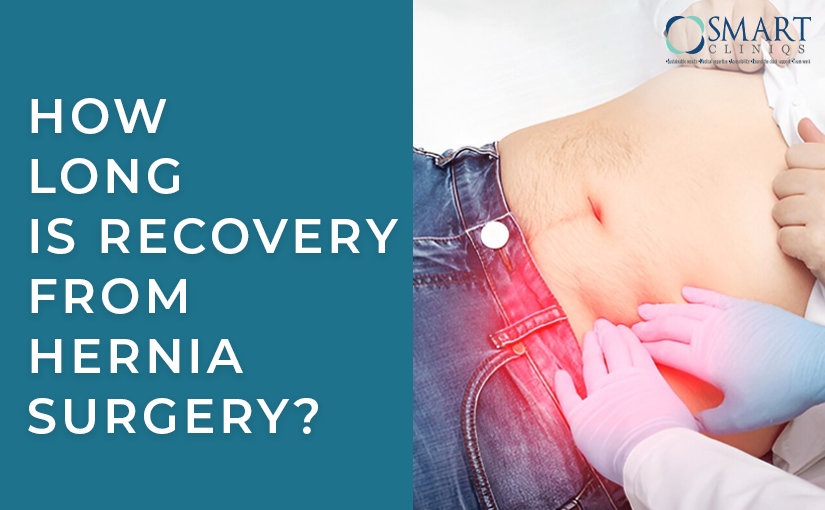
How long is the Recovery from Hernia Surgery?

Hernia surgery is a standard procedure that helps alleviate the pain and discomfort associated with a hernia. While the surgery itself is generally straightforward, many patients wonder, “How long is recovery from hernia surgery?” The answer to this question depends on several factors, including the type of hernia, the type of surgery performed, and the patient’s overall health.

In this blog, we will explore the recovery process following hernia surgery, what you can expect during your recovery, and how you can speed up the healing process. We will also discuss the role of a Hernia Surgeon in Delhi in ensuring that your recovery goes smoothly and effectively.

What is a Hernia?

A hernia occurs when an organ or fatty tissue pushes through a weak spot in the surrounding muscle or connective tissue. Hernias can occur in different parts of the body, but they are most common in the abdominal area. There are several types of hernias, including:

  • Inguinal hernia: Occurs in the groin area.
  • Umbilical hernia: Occurs around the belly button.
  • Hiatal hernia: Occurs when part of the stomach pushes up through the diaphragm.
  • Incisional hernia: Occurs through a previous surgical incision.

Hernias can cause discomfort, pain, and other complications if left untreated, which is why surgery is often required to repair the hernia and prevent further issues.

What is Hernia Surgery?

Hernia surgery is performed to repair the opening or weakness in the muscle or tissue wall that caused the hernia. The surgery can be performed using two main techniques:

  1. Open surgery: Involves making a large incision to access and repair the hernia.
  2. Laparoscopic surgery: A minimally invasive procedure where small incisions are made, and a camera and specialized instruments are used to repair the hernia.

Both techniques are effective, but laparoscopic surgery typically offers a quicker recovery time and less postoperative pain compared to open surgery.

How long is the Recovery from Hernia Surgery?

The recovery time for hernia surgery can vary based on several factors, including the type of surgery, the location of the hernia, and the patient’s overall health. Here is a breakdown of what you can expect during the recovery process:

1. Immediate Recovery (First 24 to 48 Hours)

After your surgery, you will spend a few hours in the recovery room where medical staff will monitor you closely. The anesthesia will wear off, and you will begin to feel the effects of the surgery.

  • What to Expect: You may experience some discomfort, bruising, and swelling around the incision site. For most patients, this can be managed with prescribed pain medication and rest.
  • Activity Level: You will be encouraged to get up and move around gently after the surgery, as this can help prevent complications such as blood clots. However, it’s important to avoid any strenuous activity during the first 24 to 48 hours.

2. First Week Post-Surgery

In the first week following your hernia surgery, you should focus on rest and following your Hernia Surgeon’s post-operative care instructions. During this period, you will gradually start to feel better, but it is crucial to avoid activities that can strain your body.

  • What to Expect: You may experience mild to moderate pain around the incision area, but this should gradually improve over the week. Swelling and bruising are also common during this time.
  • Activity Level: You should avoid lifting heavy objects or doing any strenuous physical activity. Light walking is encouraged to help improve circulation and prevent complications.

3. Two to Four Weeks Post-Surgery

By the second to fourth week of recovery, most patients start feeling significantly better. The pain and swelling should begin to subside, and you will be able to engage in more activities.

  • What to Expect: While you may still experience some discomfort or tightness around the incision site, the pain should be manageable. Any bruising should be gone, and the swelling should decrease.
  • Activity Level: During this period, your Hernia Surgeon will likely clear you to resume light activities, but you should still avoid heavy lifting or any movements that could strain the abdominal muscles. It is important to continue following your surgeon’s advice regarding activity restrictions.

4. Four to Six Weeks Post-Surgery

Most patients can return to work or normal daily activities within four to six weeks, depending on the type of surgery they had and their physical condition before the surgery. During this time, you should continue to follow your surgeon’s recommendations for physical activity and recovery.

  • What to Expect: Any residual pain or discomfort should be minimal at this stage. However, you may still feel some tightness or mild soreness, especially if you move too quickly or engage in strenuous activities.
  • Activity Level: You can begin gradually increasing your activity levels, but it is still important to avoid any heavy lifting or strenuous physical activities for a few more weeks. If you had laparoscopic surgery, your recovery time may be shorter, and you may be able to return to normal activities sooner.

5. Full Recovery (Up to Three Months)

While you may feel significantly better within the first few weeks, full recovery from hernia surgery can take up to three months. During this period, your body will continue to heal, and the muscles and tissues will strengthen.

  • What to Expect: By three months, most patients experience no significant pain or discomfort. The incision site should be fully healed, and any swelling should be gone. You should also feel stronger and more active.
  • Activity Level: At this stage, you can resume all normal activities, including exercise and heavy lifting, with approval from your Hernia Surgeon. It is important to continue any recommended rehabilitation exercises to strengthen the abdominal muscles and avoid further injury.

Factors That Affect Recovery Time

The time it takes to recover from hernia surgery can vary based on several factors:

  • Type of surgery: Laparoscopic surgery typically has a shorter recovery time compared to open surgery.
  • Location and size of the hernia: Larger or more complex hernias may require a longer recovery period.
  • Age and overall health: Younger patients and those in good health generally recover faster than older patients or those with other health conditions.
  • Post-operative care: Following your surgeon’s instructions for wound care, physical activity, and medication is essential for a smooth recovery.

How to Speed Up Your Recovery

While recovery from hernia surgery can take time, there are several steps you can take to speed up the healing process:

  • Follow your surgeon’s instructions: Be sure to follow all post-surgical instructions provided by your Hernia Surgeon. This includes taking prescribed medications, keeping your incision site clean, and attending follow-up appointments.
  • Eat a healthy diet: Eating a nutritious diet rich in vitamins, minerals, and protein can help speed up healing. Focus on foods that promote tissue repair, such as lean meats, vegetables, fruits, and whole grains.
  • Stay hydrated: Drinking plenty of water can help prevent constipation and promote overall healing.
  • Rest and avoid stress: Getting plenty of rest and avoiding physical strain is crucial for recovery. Don’t rush back to work or other activities until you’re fully cleared by your surgeon.
  • Engage in light physical activity: After the initial recovery period, gentle exercises like walking can improve circulation and help with healing.

When Should You Contact Your Surgeon?

While mild discomfort and swelling are normal after surgery, certain signs may indicate complications. You should contact your Hernia Surgeon if you experience:

  • Severe or worsening pain
  • Excessive swelling or redness at the incision site
  • Fever or chills
  • Difficulty urinating or a change in bowel movements
  • Unusual discharge from the incision site

Conclusion

In conclusion, the recovery time from hernia surgery can vary from person to person, but most patients can expect to resume normal activities within 4 to 6 weeks, with full recovery taking up to three months. The type of surgery, the location of the hernia, and the individual’s overall health all play a role in the healing process.

If you’re considering hernia surgery, it is important to consult with an experienced Hernia Surgeon in Delhi who can provide personalized care and guide you through the recovery process. By following the recovery instructions, eating a balanced diet, staying hydrated, and getting plenty of rest, you can ensure a smooth recovery and enjoy a pain-free life after surgery.