What Is Robotic Surgery? How It Works, Types and Who It Suits

“Robotic surgery” sounds like a machine doing the operation. In reality, a surgeon does it from start to finish, using a robotic system as a very precise set of hands and eyes.

This blog explains what robotic surgery is, how the system works, where it is used and what its limits are, so you can understand it before you or a family member are advised to consider it.

What is robotic surgery?

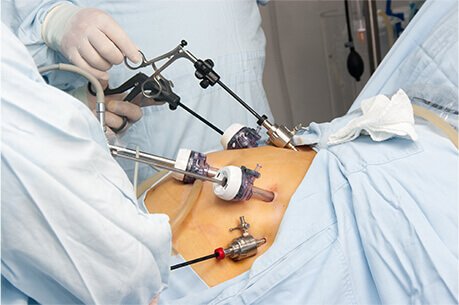
Robotic surgery, also called robot-assisted surgery, is a form of minimally invasive surgery. The operation is done through a few small cuts, not one large incision. The surgeon sits at a console and controls slim instruments that move inside the body.

The robot cannot act on its own. It has no independent decision-making, and every movement follows the surgeon’s hand and foot controls.

How robotic surgery works: the main components

A typical system has three parts.

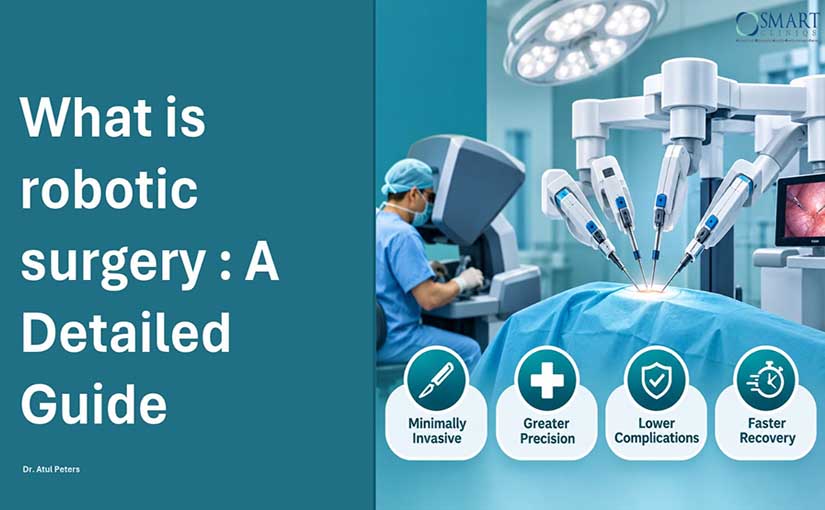
  • Surgeon console: The surgeon sits here, looking into a viewer that shows a magnified, high-definition 3D image. Hand controls and foot pedals direct the instruments.
  • Patient-side robotic arms: Several arms hold the camera and instruments, which enter the body through small ports. The instruments have wrist-like joints that bend and rotate more than a human wrist can.
  • Vision system: A camera and light source send the 3D view to the console. A second screen lets the operating team follow the surgery.

The system also scales down the surgeon’s movements, so a larger hand motion becomes a small, steady one inside the body. It filters out natural hand tremor as well.

A short history

Robot-assisted surgery began in the 1980s. In 1985, an industrial robot arm called the PUMA 560 was used to guide a needle during a brain biopsy. Through the 1990s, early systems were developed for orthopaedic and prostate procedures. In 2000, the da Vinci system received US FDA clearance for general laparoscopic surgery, which brought robotic surgery into everyday hospital use. Several platforms are available today.

Types of robotic surgery and where it is used

Robots are used across many specialties. Which operations a surgeon offers depends on their own training and field.

  • General and gastrointestinal surgery: hernia repair, gallbladder removal, appendix surgery, colon and rectal surgery, anti-reflux surgery and bariatric surgery
  • Urology: prostate removal, kidney surgery and repair of the urine outflow from the kidney
  • Gynaecology: hysterectomy, myomectomy and endometriosis surgery
  • Thoracic and cardiac surgery: lung resections and some heart valve repairs
  • Head and neck surgery: certain throat and thyroid procedures
  • Orthopaedics: knee and hip replacement systems that guide bone cuts, which work differently from a surgeon-console robot

At Max Smart Super Speciality Hospital, Saket, robotic surgery is used for abdominal and gastrointestinal conditions. You can read about robotic surgery in Delhi, hernia surgery and gallbladder surgery for specific procedures.

Benefits of robotic surgery

  • Clear 3D view: Magnification helps the surgeon see fine structures.
  • Precise movement: Wristed instruments and steady motion help in tight spaces, such as the pelvis.
  • Smaller incisions: Many patients have less pain and less scarring than with open surgery.
  • Shorter recovery: Hospital stay is often shorter, and many patients return to routine sooner.
  • Less strain on the surgeon: The seated position and comfortable controls help in long operations.

Limits and risks

Robotic surgery is not better for every patient or every operation.

  • Most systems do not give the surgeon a sense of touch, so the surgeon relies on vision.
  • Setting up the system adds time at the start of the operation.
  • The equipment makes the treatment more costly in many hospitals.
  • For some operations, studies show results similar to standard keyhole surgery.
  • As with any surgery, there are risks such as bleeding, infection and injury to nearby organs. Sometimes the surgeon needs to convert to open surgery for safety.

Safety depends mostly on the surgeon’s training and the operation chosen, not the machine alone.

Robotic vs laparoscopic vs open surgery

  • Open surgery: One longer incision and direct view. It is still the safest choice in some emergencies and very complex cases.
  • Laparoscopic surgery: Small incisions, a camera and straight instruments held by hand. It gives a 2D view and has less freedom of movement.
  • Robotic surgery: Small incisions with a 3D view and wristed instruments. It adds precision in complex areas, at a higher equipment cost.

For many routine operations, laparoscopic and robotic surgery give comparable results. The robot tends to help most where the work is delicate or the space is narrow.

For procedure-specific comparisons, see laparoscopic vs robotic cholecystectomy and bariatric surgery with laparoscopic and robotic techniques.

Who may benefit from robotic surgery

Your surgeon may suggest it if you have:

  • A complex or recurrent hernia
  • Previous abdominal surgery with scar tissue
  • A high body weight, where instruments need extra reach and control
  • A condition needing surgery deep in the pelvis
  • A need for fine suturing or reconstruction

It may be unnecessary for simple operations where laparoscopic surgery works equally well.

Questions to ask your surgeon

  • Why is robotic surgery suited to my case, compared with the alternatives?
  • How many of these operations have you performed robotically?
  • What are the risks, and when would you switch to open surgery?
  • What will my recovery look like, and what is the expected cost?

Frequently Asked Questions

Q. Does the robot perform surgery on its own?
A. No. The surgeon controls every movement from the console. The robot does nothing without the surgeon’s input.

Q. Is robotic surgery safe?
A. It is widely used and considered safe when performed by a trained surgeon for a suitable operation. Risks are similar to those of other minimally invasive surgery.

Q. Is robotic surgery better than laparoscopic surgery?
A. Not always. It offers advantages in complex or confined areas. For simpler operations, results are often similar.

Q. Is robotic surgery more expensive?
A. Often yes, because of the equipment. Costs vary by hospital and procedure, so ask for an estimate and check what your insurance covers.

The bottom line

Robotic surgery is a tool that gives a trained surgeon better vision and finer control through small incisions. It suits some operations and patients very well and offers little extra in others. Ask your surgeon why it is, or is not, the right approach for your condition.
Hiatal Hernia: Symptoms, How It Differs from GERD and When Surgery Is Needed

Many people hear “hernia” and picture a bulge in the groin or near the navel. A hiatal hernia is different. It happens inside the body, so there is nothing to see or feel from outside, and it is often found only when someone is tested for heartburn or chest discomfort.

This blog explains what a hiatal hernia is, how it relates to acid reflux (GERD), and when surgery is worth considering. It is also called a hiatus hernia, and both terms mean the same thing.

What is a hiatal hernia?

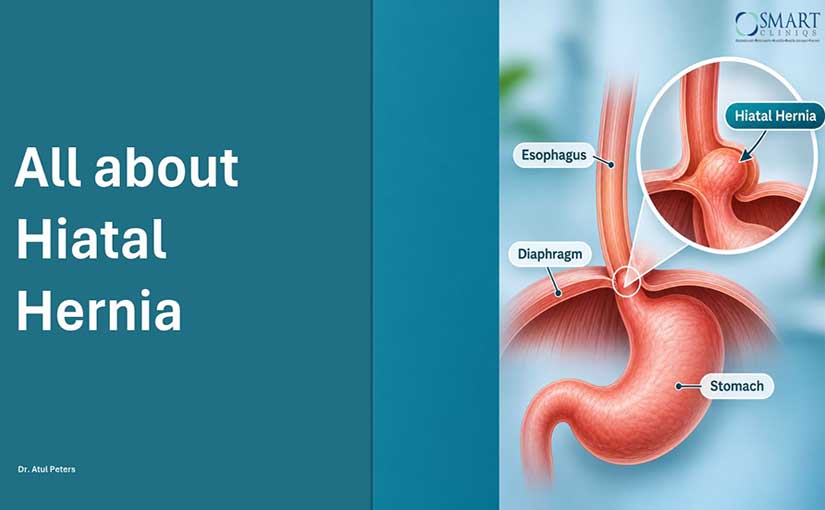
Your food pipe passes from the chest into the abdomen through a small opening in the diaphragm, the muscle that separates the two. This opening is called the hiatus. In a hiatal hernia, part of the stomach slides or pushes up through that opening into the chest.

Unlike a groin or umbilical hernia, it cannot be seen or pushed back by hand. If you are thinking of a hernia in the abdominal wall, see our page on hernia surgery in Delhi.

Types of hiatal hernia

  • Sliding (type I): The junction of the food pipe and stomach moves up and down through the hiatus. This is by far the most common type, and many people have no symptoms.
  • Paraesophageal (type II): The junction stays in place, but part of the stomach pushes up beside the food pipe. It is less common and more likely to cause problems.
  • Mixed (type III): A combination of the two.
  • Type IV: Other organs, such as the colon, also move into the chest. This is uncommon.

Causes and risk factors

The hiatus can widen or weaken with age. Pressure inside the abdomen adds to the strain. Common contributors include:

  • Obesity
  • Chronic coughing or long-term constipation and straining
  • Heavy lifting
  • Pregnancy
  • Smoking
  • Earlier surgery near the stomach or food pipe

Symptoms

Small sliding hernias often cause nothing at all. When symptoms appear, they include:

  • Heartburn, especially after meals or when lying down
  • Regurgitation of food or sour liquid
  • Belching and bloating
  • Feeling full quickly
  • Difficulty or discomfort when swallowing
  • Chest or upper abdominal discomfort

Large hernias, especially paraesophageal ones, may also cause breathlessness after meals, a sense of pressure in the chest, or low blood count from slow bleeding.

Chest pain can have a cardiac cause. If you have new chest pain, get it checked as a heart problem first.

When to get urgent help

Seek emergency care if you have sudden severe chest or abdominal pain, repeated vomiting with little coming up, or cannot swallow even liquids. These can mean the stomach has twisted or its blood supply is affected, which needs prompt treatment.

Hiatal hernia vs GERD

These two are often confused, but they are not the same.

  • A hiatal hernia is a physical change in position of the stomach.
  • GERD is a condition in which stomach acid flows back into the food pipe and causes symptoms.

A hiatal hernia can weaken the natural valve at the bottom of the food pipe and make reflux more likely. But many people with a hiatal hernia have no reflux, and many people with GERD have no hernia. Treatment depends on which problem is causing your symptoms. Read more in Reflux Reimagined.

How it is diagnosed

Your doctor may advise one or more of these:

  • Upper GI endoscopy to look at the food pipe and stomach directly
  • Barium swallow, an X-ray that shows the shape and position of the stomach
  • Manometry and pH testing to measure how well the food pipe works and how much acid reflux occurs

Treatment without surgery

Most people with a sliding hernia and mild symptoms are treated without an operation. Measures include:

  • Losing excess weight
  • Eating smaller meals and finishing dinner two to three hours before lying down
  • Raising the head of the bed
  • Stopping smoking
  • Medicines such as antacids or acid-reducing tablets, as prescribed

Medicines can control acid symptoms, but they do not repair the hernia.

When surgery is considered

Surgery may be advised if:

  • You have a paraesophageal hernia that causes symptoms
  • Reflux continues despite proper medical treatment, or you do not want long-term medicines
  • The hernia is large and causes breathlessness, trouble swallowing or anaemia
  • There are complications such as inflammation or narrowing of the food pipe

Guidelines from the Society of American Gastrointestinal and Endoscopic Surgeons advise repair for symptomatic paraesophageal hernias (Surgical Endoscopy, 2013). For small sliding hernias without symptoms, no operation is needed.

Hiatus hernia surgery in Delhi: what the operation involves

Hiatal hernia repair is usually done by keyhole or robotic-assisted surgery through small incisions. At Max Smart Super Speciality Hospital, Saket, Dr. Peters performs these procedures. The steps are:

  • The stomach is gently brought back down into the abdomen.
  • The hernia sac is removed.
  • The widened opening in the diaphragm is closed with stitches, and a mesh is sometimes added for large defects.
  • A fundoplication is often done, where the top of the stomach is wrapped around the lower food pipe to rebuild the valve against reflux.

You can read about this step on our fundoplication page and in GERD surgery in Delhi.

Recovery and risks

Most patients stay in hospital for a day or two. A soft diet is followed for the first few weeks, and swallowing may feel snug at first before settling. Many people return to desk work within about two weeks, though this varies.

Possible risks include bleeding, infection, temporary difficulty swallowing, bloating from trapped gas, and recurrence of the hernia over time. Injury to nearby organs is rare.

If you also have obesity

Obesity increases both reflux and the chance of a hiatal hernia returning. If you are considering weight loss surgery, the choice of operation matters, because a sleeve gastrectomy can worsen reflux in some people while gastric bypass often improves it. A hiatal hernia can sometimes be repaired during the same operation. See the weight loss surgery overview.

Frequently Asked Questions

Q. Is hiatal hernia the same as GERD?
A. No. A hiatal hernia is a change in the position of the stomach. GERD is acid reflux. One can lead to the other, but they can also occur separately.

Q. Can a hiatal hernia go away on its own?
A. No, it does not close by itself. Many small ones cause no trouble and need no treatment, while symptoms can be controlled with lifestyle changes and medicine.

Q. Do I always need surgery for a hiatal hernia?
A. No. Surgery is mainly for symptomatic paraesophageal hernias, reflux that does not respond to treatment, and larger hernias with complications.

The bottom line

A hiatal hernia is common, often silent and frequently managed without surgery. If you have ongoing heartburn, trouble swallowing or other symptoms, a proper assessment will show whether a hernia is the cause and which treatment suits you.

Weight Regain After Bariatric Surgery: Causes, Prevention and Revision Options

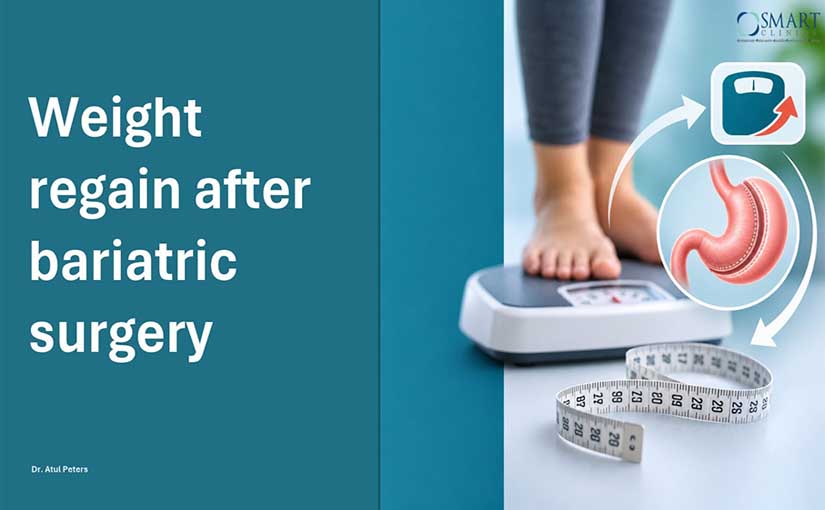
Many people are surprised to find that, a few years after bariatric surgery, the scale has started to creep up. If this has happened to you, you are not alone, and it does not mean the surgery failed or that you failed.

Obesity is a chronic, relapsing condition, and the body works to defend its weight. This blog explains what is normal, why regain happens, what you can do and when revision surgery is considered.

Is some weight regain normal?

Yes. Weight usually reaches its lowest point (nadir) one to two years after surgery. In LABS-2, a study of 1,406 gastric bypass patients, regain was fastest in the first year after the nadir and then slowed. Five years on, patients kept about 73% of their maximum weight loss on average (King et al., JAMA, 2018).

Definitions vary, with reported regain rates from about 6% to over 75% (ASMBS POWER Task Force, 2022). The 2024 IFSO consensus defines recurrent weight gain as regaining more than 30% of the initial weight loss, or a returning major complication such as type 2 diabetes.

Why weight comes back

Regain rarely has one cause. The common ones are:

Eating habits

  • Grazing through the day instead of eating planned meals
  • High-calorie liquids such as juice, shakes, sweet tea or alcohol, which pass through easily
  • Soft, refined foods such as biscuits, chips and white bread, sometimes called “slider foods”
  • Low protein intake, which leaves you hungry sooner

Body changes

  • Appetite hormones adapt over the years, and hunger slowly rises
  • The body burns fewer calories at a lower weight, and muscle loss lowers this further
  • In some people the sleeve or pouch enlarges, or a bypass connection stretches, allowing larger portions; its role is debated

Lifestyle and health

  • Less physical activity, long sedentary screen time, or loss of muscle
  • Poor sleep, long-term stress, depressive symptoms and unaddressed emotional eating
  • Medicines that raise weight, such as some steroids, antipsychotics, antidepressants and insulin
  • Medical conditions such as an underactive thyroid
  • Missed follow-up visits

Finding which of these applies to you is the first step.

How to prevent regain

The habits that helped you lose weight are the same ones that protect it.

  • Plan your meals. Aim for three small meals and one or two planned snacks, not constant nibbling.
  • Eat protein first. Aim for at least 60 g a day, up to 1.5 g per kg of ideal body weight, unless your team advises otherwise.
  • Limit sugary drinks and alcohol. After bypass, and likely after sleeve, alcohol reaches higher blood levels faster, and bypass raises the risk of alcohol use disorder.
  • Chew slowly and stop when full.
  • Stay active. Aim for 150 minutes of moderate activity a week, building towards 300, plus strength training two to three days a week.
  • Sleep and stress. Aim for seven hours of sleep and seek support if stress or low mood drives eating.
  • Weigh yourself once a week to catch a small rise early.
  • Keep your follow-up visits and supplements for life.

Our nutrition clinic and the post-surgery tips in Tips for Success After Weight Loss Surgery are good places to start.

When to get a review

See your bariatric team if:

  • Your weight has risen steadily over several months
  • You can eat much larger portions than before
  • Hunger has returned strongly
  • Diabetes, high blood pressure or sleep apnoea symptoms are coming back
  • You have new reflux, vomiting or pain when eating

Earlier is easier. A small regain is simpler to correct than a large one.

What a regain assessment involves

Your doctor will not assume the cause. A usual assessment includes:

  • A detailed history of your weight, eating, alcohol, activity, sleep and medicines
  • A review with a dietitian, and sometimes a psychologist
  • Blood tests, including blood sugar and thyroid, and imaging or endoscopy of the sleeve, pouch or connection if needed

Non-surgical options

  • Restarting structured nutrition and exercise support. Often this alone makes a difference when habits have drifted.
  • Behavioural therapy. Useful when emotional eating, stress or low mood drives regain.
  • Weight management medicines. IFSO consensus supports adding medicine when needed. In mostly retrospective, short-term studies, liraglutide, semaglutide and tirzepatide gave roughly 9% to 15% further weight loss, and benefits generally last only while treatment continues. We cover how these work in weight loss injections vs bariatric surgery.
  • Treating contributing conditions, such as thyroid disease or a weight-raising medicine.
  • Endoscopic treatment. After bypass, a widened connection can be tightened endoscopically, with modest weight loss and low complication rates.

When is revision bariatric surgery considered?

Revision surgery is a second operation that modifies or converts the first one. It is considered when non-surgical measures have failed, significant regain comes with returning health problems, or anatomy explains it, such as a stretched pouch. Evidence is limited, so decisions are individual.

Depending on the first procedure, options may include:

  • Converting a sleeve gastrectomy to a Roux-en-Y gastric bypass, preferred when reflux is present, or to a mini gastric bypass, which carries a higher bile reflux risk
  • Adding a band to a sleeve or bypass, as described under banded bariatric procedures
  • Revising an enlarged pouch or connection in a bypass

Revision is more complex than the first operation and carries a higher complication risk, so it is reserved for patients who clearly need it. At the department at Max Saket, patients with regain are assessed for both non-surgical and surgical options before any decision is made.

    Frequently Asked Questions

    Q. How much weight regain is normal after bariatric surgery?
    A. A small rise after the nadir is common. Regain above 30% of weight lost, or returning health problems, needs review.

    Q. Can I lose regained weight without another surgery?
    A. Often, yes, with nutrition support, exercise, treating causes, medicine and, after bypass, endoscopic treatment.

    Q. Is revision surgery safe?
    A. It carries more risk than a first operation, so it is considered only after full assessment and when other options have failed.

    Q. Does regain mean my surgery failed?
    A. No. Obesity is chronic, and surgery is an effective tool, not a permanent cure. Ongoing care is part of treatment.

    The bottom line

    Some regain after bariatric surgery is common and treatable. Planned meals, protein, activity, sleep and regular follow-up protect your results, and most people can recover lost ground without another operation. If weight keeps rising, a review with your bariatric team will identify the cause. See the weight loss surgery overview for how long-term care fits into treatment.

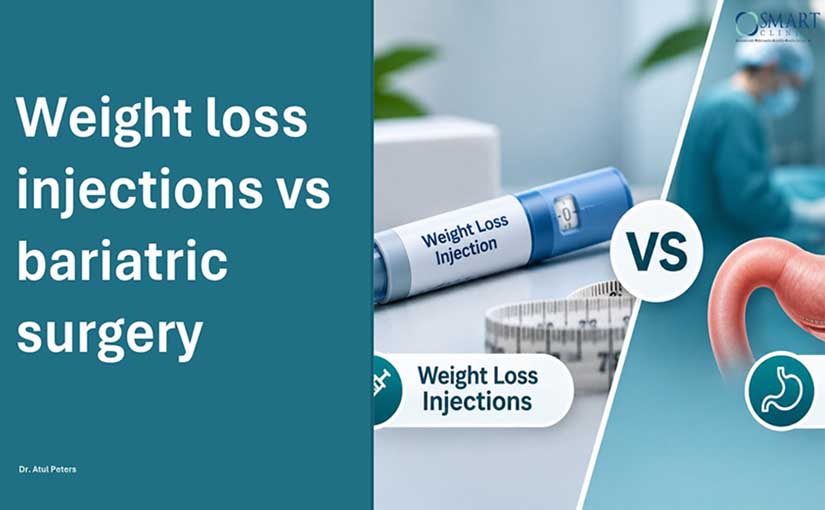
    Weight Loss Injections vs Bariatric Surgery: Which One Suits You?

    Weight loss injections have changed how many people in India think about obesity treatment. Semaglutide and tirzepatide are now available here, and one question comes up often in consultations: “Do I still need weight loss surgery?”

    The answer depends on how much weight you carry, your other health conditions and what you can sustain. These two treatments work in very different ways and suit different people. This blog explains how each one works, what results to expect, and how to choose which one is right for you.

    How weight loss injections work

    Semaglutide and tirzepatide are prescription medicines that mimic gut hormones released after a meal. Semaglutide mimics GLP-1. Tirzepatide mimics both GLP-1 and GIP. These hormones lower hunger, increase fullness, slow the emptying of the stomach and help the body release insulin when blood sugar rises.

    Both are given as a weekly injection under the skin. The dose is raised every few weeks, so it takes several months to reach the full dose, while weight comes down steadily.

    In the STEP 1 trial, semaglutide led to an average loss of about 15 percent of body weight over 68 weeks (New England Journal of Medicine, 2021). In SURMOUNT-1, tirzepatide at the highest dose led to about 21 percent over 72 weeks (New England Journal of Medicine, 2022). Individual results vary widely.

    How bariatric surgery works

    Bariatric surgery, also called metabolic and bariatric surgery, is a group of operations on the stomach and small intestine that treat obesity and obesity-related diseases such as type 2 diabetes. It is treatment for a disease, not cosmetic surgery.

    In a sleeve gastrectomy, about three-quarters of the stomach is removed, leaving a narrow tube that holds far less food. In a gastric bypass, a small stomach pouch is joined to a lower part of the small intestine, so food skips part of the stomach and upper gut. A bypass limits how much you can eat and reduces how much is absorbed.

    Both also change gut hormones, which lowers hunger, improves satiety and improves blood sugar and blood pressure control, often before much weight has been lost. Most procedures today are done by keyhole or robotic-assisted surgery.
    In a 12-year study of gastric bypass, average weight loss was about 27 percent, and 7 in 10 patients kept at least a 20 percent loss (New England Journal of Medicine, 2017). Results depend on the operation, your starting weight and how closely you follow your nutrition plan.

    What happens when you stop weight loss injections?

    This is the biggest practical difference. Injections work while you take them. In an extension of the STEP 1 trial, people who stopped semaglutide regained about two-thirds of the lost weight within a year (Diabetes, Obesity and Metabolism, 2022). For many people, treatment means long-term use.

    Surgery is a one-time operation. The effect continues without a weekly dose, although some weight regain can happen over the years, and lifelong follow-up and vitamin supplements are needed.

    Side effects and risks of weight loss injections and bariatric surgery

    Both options carry risks, and neither is a shortcut. These figures come from large studies, and most problems are manageable when caught early.

    Weight loss injections

    • Stomach and bowel symptoms are the most common. In STEP 1, about 44 percent on semaglutide had nausea, 32 percent diarrhoea, 25 percent vomiting and 23 percent constipation. With tirzepatide, 25 to 33 percent had nausea (SURMOUNT-1). Most were mild to moderate and eased with time. About 7 percent stopped semaglutide because of side effects, and 4 to 7 percent stopped tirzepatide.
    • Gallstones and other gallbladder problems affected about 2.6 percent on semaglutide versus 1.2 percent on placebo. Acute pancreatitis was rare.
    • Some lost weight can be muscle, so protein and strength exercise matter.
    • They are not suitable with a personal or family history of medullary thyroid cancer, or in pregnancy.

    Bariatric surgery

    • About 1 in 1,000 patients die and about 4 in 100 have a major complication, comparable to gallbladder surgery or appendix removal (ASMBS). In a national registry, bleeding occurred in about 0.7 percent, blood clots in 0.3 percent and a staple-line leak in 0.2 percent (Surgery for Obesity and Related Diseases, 2018).
    • A sleeve is usually not offered to people with significant acid reflux, and a bypass is preferred for them. In other patients, new reflux appeared after a sleeve in about 23 percent in one meta-analysis (Annals of Surgery, 2020), and it is often controlled with medicine.
    • Iron, vitamin B12, calcium and vitamin D can fall because less food is absorbed. Daily supplements and yearly blood tests prevent most shortages.
    • Hair thinning is common in the first months and usually recovers. Some patients regain part of the weight, and how much differs from person to person.

    Surgery carries risks from the operation itself. Injections carry ongoing risks from long-term use. Neither is safer in every case.

    Who are the candidates for weight loss injections?

    In India, these medicines are approved, with diet and exercise, for adults with a BMI of 30 or more, or 27 or more with at least one weight-related condition such as high blood pressure, type 2 diabetes or high cholesterol (CDSCO). They need a prescription.

    Injections are often a reasonable first step for people who:

    • Are below the surgical BMI range
    • Have a smaller amount of weight to lose
    • Are not fit for surgery right now and need to lose weight first

    Who are the candidates for weight loss surgery?

    The Obesity and Metabolic Surgery Society of India (OSSI) advises surgery for motivated adults aged 18 to 65 who have tried conservative weight loss and have a BMI above 37.5, or above 32.5 with type 2 diabetes or another obesity-related condition. Older patients may be considered with severe obesity-related illness.

    The 2022 ASMBS and IFSO guidelines recommend surgery at a BMI of 35 or more regardless of other conditions, and advise considering it at 30 to 34.9 with metabolic disease. For Asian adults, a BMI of 27.5 or more should be offered surgery.

    Your surgeon also looks at:

    • Severe or long-standing obesity
    • Type 2 diabetes, sleep apnoea or fatty liver linked to weight

    Check your BMI with the BMI calculator and read more on who qualifies for weight loss surgery.

    Can weight loss injections and bariatric surgery be combined?

    Yes, in selected patients, and timing matters. Before surgery, injections may be used in people with a very high BMI, which may make the operation technically easier. After surgery, they may be added if weight loss stalls or weight returns. Because these medicines slow stomach emptying, your anaesthesia team may ask you to pause them before an operation. Your surgeon and physician should plan any combination together.

    How to decide between weight loss injections and bariatric surgery

    A few questions help:

    1. How much weight do you need to lose, and what is your BMI?
    2. Do you have diabetes, sleep apnoea, fatty liver or joint problems?
    3. Are you willing to take a weekly injection for years if you choose medicines?
    4. Are you comfortable with an operation and lifelong supplements?
    5. What have you already tried?

    Your doctor can go through these with your test results and recommend an approach. The aim is the option you can sustain safely, not the quickest result.


    Frequently Asked Questions


    Q. Is weight loss surgery better than injections?
    A. Studies generally show greater and longer-lasting weight loss with surgery, but it involves an operation and lifelong follow-up. Injections avoid surgery but work only while taken. The right choice differs from person to person.

    Q. Do I have to stay on injections forever?
    A. Weight tends to return after stopping, so many people need long-term treatment. Your doctor will advise on how long.

    Q. Can I take injections after bariatric surgery? A. Sometimes, if weight loss stalls or weight returns. This is decided case by case.

    Q. Do injections work for diabetes too?
    A. Yes. Both medicines were first developed for type 2 diabetes and lower blood sugar while taken. Surgery can lead to remission. In the 12-year gastric bypass study, 51 percent of patients with diabetes were in remission, and remission is more likely when diabetes is recent.

    The bottom line

    Weight loss injections and bariatric surgery are two different treatment modalities, each suited to a different group of people. Injections generally suit people with a lower BMI, less weight to lose or who are not fit for surgery, and they work only while taken. Surgery suits people with severe or long-standing obesity or related disease, and offers longer-lasting results with lifelong follow-up. The choice is individual and depends on your BMI, health conditions, goals and preferences. A consultation with a bariatric specialist can help you weigh both. See the weight loss surgery overview for more on how the process works.