Sagging skin after significant weight loss is one of the most common concerns people face after undergoing bariatric surgery. While the surgery helps in achieving major health improvements and sustainable weight loss, many individuals notice loose or hanging skin in different parts of the body. This change can feel unexpected, but it is a natural response of the body adjusting to rapid fat loss. Understanding why this happens can help you manage expectations and take the right steps toward recovery and confidence.
If you are planning or have already undergone weight loss surgery, consulting an experienced Bariatric Surgeon in Delhi can help you better prepare for these changes. Proper guidance before and after surgery plays a crucial role in minimizing complications and improving overall outcomes, including managing sagging skin effectively.
Understanding Sagging Skin
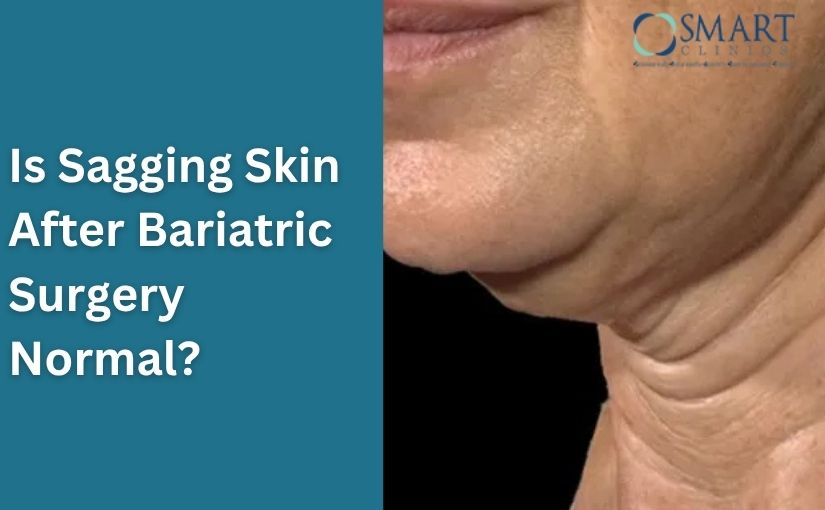
Sagging skin after bariatric surgery occurs when the skin loses its ability to retract after significant weight loss. Over time, the skin stretches to accommodate excess fat, and once that fat is reduced quickly, the skin may not shrink back completely. This leads to loose folds that can appear in different parts of the body. The degree of sagging varies from person to person, depending on factors like age, genetics, and the amount of weight lost.
Many individuals experience this as a normal phase of their transformation journey. While it may affect appearance, it is important to remember that it reflects the success of your weight loss efforts and improved health condition.
Key Points:
- Sagging skin is a common and expected outcome after major weight loss
- It is more noticeable after losing a large amount of weight quickly
- Skin elasticity plays a major role in how much tightening occurs
- Younger individuals may experience better skin recovery
- It can affect areas like the abdomen, arms, thighs, and face
Why Does Sagging Skin Happen?
1. Loss of Skin Elasticity
Skin elasticity depends on proteins like collagen and elastin, which keep the skin firm and flexible. When the body stretches for a long time due to excess weight, these proteins weaken and lose their strength. After weight loss, the skin cannot bounce back completely because its structural support has been compromised. This results in loose and hanging skin in different areas of the body.
2. Rapid Weight Loss
Bariatric surgery leads to quick and significant weight reduction, which does not give the skin enough time to adjust gradually. Unlike slow weight loss, where the skin adapts step by step, rapid fat loss leaves behind extra skin. The faster the weight loss, the higher the chances of noticeable sagging.
3. Amount of Weight Lost
The more weight a person loses, the more stretched the skin becomes over time. When a large amount of fat is reduced, the skin often cannot fully retract to match the new body size. This is why people who lose a significant amount of weight are more likely to experience sagging skin.
4. Age Factor
As we age, the body produces less collagen and elastin, which reduces skin elasticity. Younger individuals usually have tighter skin that adapts better after weight loss. Older individuals may notice more sagging because their skin has naturally lost some of its firmness over time.
5. Duration of Obesity
If a person has been overweight for many years, their skin has been stretched for a long period. This prolonged stretching weakens the skin’s ability to recover. The longer the skin remains stretched, the less likely it is to return to its original shape after weight loss.
Common Areas Affected by Loose Skin
After bariatric surgery, sagging skin can appear in several areas:
- Abdomen (most common)
- Arms (bat wings)
- Thighs
- Breasts
- Face and neck
Each person experiences it differently depending on body composition and genetics.
Is Sagging Skin Normal for Everyone?
While Is Sagging Skin After Bariatric Surgery Normal is a common concern, the answer varies slightly:
- Most people will experience some level of loose skin
- Not everyone will have severe sagging
- Genetics and lifestyle play a big role
So yes, it is normal—but the degree can differ.
How Much Sagging Skin is Too Much?
There is no fixed standard, but excessive sagging skin can:
- Cause discomfort or irritation
- Lead to skin infections (due to folds)
- Affect self-confidence
- Make physical activity difficult
If it starts affecting your quality of life, it may need medical attention.
Can Sagging Skin Go Away on Its Own?
In some cases, mild sagging may improve over time. However:
- Skin tightening naturally takes 12–24 months
- Severe loose skin usually does not go away completely
Patience is key, but realistic expectations are important.
Ways to Reduce Sagging Skin After Bariatric Surgery
1. Strength Training and Exercise
Regular exercise, especially strength training, helps build muscle mass, which can improve the appearance of loose skin. Muscle growth fills out some of the space under the skin, making it look firmer and more toned. A consistent workout routine also improves blood circulation and overall skin health.
2. Maintain Proper Nutrition
A balanced diet rich in protein, vitamins, and minerals supports skin repair and elasticity. Protein helps in collagen production, which is essential for skin tightening. Nutrients like vitamin C, vitamin E, and zinc also play a key role in improving skin quality after weight loss.
3. Stay Hydrated
Drinking enough water is essential for maintaining skin elasticity and overall health. Hydrated skin appears firmer and more resilient, while dehydration can make sagging more noticeable. Consistent hydration supports the body’s natural ability to repair and rejuvenate the skin.
4. Skin Care and Massage
Using moisturizers and practicing regular skin massage can improve blood flow and enhance skin texture. While creams cannot completely remove loose skin, they can make it look smoother and healthier. Massage also stimulates collagen production, which can slightly improve skin tightness.
5. Consider Non-Surgical Treatments
Non-invasive treatments like radiofrequency, ultrasound therapy, and laser treatments can help tighten mild to moderate loose skin. These procedures stimulate collagen production and improve skin firmness over time. They are a good option for those who do not want surgical intervention.
Final Thoughts
Sagging skin after weight loss surgery is a natural and common part of the transformation journey. While it may affect your physical appearance, it is important to focus on the health benefits you have achieved, such as improved mobility, reduced health risks, and better overall well-being. Accepting these changes and taking proactive steps can help you feel more confident in your new body.
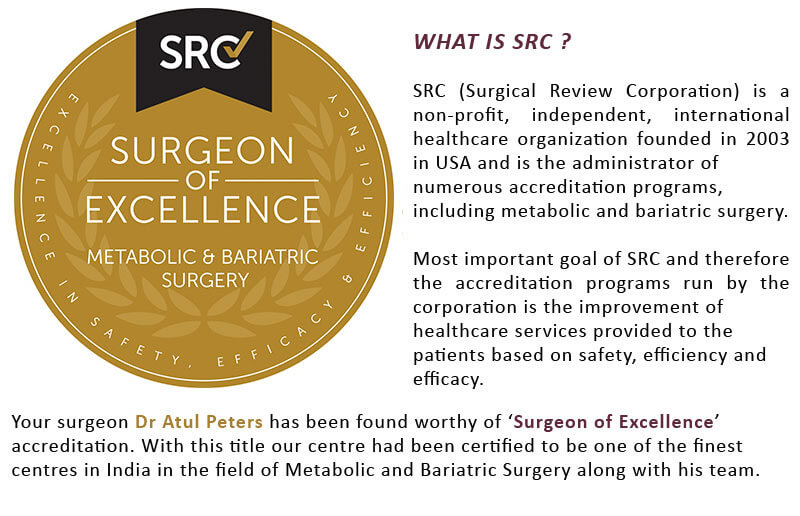
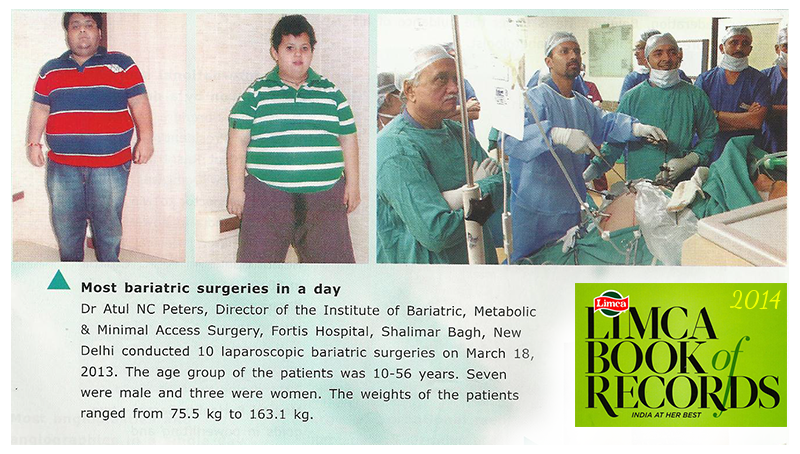
With the right guidance, lifestyle habits, and professional support, managing loose skin becomes much easier. Consulting experienced specialists like Dr. Atul Peters can provide you with the best advice tailored to your condition. Whether through non-surgical methods or advanced procedures, expert care ensures you achieve the best possible results after your weight loss journey.