
Does Bariatric Surgery Cure Type 2 Diabetes?
Type 2 diabetes has become one of the most common lifestyle diseases today, affecting millions of people worldwide. Managing blood sugar levels through diet, exercise, and medication can be challenging for many patients. This is where bariatric surgery has gained attention as a powerful treatment option. Many people often ask: Does bariatric surgery cure type 2 diabetes?
In recent years, medical research and patient outcomes have shown promising results, leading to the belief that bariatric surgery cures type 2 diabetes in many cases. However, understanding how it works, who benefits the most, and whether it is truly a “cure” is important before making any decisions.
Does Bariatric Surgery Cure Type 2 Diabetes?
Discover if bariatric surgery can cure type 2 diabetes, its benefits, risks, and outcomes. Expert guidance by Dr. Atul Peters for better diabetes control.
Book Your Appointment TodayUnderstanding Type 2 Diabetes
Type 2 diabetes is a chronic condition where the body either does not produce enough insulin or cannot use insulin properly. This leads to high blood sugar levels, which can cause serious health problems over time.
Some common causes include:
- Obesity or excess body weight
- Sedentary lifestyle
- Poor eating habits
- Genetic factors
- Hormone imbalance
Understanding Bariatric Surgery
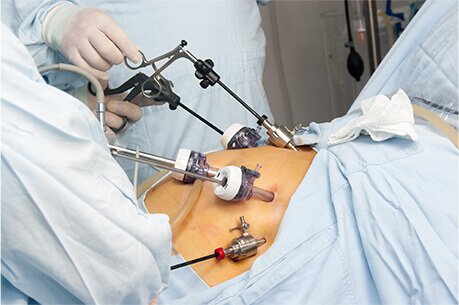
Bariatric surgery refers to a group of weight-loss procedures designed to help people with obesity lose excess weight. These surgeries work by reducing the size of the stomach or altering the digestive system, which helps in limiting food intake and improving metabolism.
Common types of bariatric surgery include:
- Gastric bypass surgery
- Sleeve gastrectomy
- Adjustable gastric band
These procedures not only help in weight loss but also bring significant changes in hormones that control blood sugar levels.
How Bariatric Surgery Affects Type 2 Diabetes
One of the most remarkable benefits of bariatric surgery is its impact on type 2 diabetes. Many patients experience a rapid improvement in blood sugar levels, sometimes even before significant weight loss occurs.
Here’s how it works:
1. Improved Insulin Sensitivity
After surgery, the body becomes more sensitive to insulin, allowing it to use glucose more effectively.
2. Hormonal Changes
Bariatric procedures affect gut hormones that regulate blood sugar, appetite, and metabolism. This leads to better glucose control.
3. Reduced Fat Mass
Losing excess weight reduces insulin resistance, which is a key factor in type 2 diabetes.
4. Better Pancreatic Function
The pancreas may start functioning more effectively after surgery, improving insulin production.
Does Bariatric Surgery Cure Type 2 Diabetes?
This is the most important question. The answer is not a simple yes or no.
In Many Cases – Yes (Remission)
Many patients experience complete remission of type 2 diabetes after bariatric surgery. This means:
- Blood sugar levels return to normal
- No need for diabetes medications
- Improved overall health
But It’s Not Always a Permanent Cure
While results are impressive, doctors usually refer to it as “remission” rather than a permanent cure. This is because:
- Diabetes can return if weight is regained
- Lifestyle habits still play a major role
- Long-term monitoring is necessary
So, while bariatric surgery does cure type 2 diabetes is a common query, the more accurate answer is that it can reverse or control the condition very effectively.
Who Benefits the Most from Bariatric Surgery?
Not every diabetic patient is a candidate for bariatric surgery. The best results are seen in:
- People with a BMI above 35
- Patients with obesity-related complications
- Individuals with recently diagnosed diabetes
- Those who struggle to control diabetes with medication
Patients with a shorter history of diabetes tend to achieve better remission outcomes.
Benefits of Bariatric Surgery for Diabetes Patients
Bariatric surgery offers multiple health benefits beyond just weight loss:
Improved Blood Sugar Control
Bariatric surgery helps in quickly lowering blood sugar levels by improving how the body processes glucose. Many patients see noticeable improvement within a few days after surgery due to hormonal changes.
Reduction in Diabetes Medications
After surgery, patients often require fewer medications, and in some cases, they may stop insulin or oral drugs completely. This reduces the burden of long-term medication use.
Enhanced Insulin Sensitivity
The surgery improves the body’s response to insulin, allowing better glucose absorption by cells. This plays a major role in managing and even reversing type 2 diabetes.
Sustainable Weight Loss
Weight loss after bariatric surgery is substantial and long-lasting. Losing excess fat reduces insulin resistance, which is a key factor in controlling diabetes.
Lower Risk of Diabetes-Related Complications
By maintaining better blood sugar levels, the risk of complications like heart disease, kidney damage, nerve issues, and vision problems is significantly reduced.
Long-Term Diabetes Remission
Many patients achieve long-term remission, meaning their blood sugar levels remain normal without medication. However, maintaining a healthy lifestyle is essential to sustain these results.
Risks and Considerations
Like any surgical procedure, bariatric surgery also comes with certain risks:
- Infection or bleeding
- Nutritional deficiencies
- Digestive issues
- Need for lifelong dietary changes
However, with proper care and guidance from an experienced bariatric surgeon in Delhi, these risks can be minimized significantly.
Life After Bariatric Surgery
Surgery is just the beginning of a healthier life. Long-term success depends on maintaining a healthy lifestyle.
Important Lifestyle Changes:
- Follow a balanced, nutrient-rich diet
- Exercise regularly
- Avoid sugary and processed foods
- Attend regular follow-up checkups
- Monitor blood sugar levels
Patients who stay committed to these changes are more likely to maintain diabetes remission.
Scientific Evidence and Success Rates
Several studies have shown that bariatric surgery is highly effective in managing type 2 diabetes.
- Around 60–80% of patients achieve remission
- Many patients see improvement within days or weeks
- Long-term studies show sustained benefits for years
These results support the idea that bariatric surgery cures type 2 diabetes in a large number of cases, especially when combined with lifestyle changes.
Does Bariatric Surgery Cure Type 2 Diabetes?
Discover if bariatric surgery can cure type 2 diabetes, its benefits, risks, and outcomes. Expert guidance by Dr. Atul Peters for better diabetes control.
Book Your Appointment TodayFinal Thoughts
Bariatric surgery has emerged as a powerful solution for managing and even reversing type 2 diabetes, especially in individuals struggling with obesity. It not only helps in achieving significant weight loss but also improves insulin function and overall metabolic health. While it may not guarantee a permanent cure for everyone, it offers long-term control and a better quality of life when combined with healthy lifestyle habits.
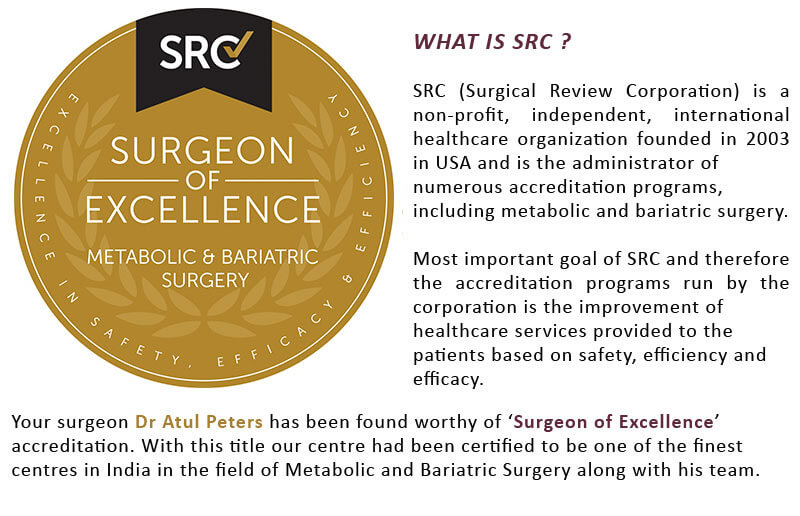
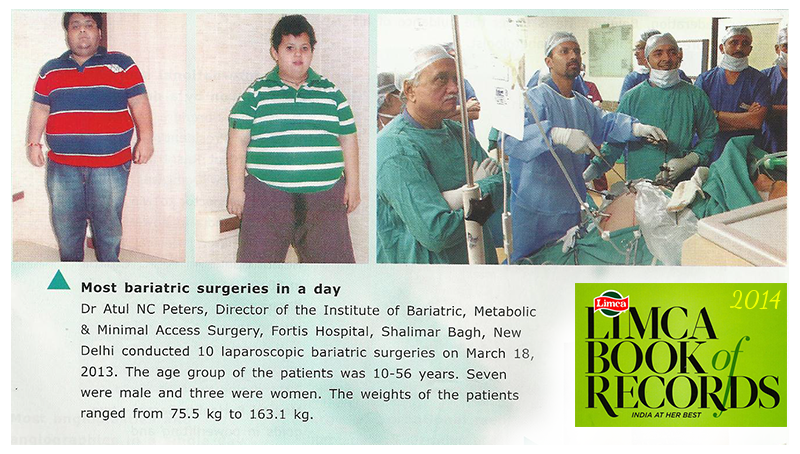
For those considering this option, consulting an experienced specialist like Dr. Atul Peters can help you understand whether bariatric surgery is the right choice for your condition and guide you toward a healthier, diabetes-free future.