
Do I qualify for bariatric surgery?

Growing Importance of Bariatric Surgery: How to Qualify for Bariatric Surgery

Growing Importance of Bariatric Surgery

Since, progressive generations are growing heavier with increased association with other metabolic disorders – diabetes, hypertension, and dyslipidemia. There has been an increasing role of bariatric surgery in the management of obesity and its associated co-morbidities. Technological leaps in the field of Laparoscopic Bariatric Surgery as well as Robotic Bariatric Surgery have led to the evolution of bariatric surgery from a major, uncommon, and often dangerous surgery with doubtful outcomes to a much safer, routine procedure with assured results.

Evolution of Bariatric Surgery Criteria

Initially, it was a difficult task to elect candidates who could undergo bariatric surgery. In 1991 the National Institutes of Health (NIH) consensus statement for the first time defined clear universally acceptable criteria for patient selection. This statement was revised and re-defined as more and more data began to be analysed subsequently. The cut-off BMI to undergo surgery was lowered over a period of time.

Types of Bariatric Surgery

Starting with Gastric Bypass surgery, in which Roux-en-Y gastric Bypass being the gold standard, nowadays Gastric Sleeve Surgery is becoming more and more popular among surgeons since it is relatively simple to perform with similar post-operative outcomes.

Shift from Weight Loss to Metabolic Surgery

With the understanding of the metabolic syndrome, of which obesity was just one part, there was increasing interest in the role of surgery in the resolution of co-morbidities, particularly diabetes and dyslipidemia.

The increasing incidence of diabetes and cardiovascular disease even at lower BMIs, particularly in specific populations such as Asians led to a demand to consider these surgeries for selected candidates with low BMIs also. The emphasis shifted from ‘weight loss’ surgery to ‘metabolic’ surgery. It was suggested that perhaps action points for Asians should be 2.5 BMI points lower i.e. at 32.5 and 37.5.

New Eligibility Criteria and Recommendations

With this background, the International Diabetes Federation (IDF) released a position statement on 28th March 2011 supporting surgery to treat Type II diabetes in obese patients. It defined new lower BMI criteria for patient selection as explained in the table below.

Eligibility and prioritization for bariatric surgery based on failed non-surgical weight loss therapy +, BMI, ethnicity ++, and disease control.

BMI range Eligible for surgery Prioritised for surgery
< 30 No No
30 – 35 YES – Conditional +++ No
35 – 40 YES YES – Conditional +++
> 40 YES YES

+ In all cases, patients should have failed to lose weight and sustain significant weight loss through non-surgical means, and have type II diabetes that has not responded adequately to lifestyle measures (+/- metformin) with HbA1c < 7%.

++  Action points should be lowered by 2.5 BMI points for Asians.

+++ HbA1c > 7.5 despite fully optimized conventional therapy, especially if weight is increasing, or other weight-responsive co-morbidities not achieving targets on conventional therapies.

Impact and Endorsements

The new recommendations significantly lowered cut-off BMIs making many more patients eligible for surgery. Theoretically, an Asian patient with a BMI as low as 27.5 could be a candidate for metabolic surgery, provided other conditions are met. This is a significant shift from the previously recommended cut-offs.

These have received widespread attention in the medical community and have been endorsed by several medical bodies – The American Heart Foundation (AHA), the American Medical Association (AMA), The American Society of Metabolic and Bariatric Surgeons (ASMBS), and The American Association of Clinical Endocrinology (AACE).

Confused if you qualify for bariatric surgery or not? Consult us at Smart Cliniqs and we will schedule your appointment with the best bariatric surgeon in Delhi.
Side Effects of Bariatric Surgery: What You Need to Know

Overview of Bariatric Surgery

Bariatric surgery is increasingly being accepted as a viable option for treating morbid obesity and its associated diseases such as diabetes mellitus and hypertension. Surgery provides long-term sustained weight loss as well as resolution of co-morbid conditions.

The benefits of bariatric surgery are numerous but there are also a few risks and side effects associated with various bariatric surgical procedures.

Common Bariatric Procedures in India

The most common bariatric surgical procedures performed in India are:

Immediate Side Effects of Bariatric Surgery

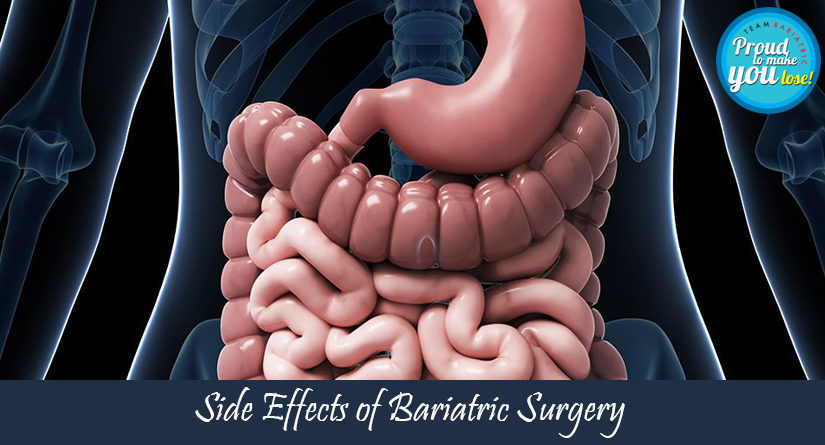
There are a few immediate side effects that can happen after bariatric surgery like bleeding, leak, intestinal obstruction, and venous thromboembolism. The side effects due to malnutrition or undernutrition are seen in the long term, particularly after laparoscopic gastric bypass surgery.

The incidence of bleeding is less than 4% in patients undergoing bariatric surgery. Most cases can be managed by blood transfusions alone. Some cases might require laparoscopy to stop the bleeding. A leak from the anastomosis site or sleeve staple line occurs in about 0.7% to 5% of the patients. If the leak is early, re-laparoscopy with identification of the leak and its closure is done with adequate drainage, bowel rest, and antibiotics.

Similarly leaks after a mini gastric bypass can be managed early by drainage and conversion of the procedure to Roux-en-Y gastric bypass along with a feeding tube in the intestines. The other rare immediate problem can be that of wound infection which is managed by dressing and antibiotics. Obesity is an independent risk factor for thromboembolism which is the clotting of blood in the veins of the body particularly the legs. This is best avoided by taking heparin injections for the first few days after the surgery and wearing graded pressure stockings for a few weeks. Early active mobilization is the best precautionary method.

Long-Term Side Effects and Nutritional Deficiencies

Lately, there can be obstruction of the intestines due to various factors which result in pain and distension of the abdomen along with vomiting. The possible causes usually are smoking, and the formation of ulcers. This can be identified by doing an endoscopy or a CT scan. Treatment of the possible causes can be done immediately.

After bariatric surgery, iron, vitamin B12, and other micronutrient deficiencies can occur.  Iron deficiency occurs in patients within 2 to 5 years after surgery. Supplementation with iron can reduce iron deficiency significantly. Calcium and vitamin D absorption are impaired after gastric bypass as well. We obtain a complete blood count and iron, B12, calcium, folic acid, vitamin D, levels before surgery, 6 months and 1 year after surgery, and yearly thereafter. We recommend routine daily supplementation with a multivitamin, iron, vitamin B12, and calcium along with vitamin D supplementation depending on the serum levels.

Dumping Syndrome

Dumping syndrome is a common side effect after Roux-en-Y Gastric Bypass (RNYGB) surgery. This usually occurs due to poor food choices. It is related to the ingestion of refined sugars (including high fructose corn syrup) or high glycemic carbohydrates. It can also occur with dairy products, some fats, and fried foods.

The fact is that these foods will interfere with long-term weight loss and should not be eaten anyway.

Symptoms start typically 20-30 min after the food. It includes sweating, flushing, lightheadedness, tachycardia, palpitations, desire to lie down, upper abdominal fullness, nausea, diarrhea, cramping, and active audible bowel sounds.

Conclusion

In summary, although bothersome and sometimes worrisome, dumping syndrome is not a life-threatening problem. Patients need to learn about and read basic nutrition labels. The benefit is that it teaches patients quickly that certain foods and additives cannot be tolerated. Patient compliance and commitment to long-term follow-up are mandatory.

In short, the side effects of bariatric surgery are rare. Timely
identification and intervention are
the keys to preventing serious complications.

Still confused about bariatric surgery? Then schedule your consultation with the top bariatric surgeon in Delhi at Smart Cliniqs.

Can Malnutrition Contribute to Obesity? Understanding the Link

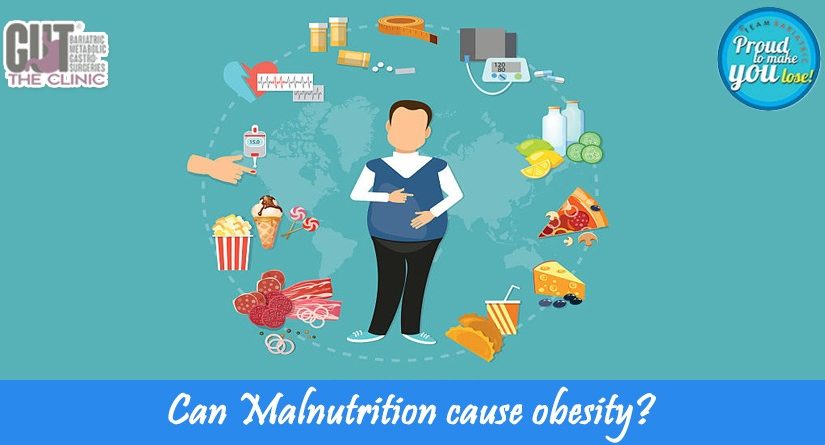
Obesity is a multi-factorial disease; it simply means that, no single cause which can be solely attributed to it. It is also well known that scientists do not know exactly what exactly causes weight gain.  Often, we all see people who can eat whatever comes their way and they still remain thin. With the exception of these lucky few, we are programmed to gain weight with age.

According to top bariatric surgeons, it is a matter of the balance between what you eat, and how much you spend. If we consume calorie-dense food regularly and don’t burn those extra calories, we are likely to gain weight. But can malnutrition cause obesity?

 Surprisingly yes.

Obesity Surgeons who treat obese teens know that children who were underweight at birth are prone to gain too much weight in their childhood and adolescence. Children who faced food shortages during famines later on developed abdominal obesity, the classic Indian Subcontinent profile of thin people with paunch, the so-called thin- obese in medical jargon. As we know that the tummy fat or abdominal obesity is the medically worst. This fat is the harmfully active type that leads to diabetes, heart disease, and cholesterol disorders, the so-called metabolic syndrome.

Malnutrition means not eating right; right food at the right time. People who starve for too long to lose weight are initially successful in losing some weight, but complex hormonal reactions result in weight regain, overshooting the earlier weight. This is known Yo-Yo dieting. Secondly, prolonged fasting slows down our metabolism and stops losing further weight, and starts regaining on the same diet. We tend to lose more muscle mass than fat during the starvation phase and fail to regain our muscle back. So with each dieting cycle of malnutrition, we lose more and more muscle mass and gain more fat.

Starvation or fasts followed by eating calorie-rich low protein food ultimately results in further weight gain and obesity. The best bariatric surgeons know well from their experience that protein-deficient diets after bariatric surgery are counterproductive in the long run and patients may end up regaining all their weight.

Malnutrition can really make us obese.

Still confused that malnutrition can cause obesity? Visit us at Smart Cliniqs and learn more about obesity.

Bariatric Surgery Hospital in Delhi

Choosing the Best Bariatric Surgery Hospital in Delhi for Effective Weight Loss

Delhi is the popular destination for medical tourism. Patients from every corner of the world come to Delhi, India for bariatric surgery. Many hospitals in Delhi are currently performing the surgery. Bariatric surgery hospitals in Delhi are specialized centers with trained and expert surgeons and specialized paramedic staff. In Delhi, both private and government hospitals are performing bariatric surgery. To name a few, private hospitals like Indraprastha Apollo hospitals, Max Healthcare, BLK super specialty, Fortis, Medanta hospital are performing bariatric surgery in Delhi. Premier government hospitals like All India Institute of Medical Sciences (AIIMS), Ram Manohar Lohia (RML), Lok Nayak Hospital (LNJP) are also performing bariatric surgeries.

Roux-en-y- gastric bypass surgery is the “gold standard” procedure. It refers to a type of bariatric surgical procedure in which the stomach is divided into a small pouch and then the small intestine is rearranged and connected to the newly created pouch. Roux-en-y- gastric bypass surgery is used to promote weight loss and also improve weight related issues like type 2 diabetes, hypertension, high cholesterol, arthritis, sleep apnea, infertility, hypothyroid, joint pain, backache etc.

Obese patients have a compromised vitamin and mineral intake due to excess energy consumption. Drastic weight loss post roux-en-y-gastric bypass surgery compounds the already present vitamin and mineral deficiencies. Patients who undergo Roux-en-y-gastric bypass surgery should attend regular follow-up sessions with a registered dietician so that deficiencies could be identified and treated at an early stage.

Behavioural Disorders in Obese: Important to Evaluate before WLS

Addressing Behavioral Disorders in Obese Patients: The Role of Laparoscopic Bariatric Surgery

Laparoscopic Bariatric Surgery and Its Effectiveness

Laparoscopic Bariatric surgery is one of the most effective treatments of morbid obesity, resulting in significant and sustained weight loss as well as improvement of various other related co-morbidities and quality of life.

Prevalence of Psychosocial Disorders in Morbidly Obese Individuals

Along with all other co-morbid conditions like Type 2 Diabetes Mellitus, Hypertension, and PCOD, etc., the prevalence of psychosocial disorders, including suicidal behavior, as well as substance abuse or eating disorders, is quite high among morbidly obese individuals.

Importance of Psychiatric Evaluation Before Bariatric Surgery

That is why, while evaluating for bariatric surgery, a psychiatric evaluation of individuals undergoing bariatric surgery is a must nowadays, since one might miss a pre-existing mental illness leading to inadequate treatment before and after surgery.

Factors Contributing to Suicidal Behavior Post-Surgery

Some of these issues like lack of physical activity before and after surgery, lack of improvement in quality of life, persistence or recurrence of sexual dysfunction, and history of ill-treatment in childhood might contribute to suicidal ideas if not assessed preoperatively.

High Expectations and Potential Disappointments Post-Surgery

These patients might have very high expectations of body appearance post-operatively and might be disappointed by the physical outcomes of the surgery. Sometimes weight regain might also lead to suicidal behaviors.

Increased Alcohol Sensitivity Post-Bariatric Surgery

It has been found that after bariatric surgery, the alcohol sensitivity of certain individuals might rise. Alterations in the GI tract after surgery lead to altered absorption of alcohol. It has been seen on several occasions that certain individuals continue alcohol consumption after surgery. Therefore all candidates of bariatric surgery are counseled and educated about the ill effects of alcohol after bariatric surgery and to minimize the use of it.

Compulsive Eating Disorder and Its Persistence Post-Surgery

When undergoing the dietary pattern of morbidly obese patients, there is a high prevalence of compulsive eating disorder. These problems can also persist after bariatric surgery. Few patients may develop ‘loss of control’ eating, and even self-induced vomiting. These conditions are associated with less weight loss and increased fear of weight regain.

Importance of Comprehensive Follow-Up Programs

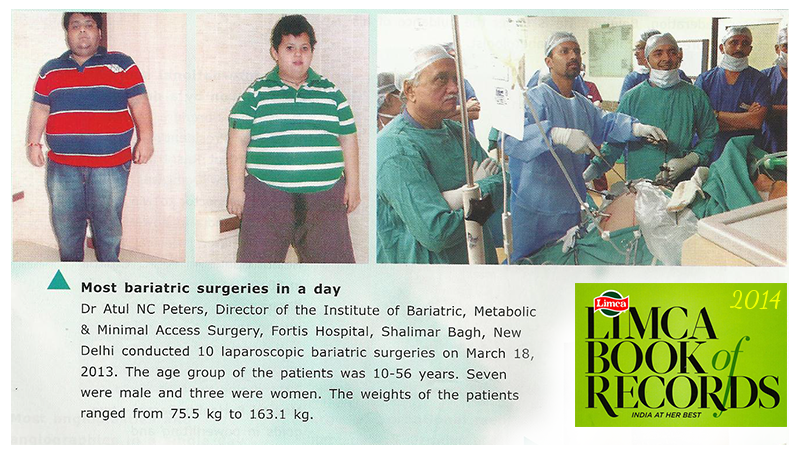
According to Dr. Atul NC Peters, one of the pioneers of weight loss treatment in Delhi and among the top 10 obesity surgeons in India, it is important that such follow-up programs are developed, that address these types of problems focusing on psycho-social factors as well as eating disorders for a successful outcome.

Obesity in Children and Adolescents

Addressing Obesity in Children and Adolescents: Causes, Risks, and Effective Interventions

The prevalence of obesity is increasing in both children and adolescents, in both sexes and in various ethnic and racial groups.

Many factors, including genetics, environment, metabolism, lifestyle, and eating habits, are believed to play a role in the development of obesity. However, more than 90% of cases are idiopathic; less than 10% are associated with hormonal or genetic causes.

Defining Obesity in Childhood and Adolescence

There is no single definition of obesity in childhood and adolescence.

Consensus committees all over the world have concluded that children and adolescents be considered overweight or obese if the BMI exceeds the 85th or 95th percentiles, on curves generated from the 1963-1965 and 1966-1970 NHANES, or exceeds 30 kg/m2 at any age.

Energy Intake and Sedentary Lifestyle

During childhood and adolescence, excess fat accumulates when total energy intake exceeds total energy expenditure. Reduced energy expenditure is attributed to modern-day sedentary lifestyles. This is particularly associated with excessive television viewing, excessive computer use, and insufficient physical activity. Also, this is often seen when feedings are supplemented with additives such as carbohydrates or fat.

Hormonal Dysfunction and Familial Obesity

Some hormonal dysfunction like that in ghrelin leptin hormonal axis may be the causative factor in as many as 10% of obese children, particularly in those who appear to manifest familial morbid obesity.

Race and ethnicity are also associated with increased rates of obesity in children and adolescents.

Childhood Obesity as a Predictor of Adult Obesity

Childhood obesity is predictive of adult obesity such as with 80% of teenagers who are obese continue to be obese as adults.

This is associated with an increased incidence of type 2 diabetes, hypertension, gallstones, and hypercholesterolemia.

Chest Conditions Associated with Childhood Obesity

There are serious chest conditions associated with childhood obesity like reactive airways, poor exercise tolerance, increased work of breathing, and increased oxygen consumption.

They might develop obesity-hypoventilation syndrome and experience right-sided heart failure with right ventricular hypertrophy.

Acute Complications of Childhood Obesity

Acute complications of childhood obesity include hyperlipidemia, accelerated growth and bone maturation, ovarian hyperandrogenism and gynecomastia, cholecystitis, pancreatitis, and pseudotumor cerebri.

  • There is an increased incidence of fatty liver and they might develop liver cirrhosis and kidney disease.
  • Obstructive Sleep apnea and sleep-disordered breathing are common in children and adolescents with obesity which might lead to neurocognitive dysfunction.
  • Excess weight in children can cause numerous orthopedic disorders, including genu valgum, slipped capital femoral epiphysis, with bowing of the long bones.
  • Emotional and psychosocial sequelae are also widespread in obese children.
  • Social isolation, peer problems, and lower self-esteem are frequently observed.
  • Gout and colorectal cancer rates are found to be increased among men who had obesity as adolescents as well as arthritis.

Therapeutic Interventions for Childhood Obesity

Any therapeutic intervention in the child with obesity in aimed to achieve control of weight gain and reduction in body mass index (BMI) safely and effectively and to prevent the long-term complications of obesity in childhood and adulthood.

These might also require psychiatric assistance for unusual eating disorders or severe depression. It involves a team involving nurse educators, nutritionists, exercise physiologists, and counsellors.

Parental Involvement and Lifestyle Changes

Parents must advice children to walk at least 20 to 30 min daily. Limit their television timings and must indulge in vigorous exercise with children. Low-calorie balanced diet, in association with patient and parent education, behavioral modification, and exercise can limit weight gain in many patients with mild or moderate obesity. Reductions in total and saturated fat may be particularly useful in adolescents who consume large quantities of high-fat, snack, and packaged fast foods, including french fries, pizza, chips, and crackers. Also, they might sometimes require and care if evidence of psychopathology or dysfunction is present.

Bariatric Surgery for Childhood Obesity

According to Dr. Atul NC Peters, one of the pioneers of weight loss treatment in Delhi and among the top 10 obesity surgeons in India, various bariatric surgical procedures have been performed in “carefully selected” patients with a body mass index (BMI) >40 kg/m 2 who have severe comorbidities such as nonalcoholic fatty liver disease. It is important to consider several other factors before deciding whether a child or adolescent should undergo bariatric surgery like previous attempts at weight loss, and ability to adhere to follow-up care. Laparoscopic sleeve gastrectomy is the most widely performed procedure in childhood obesity nowadays.

Evidence suggests that bariatric surgery can decrease the grade of steatosis, hepatic inflammation, and fibrosis in Non-Alcoholic Fatty Liver Disease. With more and more people opting for various bariatric surgical procedures, weight loss surgery cost in Delhi has been such that it is becoming affordable day by day and several finance and loan schemes are also available in special circumstances.

How Does Bariatric Surgery Reverse Diabetes?

How Bariatric Surgery Can Reverse Diabetes and Improve Overall Health

Obesity is the root cause of diverse diseases such as Asthma, sleep apnea, cardiovascular problems, Type 2 Diabetes Mellitus, joint pains and most important some forms of cancers.

Obesity increases insulin resistance in the body leading to Type 2 Diabetes Mellitus, and also results in Metabolic Syndrome.

There are various ways to deal with these problems which include changes in lifestyle and modification in the eating habits and use of certain drugs. But almost all of the studies conducted have come to the conclusion that these therapies are not effective in providing sustained weight loss. Bariatric surgery has been the most effective treatment option till date which results in effective and sustained weight loss along with resolution of the other problems associated with obesity.

There are various bariatric and metabolic surgical procedures available which can be done by Laparoscopic Techniques as well as with Robotic assistance. They include Sleeve gastrectomy, Roux-en-Y gastric bypass, Mini Gastric Bypass, Ileal Interposition, Duodeno-Jejunal Bypass, and so on.

Mechanism of resolution of Diabetes Mellitus:

The intestine is now considered as a metabolic organ and this new insight can be utilized for the treatment of Diabetes. Bariatric and metabolic surgery leads to changes in the anatomy of the gastrointestinal tract resulting in the treatment of obesity and diabetes mellitus.

Reason Behind How Bariatric Surgery Reverse Diabetes?

The quick lowering of blood sugar after bariatric surgery is due to hormonal changes after re-routing of the small intestine and not purely do the restriction of the calorie intake. It has been proposed and proved that after bariatric surgery there is an augmented release of certain hormones like GLP-1 and PYY from the small intestine that leads to improvement in the high blood sugar levels. These hormones not only decrease the cellular resistance to insulin, they also increase the efficiency of insulin. There is also decreased production of glucose from the liver due to their effects.

After surgery, long-term follow-up for the best results is a must. It’s a complete lifestyle change. One must follow instructions carefully for optimum results.There are absolute guidelines decided by the international diabetes federation for the selection of patients who can be benefitted from surgery.

These surgeries must be done at the best bariatric and metabolic surgical centers doing these surgeries routinely and under expert care and experienced hands. Although hospital stay remains from 2 to 3 days, a strict and regular follow-up is a must.