Can You Smoke After Bariatric Surgery?

If you are planning to undergo weight loss surgery or have already had it, one common and very important question is, “Can you smoke after bariatric surgery?” The simple and honest answer is no—smoking after bariatric surgery is strongly discouraged. Smoking can seriously affect healing, increase complications, and even put your life at risk.

In this detailed guide, we will explain why smoking is dangerous after bariatric surgery, how long you should avoid it, what risks it causes, and what you can do to quit safely. This information is vital for patients considering surgery under the care of an experienced Bariatric Surgeon in Delhi, like Dr. Atul Peters.

Can You Smoke After Bariatric Surgery?

In this detailed guide, we will explain why smoking is dangerous after bariatric surgery, how long you should avoid it, causes, and what you can do to quit safely.

Book Your Appointment Today

Understanding Bariatric Surgery

Bariatric surgery is a medical procedure that helps people lose weight by changing how the stomach and digestive system work. Common types include:

These surgeries reduce stomach size and affect digestion and nutrient absorption. Because the body goes through major internal changes, proper healing is critical—and smoking interferes with that healing.

Can You Smoke After Bariatric Surgery?

Many patients ask again and again: Can you smoke after bariatric surgery? The medical answer is absolutely not, especially in the first few months—and ideally, never again.

Smoking after bariatric surgery can lead to:

  • Poor wound healing
  • Stomach ulcers
  • Internal leaks
  • Increased risk of Blood clots

Doctors strongly advise quitting smoking at least 4–6 weeks before surgery and never restarting after surgery.

Why Smoking is Dangerous After Bariatric Surgery?
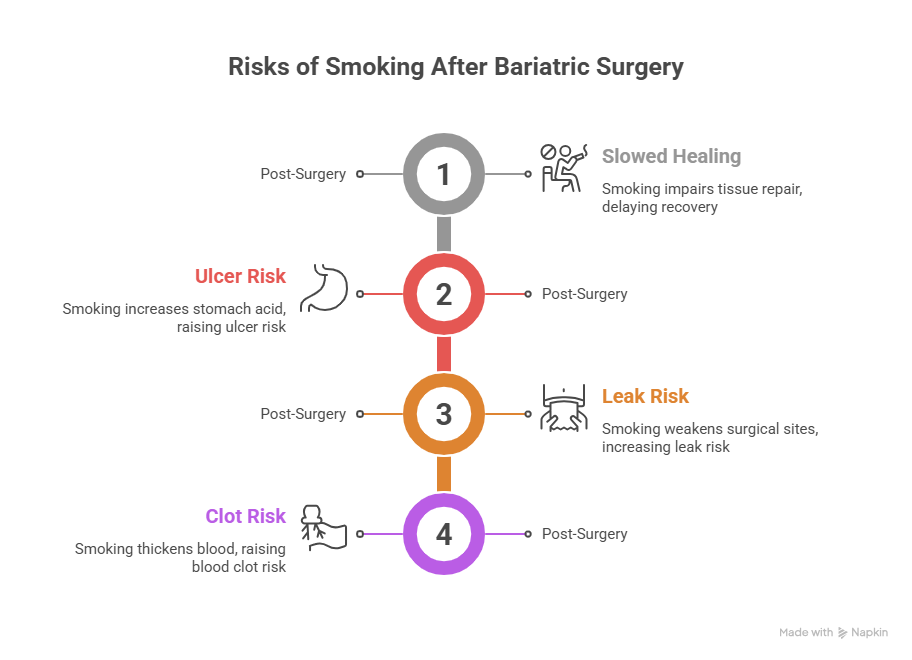
Why Smoking is Dangerous After Bariatric Surgery

1. Smoking Slows Down Healing

After bariatric surgery, your body needs good blood flow and oxygen to heal internal stitches and wounds. Smoking reduces oxygen supply in the blood, which means:

  • Cuts and internal sutures heal slowly
  • Risk of infection increases
  • Pain lasts longer

This is one of the biggest reasons why smoking after bariatric surgery is unsafe.

2. Higher Risk of Stomach Ulcers

Smoking irritates the stomach lining and increases acid production. After surgery, your stomach is already sensitive. Smoking can cause:

  • Marginal ulcers (very painful)
  • Internal bleeding
  • Vomiting blood or black stools

Ulcers are one of the most common complications linked to smoking after bariatric surgery.

3. Increased Risk of Leaks

One of the most serious complications of bariatric surgery is a leak from the stomach or intestine where it was cut and joined. Smoking increases this risk because:

  • Blood flow is reduced
  • Tissue becomes weak
  • Healing is delayed

A leak is a medical emergency and may require another surgery.

4. Higher Chances of Blood Clots

Smoking thickens the blood and damages blood vessels. After surgery, patients are already at some risk of clots due to reduced movement. Smoking increases the risk of:

  • Deep vein thrombosis (DVT)
  • Pulmonary embolism (clot in lungs)

These conditions can be life-threatening.

How Long After Bariatric Surgery Can You Smoke?

If you are still asking can you smoke after bariatric surgery, it’s important to know that there is no “safe” time to restart smoking.

However, general medical guidelines suggest:

  • Stop smoking at least 4–6 weeks before surgery
  • Never smoke again

Many surgeons, including leading experts like Dr. Atul Peters, recommend lifelong avoidance of smoking for the best results and safety.

What Happens If You Smoke After Bariatric Surgery?
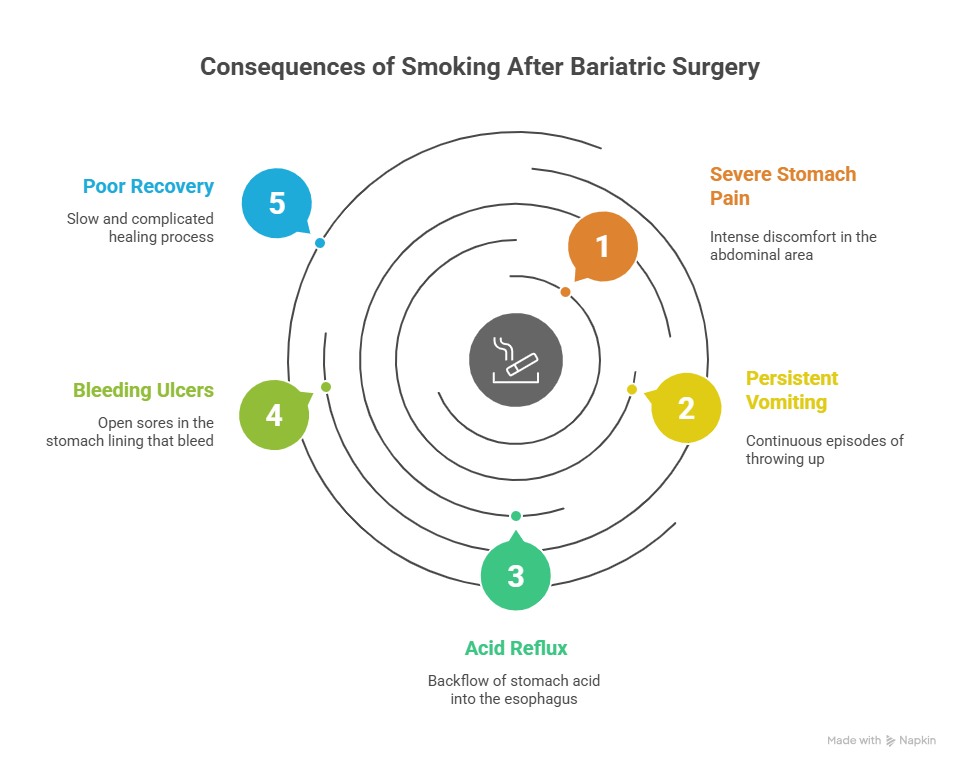
What Happens If You Smoke After Bariatric Surgery

If a patient smokes after surgery, they may experience:

  • Severe stomach pain
  • Persistent vomiting
  • Acid reflux
  • Bleeding ulcers
  • Poor recovery

In serious cases, smoking after bariatric surgery can lead to repeat surgery or long-term health problems.

Benefits of Quitting Smoking After Bariatric Surgery

Quitting smoking may be difficult, but the benefits are huge:

  • Faster healing
  • Lower risk of complications
  • Better Lung Health
  • Healthier Heart
  • Longer life expectancy

Many patients find that bariatric surgery becomes a turning point for a healthier lifestyle.

Tips to Quit Smoking Safely Before and After Surgery

1. Set a Quit Date

Choose a date at least one month before surgery.

2. Talk to Your Doctor

Your surgeon or physician can suggest safe nicotine-free options.

3. Use Counselling or Support Groups

Emotional support increases success rates.

4. Avoid Triggers

Stay away from people or situations that encourage smoking.

5. Focus on Your Goal

Remember why you chose surgery—to improve your health and life.

Can You Smoke After Bariatric Surgery?

In this detailed guide, we will explain why smoking is dangerous after bariatric surgery, how long you should avoid it, causes, and what you can do to quit safely.

Book Your Appointment Today

Conclusion

So, can you smoke after bariatric surgery? The clear medical answer is no. Smoking after bariatric surgery greatly increases the risk of serious complications and reduces the benefits of the procedure. Quitting smoking before and after surgery is one of the most important steps you can take for a safe recovery and a healthier future.

If you are considering surgery under a trusted Bariatric Surgeon in Delhi, like Dr. Atul Peters, following smoking cessation advice is essential for the best possible results. Bariatric surgery is not just about weight loss—it’s about choosing a healthier life.
Frequently Asked Questions

Can you smoke after Bariatric Surgery if you feel fine?

No. Even if you feel normal, smoking can silently cause ulcers, leaks, and internal damage.

 How long should I stop smoking before Bariatric surgery?

Most doctors recommend stopping at least 4–6 weeks before surgery.

Is smoking after Bariatric surgery life-threatening?

Yes, in severe cases, it can lead to serious complications like leaks, ulcers, or blood clots.

Can I use nicotine gum or patches after surgery?

Only if approved by your doctor. Nicotine itself can delay healing.

Does smoking affect weight loss after Bariatric Surgery?

Yes, it can reduce weight loss results and increase unhealthy cravings.

Is vaping safer than smoking after Bariatric Surgery?

No. Vaping still delivers nicotine and carries similar risks.

What are the signs of ulcers caused by smoking after surgery?

Stomach pain, nausea, vomiting, black stools, or bleeding are warning signs.

Will my surgeon cancel surgery if I smoke?

Some surgeons may postpone surgery for patient safety if smoking continues.

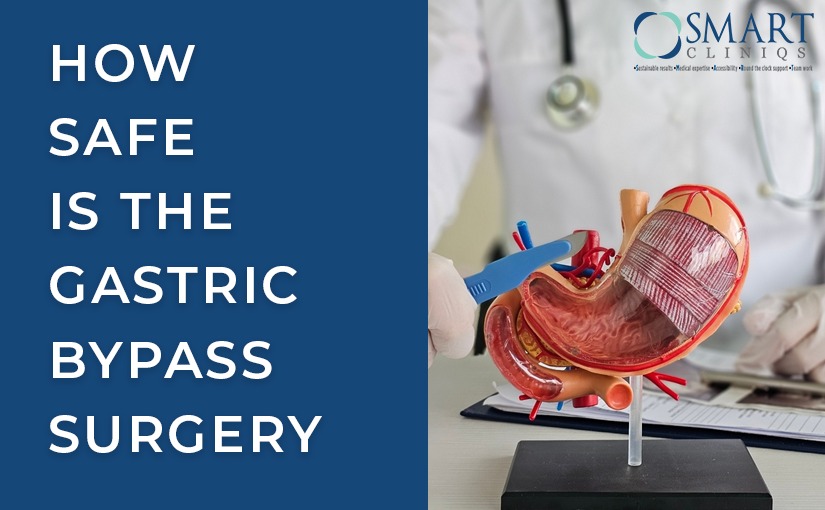
How safe is the Gastric Bypass Surgery?

Obesity is one of the leading health challenges in today’s world, and for many people, dieting and exercise alone are not enough to achieve lasting weight loss. In such cases, bariatric surgery becomes a life-changing option. Among the different types of bariatric procedures, gastric bypass surgery is one of the most common and effective. But many patients ask: “How safe is the gastric bypass surgery?”

The good news is that gastric bypass surgery has been performed successfully worldwide for decades, with thousands of patients benefiting from long-term weight loss and improvement in obesity-related conditions. In cities like Delhi, experienced specialists such as Dr. Atul Peter’s, a leading Bariatric Surgeon in Delhi, have made this surgery much safer with advanced techniques and strict medical standards.

How safe is the Gastric Bypass Surgery?

To understand safety, you first need to know what gastric bypass actually does. This surgery is like reprogramming the body’s digestion.

Book Your Appointment Today

Understanding Gastric Bypass Surgery

To understand safety, you first need to know what gastric bypass actually does. This surgery is like reprogramming the body’s digestion. Instead of food traveling the usual long path, it takes a shortcut, leading to fewer calories being absorbed.

Here’s how it works in simple terms:

  1. The surgeon creates a small pouch at the top of the stomach. This pouch becomes the new “mini-stomach.”
  2. That pouch is then connected directly to a section of the small intestine.
  3. As a result, food bypasses most of the stomach and the first part of the intestine.

This means two things happen at once — you feel full with less food, and your body absorbs fewer calories. For someone struggling with obesity, it is like pressing a reset button.

How Safe is the Gastric Bypass Surgery?

Whenever a patient asks, “How safe is the gastric bypass surgery?”, doctors often compare it with other common procedures. Believe it or not, the risks of gastric bypass are almost the same as gallbladder removal or knee replacement surgery. In fact, the mortality rate is less than 0.3% worldwide — a figure much lower than most people expect.

The real reason it’s considered safe today is because of laparoscopic surgery. Instead of making a large cut, surgeons operate using tiny incisions and a camera. This reduces pain, lowers infection risk, and helps patients get back on their feet in days instead of weeks.

Take, for example, a 42-year-old patient in Delhi who had diabetes for 10 years. After undergoing Gastric Bypass Surgery in Delhi, not only did he lose 35 kilos, but his blood sugar levels returned to normal within months. His only regret? That he didn’t do it sooner.

Factors that Influence Safety

Now, while the procedure is safe overall, not every patient walks into surgery with the same level of risk. Safety often depends on a mix of medical conditions, lifestyle factors, and the skill of the surgeon.

For instance, someone with uncontrolled high blood pressure, sleep apnea, and heart disease may face a slightly higher risk compared to a younger, healthier patient. But this doesn’t mean surgery is unsafe — it simply means extra precautions are needed.

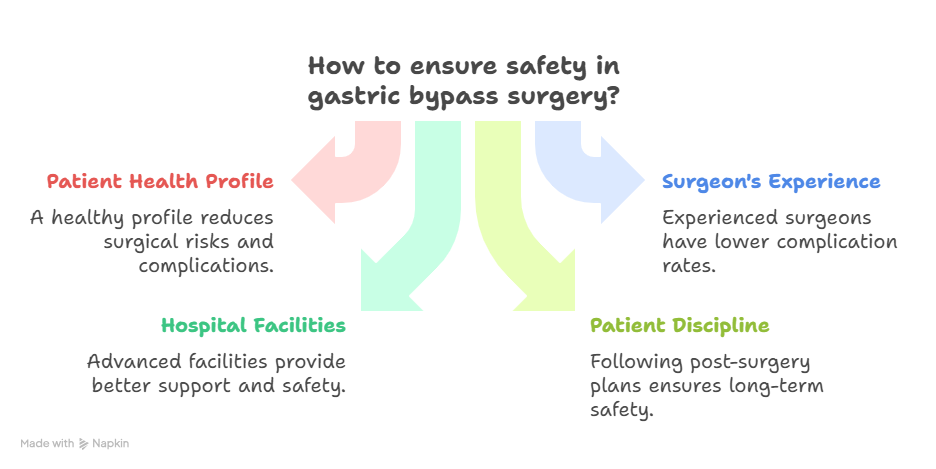
Here are some things that matter most:

  • Patient’s health profile – Heart, lungs, liver, and diabetes control play a major role.
  • Surgeon’s experience – Studies show complication rates are far lower with highly trained surgeons. Choosing experts like Dr. Atul Peter’s makes a huge difference.
  • Hospital facilities – Advanced operating theaters, ICU backup, and experienced staff add an extra layer of safety.
  • Patient discipline – Surgery is only step one. Following the right diet, exercise, and medication plan afterward is what ensures long-term safety.

Think of it like driving a car: the car itself may be safe, but the driver’s skill and how carefully you follow the rules matter too. In bariatric surgery, the “driver” is the surgeon, and the “rules” are the lifestyle changes you commit to.

Short-Term Risks and Complications

No surgery comes without risks, and gastric bypass is no exception. But the key thing to remember is that most of the complications are short-term and manageable when the surgery is done in a reputable center.

Some patients may experience:

  • Mild pain or discomfort – Common in the first few days, usually controlled with medicines.
  • Nausea or vomiting – The stomach needs time to adjust to its new size.
  • Infection at incision sites – Rare, but possible if stitches are not cared for properly.
  • Bleeding or leakage – Very uncommon, but surgeons keep a close watch in the first 24–48 hours.

Think of these as the body’s natural response to a big change. With modern laparoscopic methods and constant monitoring, these issues are handled before they become serious. In fact, most patients undergoing Gastric Bypass Surgery in Delhi walk out of the hospital in 3–5 days with minimal discomfort.

Long-Term Safety and Benefits

Here’s where gastric bypass truly shines. While the short-term risks are minor, the long-term benefits are life-changing. For many patients, the surgery not only reduces weight but also gives them a second chance at life.

Benefits over time include:

  • Sustainable weight loss – Most people lose 60–80% of excess weight within two years.
  • Better control of diabetes – Many stop insulin or tablets within months.
  • Reduced heart risk – Blood pressure and cholesterol levels improve.
  • Relief from joint pain – Less body weight means easier mobility.
  • Better sleep and breathing – Sleep apnea often disappears.
  • Boost in confidence and energy – Patients report a more active and fulfilling lifestyle.

To put it simply, the safety of gastric bypass should not only be measured in terms of surgical risks, but also in the years of healthy life gained afterward.

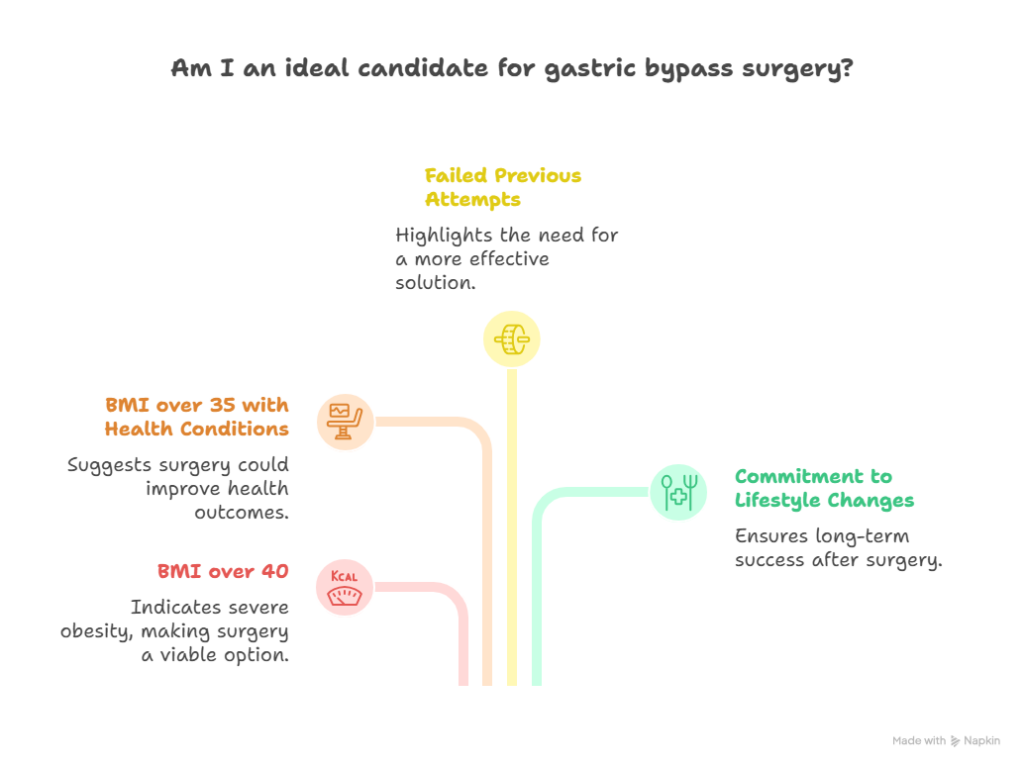
Who is an Ideal Candidate for Gastric Bypass Surgery?

Not everyone struggling with weight is advised to undergo gastric bypass. Doctors carefully evaluate each patient before recommending the surgery. The question isn’t just “how safe is the gastric bypass surgery”, but also “is this the right surgery for me?”

Who is an Ideal Candidate for Gastric Bypass Surgery

Ideal candidates often include:

  • People with a BMI over 40 (severe obesity).
  • People with a BMI over 35, plus health conditions like diabetes, hypertension, or sleep apnea.
  • Patients who tried diet, exercise, and medicines without lasting results.
  • Individuals are motivated to follow a lifelong diet and exercise plan after surgery.

For example, a 36-year-old woman weighing 125 kg with uncontrolled diabetes may benefit greatly, while a 25-year-old with just mild weight gain may be advised against it.

How to Ensure a Safe Recovery After Surgery?

Surgery is only the first step. The true success of gastric bypass lies in how carefully patients follow recovery guidelines. A safe recovery doesn’t just depend on the surgeon — it also depends on the patient’s lifestyle choices.

Ways to ensure safe recovery:

  • Follow the diet plan – Start with liquids, then soft foods, and gradually move to solids.
  • Stay active – Light walking speeds up recovery and prevents blood clots.
  • Take prescribed supplements – Vitamins and minerals are essential since absorption is reduced.
  • Protect the incision site – Keep it clean and dry to avoid infection.
  • Attend follow-up visits – Regular checkups with your surgeon help track progress and catch any issues early.

Do’s and Don’ts After Gastric Bypass Surgery

Adjusting your lifestyle after surgery is just as important as the operation itself. Patients often ask not just “how safe is the gastric bypass surgery?” but also “what should I do afterward to stay safe?”

? Do’s After Gastric Bypass Surgery ? Don’ts After Gastric Bypass Surgery
Eat small, frequent meals instead of large portions. Don’t consume carbonated or sugary drinks.
Drink plenty of water slowly throughout the day. Don’t lift heavy objects in the first few weeks.
Take multivitamins and supplements as prescribed. Don’t skip follow-up appointments with your surgeon.
Exercise regularly, starting with light walking. Don’t smoke or drink alcohol as they delay healing.
Listen to your body and stop eating once you feel full. Don’t rush into solid foods too early — allow healing time.

Final Thoughts

When patients ask “how safe is the gastric bypass surgery?”, the answer is not a simple yes or no — it’s about balance. Like any operation, there are risks. But when compared to the dangers of untreated obesity — diabetes, heart disease, high blood pressure, and reduced lifespan — the surgery is often the safer choice in the long run.

In fact, most patients experience dramatic improvements in health, mobility, and confidence. The key lies in choosing the right surgeon and following post-surgery instructions. For those considering Gastric Bypass Surgery in Delhi, experts like Dr. Atul Peter’s provide not only surgical expertise but also long-term guidance to ensure safety and results.

Frequently Asked Questions

How safe is the gastric bypass surgery compared to other surgeries?

Gastric bypass is as safe as common surgeries like gallbladder removal, with a mortality rate of less than 0.3% when done by experienced surgeons.

Who should not go for gastric bypass surgery?

People with very low BMI, untreated heart/lung problems, or those unwilling to follow lifestyle changes may not be suitable candidates.

How long does it take to recover after Gastric bypass?

Most patients return to normal activities within 2–4 weeks, though complete healing and adjustment to diet may take a few months.

Can Gastric Bypass cure diabetes?

For many patients, type 2 diabetes goes into remission after surgery, meaning they no longer need insulin or medicines.

Are the results of Gastric Bypass permanent?

Yes, but only if patients commit to lifelong changes in diet, supplements, and exercise. Neglecting lifestyle changes may lead to partial weight regain.

Is Gastric Bypass surgery painful?

Mild discomfort is normal in the first few days, but pain is well-managed with medicines. Most patients say it is less painful than they expected.


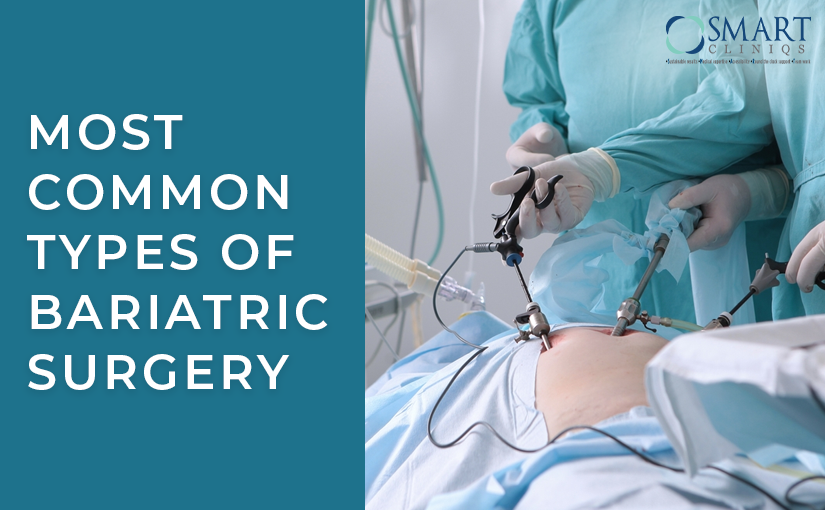
Most Common Types of Bariatric Surgery

Obesity is a growing health concern worldwide, and in many cases, traditional weight-loss methods such as diet and exercise don’t provide the desired results. For individuals struggling with severe obesity, bariatric surgery offers a more effective solution. Bariatric surgery refers to a range of surgical procedures designed to help people lose weight and improve their overall health.

There are several types of bariatric surgeries, each with its benefits and considerations. In this blog, we’ll explore the most common types of bariatric surgery, who they are suitable for, and how they can help in weight loss. If you are considering bariatric surgery, it’s essential to consult with a trusted and experienced Bariatric Surgeon in Delhi, such as Dr. Atul Peters, who is known for his expertise in this field.

Understanding Bariatric Surgery

Bariatric surgery is a medical procedure that alters the digestive system to help individuals achieve significant weight loss. The primary goal is to reduce the size of the stomach, which limits the amount of food that can be consumed, or it changes the digestive process so that fewer calories are absorbed from food. Bariatric surgery is typically recommended for individuals who are severely obese and have not achieved significant weight loss through diet and exercise.

Now, let’s dive into the most common types of bariatric surgery and understand how each works.

1. Gastric Bypass (Roux-en-Y Gastric Bypass)

Gastric bypass is one of the most common and well-established types of bariatric surgery. It works by both restricting the amount of food you can eat and bypassing a portion of your small intestine, which helps to reduce calorie absorption.

How it works:

  • In a gastric bypass procedure, the surgeon creates a small pouch at the top of the stomach, which is the new stomach that holds food.
  • The surgeon then reroutes a portion of the small intestine to the new stomach pouch.
  • This results in reduced food intake and fewer calories being absorbed.

Benefits:

  • Gastric bypass surgery typically leads to significant weight loss, and many people can lose 60% to 80% of their excess weight within the first year after surgery.
  • It has been shown to improve or resolve obesity-related conditions like type 2 diabetes, high blood pressure, and sleep apnea.

Considerations:

  • As with any surgery, there are risks such as infections, blood clots, and nutritional deficiencies.
  • Patients need to make lifelong changes in their diet and undergo regular follow-up appointments to ensure proper nutrition and health.

If you are considering gastric bypass surgery, Dr. Atul Peters, an experienced Bariatric Surgeon in Delhi, can guide you through the procedure and help determine if it is the right option for you.

2. Sleeve Gastrectomy (Gastric Sleeve)

Sleeve gastrectomy, also known as the gastric sleeve, is another popular bariatric surgery that focuses on reducing the size of the stomach. In this procedure, a large portion of the stomach is removed, leaving behind a sleeve-like structure, which resembles a tube or a banana.

How it works:

  • During the surgery, approximately 80% of the stomach is removed, leaving a much smaller, sleeve-shaped stomach.
  • The smaller stomach results in reduced food intake and leads to a feeling of fullness after consuming only small portions.

Benefits:

  • The gastric sleeve is a simpler procedure compared to gastric bypass and doesn’t involve rerouting the intestines.
  • It offers significant weight loss, with most patients losing 50% to 70% of their excess weight within the first two years.
  • It also leads to improvements in obesity-related conditions like high cholesterol, type 2 diabetes, and joint pain.

Considerations:

  • Unlike gastric bypass, the gastric sleeve does not alter the digestion process, so patients may still absorb calories from food.
  • There is a possibility of developing acid reflux (GERD) after the procedure.

3. Adjustable Gastric Banding (Lap-Band)

Gastric banding, commonly known as the Lap-Band, is another option for bariatric surgery. It involves placing an adjustable band around the upper portion of the stomach to create a small pouch. This restricts the amount of food the stomach can hold.

How it works:

  • A band is placed around the top of the stomach, creating a small pouch above it.
  • The band can be adjusted by adding or removing fluid, which helps control the size of the stomach opening and the amount of food that can pass through.

Benefits:

  • Gastric banding is a less invasive procedure compared to gastric bypass or sleeve gastrectomy, as it does not involve cutting or removing parts of the stomach.
  • The band is adjustable, which allows for personalized control over weight loss.
  • It’s a reversible procedure, unlike other types of bariatric surgery.

Considerations:

  • While it can help with weight loss, gastric banding generally results in slower weight loss compared to other bariatric surgeries.
  • The band can slip or become too tight, leading to complications that may require additional surgery.

4. Duodenal Switch

The duodenal switch is a more complex bariatric surgery that combines elements of sleeve gastrectomy and intestinal bypass. This surgery involves removing a portion of the stomach (like a gastric sleeve) and rerouting the small intestine to limit calorie absorption.

How it works:

  • First, a portion of the stomach is removed, leaving behind a smaller, sleeve-shaped stomach.
  • The surgeon then bypasses a large part of the small intestine, which reduces calorie absorption.

Benefits:

  • Duodenal switch surgery typically leads to significant weight loss, with patients often losing 70% to 80% of their excess weight.
  • It is effective in improving obesity-related conditions like type 2 diabetes, high blood pressure, and sleep apnea.

Considerations:

  • Duodenal switch is a more complex procedure that requires a highly skilled surgeon.
  • It carries higher risks of nutritional deficiencies and may require lifelong nutritional supplementation.

Choosing the Right Bariatric Surgery

Choosing the right type of bariatric surgery depends on various factors, including your weight loss goals, overall health, and personal preferences. While each procedure has its benefits, it’s essential to consult with an experienced bariatric surgeon to determine which surgery is best for you.

Dr. Atul Peters, a highly skilled Bariatric Surgeon in Delhi, takes a personalized approach to weight loss surgery. With years of experience and a deep understanding of the procedures, Dr. Peters helps patients choose the most suitable surgery based on their unique needs and health goals.

Final Thoughts

Bariatric surgery can offer a life-changing solution for individuals struggling with obesity and related health conditions. With the right approach and expert care, these procedures can help patients lose weight, regain their health, and improve their quality of life.

Don’t let obesity control your life—take the first step toward a healthier future by consulting with a professional today.

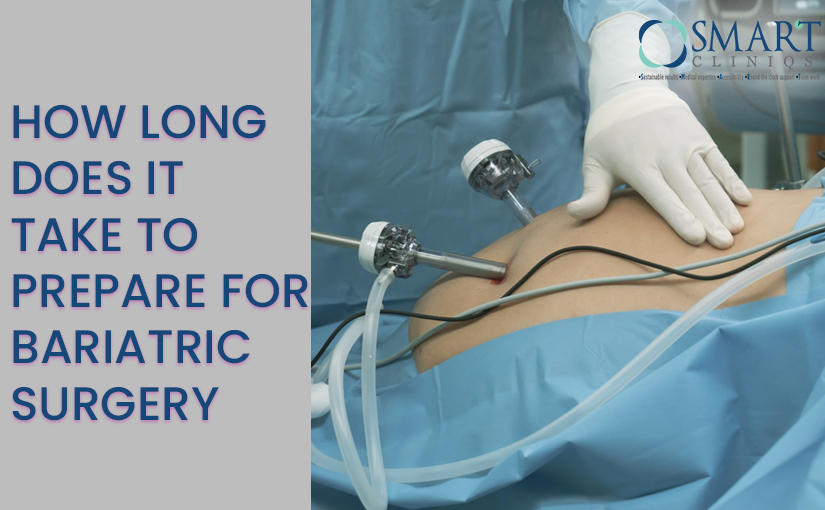
How long does it take to prepare for Bariatric Surgery?

Preparation for bariatric surgery is not about making an appointment. It’s a holistic process that prepares you psychologically, emotionally, and physically for a procedure that changes your life. Here in this blog post, we will see how long one has to prepare for bariatric surgery and how many preoperative preparation phases. Based on the expert view of Dr. Atul Peters,the top Bariatric Surgeon of Delhi, we will also explore what happens with the surgery.

Understanding Bariatric Surgery

Bariatric surgery is a life-changing procedure aimed at helping individuals overcome severe obesity and its associated health risks. However, the surgery itself is just one component of a broader, carefully planned treatment strategy. The preparation period is critical because it helps improve surgical outcomes and ensures that you can make the most of your new lifestyle post-surgery.

When you ask, “how long does it take to prepare for bariatric surgery?”, it’s important to recognize that the timeline can vary from patient to patient. Factors such as your overall health, the presence of co-morbid conditions, and your commitment to lifestyle changes play significant roles in determining the length of the preparation process.

The Stages of Preoperative Preparation

1. Initial Medical Evaluation and Screening

Preparation for bariatric surgery starts with an extensive medical examination. This includes a great deal of blood testing, imaging procedures, and specialty referrals. At this stage, your overall health is assessed and any underlying health issues such as diabetes, high blood pressure, or heart disease are addressed. Typically, this initial phase can take anywhere from a few weeks to a couple of months, depending on the complexity of your health status.

2. Nutritional Counseling and Lifestyle Modifications

One of the most important aspects of preparation following the initial tests is diet counseling. In order to discover the dietary changes needed prior to and following surgery, you will work with dietitians and nutritionists. To reduce surgical risks and shrink liver size, patients are often required to follow a specific preoperative diet.

This phase takes four to eight weeks. To promote long-term success, you gradually change your lifestyle and build healthy eating habits during this period. This phase can be transformational for most patients because not only does it prepare you for surgery, but it also sets the stage for your recovery afterward.

3. Psychological and Behavioral Assessments

Bariatric surgery is equally a psychological and emotional process as it is physical. Psychological assessments are made to determine you’re ready mentally for the transformation you’re about to undergo. Through these tests, any areas that may get in the way of your success are identified, i.e., eating emotionally or being depressed, and solutions on how to get through them are proposed.

Support groups and counseling can be suggested throughout this period, which can persist for weeks. It is with the aim to prepare you to cope with the emotional issues surrounding weight loss and changes in your way of life.

4. Preoperative Weight Loss Programs

Most bariatric programs suggest some preoperative weight loss. Even a small weight loss can enhance surgical success by lowering complications. This is very individualized some have to lose a few more pounds in a couple of months, while others can have a more rigid program for several months.

5. Final Preparations and Scheduling

After all the assessments, counseling, and preoperative courses are finished, the last step is to schedule the surgery. By this time, you should have a good idea of the timeline, which is usually 3 to 6 months of preparation in total, although some cases may take up to 12 months if further health management is required.

Personalized Care at Dr. Atul Peters’ Clinic

Personalized care is the focus throughout the preoperative process. At Dr. Atul Peters’ center every patient has a personalized treatment plan tailored to his or her individual health profile. Dr. Peters and his staff take the time to walk you through each step so you feel as informed and as supported as possible.

When you’re wondering “how long does it take to prepare for bariatric surgery?”, know that the journey is uniquely tailored to your needs. With expert guidance and a multidisciplinary approach that includes nutritional counseling, psychological support, and comprehensive medical evaluations, you’re in capable hands.

Our pledge at Dr. Atul Peters’ clinic is to deliver an effortless and empathetic experience from initial consultation through to the final operation. This all-encompassing strategy not only maximizes your surgical results but also serves to establish a basis for long-term success and enhanced quality of life.

Conclusion

In summary, there is no one-size-fits-all response to the question of “how long does it take to prepare for bariatric surgery?” On average, preparation time can take anywhere from 3 to 6 months, while in certain situations, even 12 months may be required, varying according to individual health conditions and specific program needs. The process involves extensive medical screenings, nutritional guidance, psychological testing, and preoperative weight loss programs—all of which are essential for achieving the most optimal surgical results.

At Dr. Atul Peters’ clinic, we are committed to delivering the best possible care and individualized treatment plans to walk you through each phase of this life-changing process. As one of the Best Bariatric Surgeon in Delhi, Dr. Peters guarantees that you get expert care customized to your specific requirements, leading to a healthier, brighter tomorrow.

If you’re looking into bariatric surgery and have questions regarding the preparation process, contact us today. We’re here to guide you along the way to achieving lasting health and wellness.

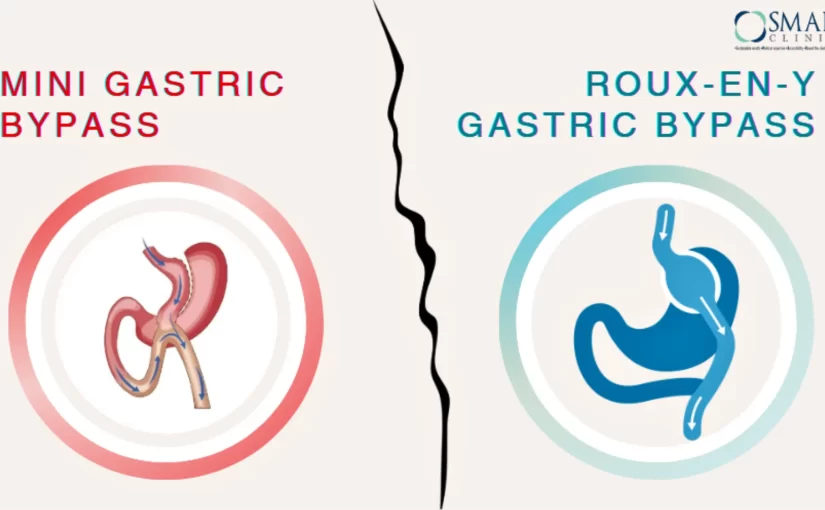
Mini Gastric Bypass vs Roux-en-Y Gastric Bypass

Understanding Your Weight Loss Journey

Embarking on a weight loss journey is a deeply personal experience. As obesity rates continue to rise globally, many people are turning to surgical solutions to help achieve substantial weight loss and improve their overall health.

This blog post addresses this concern and offers a comprehensive overview of Roux-en-Y Gastric Bypass (RYGB) and Mini Gastric Bypass, two popular weight loss surgeries. It discusses the procedures, benefits, and potential risks associated with each option. The article also explores the criteria for eligibility for bariatric surgery in India and offers guidance on choosing a qualified bariatric surgeon in Delhi. Ultimately, the goal is to empower individuals considering weight loss surgery to make informed decisions based on their specific needs and goals.

Introduction 

When considering weight loss surgery, understanding the available options is crucial. Two common procedures, Roux-en-Y Gastric Bypass (RYGB) and Mini Gastric Bypass, offer significant weight loss benefits but differ in their techniques and outcomes.

On average, people who undergo gastric bypass surgeries, lose 70 to 80% of excess body weight. However, it’s important to remember that these surgeries require a lifelong commitment.

This blog will delve into the details of 2 such procedures, helping you make an informed decision about which is best suited to your individual needs.

What is Roux-en-Y Gastric Bypass (RYGB) Surgery?

Roux-en-Y Gastric Bypass (RYGB) is a more traditional weight loss surgery that involves creating a small stomach pouch and bypassing a portion of the small intestine. This rerouting of the digestive system leads to reduced food intake and absorption, resulting in significant weight loss.

How RYGB Works:

  • Stomach pouch creation: The upper portion of the stomach, near the oesophagus, is stapled to create a small pouch that holds less food. 
  • Intestinal rerouting: The lower section is attached directly to the new stomach pouch, creating a pathway called the “roux limb.” The upper section of the small intestine, which carries digestive juices, is then attached further down the digestive tract, to the end of the roux limb. This allows food to bypass the lower stomach, the duodenum (the first part of the small intestine), and a portion of the small intestine itself. 
  • Reduced food intake and absorption: The rerouted digestive system limits the amount of food that can be consumed at once and reduces the absorption of nutrients.

Benefits of RYGB Surgery:

  • Significant weight loss: Patients often experience substantial weight loss within the first year of surgery.
  • Improved health outcomes: RYGB can address obesity-related health conditions such as diabetes, high blood pressure, and sleep apnea.
  • Long-term weight loss maintenance: Many individuals who undergo RYGB surgery are able to maintain their weight loss over the long term.

What is Mini Gastric Bypass Surgery?

Mini Gastric Bypass, also known as one anastomosis gastric bypass, is a less invasive procedure compared to the traditional Roux-en-Y Gastric Bypass. It involves creating a small stomach pouch to limit food intake and rerouting part of the small intestine to reduce nutrient absorption.

How Mini Gastric Bypass Works:

  • Stomach pouch creation: Similar to RYGB, the surgeon makes your stomach smaller by stapling and reshaping it into a long, slender pouch.
  • Direct connection: A new path is created for the food to pass through. A section of your small intestine is connected to the new stomach pouch. This bypasses the lower part of your stomach, the duodenum, and some of your small intestine.
  • Reduced food intake and absorption: The rerouted digestive system limits the amount of food that can be consumed and reduces the absorption of nutrients.

Benefits of Mini Gastric Bypass Surgery:

  • Potential Reversibility: Unlike some weight loss surgeries, Mini Gastric Bypass is potentially reversible due to its simpler design.
  • Reduced risk of obesity-related comorbidities: Mini Gastric Bypass can help address other health conditions associated with obesity, such as high blood pressure and sleep apnea like in RYGB.
  • Less restrictive: Mini Gastric Bypass may allow for a more flexible diet compared to RYGB.

Which Gastric Bypass Surgery is Right for You?

The decision between Roux-en-Y Gastric Bypass and Mini Gastric Bypass depends on various factors, including:

  • Individual health goals: Consider your desired level of weight loss and any specific health conditions you want to address.
  • Medical history: Discuss any existing medical conditions or risk factors with your surgeon.
  • Lifestyle factors: Consider your dietary habits, exercise routine, and overall lifestyle.

There are minor differences in these two procedures. With different advantages and disadvantages, the best outcome will depend by making an informed choice in consultation with your bariatric surgeon.

Who is Bariatric Surgery for?

  • Bariatric/metabolic surgery should be considered a treatment option for acceptable Indian patients with a BMI ? 35 kg/m2, with/without the presence of any obesity-related co-morbidity.
  • Bariatric/metabolic surgery should be considered a treatment option for acceptable Indian patients with a BMI ? 30 kg/ m2, in the presence of two or more obesity-related co-morbidities.
  • Bariatric/metabolic surgery should be considered as a non-primary treatment option for acceptable Indian patients with a BMI ? 27.5 kg/ m2, with uncontrolled type 2 diabetes despite optimum medical management.
  • Any bariatric/metabolic surgery for an Indian patient with a BMI < 27.5 kg/ m2 should be strictly performed under an experimental study protocol with prior ethics committee approval and informed consent from the patient.
  • Bariatric/metabolic surgery should be considered as a treatment option for acceptable Indian patients with central obesity with a waist circumference ? 80 cm in females and ? 90 cm in males along with type 2 diabetes and other obesity-related co-morbidities.
  • Bariatric/metabolic surgery may be advised as a treatment option for acceptable Indian patients who qualify for the above BMI criteria if they are ? 18 years of age. It may be advised as a treatment option to patients younger than 18 years of age under special circumstances with the approval of a multi-disciplinary team constituting a pediatrician, endocrinologist, dietician, psychologist, and a bariatric team including a bariatric surgeon. Attainment of puberty and completion of skeletal maturity must be taken into account for this patient population when considering the option of surgery.
  • Bariatric/metabolic surgery should be advised as a treatment option for acceptable Indian patients who qualify for the above BMI criteria for patients up to 65 years of age. Bariatric/metabolic surgery may also be recommended for patients ? 65 years of age if they are medically fit, and the benefits of surgery outweigh the risks.
  • All patients who are advised of bariatric/metabolic surgery as a treatment option should be motivated to enter a long-term weight management program and should be committed to life-long follow-up.
  • Long-term weight management programs and follow-ups must be provided by all bariatric teams.

Choosing a Bariatric Surgeon in Delhi

It’s essential to consult with a qualified bariatric surgeon who can assess your individual needs and recommend the most appropriate procedure. A bariatric surgeon can provide personalized guidance, address your questions and concerns, and help you make an informed decision.

Ready to take the next step towards a healthier you?
Here’s a quick checklist to help you find the perfect fit:

  • Experience and qualifications: Look for a surgeon with extensive experience in performing weight loss surgeries.
  • Board certification: Ensure the surgeon is board-certified in bariatric surgery.
  • Hospital affiliation: Consider the surgeon’s affiliation with reputable hospitals in Delhi.
  • Patient reviews and testimonials: Read reviews and testimonials from previous patients to get a sense of the surgeon’s expertise and patient satisfaction.

Preparing for Weight Loss Surgery

If you decide to undergo weight loss surgery, it’s important to prepare for the procedure and the recovery process. This may involve:

  • Making lifestyle changes: Adopting healthier eating habits and increasing physical activity can help you prepare for surgery and improve your overall health.
  • Undergoing pre-operative evaluations: You may need to undergo various medical tests and evaluations to assess your suitability for surgery.
  • Following pre-operative instructions: Your surgeon will provide specific instructions to follow before the procedure.

Recovery and Post-Operative Care

Recovery from weight loss surgery typically involves a hospital stay of several days, followed by a period of at-home recovery. During this time, you will need to follow your surgeon’s instructions for wound care, medication, and dietary restrictions.

Long-Term Follow-Up

After surgery, it’s important to attend regular follow-up appointments with your bariatric surgeon. These appointments will help monitor your progress, address any concerns, and ensure that you are receiving the necessary support for long-term weight loss maintenance.

Conclusion: Mini Gastric Bypass vs Roux-en-Y Gastric Bypass

Both, Roux-en-Y Gastric Bypass and Mini Gastric Bypass, surgeries offer significant potential for weight loss and improved health outcomes. By understanding the differences between these procedures and consulting with a qualified bariatric surgeon, you can make an informed decision that aligns with your unique needs and goals. Remember, the journey to a healthier you, begins with taking the first step and seeking the right guidance.

Life After Intragastric Balloon Procedure

Life After Intragastric Balloon Procedure: Maintaining Your Weight Loss Success

Intragastric balloon therapy is a non-surgical weight management option that involves placing a temporary, saline-filled device in your stomach through an endoscope. By occupying space, the balloon helps you feel fuller sooner, reducing your overall food intake.

This procedure can be a viable choice if you’ve struggled to achieve your weight goals through diet and exercise alone.

Intragastric balloon procedures typically result in weight loss of 5-15 kilograms, but individual outcomes can vary based on factors such as initial weight, commitment to a healthy lifestyle, balloon type, and metabolic rate. These procedures are generally intended for individuals without any underlying health conditions.

However, it’s important to remember that sustained weight loss requires a holistic approach. Adopting lasting healthy habits, such as nourishing your body with balanced meals and engaging in regular physical activity, is crucial for long-term success.

Understanding the Intragastric Balloon Procedure

Since the beginning of the 1980s, the global prevalence of obesity has substantially increased. An approximate one in three adults is categorized as overweight or obese, equating to greater than 1.4 billion adults. The soaring rates of obesity have triggered a parallel epidemic of associated health problems. These include hypertension, hyperlipidemia, cardiovascular disease, diabetes mellitus, orthopedic conditions, gastroesophageal reflux disease, metabolic dysfunction, psychiatric disorders, obstructive sleep apnea, non-alcoholic fatty liver disease, and cancers.

While bariatric surgery is considered the most effective treatment modality for morbid obesity, the eligibility criteria for these surgical interventions, such as Roux-en-Y gastric bypass, duodenal switch, and laparoscopic sleeve gastrectomy, are clearly defined. Patients must typically exhibit a body mass index (BMI) surpassing 25 kg/m² to qualify as candidates for surgery.

Intragastric balloon therapy is a less invasive but temporary weight management solution compared to the more comprehensive and lasting effects of bariatric surgery. However, it’s essential to emphasize that, like any weight management intervention, long-term success hinges on consistent lifestyle modifications.

Intra-gastric balloon treatment offers flexible options for weight management

  • Standard duration: The balloon typically remains in place for around 6 months.  
  • Refill: Some types of balloons can be refilled to extend their duration, often up to a year.
  • Customization: Treatment plans and the size of the balloon can be tailored to individual needs.
  • Reversible: It refers to the ability to remove the device once its intended purpose has been achieved. The primary method for removing an IGB is through endoscopy.

Immediate Post-Procedure Care

Effective intragastric balloon procedure requires a programmatic approach. Before the procedure, patients should collaborate with a nutritionist to develop a tailored meal plan. A multidisciplinary team, including your surgeon, will provide ongoing care for up to a year, encompassing the balloon placement and post-removal periods.

Failing to remove an intragastric balloon after its prescribed duration can have serious health consequences.

Potential complications include:

  • Balloon migration: The balloon may shift from the stomach into the intestines, causing a blockage that can lead to severe abdominal pain, vomiting, and the need for urgent surgery.
  • Infection: Prolonged balloon placement can increase the risk of infection.
  • Gastric ulcers: The balloon may irritate the stomach lining, raising the risk of developing ulcers.
  • Weight regain: The benefits of the balloon may decrease over time, and individuals may regain weight if it’s not removed as scheduled.

It’s essential to adhere to your healthcare provider’s instructions regarding balloon removal to avoid these complications.

Consistent exercise and dietary adherence are crucial throughout the process.

To minimize discomfort, patients typically follow a liquid diet for the first week, transitioning to soft foods in the second week, and gradually reintroducing solid foods, thereafter.

Dietary Adjustments and Nutrition

Intragastric ballooning is known to help one lose between 5 and 15 kilograms over six months to a year. By occupying space in your stomach, the balloon helps you feel fuller sooner, reducing cravings and portion sizes.

The process involves several stages:

  • Initial weeks: After the procedure, you’ll transition from clear fluids to pureed foods, then soft foods, before gradually returning to a normal diet. This takes about four weeks, but recovery times vary.
  • Diet: During the first week, stick to clear fluids, avoiding straws and carbonated drinks. Gradually increase fluid intake to ten cups daily, including dairy for essential nutrients.
  • Progression: As you recover, incorporate pureed foods like khichdi and porridge into your diet. Chew slowly and stop eating when full. In the third week, you can start soft foods. After four weeks, you can gradually return to normal eating but remember to eat slowly, in small portions, and increase physical activity like walking. This procedure requires patience and discipline. By combining the balloon with a healthy diet and regular exercise, you can achieve significant weight loss and improve overall health.

Incorporating Physical Activity

You might be eager to get back to your regular workout routine after receiving a gastric balloon. While it’s possible to resume exercise sooner than you might expect, it’s important to listen to your body and progress gradually.

To allow your body to adjust to the changes in food and fluid intake, it’s recommended to avoid strenuous physical activities such as sports for approximately one to two weeks post-procedure.

During this initial period, gentle activities like leisure walking while staying well-hydrated are encouraged.

Once you’ve acclimated to the balloon and the first week has passed, you can gradually increase the intensity and duration of your physical activities. Choosing enjoyable exercises can help you stay motivated. Remember to start slowly and listen to your body’s signals.

Your healthcare team can provide personalized guidance based on your specific circumstance and recovery. By working together, you can develop an exercise plan that supports your weight loss goals and overall well-being.

Psychological and Emotional Support

The psychological dimensions of weight loss are often overlooked. For individuals undergoing intragastric balloon therapy, emotional well-being significantly impacts weight loss maintenance.

Initially, intragastric balloon therapy can boost self-confidence dramatically as patients experience physical transformations. This newfound positivity often fuels motivation for sustained lifestyle changes. However, the weight loss journey remains challenging, requiring emotional resilience to overcome obstacles.

The journey post-procedure requires both, physical as well as, emotional fortitude. A supportive environment, fostered by positive feedback and encouragement, can further enhance the emotional benefits of intragastric balloon therapy. The interplay between physical and psychological factors underscores the importance of a holistic approach to weight management.

Ultimately, intragastric balloon therapy can be a catalyst for broader personal growth and improved quality of life.

Regular Monitoring and Follow-Up

Regular check-ups are essential after Intragastric Balloon (IGB) placement. These visits allow your healthcare team to monitor your progress, address any concerns, and ensure your overall well-being.

During these appointments, you will undergo assessments to evaluate:

  • Physical health, including weight loss, any side effects experienced, and overall physical condition.
  • Nutritional status, to ensure you are getting the necessary nutrients.
  • Psychological well-being, as emotional factors play a significant role in weight management.

It’s important to be open and honest with your healthcare provider about any symptoms or challenges you may be facing. This information helps them provide the best possible care and support.

Conclusion: Your Journey to Lasting Success

Obesity is a complex metabolic disorder with numerous associated health problems. Effective and safe weight management options have been in high demand. The intragastric balloon offers a promising intermediate treatment between medical therapy and surgical intervention for obesity. Compared to medical treatments, it may provide superior outcomes while carrying a lower risk profile.

Additionally, the intragastric balloon can serve as a valuable initial treatment for high-risk obese individuals who will eventually require surgery. By improving weight loss and overall health, it can help reduce the risks associated with surgical procedures.

References:

  1. https://www.mayoclinic.org/tests-procedures/intragastric-balloon/about/pac-20394435#:~:text=Intragastric%20balloon%20placement%20is%20a,that%20does%20not%20require%20surgery.
  2. https://www.ncbi.nlm.nih.gov/books/NBK578184/
  3. https://www.atulpeters.com/blog/diet-after-intra-gastric-ballooning/
  4. https://lsdc.uk/exercising-with-a-temporary-gastric-balloon/#:~:text=It’s%20recommended%20that%20you%20avoid,you%20can%20start%20leisure%20walking.
  5. https://obesity-care-clinic.com/weight-loss-medical-solutions/gastric-balloon/gastric-balloons-and-emotional-well-being-a-winning-combination
  6. https://www.ncbi.nlm.nih.gov/pmc/articles/PMC9416269/
  7. https://www.atulpeters.com/success-stories
  8. https://www.ncbi.nlm.nih.gov/pmc/articles/PMC4917609/

Finding the Best Weight Loss Surgeon in Delhi

Finding the Best Weight Loss Surgeon in Delhi: Key Factors to Consider

Choosing the right surgeon for one’s weight loss surgery is a crucial decision that can significantly impact your health and well-being. With numerous options available in Delhi, it’s essential to consider several key factors to find the best surgeon for your surgery. 

Delhi, a bustling metropolis, offers an extensive choice of surgeons, each with their own expertise and experience. From traditional bariatric surgeries to innovative new age robotics, the city caters to diverse patient needs. and navigating this landscape so as to make an informed choice requires careful research and consideration. 

I’m interested in weight loss surgery. How do I choose the best surgeon for my needs? 

When selecting a weight loss surgeon, prioritize the following qualities: 

  • Experience: A surgeon with a proven track record of successful weight loss surgeries is more likely to deliver positive outcomes. Look for individuals who have performed a significant number of procedures and have a reputation for excellence. 
  • Certifications: Ensure the surgeon is certified by recognized professional bodies, such as the American Board of Obesity Medicine or the American College of Surgeons, American Society for Metabolic & Bariatric Surgery (ASMBS), and the Obesity & Metabolic Surgery Society of India (OSSI). These certifications validate their expertise and adherence to industry standards. 
  • Specialization: Consider surgeons who are trained and specialize in weight loss surgery. This focus indicates a deep understanding of the field and a commitment to providing the best possible care. 
  • Patient Reviews and Success Stories: Read patient reviews and testimonials to gauge the surgeon’s reputation and patient satisfaction. Look for feedback on their bedside manner, communication skills, and overall outcomes. 

Beyond the Basics 

  • Surgical Approaches: Discuss the different surgical approaches offered by the surgeon, such as gastric sleeve or gastric bypass. Your surgeon can help you determine the best option based on your individual needs and goals. 
  • Minimally Invasive Surgery: Inquire about the surgeon’s experience with minimally invasive techniques, which can often lead to less pain and a faster recovery. 
  • Bariatric Center of Excellence: Choose a surgeon under whose mentorship the department is being awarded as the Bariatric Center of Excellence, accredited by the Surgical Review Corporation (SRC). These centers provide the highest standards of care and support. 
  • Team Qualifications: Assess the qualifications and experience of the surgeon’s team, including any Bariatric Care Specialists certified by the SRC. 
  • Pre- and Post-Surgery Support: Inquire about the pre-and post-surgery education and support programs offered by the surgeon and their team such as long-term follow-up, patient support group meetings, connecting with other operated patients, etc.  
  • Communication and Comfort: Ensure you feel comfortable and confident in your interactions with the surgeon. Ask questions and express your concerns to gauge their responsiveness and understanding. 

Consultation Process: What to Expect 

The process of consulting with a weight loss surgeon typically begins with a comprehensive evaluation. During this initial appointment, the surgeon will carefully assess your medical history, current health status, and weight loss goals. They will also discuss the various weight loss surgery options available, their potential benefits, and associated risks. 

To ensure your suitability for surgery and identify any underlying health conditions, the surgeon may recommend a series of assessments, including blood tests, physical examinations, and psychological evaluations. 

Your surgeon will provide guidance on pre-surgery preparations. This may involve dietary changes, medication adjustments, and lifestyle modifications to optimize your health and prepare for the surgical procedure. 

Why Choose Dr. Atul Peters for Metabolic or Bariatric Surgery? 

Dr. Atul N. C. Peters is a renowned surgeon and the Senior Director and Head of the Department of Bariatric, Minimal Access, and Robotic Surgery at Max Smart Super Speciality Hospital, Saket, Delhi, India. With over two decades of experience, he has established the department as a leading center of excellence. Dr. Peters’ expertise and dedication to patient care have earned him international recognition, including the prestigious Surgeon of Excellence accreditation from the Surgical Review Corporation. 

His contributions extend beyond clinical practice. Dr. Peters is a mentor to aspiring surgeons and has played a pivotal role in advancing the field through research and innovation. His commitment to providing the highest quality care has earned him respect in the medical community. 

Conclusion 

Choosing the best weight loss surgeon is a crucial step towards achieving your weight loss goals. By carefully considering factors such as experience, certifications, specialization, and patient reviews, you can make an informed decision and find a surgeon who is committed to providing exceptional care. 

Ready to take the next step towards a healthier you? Consult with the best weight loss surgeon in Delhi today. Schedule a consultation and explore the life-changing benefits of weight loss surgery. 

How Weight Loss Surgery Can Improve Health and Wellbeing

Imagine a life where every step feels like a struggle, and your breath hitches with every simple task. That’s the harsh reality for many living with severe obesity.

Struggling with obesity can be overwhelming, impacting daily life and long-term health. obesity-related comorbidities like heart disease, diabetes, and high blood pressure can significantly affect one’s quality of life. Weight loss surgery offers a lifeline to those battling not just the bulge, but a cascade of health problems that come with it.

It not only improves mobility by taking pressure off joints but also reduces the risk of associated health complications. For some, the most life-changing benefit is the effective management & control of type 2 diabetes, often happening soon after surgery.

Understanding Weight Loss Surgery

Weight loss surgery, also known as bariatric surgery, includes interventions such as gastric bypass and sleeve gastrectomy and offers a transformative approach to obesity management by modifying the anatomy of the stomach and small intestine. These interventions act on the body’s hormonal signaling system, influencing satiety (feeling of fullness) and hunger cues, while also impacting metabolic processes that regulate calorie intake. As a result, individuals experience a shift in their physiological makeup, facilitating significant and fast weight loss.

If you qualify for bariatric surgery, your weight loss surgeon and the healthcare team will determine the best surgical intervention for you and tailor a pre-surgery plan specific to your needs accordingly. Your pre-surgery preparation may involve:

Medical Checkups: Expect pre-operative lab tests and physical exams to establish your fitness levels for surgery.

Dietary and Medication Adjustments: You may receive instructions on what to eat and drink, and which medications (if any) need to be stopped or taken before surgery.

Exercise and Lifestyle Changes: Starting a physical activity program and quitting tobacco and alcohol might be crucial for a successful surgery and recovery.

Health Benefits of Weight Loss Surgery

Imagine shedding 70 to 80% of your excess weight and keeping it off for good!
Bariatric surgery offers impressive long-term success rates. Patients achieve substantial weight loss, shedding around 70 to 80% of their excess weight and keeping it off in the long term. Beyond the numbers, the impact is life-changing. Many report increased energy, reduced pain, and the ability to engage in activities they once struggled with. The rapid weight loss even triggers hormonal changes that further support weight management. Remember, consistency is key! Regular exercise and a healthy diet regimen after surgery play a crucial role in maintaining weight loss and newfound vitality.

Moreover, studies show a significant reduction in the risk of death from various conditions:

  • Heart Disease: Patients see a remarkable 40% decrease in their risk of dying from heart-related issues.
  • Diabetes: The risk of death from diabetes plummets by an impressive 92% after surgery.
  • Cancer: The chances of succumbing to cancer also see a significant 60% drop.

Well-being and Quality of Life Improvements

Diet-induced weight loss often isn’t sufficient nor sustainable, so health complications associated with obesity tend to persist.

Bariatric surgery offers a significant transformation that extends far beyond just weight loss. While significant weight loss is a key benefit, the true magic lies in the overall health improvements it unlocks. Patients report a surge in energy, a brighter outlook, and a newfound confidence that empowers them to fully embrace life. Activities that may have once been difficult or avoided become accessible, leading to a more fulfilling lifestyle.

The positive impact doesn’t stop there. Bariatric surgery becomes a catalyst for adopting healthier habits, including better food choices and regular exercise. This ripple effect often extends to loved ones, creating a supportive and healthy environment within families. Ultimately, weight loss surgery empowers patients to take control of their health, not just for the present, but for the long term. It’s a testament to the power of modern medicine in promoting a healthier, longer, and more fulfilling life.

Who Should Consider Weight Loss Surgery?

If you are trying hard to lose weight and/or have been battling weight-related complications, you might be wondering if weight loss surgery is a viable option for you. It is important to understand that Weight Loss Surgery is not a one-size-fits-all solution. Here’s a breakdown of who might be a good candidate for bariatric or weight loss surgery:

  • BMI above 32.5 kg/m2 with obesity-related co-morbidities
  • BMI above 37.5 kg/m2 without co-morbidities.
  • BMI > 30 kg/m2 with life-threatening obesity-related disorders like uncontrolled diabetes, cardiovascular disease/cardiomyopathy, and severe obstructive sleep apnoea.
  • Patients motivated to lose weight and are committed to long-term follow-up.
  • Patients who have unsuccessfully attempted conservative methods of weight loss in the past.
  • Weight Loss Surgery is to be considered only between the ages of 18 – 65 years.
  • Weight Loss surgery may be considered in patients more than 65 years old in case of severe obesity-related co-morbidities/disability.
  • Weight Loss Surgery may be considered in patients < 18 years in special situations as recommended by a trained pediatrician/endocrinologist, or after attainment of puberty/completion of skeletal maturity.

Weight Loss surgery is a life-changing procedure, and the surgeon you choose plays a critical role in your safety, success, and overall experience. Here’s why selecting a right bariatric surgeon is crucial:

  • Long-Term Support: A good bariatric surgeon offers comprehensive care beyond surgery. They will guide you through pre-operative education, support you during recovery, and provide long-term follow-up care. This includes nutritional counseling, managing potential side effects, and monitoring your overall health.
  • Understanding Your Needs:   Not all bariatric surgeries are the same. A skilled surgeon will take the time to understand your individual needs, medical history, and weight loss goals. They should discuss the various bariatric surgery options available (gastric bypass, sleeve gastrectomy, etc.) and explain the advantages and disadvantages of each concerning your specific situation.
  • Experience Matters:  Look for a surgeon who specializes in bariatric surgery and has a high volume of successful weight loss procedures under their belt.  Experience translates to better surgical technique, improved efficiency, and a deeper understanding of potential complications and how to manage them.

Why Choose Dr. Atul Peters for Metabolic or Bariatric Surgery?

At Smart Cliniqs, we’re dedicated to your overall well-being, from the surgery itself to your post-operative recovery. Dr. Atul Peters, a renowned bariatric surgeon with over two decades of experience, has successfully performed numerous surgeries and is passionate about helping patients achieve their health goals. He leads comprehensive bariatric programs both locally and nationally, supported by a highly skilled team. Our global certification and active involvement in various National & International Surgical Societies underscores to our commitment to providing you with the best possible care.

Conclusion

While undergoing a weight loss surgery, you need to understand that results can vary, and long-term success requires a commitment from your side as well. Remember, obesity is a chronic condition, and additional treatments might be needed down the road. There are different surgical options with varying risks and benefits. Discuss these with your surgeon to see which weight loss surgery works for you.

References:

  1. Managing obesity (bomss.org)
  2. https://www.sages.org/
  3. https://asmbs.org/for-patients/
  4. https://www.niddk.nih.gov/health-information/weight-management/bariatric-surgery
  5. Obesity & Metabolic Surgery Society of India – OSSI (theossi.com)
  6. Best Weight Loss Surgery in Delhi NCR, Weight Loss Treatment India (atulpeters.com)
  7. Bariatric surgery – Mayo Clinic

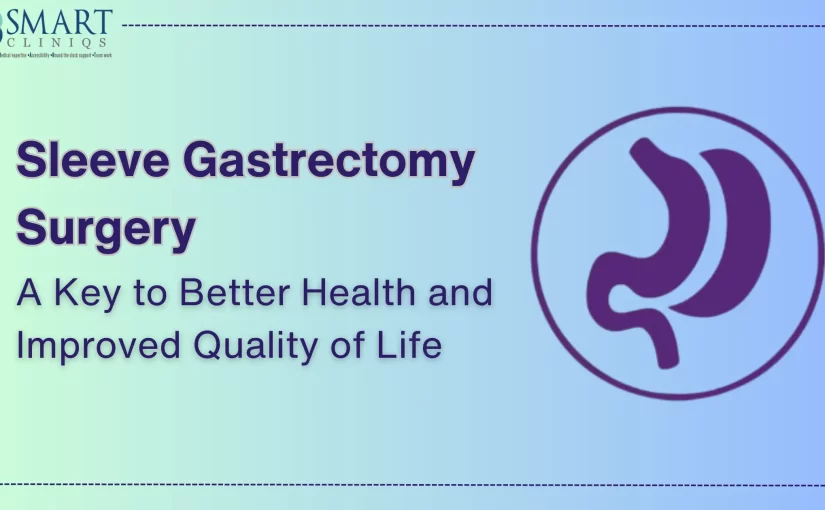
Sleeve Gastrectomy Surgery: A Key to Better Health and Improved Quality of Life

Sleeve gastrectomy is a weight-loss surgery that involves reducing the size of the stomach into a tube-like shape. This is often referred to as vertical sleeve gastrectomy surgery or gastric sleeve.

This procedure helps patients eat less by limiting stomach capacity, without altering the digestive process. It’s primarily used for individuals with a BMI of 30 or higher.

Sleeve gastrectomy is considered a relatively safer surgical intervention. The procedure is typically performed using minimally invasive techniques, such as laparoscopy or robotic surgery.

Understanding Sleeve Gastrectomy Surgery

Sleeve gastrectomy involves the removal of approximately 75% of the stomach, leaving a tubular-shaped remnant. Unlike other weight-loss surgeries, it doesn’t alter the anatomy of the small intestine.

The bariatric procedure is performed under general anaesthesia. Surgeons typically employ a minimally invasive approach using laparoscopic/robotic surgery, which involves several small incisions in the abdomen. The method entails removing approximately 75-80 percent of the stomach, and reshaping the remaining portion into a narrow, banana-shaped sleeve using surgical staples. Once completed, the incisions are closed. The entire procedure usually takes between 30 to 45 minutes.

Sleeve gastrectomy significantly impacts appetite regulation by modifying gut signals associated with taste, hunger, and blood sugar control. The reduced stomach capacity limits food and liquid intake, contributing to weight loss by decreasing calorie consumption.

Moreover, by removing the portion of the stomach responsible for producing a significant amount of the “hunger hormone,” sleeve gastrectomy influences metabolism, reducing hunger, enhancing feelings of fullness, and facilitating weight management and improved blood sugar control.

Health Benefits of Sleeve Gastrectomy

People who undergo sleeve gastrectomy typically lose between 70 to 80 percent of their excess body weight. The bariatric procedure offers a transformative approach to weight management, providing a range of benefits that contribute to improved overall health and quality of life.

  • Technically simple and shorter surgery time
  • Can be performed on certain patients with high-risk medical conditions
  • May be performed as the first step for patients with severe obesity
  • May be used as a bridge to gastric bypass or SADI-S procedures
  • Effective weight loss and improvement of obesity-related medical conditions

Quality of Life Improvements

A remarkable 95% of patients reported a significant enhancement in quality of life following bariatric surgery, while mortality rates decreased by a substantial 89% within five years.

  • Migraines 57% resolved 
  • Depression 55% resolved 
  • Pseudotumor cerebri 96% resolved 
  • Obstructive sleep apnea 74% -98% resolved 
  • Dyslipidemia hypercholesterolemia 63% resolved 
  • Asthma 82% improved or resolved 
  • Cardiovascular disease 82% risk reduction 
  • Hypertension 52% -92% resolved 
  • Non-alcoholic fatty liver disease 90% improved steatosis; 37% resolution of inflammation; 20% resolution of fibrosis 
  • GERD 72% -98% resolved 
  • Metabolic syndrome 80% resolved 
  • Type II diabetes mellitus 83% resolved 
  • Stress urinary incontinence 44% -88% resolved 
  • Polycystic ovarian syndrome 79% resolution of hirsuitism; 100% resolution of menstrual dysfunction 
  • Degenerative joint disease 41% -76% resolved 
  • Venous stasis disease 95% resolved 

Who Should Consider Sleeve Gastrectomy?

Bariatric surgery can be considered an appropriate alternative for:

  • BMI above 32.5 kg/m2 with obesity-related co-morbidities
  • BMI above 37.5 kg/m2 without co-morbidities
  • BMI > 30 kg/m2 with life-threatening obesity-related disorders like uncontrolled diabetes, cardiovascular disease/cardiomyopathy and severe obstructive sleep apnea
  • Patients motivated to lose weight and committed to long-term follow-up
  • Patient should have attempted conservative methods of weight loss and failed in the past
  • Bariatric surgery is to be considered only between the ages of 18 – 65 years
  • Bariatric surgery may be considered in patients more than 65 years in the presence of severe obesity-related co-morbidities/disability
  • Bariatric surgery may be considered in patients < 18 years in special situations after paediatrician/endocrinology certification, or after attainment of puberty or completion of skeletal maturity

Bariatric surgery offers potential benefits, but it’s essential to weigh these against individual risks. Your weight, age, and medical history play a crucial role in determining your suitability for surgery. To make an informed decision, careful consideration of specific guidelines and patient factors is necessary.

Choosing the Best Weight Loss Surgeon and Facility

Your choice of clinic and surgical team plays a crucial role in the success of your sleeve gastrectomy. Here’s why top bariatric surgery centres can make all the difference:

  • Expertise at Every Step: A renowned bariatric surgeon runs a comprehensive bariatric program with all the infrastructure required to facilitate bariatric surgery candidates. They’ll guide you through pre-operative evaluation, ensure you have access to state-of-the-art surgical facilities, and provide extensive support post-surgery.?
  • A Team You Can Trust: To run a comprehensive bariatric program, it is essential that the team comprises a Bariatric Surgeon, Bariatric Nurse, Bariatric Dietician, Program Managers and Coordinators to provide the best guidance and facility.

Before deciding, take some time to research renowned bariatric surgeons. Here are some key factors to consider:?

  • Accreditation: Look out for clinics and surgeons accredited by recognized healthcare organizations, ensuring they meet the highest safety standards.?
  • Surgeon’s Qualification: Research the surgeon’s experience and qualifications in performing sleeve gastrectomy. ?
  • Success Rates: Inquire about the surgeon’s success rates for the procedure.?
  • Patient Testimonials: Reading real patient experiences can offer valuable insights into the surgeon’s approach and patient care.?

Real-Life Success Stories

Peter Arthur, a Kenyan businessman, was struggling with severe obesity, diabetes, hypertension, high cholesterol, joint pain, and backache. His weight of 171 kilograms significantly impacted his professional and personal life.

Despite repeated attempts at diet and exercise, he was unable to achieve sustainable weight loss.

Bariatric surgery ultimately proved to be a successful intervention, leading to a weight loss of nearly 45 kilograms within a year. As a result, he has experienced significant improvements in his overall health and quality of life.

Conclusion

Sleeve gastrectomy offers a transformative path to improved health and well-being for individuals struggling with obesity. By reducing stomach capacity and regulating hunger and satiety hormones, this procedure can lead to significant weight loss and the resolution of obesity-related health conditions. However, it’s essential to remember that surgery is just the beginning. Long-term success depends on adopting healthy lifestyle changes, including balanced nutrition and regular exercise.

In cases of extreme obesity (BMI 60 or above), sleeve gastrectomy surgery can be the initial step in a two-part surgical plan. This first surgery helps patients lose significant weight, making them healthier candidates for a second weight-loss procedure, if necessary.

If you’re considering sleeve gastrectomy surgery, it’s crucial to consult with a qualified bariatric surgeon to determine if you’re a suitable candidate. By partnering with experienced professionals and committing to a holistic approach, you can embark on a journey towards a healthier, happier you.

Remember, every individual’s experience is unique. While sleeve gastrectomy has shown remarkable results for many, it’s important to manage expectations and understand the potential risks and benefits involved.

Banded Gastric Bypass Achieve Lasting Weight Loss

At times, following a healthy lifestyle, diet and exercise alone isn’t helpful in losing those extra kilos putting you at risk of developing obesity-related complications like diabetes and hypertension. In such a scenario, Bariatric surgery is a suitable and established alternative to lose weight.

One such surgical intervention is Banded gastric bypass. Like other bariatric surgeries, it can help patients achieve significant and sustained weight reduction, thereby enhancing their overall well-being.

Understanding Banded Gastric Bypass 

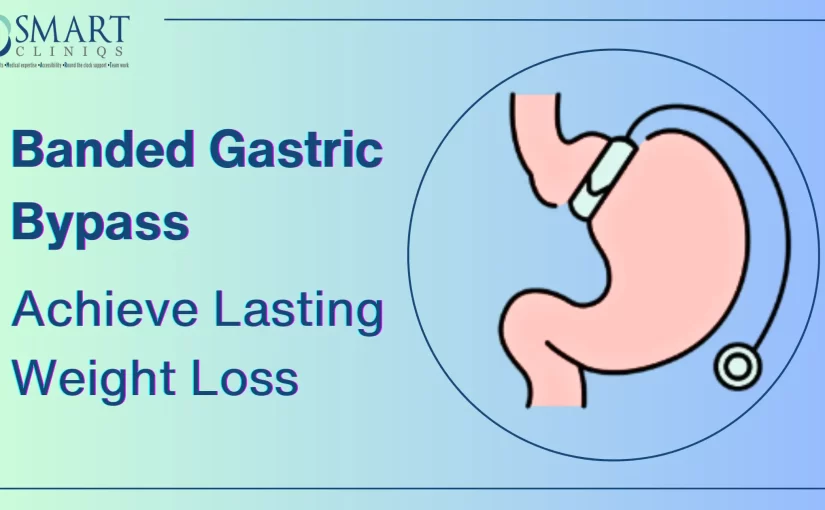
Banded bypass surgery is a modification of the Roux-en-Y Gastric Bypass (RYGB) that enhances its restrictive component. In the bariatric procedure, a band encircles the upper portion of the stomach pouch, created during the RYGB surgery.

This band, in conjunction with the bypass, aims to

  • Calibrate and standardize the size of the pouch and the stoma (the opening between the stomach pouch and the small intestine).
  • Reinforce the sizes to improve the restrictive effect of the surgery.

The rationale for adding a band is to further restrict the size of the stomach pouch and the stoma which helps in slowing the passage of food and preventing overeating. This modification is intended to sustain weight loss for a long-term.

It’s a minimally invasive procedure performed under general anaesthesia.

How Banded Gastric Bypass Presents a Unique Approach?

Banded gastric bypass offers numerous benefits. Patients often experience:

  • Long-term maintenance of weight loss
  • Reduced risk of obesity-related co-morbidities, such as Hypertension (High Blood Pressure), Type 2 Diabetes Mellitus, and Sleep Apnea
  • This minimally invasive surgery restricts food intake and, helps to achieve significant weight loss

With its advantages, Banded Gastric Bypass surgery proves to be an effective option for combating obesity and its associated health issues.

Who Should Consider Banded Gastric Bypass?

Banded Bariatric Procedure can be considered an appropriate alternative for:

  • BMI above 32.5 kg/m2 with obesity-related co-morbidities
  • BMI above 37.5 kg/m2 without co-morbidities
  • BMI > 30 kg/m2 with life-threatening obesity-related disorders like uncontrolled diabetes, cardiovascular disease/cardiomyopathy and severe obstructive sleep apnea
  • Patients motivated to lose weight and committed to long-term follow-up
  • Patient should have attempted conservative methods of weight loss and failed in the past
  • Bariatric Surgery to be considered only between the ages of 18 – 65 years
  • Bariatric surgery may be considered in patients more than 65 years in the presence of severe obesity-related co-morbidities/disability
  • Bariatric Surgery may be considered in patients < 18 years in special situations after paediatrician endocrinology paediatrician/endocrinology certification, or after attainment of puberty or completion of skeletal maturity

Banded Gastric Bypass is proven to be an effective approach to reducing BMI and maintaining a healthy weight.

Success Stories: Real-life Transformation

Dr. Vivek Gupta, a senior orthopaedic and joint replacement surgeon, has openly shared his successful journey with gastric bypass surgery. Struggling with obesity since childhood, his weight peaked at around 130 kilograms, accompanied by alarmingly high cholesterol levels. His blood pressure soared to dangerous levels of 210 over 140. Despite rigorous exercise and strict dietary regimens, he was unable to shed the excess weight.

Dr. Gupta underwent gastric bypass surgery and achieved a remarkable weight loss of 89 kilograms in a relatively short period. Now he enjoys a higher quality of life and has experienced a significant boost in self-confidence.

Embracing a Healthier Future

Banded Gastric Bypass is a promising option for those battling obesity. This minimally invasive procedure offers significant weight loss and tackles obesity-related health concerns.

While Banded Gastric Bypass offers a compelling choice, it is necessary to consult an accredited surgeon about the type of bariatric surgery suitable for you, based on your anatomic needs. Bariatric surgery can effectively help you reach your weight-loss goals and maintain long-term results when combined with careful adherence to your surgeon’s post-operative care plan.

References:

  1. Gastric Band Surgery (Lap-Band® Surgery) > Fact Sheets > Yale Medicine
  2. Banded Gastric Band Surgery (circlehealthgroup.co.uk)
  3. Banded Gastric Bypass – Bariatric Solutions: Bariatric Surgery (bariatric-solutions.com)
  4. Gastric Bypass Surgery | Healthier Weight
  5. Obesity & Metabolic Surgery Society of India – OSSI (theossi.com)
  6. https://www.verywellhealth.com/gastric-banding-2509704
  7. https://www.thedigestive.in/weight-loss-treatments/bariatric-surgery/gastric-band
  8. https://www.medicalnewstoday.com/articles/298313#risks
  9. https://www.hopkinsmedicine.org/health/treatment-tests-and-therapies/gastric-restrictive-surgery