
What are the Guidelines for Metabolic Surgery?

Metabolic surgery, also known as bariatric surgery or weight loss surgery, is a medical procedure that helps individuals struggling with obesity and metabolic disorders achieve significant weight loss and improve their overall health. This type of surgery has become an essential tool for patients who have not had success with traditional weight loss methods, such as diet and exercise. However, just like any other surgical procedure, there are important guidelines for metabolic surgery that need to be followed to ensure its safety and effectiveness.

In this blog, we will explore the guidelines for metabolic surgery, the criteria for candidates, and the role of a skilled Metabolic Surgeon in Delhi. Understanding these guidelines can help patients make informed decisions about whether metabolic surgery is the right option for them.

What is Metabolic Surgery?

Metabolic surgery refers to a set of surgical procedures designed to help individuals with obesity lose weight. These procedures are primarily focused on altering the digestive system to limit the amount of food that can be consumed or absorbed, leading to significant weight loss. In addition to weight loss, metabolic surgery can help improve or resolve various obesity-related conditions such as diabetes, hypertension, and sleep apnea.

There are several types of metabolic surgery, including:

  1. Gastric Bypass: A procedure that creates a small pouch in the stomach and reroutes a portion of the small intestine, reducing the amount of food the body can absorb.
  2. Sleeve Gastrectomy: Involves removing a portion of the stomach to create a smaller, sleeve-like structure, reducing the amount of food that can be consumed.
  3. Adjustable Gastric Banding: A band is placed around the upper portion of the stomach to create a smaller stomach pouch, limiting food intake.

These surgeries are highly effective for people with severe obesity or those who suffer from metabolic diseases, offering both significant weight loss and health improvements.

What are the Guidelines for Metabolic Surgery?

Metabolic surgery is not a one-size-fits-all solution, and there are specific guidelines for metabolic surgery that must be followed to determine if a patient is a suitable candidate. These guidelines are essential to ensure the safety of the patient and the effectiveness of the surgery. Let’s explore the key guidelines for metabolic surgery:

1. Body Mass Index (BMI) Requirements

One of the primary guidelines for metabolic surgery is the patient’s Body Mass Index (BMI). BMI is a measure of body fat based on a person’s weight and height. The BMI threshold for bariatric surgery is typically:

  • A BMI of 40 or higher (severe obesity)
  • A BMI of 35 or higher with obesity-related health conditions, such as type 2 diabetes, sleep apnea, or hypertension

For patients with a BMI lower than 35, metabolic surgery is generally not recommended unless they have serious obesity-related health problems. However, some surgeons may consider surgery for patients with a BMI between 30 and 35 if they have certain medical conditions that could benefit from weight loss.

2. Age Considerations

Age plays an important role in determining eligibility for metabolic surgery. The ideal age range for metabolic surgery is typically between 18 and 65 years old.

  • Adults between the ages of 18 and 65: These individuals are typically considered good candidates for metabolic surgery, as they are likely to recover well from the procedure and benefit most from the weight loss and metabolic improvements.
  • Under 18 or over 65: In some cases, younger or older patients may be considered for metabolic surgery, but it depends on the individual’s health, medical history, and specific needs. Patients under 18 may require parental consent, and older patients may face increased surgical risks.

3. Health Conditions and Comorbidities

For individuals with obesity-related health conditions (known as comorbidities), metabolic surgery can be a life-changing treatment. Some common comorbidities that make surgery more appropriate include:

  • Type 2 diabetes: Weight loss surgery can help improve insulin sensitivity and may even resolve diabetes in some patients.
  • Sleep apnea: Weight loss can reduce the severity of sleep apnea, or even eliminate it in some cases.
  • Hypertension: Losing weight can help lower blood pressure, reducing the risk of heart disease and stroke.
  • Joint problems: Obesity can place excess pressure on the joints, leading to arthritis and joint pain. Weight loss can relieve these symptoms.

Having one or more of these conditions can make a person more eligible for metabolic surgery, as weight loss can significantly improve or resolve these conditions.

4. Psychological Evaluation

One of the key guidelines for metabolic surgery is the psychological evaluation of the patient. Metabolic surgery is not a quick fix; it requires commitment to long-term lifestyle changes. Patients must be emotionally and mentally prepared for the changes that will occur after surgery.

  • Mental health considerations: The patient should have a realistic understanding of the surgery, its risks, and the changes it will bring to their daily life. Psychological support or counseling may be needed to help the patient cope with body image changes, eating habits, and emotional challenges.
  • Support system: Having a strong support system, such as family and friends, can be crucial for long-term success after surgery.

5. Failure of Non-Surgical Weight Loss Methods

Before considering metabolic surgery, patients must demonstrate that they have made significant efforts to lose weight through non-surgical methods. This includes:

  • Dietary changes: Following a prescribed, medically supervised weight loss program
  • Exercise: Engaging in regular physical activity
    • Behavioral therapy: Addressing emotional eating and psychological triggers

If these methods have not been successful in achieving and maintaining weight loss, metabolic surgery may be considered as the next step.

6. Commitment to Lifestyle Changes

Metabolic surgery is not a “quick fix” or a permanent solution on its own. Patients must commit to long-term changes in their lifestyle to achieve and maintain the benefits of the surgery. This includes:

  • Adopting a healthy diet: After surgery, patients will need to follow a balanced, nutrient-dense diet to avoid malnutrition and ensure healthy weight loss.
  • Exercise: Regular physical activity is crucial for maintaining weight loss and improving overall health.
  • Regular follow-up: Patients must attend regular follow-up appointments with their Metabolic Surgeon in Delhi to monitor progress, assess for complications, and make adjustments to their care plan as needed.

7. Thorough Pre-Surgical Evaluation

Before undergoing metabolic surgery, patients must undergo a comprehensive pre-surgical evaluation, which includes:

  • Physical examination: To assess overall health and determine if any underlying health conditions could affect the surgery or recovery.
  • Blood tests: To check for deficiencies, organ function, and other health factors.
  • Imaging tests: To evaluate the digestive system and any other anatomical factors that may affect the surgery.

Conclusion

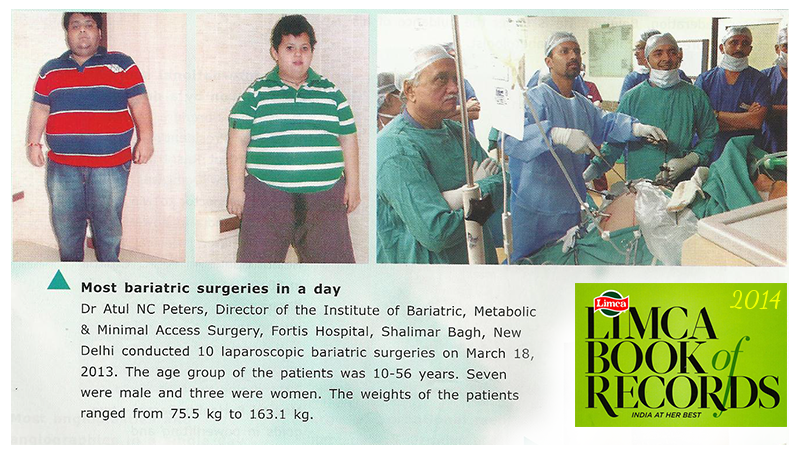
In conclusion, what are the guidelines for metabolic surgery? There are several factors to consider when determining whether metabolic surgery is the right choice. These include BMI, age, health conditions, psychological readiness, and a commitment to making lifestyle changes. By following these guidelines for metabolic surgery, patients can improve their chances of a successful outcome.If you are considering metabolic surgery, it’s important to consult with a skilled Metabolic Surgeon in Delhi who can guide you through the process. Dr. Atul Peters and the team at IGEHRC offer expert advice and care to help you make an informed decision and achieve the best possible results. Schedule a consultation today to learn more about how metabolic surgery can change your life.

How Metabolic Surgery Can Help Control Diabetes?

How Metabolic Procedures Can Help Control Diabetes, Blood Pressure, and Other Chronic Diseases?

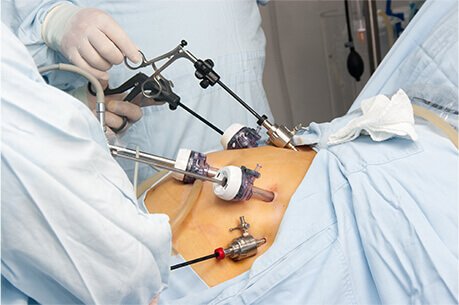
Metabolic surgery is a proven and credible option for individuals struggling with obesity and its associated health complications. By modifying the stomach and intestines through minimally invasive laparoscopic or robotic techniques, this procedure promotes significant weight loss while effectively addressing chronic conditions such as uncontrolled diabetes (despite being on medical treatment), hypertension, sleep apnea, and high cholesterol.

Compared to traditional methods, patients undergoing minimally invasive metabolic surgery, benefit from reduced discomfort, shorter hospital stays, and faster recovery times. Importantly, metabolic surgery is, at times, considered even safer than common procedures like gallbladder removal or hip replacement.

Beyond weight management, this transformative treatment enhances overall well-being, extends life expectancy, and significantly reduces the risk of future health issues.

How Metabolic Surgery is Different from Bariatric Surgery?

Metabolic surgery offers a promising approach to effectively managing uncontrolled type 2 diabetes,  leading to significant improvement of the disease. While currently synonymous with weight-loss surgery, metabolic surgery tends to focus on more targeted interventions that affect the body’s metabolism whereas bariatric surgery, mainly focused on weight loss, alters the digestive system through procedures like gastric bypass or sleeve gastrectomy. These interventions primarily aim to reduce food intake or limit nutrient absorption, resulting in weight loss.

Types of Metabolic Surgery for Diabetes

Metabolic surgery has demonstrated remarkable efficacy in managing diabetes. A vast majority of patients experience significant improvements within days of the procedure, characterized by lower blood sugar levels and reduced reliance on diabetes medications.

Notably, an impressive 78% of patients achieve diabetes remission, and better glycemic control, at times eliminating the need for medication.

There are several metabolic surgical approaches, of which commonly used are as follows:

  • Sleeve Gastrectomy with Duodenojejunal Bypass (SDJB): Laparoscopic sleeve gastrectomy with duodenojejunal bypass (LSG-DJB) has been designated as a novel metabolic surgery procedure. This combination of sleeve gastrectomy and proximal intestinal bypass theoretically offers an effective and prolonged anti-diabetes effect. 
  • Sleeve Gastrectomy with Proximal Jejunal Bypass (SG-PJB): This is a surgical weight-loss procedure that modifies the digestive system to improve metabolic health. By reducing stomach size and bypassing a portion of the small intestine, it alters the body’s processing of food and nutrients, leading to significant weight loss and improved control of conditions like type 2 diabetes.
  • Ileal interposition: It is a metabolic surgery that modifies the stomach, duodenum, and small intestine. It’s used to treat type 2 diabetes, especially for achieving diabetes remission, even in patients without obesity. The procedure works by altering the digestive process, which impacts hormone levels and blood sugar control.

By altering the digestive system, metabolic surgery not only reduces food intake and calorie absorption but also directly impacts blood sugar control. Additional benefits include lesser food consumption, increased satiety, and improved weight management.

Mechanism of Action: Facilitating Better Glycaemic Control

Metabolic surgery benefits blood sugar control in two significant ways.

First, weight loss, an intended outcome of the surgery, improves the body’s ability to use insulin, particularly in muscles and fat.

Second, the surgery itself directly impacts how the body handles food. It changes gut hormones and improves liver function, often leading to better blood sugar levels even before significant weight loss.

Benefits of Metabolic Surgery for People with Diabetes

Metabolic surgery is emerging as an effective alternative for the management of severe obesity and type 2 diabetes. By altering the digestive system, it significantly improves blood sugar control, blood pressure, and cholesterol levels.

It’s essential to monitor patients with existing diabetes-related issues as good glycemic control helps in moderating micro- and macro-vascular complications associated with the eye, nerve, or foot. Additionally, while promising cost-saving potential exists, especially for patients with severe diabetes complications, more studies are required to confirm these economic advantages.

Overall, metabolic surgery offers substantial hope for people with type 2 diabetes, but ongoing research is crucial to fully realize its potential and address potential challenges.

Comparative Effectiveness: Surgery vs. Medical Management

The management of type 2 diabetes has evolved significantly. Traditionally, lifestyle modifications such as diet, exercise, and weight management have been, and still are, cornerstones of treatment. These approaches remain crucial in preventing and managing the condition. However, the complexity of diabetes often necessitates additional interventions.

Medical advancements have introduced a range of medications that effectively control blood sugar levels. These drugs, when used in conjunction with lifestyle changes, can significantly improve diabetes management for many individuals. In some cases, despite optimal medical therapy, diabetes may persist or worsen. Metabolic surgery has emerged as a powerful tool in addressing these challenges. This surgical approach not only induces substantial weight loss but also has a profound impact on metabolic processes, often leading to remission of type 2 diabetes. Metabolic surgery can also be performed on people with normal weight, though, uncontrolled diabetics. In this subset of the population, patients don’t lose weight but get other metabolic benefits from surgery.

It’s important to emphasize that metabolic surgery is not a standalone solution. It complements other treatment modalities. The most effective approach to diabetes management often involves a personalized combination of lifestyle changes, medication, and, in select cases, surgical intervention.

Patient Success Stories and Testimonials

Mr. Jagmeet Kohli, who previously weighed 124.9 kg and had a BMI of 41.3, faced serious health issues including diabetes (with an HbA1c of 10.9) and hypertension. Despite trying to lose weight through diet, he saw little success.  

In 2013, he opted for bariatric surgery, and within six months, he shed 37.5 kg. This significant weight loss led to a dramatic improvement in his HbA1c, reducing it to 5.3, and his hypertension was effectively managed. Today, Mr. Kohli is delighted with his results, which have enabled him to excel in both his business and family life. As a testament to his remarkable transformation, he recently walked the runway for the prestigious clothing brand ZARA—a truly impressive achievement! 

Choosing the Right Surgeon and the Center

The success of your surgery depends on the expertise of your chosen surgeon and his team. A top-tier metabolic surgery center offers a comprehensive approach, from pre-operative evaluation to post-operative care.

Key factors to consider when selecting a metabolic surgeon and clinic:

  • Comprehensive Care: Look for a center that provides a full range of services, including expert surgical care, nutritional guidance, and ongoing support.
  • Experienced Team: A dedicated team of specialists, including a metabolic surgeon, bariatric nurse, bariatric dietitian, and program coordinators and program manager, is essential for optimal outcomes.
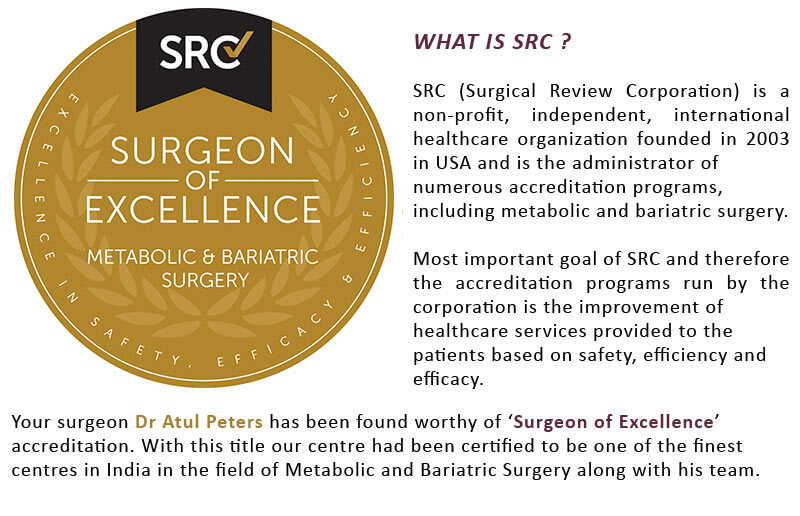
  • Accreditation and Qualifications: Check the accreditation of the clinic and surgeon also look for his qualifications and experience in performing metabolic surgery.
  • Proven Success: Research the surgeon’s success rates and patient testimonials to gauge their expertise because patient satisfaction is of paramount importance.

By carefully evaluating these factors, you can increase your chances of achieving successful and long-lasting weight loss through metabolic surgery.

Future Directions in Metabolic Surgery

Metabolic surgery is a proven treatment for severe obesity when diet and exercise have been unsuccessful. By modifying the digestive system, it helps patients lose significant weight and improve overall health. The success of this surgery depends not only on the surgical procedure but also on a comprehensive care plan involving a team of healthcare professionals.

To optimize outcomes, future research should focus on comparing different surgical techniques, understanding the role of multidisciplinary care, exploring the benefits of advanced technology, and addressing health disparities among patients.

Ultimately, metabolic surgery offers hope to many individuals struggling with obesity, and ongoing research will continue to improve its effectiveness and accessibility.

Conclusion: Embracing Hope and Health

While the immediate benefits of metabolic surgery are impressive, understanding the long-term effects is crucial. Researchers must focus on tracking weight loss, metabolic improvements, and potential complications over extended periods to provide comprehensive guidance for patients and healthcare providers.

Beyond clinical outcomes, it’s essential to consider the broader impact on patients’ lives. Factors such as overall quality of life, mental health, and satisfaction are equally important. A holistic approach will provide a more complete picture of metabolic surgery’s true value.

References

  1. https://www.ncbi.nlm.nih.gov/pmc/articles/PMC10718334/
  2. https://www.ncbi.nlm.nih.gov/pmc/articles/PMC9951503/
  3. https://www.ncbi.nlm.nih.gov/pmc/articles/PMC7272689/
  4. https://www.ncbi.nlm.nih.gov/pmc/articles/PMC10805109/
  5. https://asmbs.org/patients/surgery-for-diabetes/
  6. https://asmbs.org/news_releases/new-studies-suggest-benefit-of-total-robotic-metabolic-and-metabolic-surgery-over-conventional-laparoscopy/