Addressing Obesity in Children and Adolescents: Causes, Risks, and Effective Interventions
The prevalence of obesity is increasing in both children and adolescents, in both sexes and in various ethnic and racial groups.
Many factors, including genetics, environment, metabolism, lifestyle, and eating habits, are believed to play a role in the development of obesity. However, more than 90% of cases are idiopathic; less than 10% are associated with hormonal or genetic causes.
Defining Obesity in Childhood and Adolescence
There is no single definition of obesity in childhood and adolescence.
Consensus committees all over the world have concluded that children and adolescents be considered overweight or obese if the BMI exceeds the 85th or 95th percentiles, on curves generated from the 1963-1965 and 1966-1970 NHANES, or exceeds 30 kg/m2 at any age.
Energy Intake and Sedentary Lifestyle
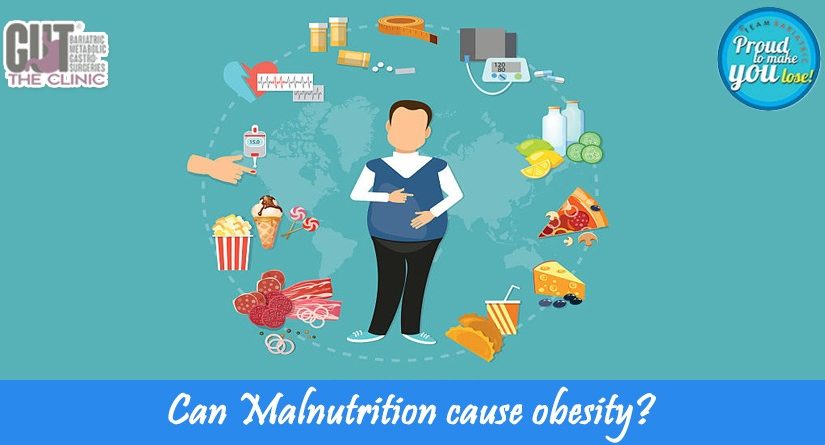
During childhood and adolescence, excess fat accumulates when total energy intake exceeds total energy expenditure. Reduced energy expenditure is attributed to modern-day sedentary lifestyles. This is particularly associated with excessive television viewing, excessive computer use, and insufficient physical activity. Also, this is often seen when feedings are supplemented with additives such as carbohydrates or fat.
Hormonal Dysfunction and Familial Obesity
Some hormonal dysfunction like that in ghrelin leptin hormonal axis may be the causative factor in as many as 10% of obese children, particularly in those who appear to manifest familial morbid obesity.
Race and ethnicity are also associated with increased rates of obesity in children and adolescents.
Childhood Obesity as a Predictor of Adult Obesity
Childhood obesity is predictive of adult obesity such as with 80% of teenagers who are obese continue to be obese as adults.
This is associated with an increased incidence of type 2 diabetes, hypertension, gallstones, and hypercholesterolemia.
Chest Conditions Associated with Childhood Obesity
There are serious chest conditions associated with childhood obesity like reactive airways, poor exercise tolerance, increased work of breathing, and increased oxygen consumption.
They might develop obesity-hypoventilation syndrome and experience right-sided heart failure with right ventricular hypertrophy.
Acute Complications of Childhood Obesity
Acute complications of childhood obesity include hyperlipidemia, accelerated growth and bone maturation, ovarian hyperandrogenism and gynecomastia, cholecystitis, pancreatitis, and pseudotumor cerebri.
- There is an increased incidence of fatty liver and they might develop liver cirrhosis and kidney disease.
- Obstructive Sleep apnea and sleep-disordered breathing are common in children and adolescents with obesity which might lead to neurocognitive dysfunction.
- Excess weight in children can cause numerous orthopedic disorders, including genu valgum, slipped capital femoral epiphysis, with bowing of the long bones.
- Emotional and psychosocial sequelae are also widespread in obese children.
- Social isolation, peer problems, and lower self-esteem are frequently observed.
- Gout and colorectal cancer rates are found to be increased among men who had obesity as adolescents as well as arthritis.
Therapeutic Interventions for Childhood Obesity
Any therapeutic intervention in the child with obesity in aimed to achieve control of weight gain and reduction in body mass index (BMI) safely and effectively and to prevent the long-term complications of obesity in childhood and adulthood.
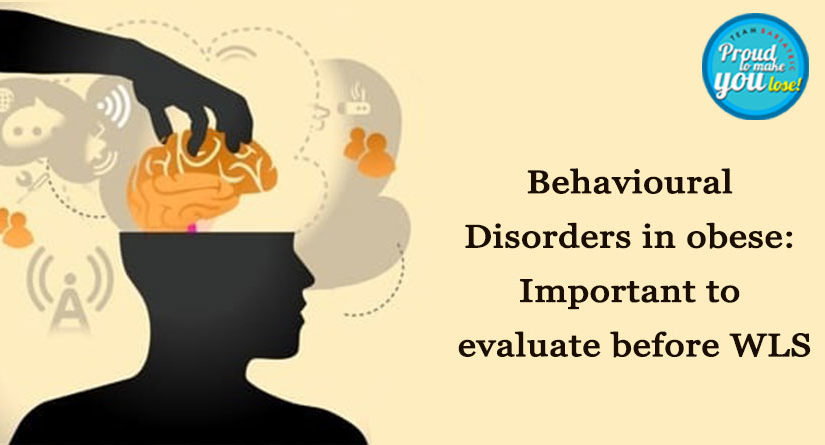
These might also require psychiatric assistance for unusual eating disorders or severe depression. It involves a team involving nurse educators, nutritionists, exercise physiologists, and counsellors.
Parental Involvement and Lifestyle Changes
Parents must advice children to walk at least 20 to 30 min daily. Limit their television timings and must indulge in vigorous exercise with children. Low-calorie balanced diet, in association with patient and parent education, behavioral modification, and exercise can limit weight gain in many patients with mild or moderate obesity. Reductions in total and saturated fat may be particularly useful in adolescents who consume large quantities of high-fat, snack, and packaged fast foods, including french fries, pizza, chips, and crackers. Also, they might sometimes require and care if evidence of psychopathology or dysfunction is present.
Bariatric Surgery for Childhood Obesity
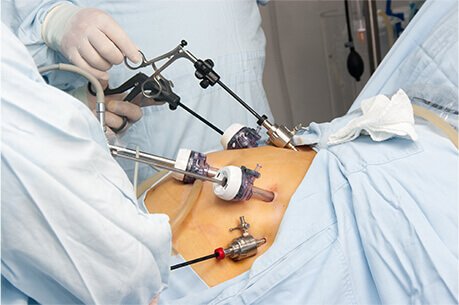
According to Dr. Atul NC Peters, one of the pioneers of weight loss treatment in Delhi and among the top 10 obesity surgeons in India, various bariatric surgical procedures have been performed in “carefully selected” patients with a body mass index (BMI) >40 kg/m 2 who have severe comorbidities such as nonalcoholic fatty liver disease. It is important to consider several other factors before deciding whether a child or adolescent should undergo bariatric surgery like previous attempts at weight loss, and ability to adhere to follow-up care. Laparoscopic sleeve gastrectomy is the most widely performed procedure in childhood obesity nowadays.
Evidence suggests that bariatric surgery can decrease the grade of steatosis, hepatic inflammation, and fibrosis in Non-Alcoholic Fatty Liver Disease. With more and more people opting for various bariatric surgical procedures, weight loss surgery cost in Delhi has been such that it is becoming affordable day by day and several finance and loan schemes are also available in special circumstances.