
A heart attack is a life-changing event that makes many people more conscious about their overall health. If you are struggling with obesity and have had a heart attack in the past, you may wonder whether bariatric surgery is still a safe option for you. The short answer is yes, in many cases it is possible, but it depends on several medical factors and careful evaluation.
Obesity itself is a major risk factor for heart disease, high blood pressure, diabetes, and future cardiac events. In fact, weight loss through bariatric surgery can significantly improve heart health over time. However, undergoing surgery after a heart attack requires extra caution, proper timing, and expert medical guidance—especially from an experienced Bariatric Surgeon in Delhi like Dr. Atul Peters.
Can You Have Bariatric Surgery After a Heart Attack?
Can you have bariatric surgery after a heart attack? Learn about safety, risks, eligibility, and recovery guidelines for weight loss surgery post-cardiac event.
Book Your Appointment TodayUnderstanding Bariatric Surgery
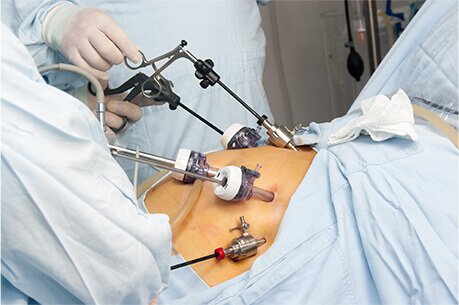
Bariatric surgery is a medical treatment designed to help people with severe obesity lose weight when diet, exercise, and medications have not been effective. It works by making changes to the digestive system so that the body either eats less food or absorbs fewer calories, or both. This not only leads to weight loss but also improves many obesity-related health conditions like diabetes, high blood pressure, and heart disease.
These surgeries not only help reduce weight but also improve or even resolve conditions like:
- Type 2 diabetes
- High blood pressure
- Sleep apnea
- Heart disease
Types of Bariatric Surgery
There are different types of bariatric procedures, and the choice depends on your health condition, weight, and medical history.
1. Sleeve Gastrectomy
This is one of the most commonly performed surgeries. Around 75–80% of the stomach is removed, leaving a smaller, tube-like stomach. It limits food intake and reduces hunger hormones.
2. Gastric Bypass Surgery
In this procedure, a small pouch is created from the stomach and connected directly to the small intestine. This reduces both food intake and calorie absorption.
3. Adjustable Gastric Band
A band is placed around the upper part of the stomach to create a small pouch. It is less commonly used today, but still an option in some cases.
How Bariatric Surgery Works
Bariatric procedures mainly work in two ways:
- Restriction: Reducing the size of the stomach so you feel full after eating a small amount of food
- Malabsorption: Changing how the body absorbs calories and nutrients
Some surgeries combine both methods for better results. These changes also affect gut hormones, which help reduce hunger and improve metabolism.
What Happens During a Heart Attack?
A heart attack (myocardial infarction) occurs when blood flow to a part of the heart is blocked, usually due to plaque buildup in the arteries. This leads to damage to the heart muscle.
Common Causes:
- Blocked coronary arteries
- High cholesterol
- Obesity
- Smoking
- Sedentary lifestyle
Why It Matters Before Surgery
After a heart attack, your heart becomes more vulnerable. Surgery—especially under anesthesia—puts additional stress on the heart, which is why doctors must carefully assess your condition before approving bariatric surgery.
Can You Have Bariatric Surgery After a Heart Attack?
Yes, bariatric surgery is possible after a heart attack, but only after proper recovery and medical clearance.
Key Factors That Determine Eligibility
Time Since the Heart Attack
Doctors usually recommend waiting at least 6–12 months after a heart attack before bariatric surgery. This allows the heart to recover and reduces surgical risks.
Heart Function Stability
Heart function is checked through tests to ensure it is stable and strong enough for surgery. A well-functioning heart lowers the chances of complications.
Overall Health Condition
Conditions like diabetes, high blood pressure, and cholesterol must be controlled. Stable overall health improves both safety and recovery after surgery.
Body Mass Index (BMI)
BMI helps determine eligibility, with 40+ or 35+ (with health issues) being typical criteria. It indicates the level of obesity and the need for surgery.
Cardiologist Clearance
Approval from a cardiologist is essential to confirm that the heart can handle surgery. This step ensures the procedure is safe for the patient.
Why Bariatric Surgery Can Be Beneficial After a Heart Attack
Although surgery carries some risks, the long-term benefits often outweigh them, especially when obesity is severe.
Key Benefits:
- Reduced risk of future heart attacks
- Improved blood pressure control
- Better cholesterol levels
- Lower risk of diabetes
- Improved overall cardiovascular health
Studies have shown that significant weight loss can reverse many heart-related risk factors.
Risks of Bariatric Surgery After a Heart Attack
While beneficial, surgery does come with risks, particularly for heart patients.
Possible Risks:
- Cardiac complications during surgery
- Blood clots
- Breathing issues
- Infection
- Delayed recovery
This is why choosing an experienced specialist like a Bariatric Surgeon in Delhi is crucial for minimizing complications.
Pre-Surgery Evaluation: What Tests Are Required?
Before approving bariatric surgery, doctors conduct a detailed evaluation.
Common Tests Include:
- ECG (Electrocardiogram)
- Echocardiogram
- Stress test
- Blood tests
- Cardiology clearance
A multidisciplinary team—a bariatric surgeon, cardiologist, and anesthesiologist—works together to ensure safety.
When Is It Safe to Undergo Bariatric Surgery?
There is no fixed timeline, but general guidelines include:
- At least 6–12 months after a heart attack
- Stable heart condition
- No recent chest pain or cardiac symptoms
- Clearance from a cardiologist
Patients who follow proper recovery and lifestyle changes often become good candidates for surgery.
Lifestyle Changes Before Surgery
Before undergoing bariatric surgery, you must prepare your body and heart.
Important Changes:
- Quit smoking
- Follow a heart-healthy diet
- Start light physical activity
- Manage stress
- Take prescribed medications regularly
These steps improve surgical outcomes and reduce risks.
Post-Surgery Care for Heart Patients
After bariatric surgery, heart patients need extra attention and monitoring.
Key Post-Operative Guidelines:
- Regular follow-ups with a cardiologist
- Gradual diet progression
- Light physical activity
- Monitoring blood pressure and sugar levels
- Medication adjustments
Recovery may take a few weeks, but long-term health improvements are substantial.
Can You Have Bariatric Surgery After a Heart Attack?
Can you have bariatric surgery after a heart attack? Learn about safety, risks, eligibility, and recovery guidelines for weight loss surgery post-cardiac event.
Book Your Appointment TodayFinal Thoughts
Having a heart attack does not automatically disqualify you from bariatric surgery. In fact, for many people struggling with obesity, it can be a life-saving step toward better heart health. The key is proper timing, medical evaluation, and expert guidance.
Consulting an experienced Bariatric Surgeon like Dr. Atul Peters can help you understand your individual risks and benefits. With the right approach, bariatric surgery can not only help you lose weight but also significantly improve your overall quality of life and reduce the chances of future cardiac events.