

Key Takeaways at a Glance
- Exceptionally Safe: Modern bariatric surgery has a mortality rate below 0.1%, making it as safe as routine gallbladder removal.
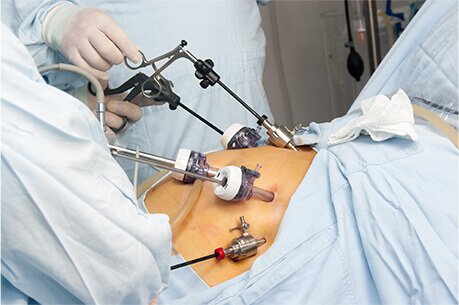
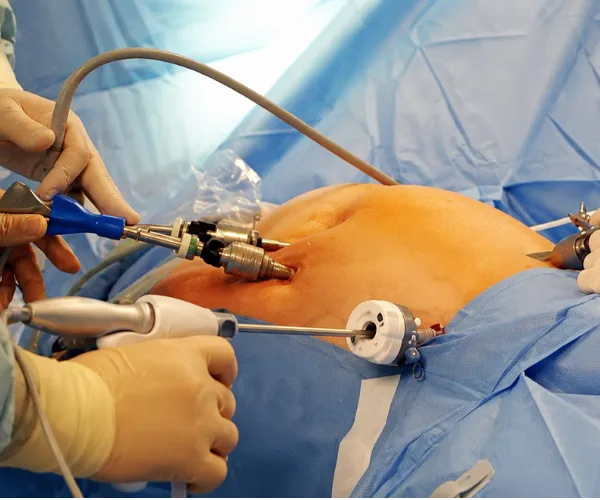
- 100% Keyhole Surgery: Performed exclusively via advanced laparoscopic or robotic surgery in Delhi.
- The True Medical Risk: Untreated severe obesity carries a far higher risk of premature heart attack, stroke, and organ failure than the surgery itself.
- Standardized Pre-Op Clearance: Thorough cardiac, pulmonary, and metabolic evaluations ensure maximum safety.
- Rapid Recovery: Patients walk within 4 hours post-op and go home in 48 hours.
Demystifying Bariatric Surgery Safety
When individuals struggle with severe obesity and diabetes, deciding to undergo surgery is a major life decision. It is completely natural for patients and their family members to ask Dr. Atul Peters: "Is bariatric surgery safe? What are the actual risks and complication rates?"
Thirty years ago, weight loss surgery was performed through large open abdominal cuts carrying higher surgical risks. However, over the past two decades, revolutionary advancements in minimal access laparoscopic instruments, robotic surgical systems, specialized bariatric anesthesia, and clinical recovery pathways have transformed bariatric care into one of the safest elective surgical specialties in modern medicine.
Clinical Safety Statistics: How Safe Is It?
Large-scale clinical research published by the American Society for Metabolic and Bariatric Surgery (ASMBS) and international surgical registries reveal striking safety data:
- Mortality Rate: Approximately 0.08% to 0.1%—a safety record equivalent to or better than common gallbladder removal (cholecystectomy) or total knee replacement surgery.
- Major Complication Rate: Less than 3% in accredited centers of excellence led by high-volume bariatric surgeons in Delhi.
- Long-Term Survival Dividends: Studies following bariatric patients over 10 to 20 years show a 40% overall reduction in all-cause mortality compared to non-operated individuals with severe obesity.
Comparing Surgery Risk vs. Untreated Obesity Risk
Medical ethicists and cardiologists emphasize that safety must always be evaluated as a comparison: The short-term, controlled risk of a 45-minute laparoscopic procedure versus the cumulative, life-shortening risk of living with severe obesity. Many candidates evaluating surgical options should review our safety benchmarks and clinical guidelines.
| Health Risk | Untreated Severe Obesity | After Bariatric Surgery |
|---|---|---|
| Type 2 Diabetes | Progressive kidney, eye & nerve damage | 80–85% complete remission |
| Heart Attack & Stroke Risk | 500% higher risk | Reduced by 50% |
| Sleep Apnea | Severe nighttime oxygen drops | 90%+ complete resolution |
Standardized Safety Protocols at Our Center
At Dr. Atul Peters' Bariatric Center in Delhi, patient safety is maximized through a multi-layered clinical protocol. Post-operative dietary success relies on essential guidelines such as the 30 rule for bariatric surgery:
- Comprehensive Pre-Op Evaluation: 2D Echocardiogram, pulmonary function testing, liver ultrasound, and complete endocrine blood panels before clearance.
- High-Volume Surgical Expertise: Over 5,000+ bariatric procedures performed by a Limca Book Record holding surgeon.
- Advanced Keyhole & Robotic Precision: Utilizing 4K high-definition laparoscopy and Da Vinci robotic systems for leak-proof staple line reinforcement.
- Lifelong Nutritional Follow-Up: Regular post-op monitoring under our Smart Nutrition Clinic to prevent vitamin or mineral deficiencies.
Comprehensive Post-Operative Recovery & Long-Term Follow-Up
Bariatric surgical safety extends into the post-operative recovery phase. Patients participate in structured clinical follow-up at 1 week, 1 month, 3 months, 6 months, and 12 months post-surgery. Routine blood monitoring under our Smart Nutrition Clinic ensures optimal iron, vitamin B12, vitamin D, and protein levels. Patients wondering about post-op cosmetic body changes can read our guide on managing sagging skin after bariatric surgery.
Combined with joint-safe physical conditioning at Peter's Fitness Factory, patients safely achieve maximum body composition transformation while safeguarding their long-term health and vitality.
Clinical Expert Conclusion by Dr. Atul Peters
Navigating gastrointestinal and metabolic health choices requires accurate clinical guidance, evidence-based surgical expertise, and personalized post-treatment support. Whether you are seeking minimal access keyhole solutions for hernia or gallbladder issues, or exploring life-transforming metabolic weight loss procedures, our multidisciplinary surgical care team at Max Smart Super Speciality Hospital, Saket, is dedicated to delivering world-class, safe, and compassionate clinical care. Schedule a comprehensive consultation with Dr. Atul Peters today to take the first proactive step toward a healthier, more vibrant life.
Frequently Asked Questions (8 Detailed FAQs)
As with any major surgery, potential minor risks include temporary wound infection, nausea, or bleeding (<2%). Major complications like staple line leaks or deep vein thrombosis (DVT) occur in less than 1% of cases in accredited centers.
Patients wear sequential compression boots during surgery, receive blood-thinning injections post-op, and are encouraged to walk within 4 hours after waking from anesthesia to keep blood circulating smoothly.
Both procedures are exceptionally safe. Gastric Sleeve is slightly shorter in operative duration and technically simpler, while Roux-en-Y Gastric Bypass offers superior diabetes remission for long-standing diabetics.
Patients spend 48 hours in the hospital, walk comfortably on day 1, and return to normal desk work within 5 to 7 days.
Bariatric surgery alters stomach volume and nutrient absorption. Taking daily prescribed bariatric multivitamins, calcium, and protein supplements prevents deficiencies completely.
Temporary hair thinning (telogen effluvium) occurs in some patients between months 3 and 6 due to rapid weight loss. It is temporary and fully reversible with adequate protein and biotin intake.
Our multidisciplinary team conducts thorough cardiac, pulmonary, and metabolic evaluations to optimize your health before surgery, ensuring maximum safety.
Yes! When pre-operative cardiac and medical clearances are normal, seniors experience excellent surgical safety with dramatic improvements in joint mobility and blood sugar control.
Have Personal Health Questions?
Consult with Dr. Atul Peters and our expert multidisciplinary team at Max Smart Super Speciality Hospital, Saket, New Delhi.
Book Your Consultation