

Key Takeaways at a Glance
- Yes, a classic symptom: Gallstones frequently cause sharp or dull aching pain in the upper back between the shoulder blades.
- Referred Nerve Pathways: Irritation of the phrenic and celiac plexus nerves sends misdirected pain signals to the right shoulder and back.
- Post-Meal Timing: Back pain typically flares 30 to 90 minutes after eating oily or heavy meals.
- Movement Does Not Relieve It: Unlike spine strain, changing positions or stretching does not reduce gallstone pain.
- Definitive Cure: Minimal-access laparoscopic gallbladder removal in Delhi provides immediate permanent relief.
Why Gallstone Pain Radiates to the Back
When people think of gallstones, they usually imagine pain localized strictly to the upper right side of the abdomen. However, experienced gastrointestinal surgeons frequently evaluate patients whose primary complaint is intense, aching pain in the upper back or between the shoulder blades.
Because back pain is so commonly attributed to muscle strain, poor sitting posture, or spinal disc issues, many patients spend weeks taking painkillers or visiting physiotherapists without relief—unaware that the true culprit is a gallbladder filled with gallstones! If you suspect gallstones are causing your back pain, early medical evaluation is essential.
In this clinical guide, Dr. Atul Peters explains why gallstones cause back pain, how referred nerve signals work, and how keyhole surgery provides permanent relief.
The Science of "Referred Pain" in Gallbladder Disease
The gallbladder is a small pear-shaped organ located directly beneath the liver in the upper right abdomen. Its primary job is to store and concentrate bile, a digestive fluid produced by the liver to break down fats.
When you consume a meal containing fats, the gallbladder contracts to squeeze bile through the narrow cystic duct into the small intestine. If a gallstone lodges in the neck of the gallbladder or blocks the cystic duct, the organ squeezes forcefully against the obstruction.
This intense muscular spasm causes rapid pressure buildup and organ distension. The visceral nerve fibers supplying the gallbladder (the celiac plexus and phrenic nerve) enter the spinal cord at the exact same neurological segments (T7–T9) that receive sensory nerve signals from the lower right shoulder blade and upper back. Similar referred pain diagnostic patterns can occur in upper stomach conditions.
The brain misinterprets these shared spinal cord signals, perceiving the visceral gallbladder pain as severe pain coming from the upper back muscle tissue—a phenomenon known medically as referred pain (or Boas' sign).
How to Differentiate Gallstone Back Pain from Muscle Strain
| Feature | Gallstone Back Pain | Musculoskeletal Back Pain |
|---|---|---|
| Meal Connection | Flares 30–90 min after fatty meals | No relation to food intake |
| Posture Relief | Lying, stretching, sitting gives NO relief | Rest & posture adjustment relieves pain |
| Associated Symptoms | Nausea, vomiting, abdominal bloating | Local muscle tenderness on pressing |
Associated Warning Symptoms to Watch For
Gallstone back pain rarely occurs in isolation. It is typically accompanied by digestive red flags:
- Biliary Colic: Severe pain in the right upper quadrant lasting from 30 minutes to several hours.
- Nausea & Indigestion: Feeling uncomfortably full or nauseous after modest meals.
- Jaundice (Yellowing of Eyes/Skin): Occurs if a gallstone slips into the main bile duct (choledocholithiasis).
- Fever & Chills: Indicates acute infection of the gallbladder (cholecystitis), requiring emergency hospitalization.
Long-Term Digestive Health After Gallbladder Surgery
Following laparoscopic gallbladder removal, your body adapts quickly to direct bile secretion from the liver into the duodenum. For the first few weeks, adopting a light, low-fat diet helps prevent temporary digestive discomfort. Over time, patients resume enjoying normal meals without fear of gallbladder pain attacks.
If you experience persistent post-prandial discomfort or acid symptoms, our clinical dietitians at the Smart Nutrition Clinic provide custom dietary guidance.
Definitive Treatment for Symptomatic Gallstones
Once gallstones become symptomatic (causing back or abdominal pain attacks), medications or gallstone-dissolving syrups cannot permanently cure them. Leaving gallstones untreated risks serious complications such as acute cholecystitis (gallbladder infection), jaundice, or gallstone pancreatitis.
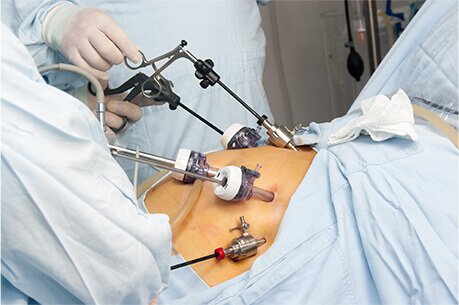
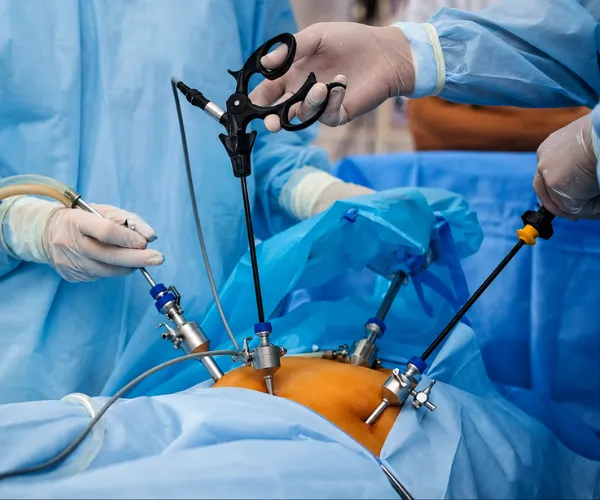
The gold-standard treatment is Laparoscopic Cholecystectomy. Through 3 to 4 tiny keyhole incisions, the surgeon removes the diseased gallbladder along with the stones. After surgery, the liver drips bile directly into the small intestine, allowing normal digestion without pain.
Clinical Expert Conclusion by Dr. Atul Peters
Navigating gastrointestinal and metabolic health choices requires accurate clinical guidance, evidence-based surgical expertise, and personalized post-treatment support. Whether you are seeking minimal access keyhole solutions for hernia or gallbladder issues, or exploring life-transforming metabolic weight loss procedures, our multidisciplinary surgical care team at Max Smart Super Speciality Hospital, Saket, is dedicated to delivering world-class, safe, and compassionate clinical care. Schedule a comprehensive consultation with Dr. Atul Peters today to take the first proactive step toward a healthier, more vibrant life.
Frequently Asked Questions (8 Detailed FAQs)
Yes! Referred gallstone pain commonly manifests as a heavy, squeezing ache directly between the shoulder blades or under the right shoulder blade (Boas' sign).
If your back pain is caused by referred gallstone nerve signals, keyhole gallbladder removal eliminates the pain immediately post-surgery.
When you lie down flat at night, gallstones inside the gallbladder slide toward the neck of the organ, easily blocking the cystic duct opening and triggering painful nocturnal gallbladder attacks.
A fast, painless abdominal ultrasound scan is the gold-standard test. It visualizes gallstone size, number, gallbladder wall thickening, and bile duct diameters with high accuracy.
Yes, completely! The gallbladder is merely a storage sac. After removal, your liver continues to produce bile normally, flowing directly into the intestine. You can eat a normal diet after a brief recovery period.
Laparoscopic cholecystectomy is a quick 30-minute keyhole procedure. Most patients are admitted in the morning and discharged home within 24 hours.
Ignoring symptomatic gallstones can lead to gallbladder bursting, severe jaundice (bile duct blockage), or life-threatening acute pancreatitis requiring ICU care.
Silent (asymptomatic) gallstones found incidentally on ultrasound usually do not require surgery unless the patient is diabetic, has very large stones (>2 cm), or possesses a calcified "porcelain" gallbladder.
Have Personal Health Questions?
Consult with Dr. Atul Peters and our expert multidisciplinary team at Max Smart Super Speciality Hospital, Saket, New Delhi.
Book Your Consultation