In recent years, the field of surgery has undergone significant evolution, thanks to advancements in technology. One of the most significant innovations in modern medicine is robotic surgery. This sophisticated technology is revolutionizing the way surgeons perform complex procedures, particularly in areas where precision is crucial, such as bariatric surgery. As obesity rates rise globally, more individuals are turning to bariatric surgery for long-term weight loss solutions. However, the traditional methods of bariatric surgery, which require large incisions, can be daunting for patients due to longer recovery times and higher risks of complications.
For those looking to explore what are the advantages of robotic surgery as an option, it is important to consult with experienced professionals. Searching for the best robotic surgeon in Delhi can lead you to a qualified specialist who can provide personalized care using the latest robotic technology.
Expert Robotic Surgery by Dr. Atul Peters
Robotic surgery can be used in various types of procedures, each benefiting from enhanced precision and minimally invasive techniques.
Understanding Robotic Surgery
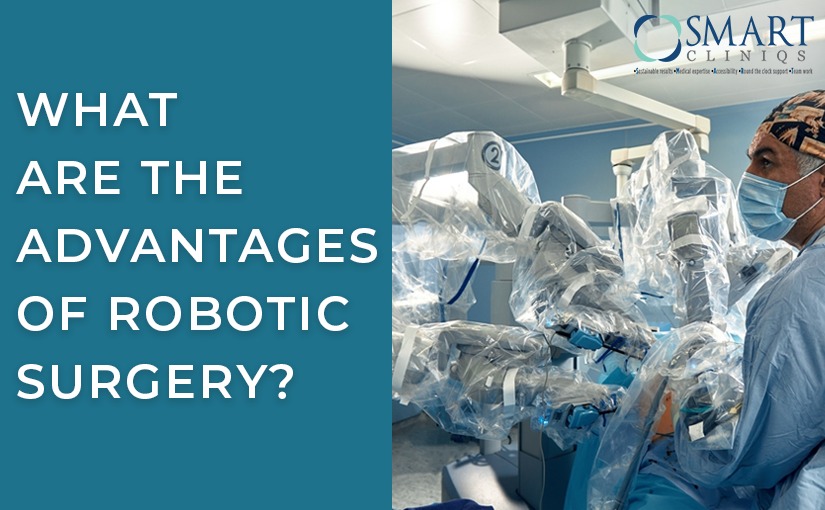
Robotic Surgery is a cutting-edge surgical technique that uses advanced robotic systems to assist surgeons in performing procedures with greater precision, control, and flexibility. Unlike traditional surgery, robotic surgery involves small incisions, minimizing the trauma to the body. The surgeon operates the robotic system from a console, controlling the robotic arms that carry out the surgery. These arms are equipped with high-definition cameras and specialized instruments that provide the surgeon with an enhanced 3D view of the surgical area.
For bariatric surgeries, robotic surgery is particularly advantageous. It allows surgeons to perform intricate procedures like gastric bypass or sleeve gastrectomy with exceptional precision. The robotic system’s greater range of motion and tremor filtration help ensure accuracy, reducing the risk of complications and improving patient outcomes. Robotic surgery is minimally invasive, which leads to smaller scars, less pain, and faster recovery times for patients.
Types of Robotic Surgery
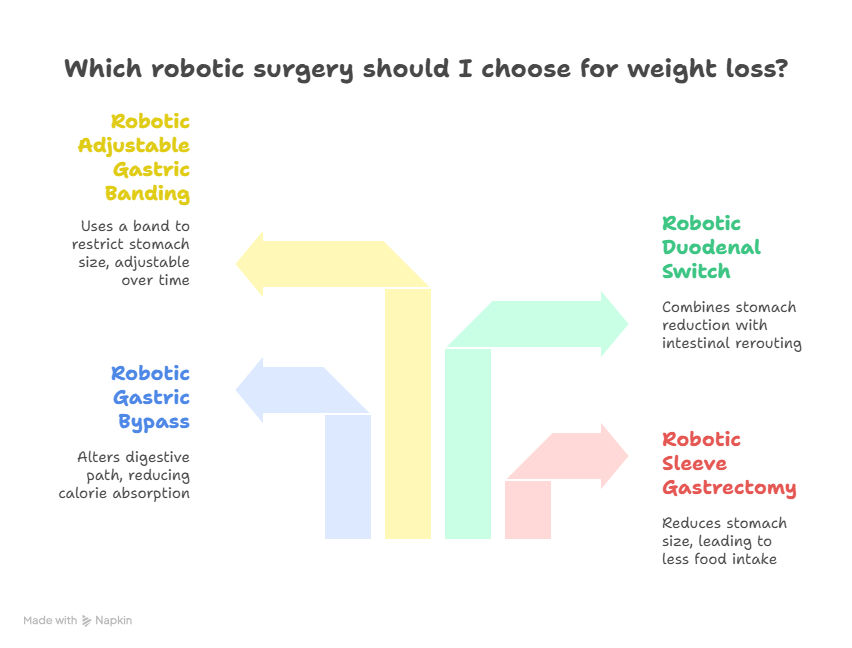
Robotic surgery can be used in various types of procedures, each benefiting from enhanced precision and minimally invasive techniques. Below are some of the most common types of robotic surgeries, particularly in the field of bariatric surgery:
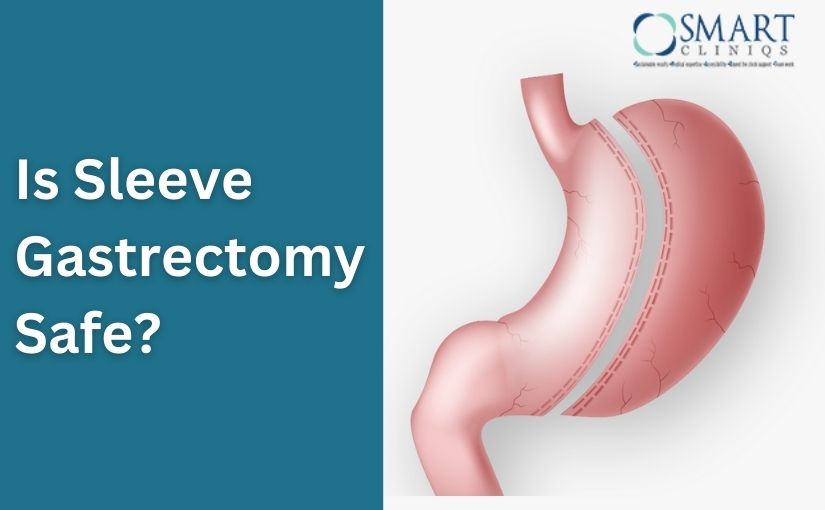
- Robotic Sleeve Gastrectomy
This procedure involves the removal of a portion of the stomach to limit food intake and promote weight loss. Robotic assistance enables precise cutting and stapling of the stomach with minimal tissue damage, resulting in a quicker recovery and a reduced risk of complications. - Robotic Gastric Bypass
In this procedure, the stomach is divided into a small pouch, and the small intestine is rerouted to the pouch. Robotic surgery enables greater precision in placing the pouch and connecting the intestines, thereby reducing the risk of leaks and improving overall outcomes. - Robotic Duodenal Switch
Combining a sleeve gastrectomy with a bypass of the intestines, the robotic duodenal switch procedure offers a more complex, multi-step surgery. The robot’s enhanced dexterity helps in accurately navigating the digestive system, ensuring a safer and more effective procedure. - Robotic Adjustable Gastric Banding
Though less common now due to the rise of other bariatric options, robotic systems can also be used for adjustable gastric banding, which involves placing a band around the stomach to limit food intake. The precision of robotic systems helps ensure proper band placement with minimal invasiveness.
How is Robotic Surgery performed?
Robotic surgery is performed using a robotic-assisted surgical system, which is controlled by a skilled surgeon. Here’s an overview of the process:
- Preparation
The patient is positioned on the operating table, and small incisions are made at the surgical site. A camera and robotic instruments are then inserted through these incisions to perform the surgery. - Control Console
The surgeon sits at a console where they control the robotic arms. The system provides a 3D, high-definition view of the surgical area, allowing the surgeon to make precise movements while the robotic arms perform the tasks. - Performing the Surgery
Once in place, the surgeon uses the robotic system to perform the surgery, whether it’s a gastric bypass, sleeve gastrectomy, or another bariatric procedure. The system provides increased dexterity, allowing the surgeon to operate with greater accuracy. - Post-Surgery
After the procedure, the robotic instruments are removed, and the small incisions are closed. The patient is monitored as they recover, often experiencing less pain and a quicker return to normal activities compared to traditional surgery.
Advantages of Robotic Surgery
Robotic surgery offers a wide range of benefits that significantly improve both the surgical experience and outcomes, especially for bariatric patients. So, what are the advantages of robotic surgery? Here are some of the key benefits:
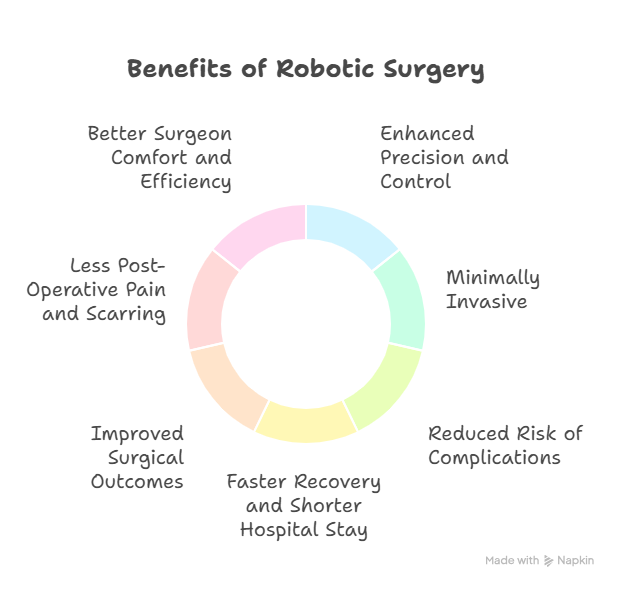
- Enhanced Precision and Control
One of the standout advantages of robotic surgery is the precision it offers. The robotic arms can make incredibly fine and accurate movements that are difficult or impossible for the human hand to replicate. For bariatric procedures, such as gastric bypass or sleeve gastrectomy, this precision ensures that the surgeon can make exact cuts and place staples or sutures with minimal deviation. This results in fewer complications and better overall results. - Minimally Invasive
Robotic surgery is minimally invasive, meaning it requires smaller incisions compared to traditional surgery. Smaller incisions mean less trauma to the body, less bleeding, and lower chances of infection. This leads to faster recovery times and less post-operative pain for the patient. With traditional surgeries, longer incisions are often necessary, which can result in longer hospital stays and a higher risk of complications. - Reduced Risk of Complications
With robotic-assisted surgery, the likelihood of complications such as blood loss, infection, and damage to surrounding tissues is significantly reduced. The robotic system offers enhanced vision and precision, allowing the surgeon to avoid critical structures and minimize the chances of errors. - Faster Recovery and Shorter Hospital Stay
Due to the smaller incisions and less trauma to the body, patients who undergo robotic surgery typically experience quicker recovery. Many patients can return home within a day or two of their surgery, as opposed to a longer stay in the hospital with traditional methods. This is particularly beneficial for bariatric patients who are already dealing with obesity-related health concerns. - Improved Surgical Outcomes
Studies have shown that robotic surgery leads to better long-term outcomes. For bariatric procedures, patients often experience better weight loss results with fewer complications. The enhanced precision and accuracy provided by robotic systems contribute to more effective surgeries with fewer issues like leaks, infections, or hernias. - Less Post-Operative Pain and Scarring
Because the incisions are smaller and the procedure is less invasive, patients experience less pain after surgery. Additionally, the smaller incisions result in minimal scarring, which is a significant advantage for patients who are concerned about visible scars after their procedure. - Better Surgeon Comfort and Efficiency
For surgeons, robotic systems provide greater comfort during lengthy procedures. The ergonomic design of the system reduces physical strain, allowing surgeons to focus on the operation without fatigue. With robotic systems offering greater flexibility and range of motion, surgeons can perform surgeries with higher precision and efficiency.
Who is an Ideal candidate for Robotic Surgery?
Robotic surgery offers numerous benefits, but it is not suitable for every patient. The ideal candidate depends on the type of surgery, overall health, and specific medical conditions. Here are the key factors that determine suitability:
- Minimally Invasive Preferences
Patients who prefer smaller incisions, less pain, and faster recovery, particularly for bariatric procedures like gastric bypass or sleeve gastrectomy, are excellent candidates for robotic surgery. - Good Overall Health
Ideal candidates are generally healthy, without major comorbidities. Robotic surgery requires general anesthesia and recovery, so patients in stable health will benefit the most. - Complex or High-Risk Conditions
Patients with complex conditions or anatomical challenges, such as obesity, may find robotic surgery beneficial due to its precision and control, reducing surgical risks. - Faster Recovery Needs
Those looking for quicker recovery times and a quicker return to normal life will benefit from the minimally invasive nature of robotic surgery. - Skilled Surgeons
A qualified and experienced surgeon is crucial. Patients should seek Dr. Atul Peters, ensuring expertise in robotic bariatric surgery.
Why is Robotic Surgery right for you?
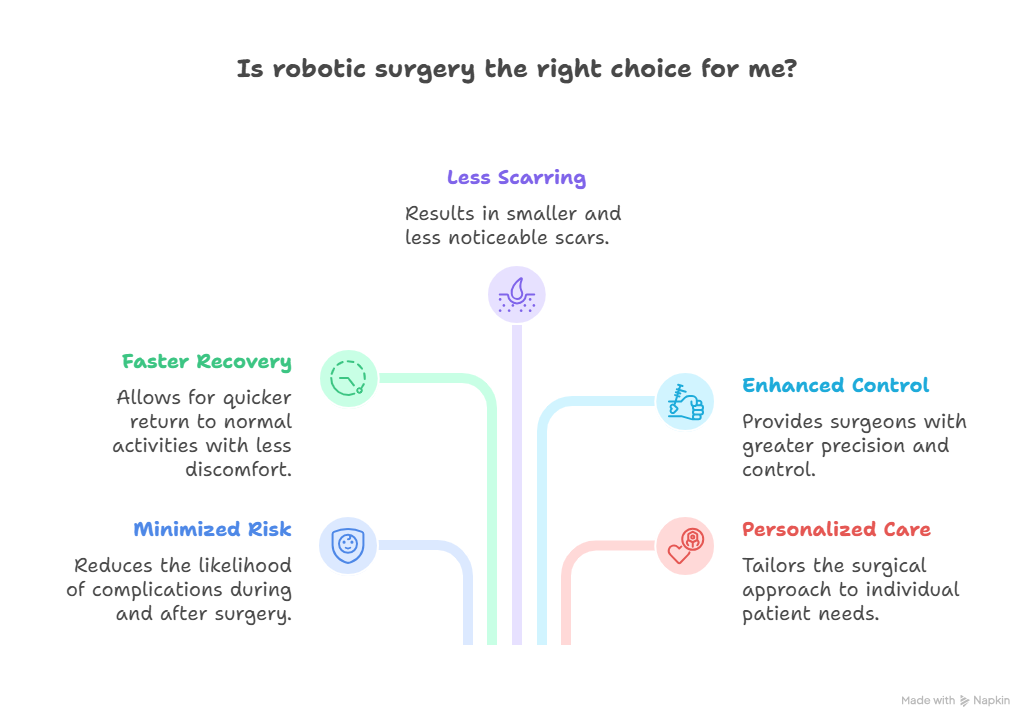
Robotic surgery offers several advantages, making it an excellent choice for many patients:
- Minimized Risk and Complications
Robotic surgery allows for greater precision, reducing the risk of complications during complex bariatric procedures like gastric bypass or sleeve gastrectomy. - Faster Recovery and Less Pain
The smaller incisions result in quicker recovery times and less post-operative pain, enabling you to return to daily activities faster than with traditional surgery. - Less Scarring
Robotic surgery uses tiny incisions, leading to minimal scarring, which is particularly beneficial for patients concerned about the cosmetic impact of their procedure. - Enhanced Control for Surgeons
The robotic system offers enhanced flexibility and precision, ensuring better surgical outcomes and improving long-term weight loss results. - Personalized Care
With a skilled robotic surgeon, the procedure can be tailored to suit your specific needs, ensuring optimal results.
Why is Robotic Surgery Better than Traditional Surgery?
What are the advantages of robotic surgery compared to traditional open surgery? Robotic surgery offers several clear benefits, particularly in terms of precision, recovery time, and overall outcomes. Here’s why robotic surgery is often a better choice:
- Minimally Invasive Nature
Unlike traditional surgery, which often requires large incisions, robotic surgery uses smaller incisions. This minimizes the trauma to the body, reducing the risk of infections, scarring, and complications. By requiring only tiny cuts, robotic surgery leads to less pain and a quicker recovery for the patient compared to traditional methods. - Enhanced Precision and Control
The robotic system provides surgeons with unparalleled precision, which is critical in bariatric surgeries like gastric bypass or sleeve gastrectomy. The robot’s ability to perform delicate movements ensures greater accuracy, minimizing human error and improving surgical outcomes. The enhanced visualization and flexibility of the robotic system make it easier for surgeons to perform complex procedures, ensuring better results for patients. - Faster Recovery
Because robotic surgery is minimally invasive, patients typically experience shorter hospital stays and quicker recovery times compared to traditional surgery. The reduced pain and smaller scars allow for a faster return to daily activities. This is especially beneficial for bariatric patients, who may be dealing with obesity-related health issues and prefer a quicker recovery. - Reduced Risk of Complications
The precision offered by robotic systems reduces the risk of complications such as bleeding, infections, and organ damage. Surgeons can navigate complex areas with better control, reducing the likelihood of adverse events. For bariatric patients, this means fewer complications during and after surgery, ensuring a smoother recovery process. - Less Post-Operative Pain and Scarring
Traditional surgeries often result in more significant pain and visible scars due to larger incisions. With robotic surgery, patients experience less pain and smaller scars, improving both physical recovery and cosmetic outcomes. This can be especially important for bariatric patients who are concerned about the appearance of scars post-surgery. - Better Surgical Outcomes
Robotic surgery has been shown to improve long-term surgical outcomes, particularly in bariatric patients. The higher precision leads to fewer complications, better weight loss results, and improved overall health post-surgery. With the robotic system’s ability to make highly accurate cuts and sutures, bariatric patients can expect better results and a more successful weight loss journey.
Expert Robotic Surgery by Dr. Atul Peters
Robotic surgery can be used in various types of procedures, each benefiting from enhanced precision and minimally invasive techniques.
Risks and Limitations of Robotic Surgery
While robotic surgery offers many benefits, it also has some risks and limitations:
1. Technical Issues: Although rare, robotic systems can experience malfunctions during surgery. Surgeons are trained to handle these situations, but it’s still a potential risk.
2. Cost: Robotic surgery can be more expensive than traditional methods due to the advanced technology and equipment involved, which may not be fully covered by insurance.
3. Limited Availability: Not all hospitals are equipped with robotic surgery systems, limiting access for some patients, especially in smaller centers.
4. Longer Surgery Time: In some cases, robotic surgery can take longer than traditional procedures, though it often leads to quicker recovery in the long term.
5. Dependence on Technology: While the robotic system enhances precision, surgeons mustn’t overly rely on it and maintain their judgment and skill throughout the procedure.
Conclusion
Robotic surgery has revolutionized bariatric procedures, offering significant benefits such as enhanced precision, smaller incisions, and faster recovery. For patients seeking weight loss surgery, robotic surgery presents an opportunity to achieve long-term results with fewer complications and a more comfortable recovery process. But what are the advantages of robotic surgery? It’s the ability to perform highly intricate procedures with precision, minimizing risks, reducing scarring, and ensuring faster recovery times compared to traditional methods.
By discussing your individual needs with a qualified surgeon, you can determine whether robotic surgery is the right choice for your weight loss journey. With the right expertise, robotic surgery can provide a safer, more effective path to achieving your health and wellness goals.
Frequently Asked Questions
Is Robotic Surgery Good or Bad?
Robotic surgery is generally considered good due to its enhanced precision, minimal invasiveness, quicker recovery, and reduced risk of complications. However, like any surgery, it has some risks, such as potential equipment malfunctions or higher costs. It’s important to consult with an experienced surgeon to assess whether it’s right for you.
How Painful is Robotic Surgery?
Robotic surgery is typically less painful than traditional open surgery because it involves smaller incisions. The precision of the robotic system reduces tissue damage, leading to less pain during recovery. Most patients experience mild discomfort, which can usually be managed with medication.
Does Robotic Surgery require Anesthesia?
Yes, robotic surgery requires general anesthesia, just like traditional surgery. The patient will be unconscious during the procedure, ensuring they feel no pain while the surgeon operates.
Who is Not a Candidate for Robotic Surgery?
Patients with certain conditions, such as severe obesity, advanced heart disease, or significant previous abdominal surgery, may not be candidates for robotic surgery. Additionally, those with poor general health or anatomical challenges that make the procedure difficult might not be suitable for robotic-assisted procedures.